Budgie Cere Color Meaning
By Dr. Zubair Khalid, DVM, MS, PhD ·
Key Takeaways
- The budgie cere, a fleshy structure above the beak, is a critical diagnostic indicator of sex, hormonal status, and overall health, with changes in color, texture, and moisture signaling potential issues.
- Normal cere color varies by age and sex: juveniles typically have pink/pale blue ceres, adult males exhibit bright blue, and adult females display dynamic colors from pale white/tan to dark brown, especially during breeding cycles.
- Abnormal cere changes, such as excessive crusting (hyperkeratosis) due to Vitamin A deficiency or Knemidokoptes pilae mites, yellow/orange discoloration indicating liver disease, or black/purple hues signifying trauma or infection, necessitate immediate veterinary evaluation.
- Swelling and discharge from the cere are strong indicators of respiratory infections, including bacterial (Chlamydia psittaci), fungal (Aspergillus), or viral pathogens, which can be zoonotic and require prompt isolation and veterinary diagnosis via cytology, PCR, or radiography.
- While cere color is a common sexing method, it is not infallible; pale blue females and pink/purple males can lead to misidentification, underscoring the need for genetic testing or endoscopy for absolute certainty.
- Red flags warranting immediate avian veterinary consultation include sudden color changes, crusting extending beyond the cere, nasal discharge, swelling, bleeding, or accompanying lethargy, which may necessitate diagnostic workups including blood panels and cytology.
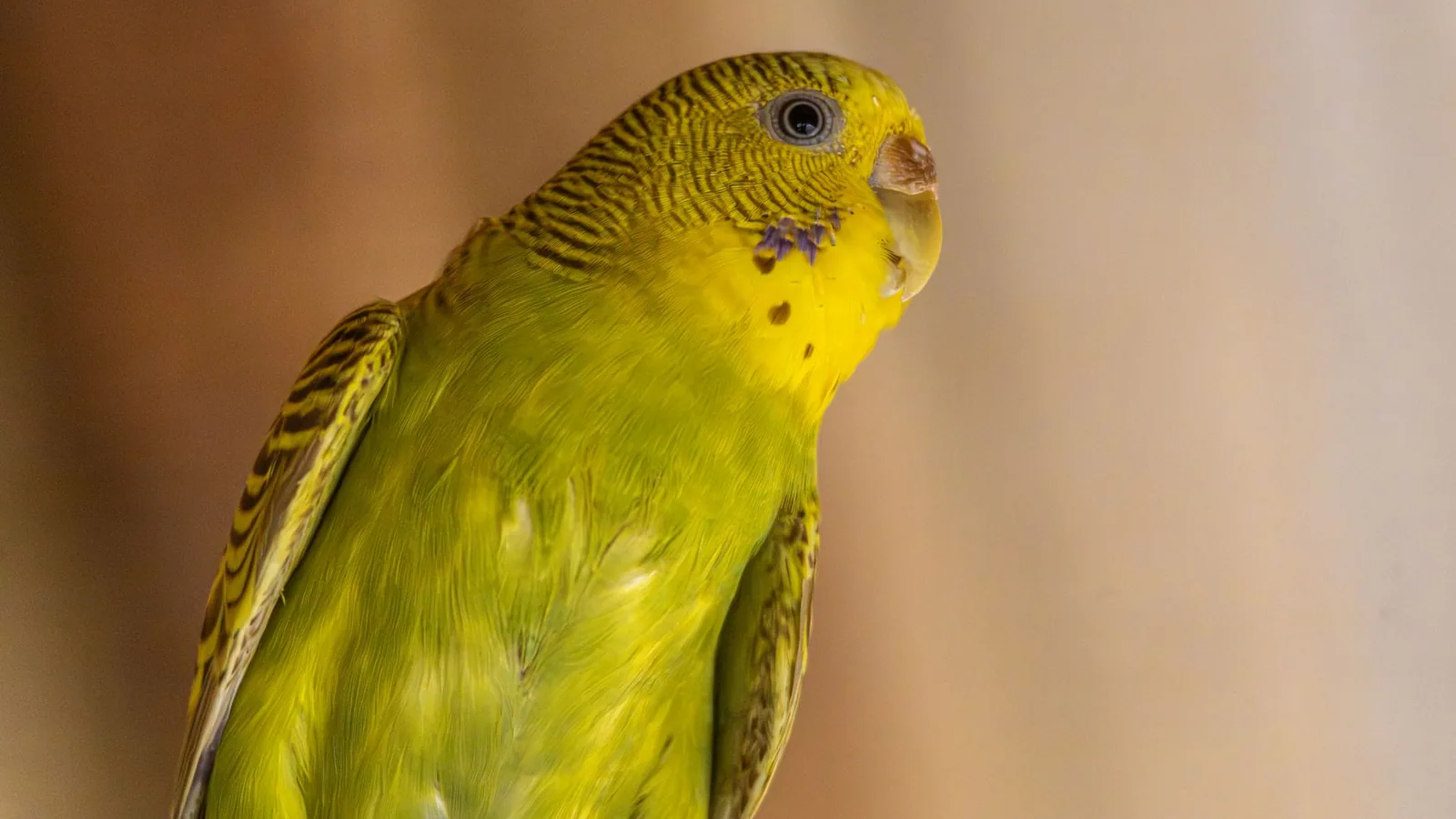
The cere (pronounced "seer") is the fleshy, waxy structure located above a budgie's (parakeet's) beak, containing the nostrils (nares). For veterinarians and dedicated pet owners alike, the cere is a critical diagnostic window into a budgie's health, hormonal status, and sex. Changes in cere color, texture, and moisture can signal everything from normal sexual maturity to life-threatening illness. This pillar article provides a comprehensive, evidence-based guide to interpreting budgie cere color meaning, integrating clinical guidelines from the Association of Avian Veterinarians (AAV), the Merck Veterinary Manual, and VCA Animal Hospitals.
Quick Q&A
Question: What does a brown, crusty cere on my female budgie mean? Answer: A brown, crusty cere in a female budgie is often a normal sign of reproductive hormonal activity, especially during breeding season. However, if the crusting is excessive, accompanied by swelling, discharge, or if the bird appears lethargic, it may indicate a serious condition such as cere hyperkeratosis, a reproductive tract disorder, or a respiratory infection. An avian veterinarian should evaluate any abnormal changes.
Anatomy and Function of the Cere
The cere is a specialized region of skin (integument) that lacks feathers and is rich in blood vessels and sensory nerves. It is composed of keratinized epithelium and contains the external openings of the nasal passages. In healthy budgies, the cere should be smooth, dry, and free of discharge. According to the Merck Veterinary Manual, the cere's appearance is one of the first indicators of overall health in psittacine birds (parrots and parakeets).
Normal Cere Color by Age and Sex
Juvenile Budgies (Under 4-6 Months)
In young budgies, the cere is typically a uniform pink, purplish, or pale blue color in both sexes. This is because the gonads (testes or ovaries) are not yet producing significant levels of sex hormones. The cere color in juveniles is primarily influenced by blood flow and the presence of immature melanocytes. As the bird approaches sexual maturity (around 3-6 months of age), the cere begins to change under the influence of oestrogen (in females) or testosterone (in males).
Adult Male Budgies
A healthy adult male budgie typically has a bright, uniform blue cere. The shade can range from sky blue to deep royal blue, depending on the individual and the breed (e.g., recessive pied males may retain a pinkish or mottled cere). The blue color is caused by the deposition of melanin pigment stimulated by testosterone. According to the AAV, a bright blue cere in a male is a reliable indicator of normal testicular function and sexual maturity.
Adult Female Budgies
Adult females exhibit a much wider range of normal cere colors, which are directly linked to their reproductive cycle. A non-breeding female often has a pale white, tan, or light brown cere. When she enters breeding condition (oestrus), oestrogen levels rise, causing the cere to become thicker, darker, and often brown or crusty. This is a normal physiological response. Some females may also develop a pale blue cere with white rings around the nares, which can be confused with a male's cere. VCA Animal Hospitals notes that cere color in females is dynamic and can change within days depending on hormonal fluctuations.
Cere Color and Hormonal Status
The Role of Oestrogen and Testosterone
The cere is a secondary sex characteristic that is exquisitely sensitive to circulating sex hormones. In males, testosterone stimulates melanocytes to produce melanin, resulting in the blue cere. In females, oestrogen promotes the thickening and keratinization of the cere epithelium, leading to the brown, crusty appearance. This is analogous to the development of a brood patch in other bird species.
Seasonal and Environmental Influences
Photoperiod (day length), diet, and the presence of a mate can all influence hormone levels and, consequently, cere color. During the breeding season (spring and summer in temperate regions), female budgies may show a pronounced brown cere even if they are not actively nesting. Conversely, a male kept in constant dim light may have a paler cere due to reduced testosterone production.
Abnormal Cere Changes: Clinical Red Flags
While many cere changes are normal, certain findings warrant immediate veterinary attention. The AAV and the Merck Veterinary Manual emphasize that the cere should be evaluated as part of any routine physical examination.
Crusting and Hyperkeratosis
Excessive crusting, thickening, or flaking of the cere beyond the normal brown appearance in females is called hyperkeratosis. This can be caused by:
- Vitamin A deficiency: Hypovitaminosis A leads to squamous metaplasia of the epithelium, causing the cere to become dry, crusty, and prone to secondary infections. This is a common problem in budgies fed an all-seed diet.
- Mites (Knemidokoptes pilae): Scaly face mites cause a characteristic honeycomb-like, crusty lesion on the cere, beak, and legs. This is highly contagious and requires veterinary treatment with ivermectin or moxidectin.
- Reproductive tract disease: In females, chronic egg laying, ovarian cysts, or tumours can cause persistent hormonal stimulation, leading to a permanently thickened, crusty cere.
- Trauma or self-mutilation: A bird may rub its cere against perches or cage bars due to irritation, leading to secondary crusting.
Discoloration (Non-Hormonal)
- Yellow or orange cere: This is rare but can indicate liver disease (icterus) or, in some cases, a genetic mutation (e.g., in lutino budgies). Jaundice is a serious sign requiring immediate blood work.
- Black or dark purple cere: This may indicate trauma (haematoma), necrosis, or a severe fungal or bacterial infection. It is a medical emergency.
- White or pale cere in an adult male: This can signal testicular atrophy, chronic illness, or malnutrition. It may also be normal in some colour mutations (e.g., recessive pied).
Swelling and Discharge
A swollen cere with discharge from the nares is a classic sign of respiratory disease. Budgies are prone to bacterial (e.g., Chlamydia psittaci causing psittacosis), fungal (e.g., Aspergillus), and viral (e.g., polyomavirus) infections. According to the CFIA (Canadian Food Inspection Agency) and DAFF (Australia), psittacosis is a zoonotic disease, meaning it can be transmitted to humans. Any bird with nasal discharge, sneezing, or a swollen cere should be isolated and examined by a veterinarian immediately.
Sexing Budgies by Cere Color: Accuracy and Limitations
Cere color is the most common method for sexing budgies, but it is not 100% reliable. The AAV recommends using cere color as a guide, but confirms that genetic testing (feather or blood) or surgical sexing (endoscopy) is required for absolute certainty, especially in young birds or unusual colour mutations.
Common Misidentifications
- Pale blue female: Some females, particularly those with certain colour mutations (e.g., albino, lutino), may have a pale blue cere that is easily mistaken for a male's.
- Pink or purple male: Young males and some adult males (especially recessive pieds) may retain a pinkish or purplish cere throughout life.
- Brown cere in a male: This is extremely rare and usually indicates a hormonal imbalance (e.g., testicular tumour) or severe liver disease.
When to See an Avian Veterinarian: Red Flags
The following cere-related signs warrant an immediate appointment with an avian veterinarian (or veterinary surgeon in the UK/Europe):
- Sudden change in cere color (e.g., from blue to brown in a male, or from brown to black in a female).
- Crusting that extends beyond the cere to the beak, eyelids, or legs (suspected mites).
- Nasal discharge (clear, yellow, or green) or blocked nares.
- Swelling or asymmetry of the cere.
- Bleeding or ulceration of the cere.
- Lethargy, fluffed feathers, or reduced appetite accompanying any cere change.
- Persistent egg laying in a female with a constantly crusty cere (risk of egg binding or reproductive disease).
Diagnostic Approach
When a budgie presents with an abnormal cere, the veterinarian will typically perform:
- Complete physical examination: Including body condition score, auscultation of the heart and lungs, and palpation of the abdomen.
- Cytology: A swab of the cere or discharge can be examined under a microscope for bacteria, fungi, or mites.
- Blood work: Complete blood count (CBC) and biochemistry panel to assess liver function, infection, and hormone levels.
- Radiography (X-rays): To evaluate the respiratory tract, reproductive organs, and skeleton.
- PCR testing: For specific pathogens like Chlamydia psittaci or Aspergillus.
Prevention and Home Care
- Diet: Provide a balanced diet that includes high-quality pellets, fresh vegetables (e.g., carrots, sweet potatoes, leafy greens), and limited seed. Vitamin A supplementation (under veterinary guidance) can prevent hyperkeratosis.
- Hygiene: Clean the cage and perches regularly. Provide a shallow water dish for bathing, which helps keep the cere clean.
- Environmental enrichment: Avoid overstimulation that leads to chronic egg laying in females. Limit nesting materials and dark, enclosed spaces unless breeding is intended.
- Regular veterinary check-ups: The AAV recommends annual wellness exams for all pet birds, including a visual inspection of the cere.
Regional Considerations
- United States and Canada: Psittacosis is a reportable disease in many states and provinces. Veterinarians must notify public health authorities if a bird tests positive.
- Europe (FVE/EFSA): The European Union has strict regulations on the importation of psittacine birds to prevent the spread of avian diseases. Budgies imported from outside the EU may be quarantined.
- Australia (DAFF): Budgies are native to Australia, and the export of native birds is strictly controlled. Australian veterinarians are highly experienced in diagnosing endemic conditions like psittacine beak and feather disease (PBFD), which can also affect the cere.
- United Kingdom: The British Veterinary Zoological Society (BVZS) provides guidelines for avian practitioners. The cere is a key indicator of health in the UK's large population of pet budgies.
Conclusion
The budgie cere is a dynamic and informative structure that provides valuable insights into a bird's sex, hormonal status, and overall health. While many color changes are normal, particularly in females during breeding cycles, any deviation from the expected appearance should be evaluated by an avian veterinarian. By understanding the nuances of budgie cere color meaning, owners can detect early signs of illness and ensure their feathered companions receive timely, appropriate care. Remember, the cere is not just a sexing tool; it is a window into your bird's well-being.
Related Clinical & Scientific Guides
References
Merck Veterinary Manual. (2023). Pet Birds: Physical Examination. Retrieved from merckvetmanual.com.
Association of Avian Veterinarians (AAV). (2022). Basic Avian Medicine: Sex Determination and Reproductive Health. aav.org.
VCA Animal Hospitals. (2023). Budgie (Parakeet) Care: Cere Color and Health. vcahospitals.com.
Lafeber Company. (2021). Avian Nutrition: Vitamin A and Skin Health. lafeber.com.
Canadian Food Inspection Agency (CFIA). (2023). Psittacosis (Ornithosis) Fact Sheet. inspection.gc.ca.
Department of Agriculture, Fisheries and Forestry (DAFF), Australia. (2022). Importation of Psittacine Birds. agriculture.gov.au.
Federation of Veterinarians of Europe (FVE). (2021). Avian Medicine Guidelines. fve.org.