How to Teach Your Bird to Talk
By Dr. Zubair Khalid, DVM, MS, PhD ·
Key Takeaways
- Vocal learning in birds is a complex neurobiological process mediated by specialized forebrain nuclei analogous to the human song system, requiring significant neural plasticity for sound acquisition and reproduction.
- Species selection is paramount, with Psittaciformes (parrots) like African Greys and Budgerigars exhibiting the highest propensity for vocal mimicry due to genetic predisposition and a well-developed vocal learning pathway.
- Effective speech training relies on consistent, high-frequency repetition of simple, phonetically clear words, ideally paired with contextual cues and positive reinforcement to strengthen neural pathways and encourage vocalization.
- Realistic outcomes are influenced by species, age, sex, individual temperament, and environmental factors; initial word acquisition can take 3-6 months in highly vocal species, with full vocabulary development potentially taking over two years.
- Health status significantly impacts vocalization; respiratory infections, thyroid disorders, nutritional deficiencies (e.g., Vitamin A), and heavy metal toxicity can impair a bird's ability or willingness to vocalize, necessitating veterinary assessment.
- Patience and positive reinforcement are critical, as punishment can induce fear and suppress vocalization, while celebrating any vocal attempt, even rudimentary, shapes the desired behavior through operant conditioning.
Teaching a bird to talk is one of the most rewarding yet challenging aspects of avian companionship. While many bird owners dream of having a feathered friend that mimics human speech, the process requires a deep understanding of avian behavior, neurobiology, and species-specific capabilities. This comprehensive veterinary guide, grounded in clinical principles and scientific literature, provides a detailed roadmap for owners seeking to teach their bird to talk. We will cover essential topics including species selection, the critical role of repetition, setting realistic outcomes, and the unwavering patience required for success.
Quick Q&A
Question: How long does it typically take to teach a bird to talk? Answer: The timeline varies dramatically by species and individual. For highly vocal species like African Grey Parrots or Budgerigars, initial words may appear within 3 to 6 months of consistent daily training. However, many birds may take 12 to 18 months or longer to produce clear, recognizable words. Success depends on repetition, positive reinforcement, and the bird's individual temperament.
Introduction: The Science of Avian Vocal Learning
Vocal learning in birds is a complex neurobiological process that involves specialized brain regions analogous to those in humans. The ability to mimic sounds, including human speech, is not universal among birds; it is a trait found primarily in three avian orders: Psittaciformes (parrots), Passeriformes (songbirds), and Apodiformes (hummingbirds). Among these, parrots are the most renowned for their capacity to learn and reproduce human speech with remarkable clarity.
The neural circuitry underlying vocal learning includes the song system, a network of interconnected nuclei in the forebrain that controls both the learning and production of vocalizations. Research into avian neurobiology has shown that this system is highly plastic, allowing birds to modify their vocal output based on auditory feedback. This plasticity is why consistent repetition and positive reinforcement are so effective in speech training.
It is important for owners to understand that talking is not a natural behavior for birds. In the wild, vocalizations serve specific functions: territory defense, mate attraction, flock cohesion, and alarm calls. When a bird mimics human speech, it is essentially incorporating these sounds into its own vocal repertoire, often as a form of social bonding or to gain attention from its human flock members.
Species Selection: Which Birds Are Most Likely to Talk?
Not all birds are created equal when it comes to talking ability. While individual variation exists, certain species are genetically predisposed to vocal learning. The Association of Avian Veterinarians (AAV) emphasizes that species selection is a critical first step for owners who prioritize talking ability.
Top Talking Species
- African Grey Parrot (Psittacus erithacus): Widely considered the most accomplished talker, the African Grey can develop a vocabulary of hundreds of words and phrases. They are known for their exceptional clarity and ability to use words in context. However, they are also highly intelligent and emotionally sensitive, requiring significant mental stimulation and social interaction.
- Budgerigar (Melopsittacus undulatus): Despite their small size, Budgerigars (or parakeets) are prolific talkers. Males are generally more adept at learning speech than females. With consistent training, a Budgie can learn dozens of words and short phrases. Their small size and relatively lower cost make them an accessible option for many owners.
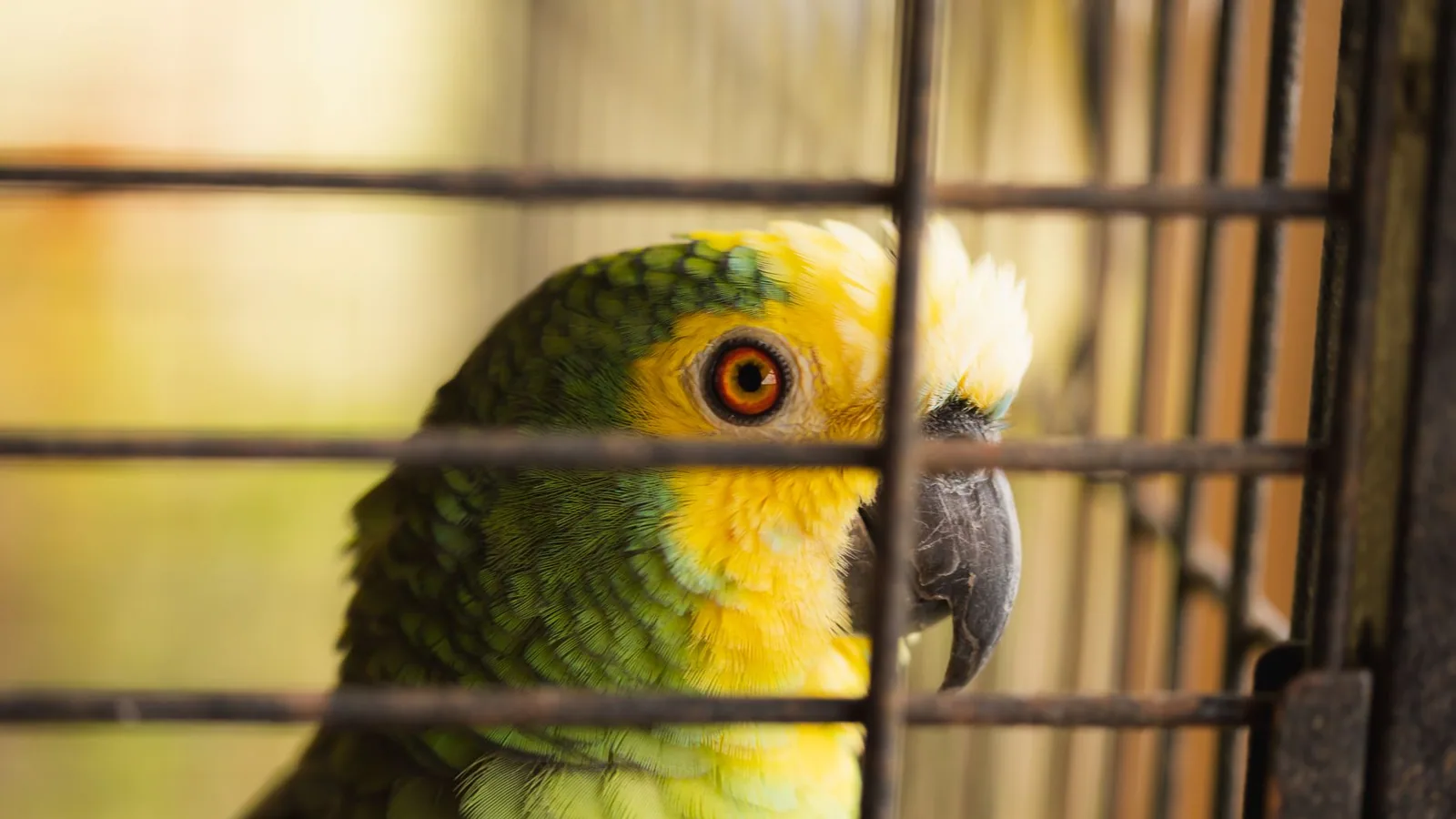
- Amazon Parrot (Amazona spp.): Amazons are boisterous, confident talkers with a clear, loud voice. They often learn words quickly and enjoy performing. However, they can be prone to behavioral issues like screaming and biting if not properly socialized and stimulated.
- Cockatiel (Nymphicus hollandicus): While not as clear as some larger parrots, Cockatiels are excellent whistlers and can learn a few words or phrases. They are more likely to whistle tunes than speak, but some individuals become quite proficient talkers. Their gentle nature makes them ideal for families.
- Eclectus Parrot (Eclectus roratus): Eclectus parrots are known for their clear, human-like voices. They can develop substantial vocabularies and are often described as gentle and calm. However, they have specific dietary requirements (high in fiber, low in fat) that must be strictly adhered to.
Species with Lower Talking Potential
- Lovebirds (Agapornis spp.): While they can learn a few words, their vocalizations are typically high-pitched and less clear. They are not generally considered strong talkers.
- Conures (Aratinga spp., Pyrrhura spp.): Conures are more likely to scream and make other noises than to speak clearly. Some individuals may learn a few words, but this is not typical.
- Finches and Canaries (Passeriformes): These birds are songbirds, not mimics. They will learn songs from their parents but will not imitate human speech.
The Merck Veterinary Manual notes that while species predisposition is important, individual personality, bonding with the owner, and training consistency are equally critical factors. A bird from a "talking" species that is neglected or stressed is unlikely to develop speech.
The Foundational Role of Repetition
Repetition is the single most important training technique in teaching a bird to talk. This principle is rooted in the neurobiology of vocal learning: the more frequently a bird hears a sound, the more robustly the neural pathways for that sound are reinforced.
How to Implement Effective Repetition
- Choose Simple Words First: Start with short, simple words that contain hard consonants and long vowels. Words like "hello," "pretty," "step up," or the bird's own name are ideal. Avoid words with soft sounds like "th" or "sh" initially.
- Consistent Daily Sessions: Conduct training sessions at the same time each day. Birds thrive on routine. Morning and early evening are often the best times when birds are naturally more alert and vocal.
- Use a Clear, Enthusiastic Voice: Speak slowly and clearly, emphasizing the target word. Birds are more likely to mimic sounds that are delivered with energy and emotion. A monotone voice is less engaging.
- Incorporate Context: Repetition is most effective when paired with context. For example, say "hello" every time you enter the room, or "good morning" when you uncover the cage. This helps the bird associate the sound with a specific event, increasing the likelihood of spontaneous use.
- Recorded Repetition: In addition to live training, you can use audio recordings of yourself speaking the target words. Play these recordings for 15 to 30 minutes several times a day when you are not home. However, live interaction is superior because it includes visual cues and social bonding.
The work of Teitler (1986) in "Successful Speech Training for Your Parrot" emphasizes that repetition must be paired with positive reinforcement. Simply repeating a word in the bird's presence is not enough; the bird must be rewarded for paying attention and, eventually, for attempting to vocalize.
Realistic Outcomes: What to Expect
Setting realistic expectations is crucial to prevent frustration for both the owner and the bird. The veterinary literature, including guidance from VCA Animal Hospitals, stresses that talking ability varies widely even within the same species.
Factors Influencing Outcomes
- Age: Younger birds (weaning to 1 year old) are generally more receptive to learning new sounds. However, older birds can also learn, especially if they have been previously exposed to human speech.
- Sex: In many species, males are more likely to talk than females. This is particularly true for Budgerigars and Canaries. However, female African Greys and Amazons can be excellent talkers.
- Individual Personality: Some birds are naturally more vocal and curious. Others may be shy or prefer to communicate through body language. Forcing a quiet bird to talk can cause stress and behavioral problems.
- Environment: A quiet, calm environment with minimal background noise is ideal for training. Birds in noisy households may have difficulty distinguishing target words from other sounds.
Typical Timeline
- 3 to 6 months: First recognizable word or phrase. The sound may be garbled or whispered at first.
- 6 to 12 months: Vocabulary expands to several words. Clarity improves.
- 12 to 24 months: The bird may begin to string words together into short phrases. Some birds start using words in appropriate contexts.
- 2+ years: Continued vocabulary expansion and refinement of pronunciation. Some birds never progress beyond a few words.
Some birds never talk, despite optimal training. This is not a reflection of the owner's skill or the bird's intelligence. The AAV recommends that owners focus on the overall health and well-being of the bird, rather than making talking the primary goal of pet ownership.
The Virtue of Patience: Managing Owner and Bird Expectations
Patience is not merely a virtue in bird training; it is a biological necessity. The process of vocal learning in birds involves complex motor learning, requiring the bird to coordinate its syrinx (the avian vocal organ), respiratory muscles, and beak movements to produce a specific sound. This is akin to a human learning to play a musical instrument.
Strategies for Cultivating Patience
- Avoid Negative Reinforcement: Never punish a bird for not talking or for making mistakes. Yelling, cage tapping, or withdrawing attention can cause fear and suppress vocalization. Positive reinforcement (treats, praise, head scratches) is the only effective method.
- Celebrate Small Victories: Acknowledge any attempt at vocalization, even if it sounds nothing like the target word. The bird is learning the motor patterns required for speech. Reward the effort, not just the outcome.
- Take Breaks: If you or the bird are becoming frustrated, stop the session. End on a positive note with a simple command the bird knows well, followed by a reward. Resume training the next day.
- Understand Bird Body Language: Learn to recognize signs of stress or disinterest in your bird. Fluffed feathers, rapid breathing, beak grinding, or turning away are signs that the bird is not receptive to training. Forcing a session during these times is counterproductive.
- Consult an Avian Behaviorist: If you have been training consistently for 6 to 12 months with no progress, consider consulting a certified avian behaviorist or a veterinarian with expertise in avian behavior. They can assess the bird's environment, health, and training technique to identify potential barriers.
The concept of patience is also deeply tied to the ethical treatment of animals. Birds are sentient beings with complex emotional lives. Pushing them to perform on a human timeline can be detrimental to their welfare. As noted in the literature on animal behavior management, a transactional approach that respects the animal's autonomy and emotional state is far more effective than a coercive one.
Health Considerations: The Veterinary Perspective
Before beginning any speech training program, a thorough veterinary examination is essential. The Merck Veterinary Manual and the AAV recommend annual wellness exams for all pet birds. Certain health conditions can directly impact a bird's ability or willingness to vocalize.
Conditions That May Affect Talking
- Respiratory Infections: Sinusitis, pneumonia, or air sacculitis can make vocalization painful or difficult. A bird with a respiratory infection may be quiet or produce abnormal sounds.
- Thyroid Disorders: Hypothyroidism can cause lethargy and reduced vocalization in some birds.
- Nutritional Deficiencies: Vitamin A deficiency, common in seed-only diets, can lead to squamous metaplasia of the respiratory epithelium, impairing vocal quality.
- Psittacine Beak and Feather Disease (PBFD): This viral disease can cause immunosuppression and secondary infections that affect the respiratory tract.
- Heavy Metal Toxicity: Lead or zinc toxicity can cause neurological signs, including changes in vocalization.
If your bird suddenly stops talking or shows a decrease in vocalization, a veterinary visit is warranted. This change could be an early indicator of illness.
Training Techniques: A Step-by-Step Protocol
Based on the principles of repetition, positive reinforcement, and patience, the following protocol is recommended by avian veterinarians and behaviorists.
Step 1: Establish a Bond
Before any speech training begins, the bird must trust you. Spend time near the cage, talking softly. Offer treats from your hand. Allow the bird to step up onto your finger. A bonded bird is far more motivated to mimic your sounds.
Step 2: Choose a Target Word
Select one word. "Hello" is a classic choice. Say it clearly and enthusiastically every time you approach the cage.
Step 3: The Training Session
- Duration: 5 to 10 minutes, 2 to 3 times per day.
- Location: A quiet room with minimal distractions.
- Technique: Look directly at the bird. Say the target word 10 to 15 times in a row. Pause for 10 seconds. Repeat. Use a high-pitched, excited tone. Birds are more responsive to higher frequencies.
Step 4: Reinforce Any Attempt
When the bird makes any sound in response, even a chirp or a click, immediately reward it with a favorite treat and enthusiastic praise ("Good bird!"). This is called shaping. You are reinforcing the act of vocalizing in your presence.
Step 5: Gradually Increase Difficulty
Once the bird consistently makes a sound in response to your cue, begin to withhold the reward until the sound more closely approximates the target word. This is called differential reinforcement. For example, if the bird says "eh," wait for a sound that is closer to "hello" before rewarding.
Step 6: Introduce Context
Once the bird can say the word on cue, start using it in context. Say "hello" when you enter the room, "goodbye" when you leave, and "pretty bird" when you give a treat. This helps the bird understand the meaning of the words.
Common Mistakes and How to Avoid Them
- Inconsistency: Training sporadically or using different words each session confuses the bird. Stick to a routine.
- Too Many Words: Introducing multiple words at once dilutes the repetition needed for each word. Master one word before moving to the next.
- Background Noise: Television, radio, or conversations in the room can distract the bird. Training sessions should be quiet.
- Punishment: Never scold a bird for not talking. This creates a negative association with training.
- Unrealistic Expectations: Expecting a Cockatiel to talk like an African Grey is setting yourself up for disappointment. Know your species.
The Role of Social Interaction
Birds are highly social creatures. In the wild, they learn vocalizations from their parents and flock mates. In captivity, the owner becomes the primary flock mate. Therefore, the quality of the human-bird bond directly influences talking success.
Butterfield (1998) in "MYNAH MESSENGER: Training Your Mynah Bird to Talk" highlights that birds learn best when they feel safe and emotionally connected to their trainer. A bird that is ignored or kept in isolation is unlikely to develop speech, regardless of how much repetition it receives.
Social interaction also includes visual contact. Birds learn by watching as well as listening. When you speak, make sure the bird can see your face and mouth. Some birds will watch your lips move and attempt to mimic the movements.
Conclusion: A Journey of Communication
Teaching your bird to talk is a journey that requires dedication, scientific understanding, and emotional commitment. It is not merely about training a pet to perform a trick; it is about opening a channel of communication that can deepen the bond between human and bird.
By selecting an appropriate species, committing to consistent repetition, maintaining realistic expectations, and exercising patience, owners can maximize their chances of success. However, it is equally important to respect the bird's individuality and to prioritize its health and welfare above all else. A bird that is healthy, happy, and well-cared for is far more likely to share its voice with you.
Remember, the goal is not to create a talking machine, but to foster a relationship built on trust, respect, and mutual understanding. Whether your bird becomes a prolific talker or remains a quiet companion, the time and effort invested in training will strengthen your bond and enrich both of your lives.
Related Clinical & Scientific Guides
References
Butterfield, K. (1998). MYNAH MESSENGER: Training Your Mynah Bird to Talk. Journal. Grossberg, L. (1986). On Postmodernism and Articulation. Journal. Carr, J. P. (2016). The Faces of Biology Documented in Annual Photo Contest. Journal. Freytag, S. (2016). The Athena Doctrine How Women And The Men Who Think Like Them Will Rule The Future. Journal. Teitler, R. (1986). Successful Speech Training for Your Parrot. Journal. Lynch, J. (2002). Trauma ICU: sutures, scalpels, and swears. Western Journal of Medicine. Halloran, A. (2012). Books in brief. Nature. Cheney, B., & Lovato, S. (2009). Stinky Fish and Tossed Eggs: Science Programming on the Cheap. Journal. DeWald, D. D. (1984). Taming Old Parrots. Journal. Hall, R. (2002). My First AFA Convention. Journal. Andreoli, L. (1986). Clipping - A Different Perspective. Journal. Migeon, B. (2005). The X in Sex: How the X Chromosome Controls our Lives. Journal. ACS Careers. (2018). Finding a mentor. Journal. Sumanjari, D. (2021). Irony as an Agent of Precision in the Poems of Nissim Ezekiel. Journal. Meyer zu Hörste-Bührer, R. J., Erbele-Küster, D., Roth, M., et al. (2019). Editorial: Ethik in Antike und Christentum. Journal. Muller, G. (2014). The McGraw-Hill Reader: Issues Across the Disciplines. Journal. Stenger, V., & Stenger, V. (2011). Books in brief. Nature. (2002). Behaviour Management in the Classroom: A Transactional Analysis Approach. Journal. Turner, N. B. (2008). Patterns of Culture: Re-aligning Library Culture with User Needs. Journal. Elshtain, E. P. (2005). It Takes a Thief: An Interview with Camille Guthrie. Journal. Johnson, R. (1996). From 'Hurrah for Euphony': Dedicated to Young Poets. Journal. Csaky, K. (2002). Raising Baby Parrots for the Pet Trade. Journal. Dedo, D. D. (1995). Eleventh Annual Scientific Meeting of the American Academy at Cosmetic Surgery. Journal.