Liquid Cat Poop: Causes of Watery Diarrhea and What to Do
By Dr. Zubair Khalid, DVM, MS, PhD ·
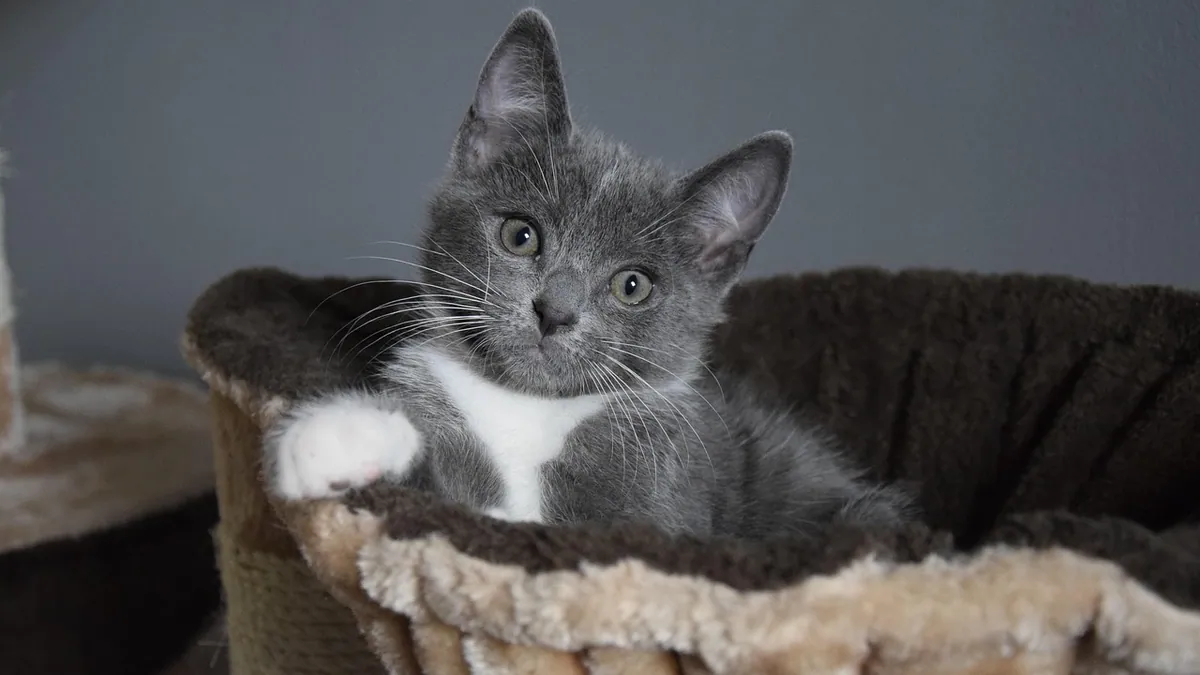
Liquid cat poop means your cat is passing watery stool instead of formed feces. It happens when the intestines move contents through too fast or fail to absorb water properly, which is a common problem in both adult cats and kittens. Most short bouts improve with supportive care, but some causes are serious and need a veterinarian quickly.
This article is educational and is not a substitute for veterinary diagnosis or treatment.
Quick Answer
- A single episode of watery stool in an otherwise bright, eating, drinking cat is often mild and may pass within a day or two with bland food and plenty of water.
- Kittens, seniors, and cats with ongoing vomiting or lethargy need a veterinarian sooner because dehydration can develop fast.
- Never give human anti-diarrheal medicines or leftover antibiotics to a cat. Doses and drug choices are set by your veterinarian based on your cat's weight and health.
- Bring a fresh stool sample to the visit if you can. Fecal testing is a core part of figuring out the cause [1].
- Go to an emergency clinic now if you see blood, a swollen painful belly, repeated vomiting, collapse, or a kitten that stops eating.
What Liquid Cat Poop Looks Like and What Is Normal
Normal cat stool is firm, log shaped, and holds its form when you scoop it. It is usually chocolate brown. A healthy cat passes stool roughly once or twice a day, though this varies with diet and individual habits.
Liquid cat poop is soft enough to spread or run. It may be brown, yellow, green, or black, and it may carry mucus, blood, or a strong odor. Owners often describe it as pudding-like, soupy, or a puddle that soaks into the litter.
The large intestine (colon) normally absorbs water and salts, stores waste, and hosts healthy gut bacteria. When illness, parasites, or other problems damage the colon, diarrhea is often the result [2]. That is why watery stool can appear even when your cat seems fine otherwise.
It helps to note two patterns. Small bowel diarrhea tends to be large in volume, watery, and sometimes accompanied by weight loss or vomiting. Large bowel diarrhea comes in small amounts with straining, mucus, and sometimes bright red blood [2]. Your description of the stool helps your veterinarian narrow the list of causes.
Why Is My Cat Pooping Liquid? Main Causes
Many conditions produce watery stool, and the clues in the stool and your cat's behavior point toward different causes.
| Cause | Typical clues | How urgent |
|---|---|---|
| Sudden diet change or new food | Watery stool within a day or two of a switch, cat still playful and eating | Usually mild, call your vet if it lasts more than 24 to 48 hours |
| Dietary upset or food intolerance | Recurring soft stool after certain foods, good appetite, no fever | Routine visit if it keeps returning |
| Intestinal parasites (coccidia, Giardia, roundworms, hookworms) | Young cat, poor coat, gas, stool with mucus, possible weight loss | See a vet soon, fecal testing needed [3] |
| Bacterial or viral infection | Sudden watery stool, vomiting, lethargy, possible fever | Same-day call, especially in kittens |
| Colitis (colon inflammation) | Straining, small volume stool, mucus, bright red blood, weight loss uncommon [2] | Routine to same-day visit |
| Chronic enteropathy or inflammatory disease | Weeks of intermittent diarrhea, weight loss, vomiting, picky appetite | Routine visit with testing [4] |
| Toxin, foreign body, or obstruction | Vomiting, painful belly, no stool or tiny amounts, drooling | Emergency now |
| Stress or environment change | Watery stool after travel, new pet, or boarding, cat otherwise well | Usually mild, watch closely [5] |
Diet and environment changes are common triggers for acute diarrhea in cats, and the gut bacteria shift during these episodes [5]. In young cats with diarrhea, intestinal parasites are a frequent finding. In one study of young cats with diarrhea, about one third tested positive for coccidia, and other parasites such as Giardia, hookworms, roundworms, and tapeworms were also found [3]. Watery or bloody diarrhea appeared in some of the coccidia-infected cats [3].
Chronic diarrhea, meaning it lasts weeks, has many possible causes including inflammatory, parasitic, and dietary conditions [4]. Cats with chronic colitis are often middle-aged and frequently purebred, and in most cases the exact cause is unknown. Bacterial, parasitic, traumatic, kidney-related, and allergic causes are suspected, along with immune system problems in the colon [2].
If you also see mucus or blood, these articles can help you sort out what you are looking at: Cat Diarrhea with Mucus: Causes and When to Worry and Cat Diarrhea with Blood and Mucus: Causes and When to Act Fast.
Why Is My Kitten Having Liquid Poop?
Kittens dehydrate faster than adult cats because they are small and have less reserve. Parasites are a leading concern in this age group, and coccidia was found in a large share of young cats with diarrhea in one study [3]. A kitten with watery stool, poor appetite, or low energy needs a veterinarian the same day. For a fuller guide, see Kitten Diarrhea: Causes, Safe Home Care, and Emergency Signs.
Red Flags That Make Liquid Diarrhea an Emergency
Some signs mean you should stop watching at home and get help now.
- Blood in the stool, especially large amounts or black tarry stool
- Repeated vomiting or vomiting that will not stop
- A belly that looks swollen, feels hard, or hurts when touched
- Weakness, collapse, wobbling, or a cat that will not stand
- Gums that look pale, white, or blue
- A kitten or senior cat with any of the above
- No eating or drinking for more than 12 to 24 hours
- Known or suspected access to toxins, human medicines, or string and small objects
Dehydration is the main danger with ongoing watery stool. Signs include tacky or dry gums, skin that stays tented when gently pinched, sunken eyes, and heavy lethargy. If your cat is also refusing water, read Cat Diarrhea and Not Drinking Water: Dehydration Risks and Care.
Safe Things You Can Do at Home While You Wait
Home care supports your cat while the gut settles. It does not replace a diagnosis when something more serious is going on.
Keep water available at all times. Offer fresh water in several clean bowls around the house. Some cats drink more from a running fountain. If your cat will not drink, that is a reason to call your veterinarian.
Offer small, frequent meals of bland food. Plain cooked chicken without skin or seasoning, or a veterinary bland diet, is a common choice. Feed small amounts several times a day instead of one large meal. If your cat vomits after eating, stop and call your vet.
Do not fast your cat. Cats can develop serious liver problems when they go without food for too long. Short fasts are sometimes recommended for dogs, but they are risky for cats. Ask your veterinarian before withholding food.
Skip human medicines. Anti-diarrheal drugs, antibiotics, and pain relievers made for people can harm cats. Your veterinarian calculates any dose from your cat's weight and health.
Keep the litter box clean. Scoop often so you can track how much stool is passing and what it looks like. Take a photo of the stool, since that helps your veterinarian.
Separate other pets. If you have more than one cat, use separate boxes and wash your hands after contact. Some causes of diarrhea, such as Giardia and coccidia, can spread between animals [3].
Reduce stress. Sudden changes in diet or environment can trigger acute diarrhea in cats [5]. Keep meals, routines, and household activity as steady as you can.
Note the details. Write down when the diarrhea started, how often it happens, the color and consistency, whether there is mucus or blood, and whether your cat is eating, drinking, and acting normal.
What Your Veterinarian Will Check and Test
Your veterinarian starts with a full history and physical exam. They will ask about diet, recent changes, other pets, indoor and outdoor access, and any possible exposure to toxins or foreign objects. They will check your cat's hydration, weight, gums, belly, and temperature.
Testing depends on your cat's age, history, and how sick they look. Common steps include:
- Fecal testing for parasites such as coccidia, Giardia, roundworms, and hookworms [1][3]
- Blood work to check organ function, electrolytes, and signs of inflammation
- Imaging such as X-rays or ultrasound when obstruction, masses, or organ disease is suspected [1]
- Colonoscopy with biopsy when large bowel disease is suspected and simpler tests do not explain the problem [1]
Treatment is aimed at the underlying cause, along with diet changes and supportive care [1]. For many uncomplicated acute cases, care focuses on hydration and nutrition, and testing is tailored to the individual cat. Routine antibiotics are not recommended for uncomplicated acute diarrhea because they can drive resistance and disrupt the gut microbiome. Targeted therapy is saved for systemic or bacterial infections [6]. Anti-nausea medicine and good hygiene may also be part of the plan [6].
Nutrition is a major part of long-term management for chronic diarrhea [4]. Your veterinarian may recommend a specific diet, a novel protein food, or a high-fiber or low-fat formula depending on which part of the gut is affected. Changes should be made gradually and with guidance.
Prevention and Monitoring
You cannot prevent every cause of liquid cat poop, but you can lower the odds and catch problems early.
- Keep vaccinations and parasite prevention up to date, and follow your veterinarian's schedule for your cat's lifestyle.
- Change food slowly over about a week, mixing increasing amounts of the new food with the old.
- Keep meals consistent and avoid table scraps, bones, and rich human food.
- Store food properly and toss anything spoiled or past its date.
- Keep trash, string, hair ties, and human medicines out of reach.
- Scoop the litter box daily so you notice changes in stool right away.
- Weigh your cat monthly if you can. Unexplained weight loss with diarrhea deserves a vet visit.
- Bring new cats to the veterinarian for a check and fecal test before mixing them with resident pets.
If your cat has repeated bouts of watery stool, keep a simple log of dates, foods, and stool appearance. Patterns help your veterinarian choose the right tests and diet. For general guidance on home care and costs, see Cat Diarrhea: Causes, Home Care, and When to Worry.
Limitations and When to Contact a Veterinarian
This article cannot tell you what is causing your cat's diarrhea. Only a veterinarian who examines your cat and runs the right tests can do that, and individual cases always need professional judgment.
Contact an emergency clinic now if you see blood in large amounts, a swollen or painful belly, repeated vomiting, collapse, pale gums, suspected toxin or foreign object ingestion, or a kitten or senior cat that is weak and not eating.
Call your veterinarian the same day if the diarrhea has lasted more than 24 to 48 hours, if your cat is vomiting or lethargic, if your cat is not drinking, or if a kitten has watery stool at all.
Schedule a routine visit if the diarrhea comes and goes over weeks, if your cat is losing weight, or if soft stool keeps returning after diet changes.
Frequently Asked Questions
How long does liquid diarrhea usually last in cats?
Most uncomplicated acute diarrhea in cats is self-limiting and improves with supportive care such as hydration and nutrition [6]. If it lasts more than a day or two, or your cat is acting sick, call your veterinarian. Kittens and seniors should be seen sooner.
Can I give my cat human diarrhea medicine?
No. Human anti-diarrheal and antibiotic medicines can be harmful to cats, and the wrong drug or dose can make things worse. Your veterinarian will decide whether any medication is needed and will calculate the dose from your cat's weight and health.
Is liquid cat poop always a sign of parasites?
No, parasites are one possible cause among many. Diet changes, infections, stress, inflammatory disease, and foreign objects can all produce watery stool [4][1][5]. Fecal testing is the way to find out whether parasites are involved [1][3].
Should I fast my cat to stop the diarrhea?
No. Cats should not go without food for long periods because it can lead to serious liver problems. Offer small, frequent bland meals and keep water available. Ask your veterinarian before making any major feeding changes.
Can stress cause watery stool in my cat?
Yes. Changes in diet and environment can lead to acute diarrhea in cats, and gut bacteria shift during these episodes [5]. Travel, a new pet, boarding, or a move are common triggers. If stress-related diarrhea keeps returning, a vet visit can rule out other causes.
Related Articles
- Cat Diarrhea with Mucus: Causes and When to Worry
- Cat Diarrhea with Blood and Mucus: Causes and When to Act Fast
- Cat Diarrhea: Causes, Home Care, and When to Worry
- Cat Diarrhea and Not Drinking Water: Dehydration Risks and Care
- Kitten Diarrhea: Causes, Safe Home Care, and Emergency Signs
- Cat Runny Nose Watery Eyes
- Cat Poop Runny: Causes of Diarrhea and What to Do
- Uncontrollable Diarrhea in Cats: Causes and What to Do
- Why Is My Cat Suddenly Having Diarrhea? Causes and Care
- Intestinal Parasites in Dogs and Cats: Identification, Symptoms, and Treatment Options
- Cryptosporidium parvum Infection in Dogs and Cats: Zoonotic Risk in Immunocompromised Hosts
References
- Large-Intestinal Disorders in Dogs and Cats: Diagnosis, Management, and Clinical Outcomes. The Veterinary clinics of North America. Small animal practice, 2026.
- Disorders of the Stomach and Intestines in Cats - Cat Owners. Merck Veterinary Manual.
- Occurrence of Cystoisospora spp. and other intestinal parasites in dogs and cats with diarrhea. Veterinary parasitology, 2025.
- Feline chronic diarrhea: causes and nutritional management. Veterinary and animal science, 2026.
- Identification of Gut Microbiome and Metabolites Associated with Acute Diarrhea in Cats. Microbiology spectrum, 2023.
- From Diagnosis to Resolution: A Practical Guide to Acute Diarrhea in Veterinary Patients. The Veterinary clinics of North America. Small animal practice, 2026.