Watery Poop in Puppies: Causes and When to Call the Vet
By Dr. Zubair Khalid, DVM, MS, PhD ·
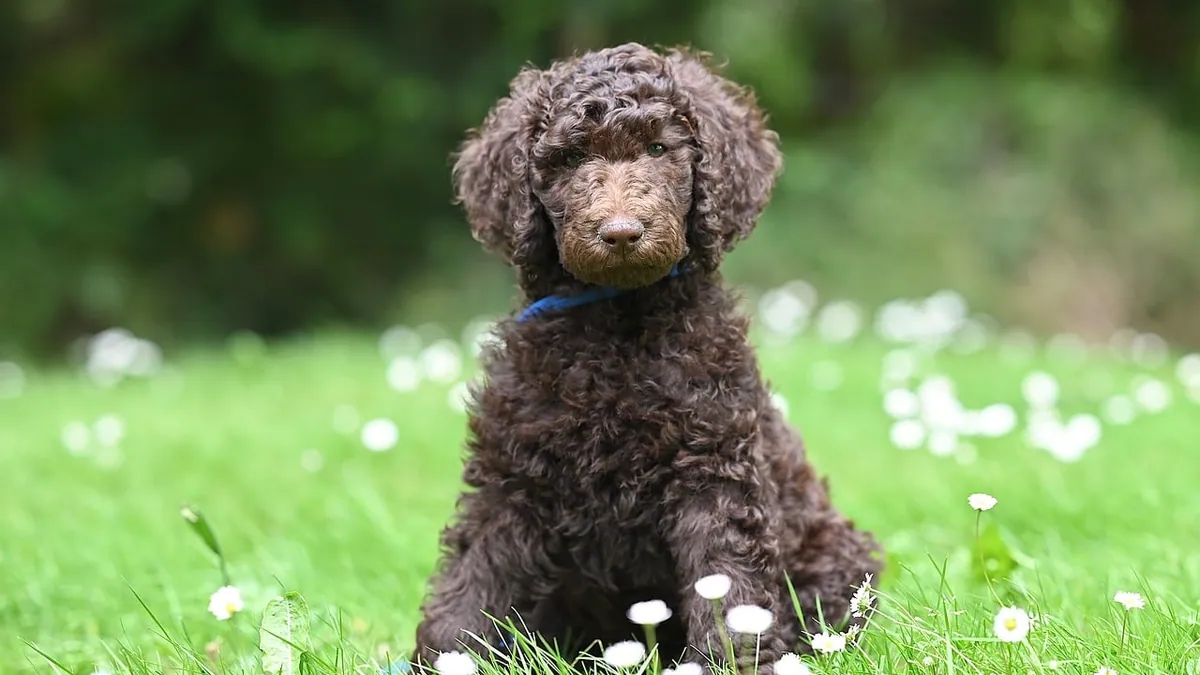
If your puppy poop is watery, it usually means something is irritating the gut or speeding digestion up so fast that water never gets absorbed. Puppies dehydrate faster than adult dogs, so the same loose stool that a grown dog shrugs off can become dangerous in a matter of hours. This article is educational and is not a substitute for veterinary diagnosis or treatment.
Quick Answer
- Watery diarrhea in a puppy under 6 months old is always worth a phone call to your vet, even if your puppy still seems playful.
- The most dangerous cause is canine parvovirus, a potentially fatal viral disease that most often affects puppies or unvaccinated adult dogs [1].
- Puppies can lose a dangerous amount of fluid in less than a day, so watch for dry gums, sunken eyes, and weakness.
- Do not give human anti-diarrheal medicines, antibiotics, or leftover pet prescriptions unless your veterinarian tells you to.
- Bring a fresh stool sample to the appointment if you can collect one. It speeds up testing.
What Watery Puppy Poop Actually Looks Like
Normal puppy stool is soft but holds its shape. It looks like a small log or a soft-serve swirl. Color ranges from light brown to dark brown depending on diet.
Watery stool is different. It has no form at all. It soaks into the grass or spreads flat in the grass or on a pee pad. You may see it described as dog poop watery brown, which usually means digested food is moving through too fast. Watery stool can also be yellow, green, orange, gray, or black. Each color points toward different problems.
Some watery diarrhea comes with mucus, a slimy coating that looks like egg white. Mucus-laden, watery, or bile-streaked diarrhea, with or without blood, is a common pattern in bacterial gut infections [2]. If you are seeing a lot of slime, our article on mucus in stool and colitis explains what that pattern usually means.
Frequency matters too. One loose stool after a new treat is very different from liquid stool every hour for six hours.
Why Is My Puppy Pooping Liquid? The Main Causes
Puppies get watery diarrhea for many reasons. Some are mild and self-limiting. Others are life-threatening within a day. The table below groups the common causes by what you are likely to see at home.
| Cause | Typical clues | How urgent |
|---|---|---|
| Parvovirus | Sudden severe watery or bloody diarrhea, vomiting, lethargy, not eating, unvaccinated or incompletely vaccinated puppy [1] | Emergency now |
| Bacterial infection (such as Campylobacter or Salmonella) | Mucus-laden, watery, or bile-streaked diarrhea, sometimes with blood or fever [2] | Same-day vet visit |
| Intestinal parasites (such as Cystoisospora) | Watery diarrhea, often in puppies from shelters, pet stores, or strays, sometimes with weight loss [3] | Vet visit within 24 hours |
| Sudden diet change or dietary indiscretion | Watery stool after new food, table scraps, or garbage, puppy still bright and drinking | Monitor closely, call vet if it lasts more than 24 hours |
| Stress (new home, travel, boarding) | Loose stool in an otherwise healthy, playful puppy | Monitor, call vet if it persists |
| Idiopathic acute hemorrhagic diarrhea syndrome (AHDS) | Sudden watery or bloody diarrhea in an adult or older puppy, often with vomiting, no known trigger [4] | Same-day vet visit |
| Intestinal lymphangiectasia or other absorption problems | Chronic watery diarrhea with weight loss and low protein levels [5] | Routine vet visit, but sooner if losing weight |
| Tick-borne infection (such as Hepatozoon canis) | Lethargy, pale gums, severe gut signs, sometimes in a very young puppy with no known tick exposure | Same-day vet visit |
Parvovirus: The Cause That Kills Puppies Fast
Canine parvovirus attacks rapidly dividing cells, especially in the bone marrow and the lining of the small intestine. The damage to the intestinal lining causes severe watery and bloody diarrhea [1]. Normal gut bacteria can then leak into the bloodstream and make the disease worse [1].
Parvovirus is hardy. It resists many common disinfectants and can survive in contaminated areas for months or possibly years [1]. That is why unvaccinated puppies can pick it up from parks, sidewalks, and yards where an infected dog has been.
Some breeds face higher risk, including Rottweilers, American Pit Bull Terriers, Doberman Pinschers, English Springer Spaniels, and German Shepherds, though any breed can be affected [1]. With appropriate treatment, 68% to 92% of affected dogs survive [1]. That number is a strong argument for calling your vet the moment you suspect parvo.
Bacterial and Parasitic Causes
Campylobacter and Salmonella are bacteria that can cause watery diarrhea in dogs. Signs include mucus-laden, watery, or bile-streaked diarrhea, with or without blood, and fever may be present [2]. The diarrhea appears to be most severe in young dogs [2]. Diagnosis involves testing feces and blood for evidence of infection [2].
Cystoisospora is a parasite that infects the small intestine of dogs and causes diarrhea, abdominal discomfort, and in severe cases death, particularly in young dogs [3]. In one survey, infection was found much more often in dogs with watery diarrhea than in dogs without it [3]. Puppies from shelters, breeding facilities, or stray situations are at higher risk.
Diet, Stress, and Sudden Changes
Not every case is infectious. A sudden switch in food, a rich treat, or a stressful move to a new home can all produce loose stool. These cases usually improve within a day or two once the gut settles. If the stool stays liquid past 24 hours, or if your puppy stops eating or drinking, treat it as a medical problem.
Less Common Causes
Some puppies have underlying conditions that cause chronic watery diarrhea. Intestinal lymphangiectasia, a disorder where lymph fluid leaks into the gut, can cause watery diarrhea and weight loss with low protein levels in the blood [5]. A case report described a 2-year-old dog with watery diarrhea and weight loss who improved on prednisolone and a low-fat diet [5].
Hepatozoon canis is a tick-borne parasite that usually spreads through tick bites.
Red Flags That Mean Emergency
Call an emergency veterinary hospital right away if your puppy has any of these signs:
- Blood in the stool, especially large amounts of dark or bright red blood
- Repeated vomiting, especially if your puppy cannot keep water down
- Lethargy, weakness, or collapse
- Pale or white gums
- A distended or painful belly
- Not eating or drinking for more than 12 hours
- Signs of dehydration: dry or tacky gums, skin that stays tented when you pinch it, sunken eyes
- Known or suspected exposure to parvovirus, such as a positive test in a littermate
- Diarrhea that started within days of a vaccination in a very young puppy
Parvovirus is the classic emergency. A puppy with parvo can go from playful to critically ill in under 24 hours. Do not wait to see if it improves on its own.
If your puppy has watery diarrhea with blood, read our guide on blood in stool and home care for more on what blood color and amount can mean.
Safe Things You Can Do at Home While You Wait
Home care does not replace a vet visit, but these steps can help while you arrange one.
Keep Water Available
Offer small amounts of fresh water often. Do not let your puppy gulp a huge bowl at once, which can trigger vomiting. If your puppy refuses water or vomits it back up, that is a reason to call the vet now.
Offer a Bland Diet Only If Your Vet Approves
Some veterinarians recommend a short course of plain boiled chicken and rice or a prescription bland diet for mild cases. Others want your puppy fasting until examined. Ask before you feed anything. Never give human anti-diarrheal medications unless your vet gives you a specific dose. Your veterinarian calculates the dose from your pet's weight and health.
Collect a Stool Sample
Scoop a fresh sample into a clean plastic bag or container. Refrigerate it if you cannot bring it within a few hours. A stool sample lets your vet run a fecal float, a parvovirus test, and other diagnostics quickly.
Track the Details
Write down when the diarrhea started, how many times per day, the color and consistency, whether there is blood or mucus, and whether your puppy is eating, drinking, and acting normal. This history helps your vet decide how urgent the case is.
Isolate Your Puppy
If parvo is a possibility, keep your puppy away from other dogs and from public areas. The virus survives a long time in the environment [1]. Clean up accidents with a disinfectant your veterinarian recommends, since many common disinfectants do not kill parvo [1].
For a broader look at home care and when it is safe to wait, see our article on dog diarrhea and safe home care.
What Your Veterinarian Will Check and Test
Your vet will start with a physical exam. They will check your puppy's hydration, gum color, belly comfort, temperature, and body condition. They will ask about vaccination history, diet, exposure to other dogs, and travel.
Common tests include:
- Parvovirus antigen test on a stool sample
- Fecal flotation to look for parasite eggs and oocysts, such as Cystoisospora [3]
- Fecal culture or PCR for bacteria such as Campylobacter and Salmonella [2]
- Complete blood count to check white blood cells, red blood cells, and platelets
- Blood chemistry to check organ function and protein levels
- Imaging such as X-rays or ultrasound if the vet suspects a blockage or an internal problem
In some cases, your vet may recommend testing for tick-borne organisms. If chronic watery diarrhea comes with weight loss and low protein, your vet may look for intestinal lymphangiectasia [5].
Treatment depends on the cause. Parvovirus treatment usually involves hospitalization with intravenous fluids, anti-nausea medication, antibiotics for secondary infection, and supportive care. Bacterial infections may need targeted antibiotics. Parasites need dewormers or antiprotozoal drugs. Your vet will choose the drug and dose based on your puppy's weight and test results.
Prevention and Monitoring
Vaccination is the single most important step against parvovirus. Follow your vet's schedule for puppy vaccines and keep your puppy away from unknown dogs and high-traffic dog areas until the vaccine series is complete.
Other steps that help:
- Deworm on your vet's schedule, starting young
- Avoid sudden food changes. Transition over 7 to 10 days if you must switch
- Keep your puppy away from garbage, spoiled food, and dead animals
- Pick up stool promptly in your yard and on walks
- Bring a stool sample to routine puppy visits so parasites get caught early
- Watch for changes in water intake and urination, which can point to other problems. Our article on frequent urination in dogs covers that pattern.
If your puppy has had watery diarrhea once and is now back to normal, keep watching for 24 hours. If it happens again, or if anything else changes, call your vet.
Limitations and When to Contact a Veterinarian
This article cannot tell you what is wrong with your specific puppy. Only a veterinarian who examines your puppy can do that. Individual cases need a veterinarian, and the timing below is a general guide.
Call your veterinarian the same day if:
- Your puppy has watery diarrhea more than twice in a few hours
- Diarrhea lasts more than 24 hours
- Your puppy is eating less than normal
- You see mucus or a small amount of blood
- Your puppy has recently been to a shelter, pet store, dog park, or boarding facility
Go to an emergency clinic now if:
- Your puppy is vomiting and cannot keep water down
- You see a large amount of blood
- Your puppy is weak, wobbly, or unresponsive
- Gums are pale, white, or bright red
- Your puppy has a painful or swollen belly
- You suspect parvovirus or a littermate has tested positive
Schedule a routine visit soon if:
- Watery diarrhea comes and goes over weeks
- Your puppy is losing weight despite eating
- Stool is consistently soft or watery but your puppy acts normal
Frequently Asked Questions
Should I stop feeding my puppy if the poop is watery?
No, do not withhold food for long unless your veterinarian tells you to. Puppies have high energy needs and can become weak quickly without food. Offer small, frequent meals of whatever your vet recommends, and keep water available at all times.
Can watery diarrhea in puppies go away on its own?
Mild cases from a diet change or stress can settle within a day or two. Infectious causes like parvovirus, bacteria, and parasites do not resolve on their own and can get worse fast. If the stool is still liquid after 24 hours, or your puppy seems tired or off, call your vet.
How do I know if my puppy is dehydrated?
Gently pinch the skin on the back of the neck. If it stays tented instead of springing back, your puppy may be dehydrated. Other signs include tacky gums, sunken eyes, and weakness. Any of these signs means you should call your vet right away.
Is watery brown poop in a puppy always serious?
Not always. Watery brown stool often just means food moved through too fast, which can happen after a treat or a stressful day. It becomes serious when it repeats, lasts more than a day, or comes with vomiting, lethargy, blood, or a puppy who will not eat.
Can my other dogs catch diarrhea from my puppy?
Some causes are contagious, including parvovirus, Salmonella, Campylobacter, and certain parasites. Keep your puppy separated from other dogs until your vet says it is safe. Wash your hands after handling your puppy and clean up accidents promptly.
Related Articles
- Dog Diarrhea: When Should You Call the Vet?
- Dog Urinating Frequently: Causes and When to Call the Vet
- Dog Diarrhea: Safe Home Care and When to Call the Vet
- Dog Blood in Stool: Home Care and When to Call the Vet
- Why Is My Dog having mucus in stool? Colitis and Large Bowel Diarrhea
- Dog Drinking More Water Than Usual: When to See the Vet
- Puppy Runny Poop: Causes and When to Call the Vet
- Watery Diarrhea in Dogs: Causes of Liquid Stool and What to Do
- Why Does My Dog Have Diarrhea? Causes in Dogs and Puppies
- Canine Intestinal Parasites Causing Diarrhea: Diagnosis, Treatment, and Prevention
- Intestinal Parasites in Dogs: Diagnosis, Home Treatment Myths, and Veterinary Management
References
- Disorders of the Stomach and Intestines in Dogs - Dog Owners. Merck Veterinary Manual.
- Disorders Caused by Bacteria in the Digestive System of Dogs - Dog Owners. Merck Veterinary Manual.
- Morpho-molecular analysis of Cystoisospora canis isolated from dogs in Sulaymaniyah province, Iraq. Parasitology international, 2026.
- Presentations of idiopathic hemorrhagic diarrhea syndrome in dogs in relation to meteorological factors. Journal of veterinary internal medicine, 2026.
- Pancreatic lymphangioma and concurrent intestinal lymphangiectasia in a dog. Journal of veterinary internal medicine, 2026.