Why Is My Cat Suddenly Having Diarrhea? Causes and Care
By Dr. Zubair Khalid, DVM, MS, PhD ·
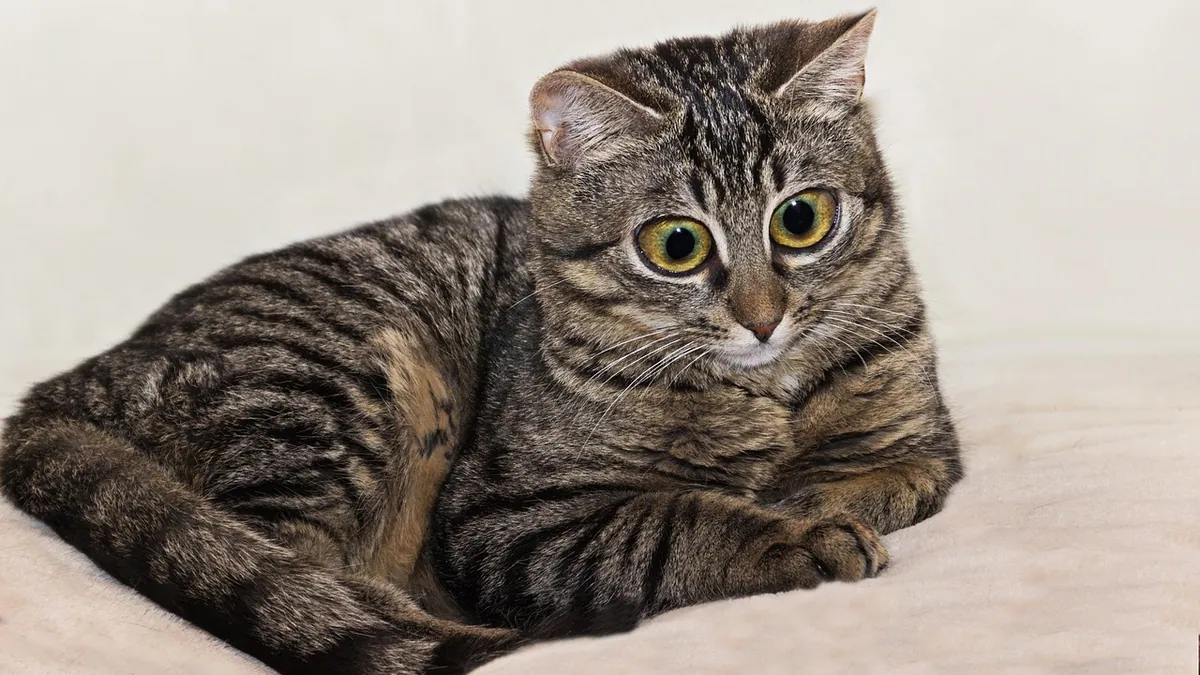
If your cat suddenly has loose or watery stools, the most common triggers are a diet change, stress, or a mild intestinal upset, and most short episodes settle within a few days [1]. Sometimes, though, sudden diarrhea is the first sign of an infection, parasite, or deeper illness that needs treatment. This article is educational and is not a substitute for veterinary diagnosis or treatment.
Quick Answer
- Most sudden (acute) diarrhea in cats is self-limiting and responds to supportive care such as keeping your cat hydrated and fed [2].
- A sudden diet change or a stressful event (a car trip, a clinic stay) can cause loose stools for a few days [1].
- Kittens may be at higher risk because their digestive systems are still adjusting to solid food [1].
- Do not reach for leftover antibiotics. Routine antibiotic use in uncomplicated diarrhea is discouraged because it can drive resistance and disrupt the gut microbiome [2].
- Call your veterinarian the same day if you see blood, black stools, repeated vomiting, lethargy, or signs of dehydration.
What Sudden Diarrhea Looks Like and What Is Normal
Diarrhea means stools that are more frequent and more watery than usual. The color may be odd (gray or yellow), and the smell may be unusually foul [1]. A healthy cat stool is formed, holds its shape, and is easy to pick up. A cat with diarrhea may produce soft cow-patty stools, puddles, or small amounts of mucus-streaked material.
It helps to know which part of the gut is involved. The large intestine (colon) maintains fluid and electrolyte balance, absorbs nutrients, stores feces, and houses healthy intestinal bacteria. When illness, parasites, or other problems damage the large intestine, diarrhea is often the result [3]. Small bowel diarrhea tends to produce larger volumes, while large bowel diarrhea often comes with urgency, mucus, and more frequent trips to the box. Your veterinarian can sort out the pattern during the exam.
Track a few details before you call. Note when the diarrhea started, how many stools per day, the color and consistency, whether your cat is eating and drinking, and whether vomiting, weight loss, or behavior changes are present. This history is one of the most useful things you can bring to the appointment.
Why Is My Cat Suddenly Having Diarrhea? The Main Causes
Sudden diarrhea has many possible triggers, and the list below covers the ones veterinarians see most often. Some are minor and pass on their own. Others need prompt care.
| Cause | Typical clues | How urgent |
|---|---|---|
| Sudden diet change or new food | Loose stools within a day or two of switching food, no vomiting, cat still bright | Usually mild, monitor 24 to 48 hours |
| Stress (travel, boarding, clinic stay, new pet) | Brief episode of loose bowels, cat otherwise normal | Usually mild, monitor |
| Dietary or bacterial reaction in the colon | Mucus, urgency, straining, frequent small stools | See your vet if it lasts more than 2 days |
| Intestinal parasites | Diarrhea that lingers or recurs, possible weight loss | Routine visit, bring a fresh stool sample |
| Bacterial imbalance (dysbiosis) | Changes in gut bacteria during acute diarrhea, sometimes with inflammation | Vet visit, testing often needed |
| Potential enteropathogenic bacteria (such as certain Clostridium or Campylobacter species) | Diarrhea in multicat homes, sometimes with no other signs | Vet visit, testing guides care |
| Inflammatory colitis | Middle-aged cats, often purebred, chronic or recurring soft stool | Routine to urgent visit depending on severity |
| Systemic illness (kidney, liver, other organ disease) | Diarrhea plus poor appetite, weight loss, vomiting, lethargy | Same-day visit |
Diet and stress are the classic short-lived triggers. An abrupt change in diet may cause diarrhea for a few days, and a stressful situation such as a long car trip or a weekend at a veterinary clinic may produce a brief episode of loose bowels [1]. Kittens can be at elevated risk as their digestive systems adjust to solid food [1].
The gut microbiome plays a role too. Cats with acute diarrhea show measurable shifts in gut bacteria, including increased abundance of Bacteroidota, Prevotella, and Prevotella copri, and decreased abundance of Bacilli, Erysipelotrichales, and Erysipelatoclostridiaceae [4]. In multicat households, diarrhea is common, and fecal testing is frequently used to look for potential disease-causing bacteria such as Escherichia coli, Clostridium perfringens, Clostridioides difficile, Campylobacter jejuni/coli, and Salmonella enterica [5]. Research in this area is still developing, so your veterinarian will interpret test results alongside your cat's signs.
Inflammation of the colon, called colitis, can be short-term or long-term. Cats with chronic colitis tend to be middle-aged and are often purebred, and in most cases the cause is unknown. Bacterial, parasitic, traumatic, kidney-related, and allergic causes are suspected, and an exaggerated immune reaction to dietary or bacterial factors may be involved [3]. If your cat's diarrhea keeps coming back, that pattern points toward a chronic problem that deserves a full workup.
Some cats develop diarrhea because of changes in the balance of gut bacteria. One line of research found that fecal microbes from diarrheic cats can impair intestinal barrier integrity and trigger colon inflammation in recipient mice, possibly driven by Gram-negative bacteria [6]. This does not prove cause in every cat, but it supports the idea that an unhealthy gut bacterial population can contribute to diarrhea and inflammation.
If the diarrhea comes with mucus, that pattern has its own set of causes worth reviewing in Cat Diarrhea with Mucus: Causes and When to Worry. For a broader overview of home care and cost expectations, see Cat Diarrhea: Causes, Home Care, and When to Worry.
Red Flags That Make It an Emergency
Most acute diarrhea is not an emergency, but some signs mean you should stop watching and start calling.
- Blood in the stool, black tarry stools, or stools that look like raspberry jam
- Repeated vomiting, especially if your cat cannot keep water down
- Lethargy, weakness, hiding, or a cat that will not respond to you normally
- Signs of dehydration: tacky gums, skin that stays tented when gently pinched, sunken eyes
- Diarrhea in a kitten, a senior cat, or a cat with a chronic illness
- A cat that stops eating or drinking for more than 12 to 24 hours
- Straining to defecate with little or nothing coming out
- Known or suspected exposure to toxins, human medications, or spoiled food
Dehydration is the main worry with any bout of diarrhea. If your cat is also refusing water, read Cat Diarrhea and Not Drinking Water: Dehydration Risks and Care for guidance on what to watch and when to go in.
Safe Things You Can Do at Home While You Wait
Home care for sudden diarrhea is mostly about comfort, hydration, and not making things worse.
Keep fresh water available at all times. Offer multiple bowls in quiet spots. Some cats drink more from a fountain or a wide bowl. If your cat will not drink, that is a reason to call your veterinarian.
Do not fast your cat without veterinary guidance. Nutrition is part of supportive care for acute diarrhea, and food restriction is not automatically helpful [2]. Ask your veterinarian whether a short bland diet or a specific gastrointestinal diet is right for your cat.
Avoid sudden food switches. If you recently changed foods, consider going back to the previous diet until the stools firm up. When you do transition foods later, do it slowly over several days.
Skip human medications unless your veterinarian prescribes them. Never give over-the-counter anti-diarrheal drugs, antibiotics, or pain relievers meant for people. Doses for cats are calculated by your veterinarian based on your cat's weight and health, and some human drugs are toxic to cats.
Reduce stress. Keep the household calm, limit visitors, and give your cat a quiet room with a clean litter box. Stress-related diarrhea often improves once the trigger passes [1].
Practice good hygiene. Wash your hands after cleaning the litter box, and clean the box daily. Some causes of diarrhea can spread between cats, and hygiene is part of managing them [2].
Keep a simple log. Write down stool times, consistency, appetite, water intake, and any vomiting. This record helps your veterinarian decide how urgent the problem is.
What Your Veterinarian Will Check and Test
Your veterinarian will start with detailed questions about your cat's history and a full physical examination [3]. Expect questions about diet, recent changes, other pets, indoor and outdoor access, parasite prevention, and any medications.
Testing is tailored to your cat. Your veterinarian may recommend:
- Blood and urine tests to check organ function and look for systemic illness
- A fecal sample to look for parasites and potential disease-causing bacteria [3][5]
- Abdominal x-rays or ultrasound to look at the intestines and other organs [3]
- Food trials to identify dietary causes of colitis [3]
- Endoscopy or biopsies if the problem is long-standing or the cause is unclear [3]
Treatment depends on what is found. For uncomplicated acute diarrhea, supportive care with hydration and nutrition is usually enough, and recent evidence argues against routine antibiotics in these cases to avoid antimicrobial resistance and microbiome disruption [2]. Targeted therapy is reserved for systemic or bacterial infections [2]. If your cat is dehydrated, your veterinarian may give fluids. If vomiting is part of the picture, anti-nausea medication may be used [2].
For chronic diarrhea, the approach is different. Chronic diarrhea in cats has many underlying conditions, and the mechanisms include osmotic and secretory diarrhea, impaired intestinal barrier function, and abnormal intestinal motility. Accurate diagnosis of the underlying mechanism is needed for effective treatment, and nutritional management is a long-term part of care [7].
Prevention and Monitoring
You cannot prevent every case of diarrhea, but you can lower the odds and catch problems early.
- Change foods gradually over several days instead of all at once.
- Keep meals consistent and measure portions.
- Stay current on parasite prevention as directed by your veterinarian.
- Keep litter boxes clean and provide enough boxes for the number of cats.
- Reduce stress during travel, moves, and boarding.
- Weigh your cat regularly and note any downward trend.
- Watch for recurring episodes, because a pattern suggests a chronic problem such as colitis [3].
If your cat has repeated bouts, keep a written record of dates, foods, and stool changes. That history makes the next veterinary visit more productive. For help judging severity, see Cat Diarrhea: How to Tell If It's Serious and What to Do. If your cat is a kitten, the risks and care steps differ, so read Kitten Diarrhea: Causes, Safe Home Care, and Emergency Signs.
Limitations and When to Contact a Veterinarian
This article cannot tell you what is causing your cat's diarrhea. Only a veterinarian who examines your cat can do that, and individual cases always need a veterinarian's judgment.
Call your veterinarian the same day if diarrhea lasts more than 24 to 48 hours, if your cat is a kitten or senior, if there is blood or black stool, if vomiting is present, or if your cat seems painful or uncomfortable.
Go to an emergency clinic now if your cat is collapsed, unresponsive, having trouble breathing, vomiting repeatedly, showing severe weakness, or has a swollen or painful abdomen. Severe dehydration can worsen quickly, especially in small cats.
Schedule a routine visit if the diarrhea comes and goes, if your cat is losing weight, or if soft stools have become the new normal. Chronic diarrhea often needs testing and a long-term nutrition plan [7].
Frequently Asked Questions
How long does sudden diarrhea usually last in cats?
Most short episodes improve within a few days with supportive care, and many cases of acute diarrhea are self-limiting [2]. If the diarrhea is still going strong after 48 hours, or if your cat is acting sick, call your veterinarian.
Can stress really cause diarrhea in a cat?
Yes. A stressful event such as a long car trip or a stay at a veterinary clinic can produce a brief episode of loose bowels [1]. Once the stress passes, the stools usually return to normal.
Should I give my cat antibiotics for diarrhea?
No, not without a veterinarian's direction. Routine antibiotic use in uncomplicated acute diarrhea is discouraged because it can promote antimicrobial resistance and disrupt the gut microbiome [2]. Antibiotics are reserved for cases where a bacterial or systemic infection is confirmed or strongly suspected.
Does my cat need a fecal test?
Often, yes. Fecal testing is commonly used to look for parasites and potential disease-causing bacteria, especially in homes with more than one cat [3][5]. Your veterinarian will decide which tests fit your cat's signs and history.
Can I feed my cat plain chicken and rice?
Some veterinarians suggest a bland diet for a short time, but there is no single recipe that fits every cat, and food restriction without guidance is not recommended [2]. Ask your veterinarian what to feed, how much, and for how long, since the right plan depends on your cat's age, weight, and health.
Related Articles
- Cat Diarrhea: Causes, Home Care, and When to Worry
- Kitten Diarrhea: Causes, Safe Home Care, and Emergency Signs
- Cat Diarrhea with Mucus: Causes and When to Worry
- Cat Diarrhea: How to Tell If It's Serious and What to Do
- Cat Diarrhea and Not Drinking Water: Dehydration Risks and Care
- Cat Vomiting and Diarrhea: When to Worry
- Why Does My Cat Keep Getting Diarrhea? Causes and Next Steps
- Cat Poop Runny: Causes of Diarrhea and What to Do
- Yellow Diarrhea in Cats: Causes and When to Worry
- Intestinal Parasites in Dogs and Cats: Identification, Symptoms, and Treatment Options
References
- Diarrhea. Cornell University College of Veterinary Medicine.
- From Diagnosis to Resolution: A Practical Guide to Acute Diarrhea in Veterinary Patients. The Veterinary clinics of North America. Small animal practice, 2026.
- Disorders of the Stomach and Intestines in Cats - Cat Owners. Merck Veterinary Manual.
- Identification of Gut Microbiome and Metabolites Associated with Acute Diarrhea in Cats. Microbiology spectrum, 2023.
- Presence of Potential Enteropathogenic Bacteria in Cats and Association With Diarrhea in Multicat Households. Journal of veterinary internal medicine, 2025.
- Gram-Negative Bacterial Overgrowth Predominated by: Potential Association with Intestinal Barrier Impairment and Inflammatory Diarrhea in Cats. Veterinary sciences, 2026.
- Feline chronic diarrhea: causes and nutritional management. Veterinary and animal science, 2026.