Uncontrollable Diarrhea in Cats: Causes and What to Do
By Dr. Zubair Khalid, DVM, MS, PhD ·
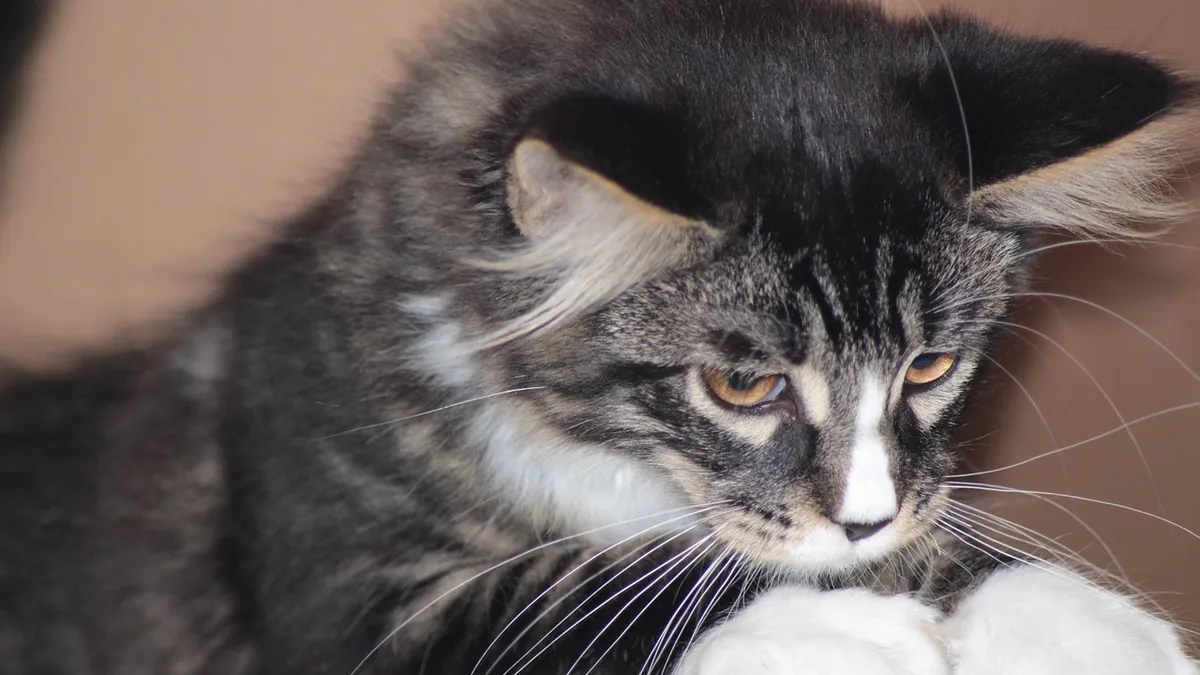
Cat uncontrollable diarrhea means your cat is passing frequent, watery stools and cannot control when they come. It happens when the intestinal tract moves waste through too quickly for the body to absorb water and nutrients properly [1]. Some cases settle in a day or two, but others point to a serious or even life-threatening condition that needs veterinary care [1].
This article is educational and is not a substitute for veterinary diagnosis or treatment.
Quick Answer
- A single soft stool is not an emergency. Frequent, watery, uncontrollable diarrhea, especially with blood, vomiting, or lethargy, needs a vet.
- Sudden diet changes, stress, and intestinal infections are common triggers for short bouts of diarrhea in cats [1].
- Kittens, senior cats, and cats that stop drinking decline fast. Dehydration is the main danger in the first 24 hours.
- Do not give human anti-diarrheal medications unless your veterinarian tells you to. The dose depends on your cat's weight and health.
- Call your vet the same day if diarrhea lasts more than 24 to 48 hours, or go to an emergency clinic now if you see the red flags below.
What Uncontrollable Diarrhea Looks Like in Cats
Normal cat stool is firm, formed, and brown. It holds its shape when you scoop it. A cat with diarrhea passes stool that is soft, watery, or oddly colored (gray or yellow) and often smells unusually foul [1]. When the problem is severe, the stools come often and the cat may not make it to the litter box in time [1].
The large intestine (the colon) normally absorbs water and salts and stores feces until your cat is ready to go [2]. When illness, parasites, or other damage affect the colon, that storage and absorption job breaks down, and diarrhea is the result [2].
Veterinarians sort diarrhea into two broad patterns. Small bowel diarrhea tends to produce large volumes of stool, sometimes with weight loss. Large bowel diarrhea tends to produce frequent, small stools, often with mucus or fresh blood, and a lot of straining. The pattern helps your vet narrow down the cause.
Main Causes of Cat Uncontrollable Diarrhea
Many conditions can cause diarrhea in cats, and the list is long. Here are the ones owners see most often, along with clues that point toward each one.
| Cause | Typical clues | How urgent |
|---|---|---|
| Sudden diet change or dietary upset | Diarrhea started within a day or two of a new food, table scraps, or overeating | Usually mild, watch closely |
| Stress (travel, boarding, new pet, vet visit) | Loose stool during or right after a stressful event, cat otherwise bright | Usually mild, watch closely |
| Intestinal parasites | Diarrhea that lingers, sometimes with mucus, poor coat, kittens most affected | See vet soon |
| Bacterial imbalance in the gut | Ongoing diarrhea, inflammation in the colon, sometimes weight loss | See vet soon |
| Colitis (colon inflammation) | Frequent small stools, straining, mucus or blood, often middle-aged or purebred cats | See vet soon |
| Viral infections (panleukopenia, bocaparvovirus) | Severe diarrhea, vomiting, fever, lethargy, especially in kittens or shelter cats | Emergency |
| Chronic enteropathy or food allergy | Diarrhea lasting weeks, weight loss, poor response to simple diet changes | Routine workup needed |
| Toxins, foreign objects, or organ disease | Sudden severe signs, vomiting, pain, or a cat that seems systemically ill | Emergency |
Diet and stress are the two most common reasons a cat develops a brief bout of diarrhea. An abrupt food change can cause loose stools for a few days, and so can a long car trip or a weekend at a clinic [1]. Kittens are at higher risk because their digestive systems are still adjusting to solid food [1].
Colitis, or inflammation of the colon, can be short-term or long-term. Cats with chronic colitis tend to be middle-aged and are often purebred [2]. In most cases the cause is unknown, though bacterial, parasitic, traumatic, kidney-related, and allergic causes are suspected [2]. The inflammation may stem from an immune system defect in the colon, an exaggerated reaction to dietary or bacterial factors, genetics, or damage from a previous infection or parasite [2].
Gut bacteria play a role too. When researchers transplanted fecal microbes from diarrheic cats into mice, the mice lost weight and showed inflammation and immune cell clumping in the colon, which suggests certain Gram-negative bacteria in diarrheic cats can impair the intestinal barrier and drive inflammation [3]. This is early research, but it supports what vets see in practice: an unhappy gut microbiome and diarrhea often go together.
Viruses matter, especially in shelters and among kittens. Feline panleukopenia virus causes severe intestinal and systemic disease, and shelter environments with susceptible kittens, high turnover, and contamination raise the risk [4]. Feline bocaparvoviruses have also been found in cats with gastrointestinal disease, and co-infections with other enteric pathogens do occur [5]. If your kitten has severe diarrhea and seems sick, treat it as an emergency.
For a deeper look at common triggers and home care, see Cat Diarrhea: Causes, Home Care, and When to Worry.
Red Flags That Make It an Emergency
Some signs mean you should stop reading and call an emergency clinic now.
- Blood in the stool, or black, tarry stool
- Repeated vomiting along with the diarrhea
- A kitten, senior cat, or cat with a chronic illness
- Lethargy, weakness, wobbliness, or a cat that will not get up
- Refusing to eat or drink for more than 12 to 24 hours
- Sunken eyes, tacky gums, or skin that stays tented when you gently pinch it (signs of dehydration)
- Diarrhea that is projectile or constant, with no normal stools in between
- A distended, painful belly, or crying when you touch the abdomen
- Known or suspected exposure to toxins, human medications, or foreign objects
Dehydration is the fastest danger. When diarrhea moves waste through too quickly, the body cannot absorb water and electrolytes such as potassium, which regulate water flow and electrical charges across cell membranes [1]. A cat can lose a lot of fluid in a short time. If your cat with diarrhea is also not drinking, that combination is serious. Read more here: Cat Diarrhea and Not Drinking Water: Dehydration Risks and Care.
Safe Things You Can Do at Home
Home care is for cats that are bright, alert, drinking, and passing only loose stool without blood or vomiting. If any red flag is present, skip this section and call your vet.
Keep fresh water available at all times
Offer multiple water bowls in different spots. Some cats drink more from a fountain. Water is the single most helpful thing you can provide while you wait for a vet visit.
Pause treats and table food
Stop all treats, scraps, milk, and new foods. Keep your cat on its regular diet unless your veterinarian advises a change. Sudden diet changes themselves can cause diarrhea, so do not add more changes on top of the current problem [1].
Offer small, frequent meals
Instead of one large meal, offer a few small portions of the food your cat normally eats. This is gentler on the gut than a big meal.
Keep the litter box clean
Scoop more often than usual. You want to see how many stools your cat passes, what they look like, and whether blood or mucus appears. Take a photo of the stool. Your vet will want that information.
Do not give human medications
Never give over-the-counter human anti-diarrheal drugs, antibiotics, or pain relievers to a cat. Some are toxic to cats, and the correct dose for any medication is calculated by your veterinarian based on your cat's weight and health. There is no safe at-home dose to guess.
Reduce stress
Keep the household calm. Confine your cat to a quiet room with easy access to the litter box, food, and water. Stress alone can trigger loose stools, and a calm environment helps the gut settle [1].
Isolate if you have other cats
Some causes of diarrhea, including viral and parasitic ones, spread between cats. Use a separate litter box and wash your hands after contact until your vet gives you the all clear.
What Your Veterinarian Will Check and Test
Your vet will start with detailed questions about your cat's history and a full physical examination [2]. Expect questions about diet changes, stress, travel, other pets, vaccination status, and how long the diarrhea has lasted.
From there, testing depends on what your vet finds. Common steps include:
- Blood, urine, and fecal samples [2]
- Abdominal x-rays or ultrasound [2]
- Food trials to test for dietary causes of colitis [2]
- Endoscopy or biopsies in chronic or unclear cases [2]
Fecal testing looks for parasites and infectious causes. Bloodwork checks hydration, electrolytes, organ function, and signs of inflammation. Imaging looks for foreign objects, masses, or thickened bowel loops.
Treatment depends on the cause. Parasites get dewormers. Bacterial problems may need targeted antibiotics. Diet-responsive cases often improve with a specific therapeutic diet. One reported case of chronic, nonresponsive enteropathy in a cat improved after transitioning to a high-protein, low-carbohydrate commercial veterinary therapeutic diet, with psyllium husk later added to improve stool quality [6]. That is one case, not a universal recipe, but it shows why nutrition is part of long-term management for chronic diarrhea [7].
If your cat has chronic diarrhea, your vet will likely classify it as small bowel or large bowel based on the signs, because the mechanisms and treatments differ [7]. Nutritional management is a core part of long-term treatment for chronic cases [7].
For help judging severity, see Cat Diarrhea: How to Tell If It's Serious and What to Do.
Prevention and Monitoring
You cannot prevent every cause of diarrhea, but you can lower the odds and catch problems early.
- Change food gradually over 7 to 10 days, mixing increasing amounts of the new food into the old.
- Keep kittens and new cats separated from resident cats until a vet clears them.
- Stay current on vaccines, especially for kittens and cats in shelters or multi-cat homes, since panleukopenia spreads easily in those settings [4].
- Deworm on the schedule your vet recommends.
- Scoop the litter box daily so you notice changes in stool within a day.
- Track weight monthly. Weight loss with diarrhea points toward a chronic problem.
- Note any pattern: does diarrhea follow a certain food, a stressful event, or a season?
If diarrhea keeps coming back, keep a simple log of dates, stool appearance, diet, and any stress events. That log is one of the most useful things you can bring to an appointment.
Limitations and When to Contact a Veterinarian
This article cannot tell you what is causing your cat's diarrhea. Only a veterinarian who examines your cat can do that. Individual cases need a veterinarian, and the timing below is a general guide, not a rule for your cat.
Go to an emergency clinic now if you see: blood or black stool, repeated vomiting, a kitten or senior cat with severe diarrhea, lethargy or weakness, a painful or bloated belly, suspected toxin exposure, or a cat that cannot stand or is unresponsive.
Call your vet the same day if: diarrhea has lasted more than 24 to 48 hours, your cat is eating less, you see mucus or straining, your cat is not drinking normally, or your cat has a chronic illness or is on medication.
Schedule a routine visit if: diarrhea comes and goes over weeks, your cat is losing weight, or stool quality never fully returns to normal.
When in doubt, call. A phone call costs nothing and a vet can tell you whether your cat needs to come in.
Frequently Asked Questions
How long can a cat have diarrhea before it becomes dangerous?
A healthy adult cat with mild diarrhea and no other signs can often wait 24 to 48 hours while you monitor. After that, or sooner if your cat is a kitten, senior, or acting sick, call your vet. Dehydration can develop quickly, and young or frail cats decline fastest.
Can I give my cat human diarrhea medicine?
No. Do not give human anti-diarrheal or pain medications to a cat unless your veterinarian specifically prescribes them. Some are toxic to cats, and the correct dose must be calculated from your cat's weight and health by a veterinarian.
Is uncontrollable diarrhea in cats contagious to other pets?
It depends on the cause. Viral and parasitic causes can spread between cats, so isolate your cat and use a separate litter box until your vet identifies the problem. Wash your hands after handling your cat or cleaning the box.
Should I withhold food from my cat with diarrhea?
No, do not starve your cat. Offer small, frequent meals of its regular food, and skip treats and table scraps. If your vet recommends a specific therapeutic diet, follow that plan exactly.
What does bloody diarrhea in a cat mean?
Blood in the stool means the intestinal lining is inflamed or damaged, and it always deserves a veterinary call. Fresh red blood often points to large bowel problems, while black tarry stool can signal bleeding higher up. Either way, your cat needs to be seen.
Related Articles
- Cat Diarrhea: Causes, Home Care, and When to Worry
- Cat Diarrhea with Mucus: Causes and When to Worry
- Kitten Diarrhea: Causes, Safe Home Care, and Emergency Signs
- Cat Diarrhea and Not Drinking Water: Dehydration Risks and Care
- Cat Diarrhea: How to Tell If It's Serious and What to Do
- Cat Constipation After Diarrhea: Causes and Relief
- Cat Pooping Uncontrollably: Causes and What to Do
- Cat Poop Runny: Causes of Diarrhea and What to Do
- Chronic Diarrhea in Cats With No Other Symptoms
References
- Diarrhea. Cornell University College of Veterinary Medicine.
- Disorders of the Stomach and Intestines in Cats - Cat Owners. Merck Veterinary Manual.
- Gram-Negative Bacterial Overgrowth Predominated by: Potential Association with Intestinal Barrier Impairment and Inflammatory Diarrhea in Cats. Veterinary sciences, 2026.
- Gut Microbiome Disruption in Shelter Cats with Feline Panleukopenia: Virome Co-Detection and Enteric Dysbiosis. Biology, 2026.
- Feline bocaparvovirus in domestic cats with gastrointestinal disease. Veterinary journal (London, England : 1997), 2026.
- Nutritional management of feline chronic enteropathy with evolving dietary response and long-term stabilization. The Canadian veterinary journal = La revue veterinaire canadienne, 2026.
- Feline chronic diarrhea: causes and nutritional management. Veterinary and animal science, 2026.