Cat Throwing Up Brown Liquid: Causes and When to Worry
By Dr. Zubair Khalid, DVM, MS, PhD ·
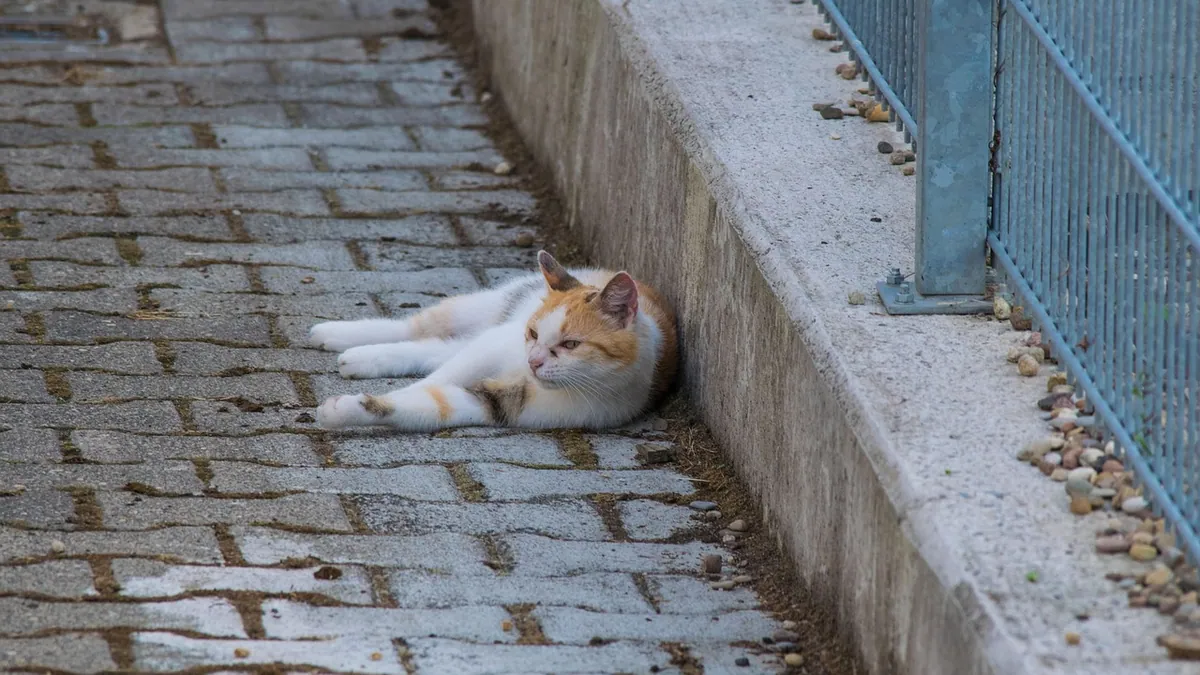
Cat throwing up brown liquid usually means the vomit contains digested blood, bile mixed with food, or material that has sat in the stomach for a while. It can be a minor upset or a sign of internal bleeding or a blockage, so the color and the cat's overall condition both matter. This article is educational and is not a substitute for veterinary diagnosis or treatment.
Quick Answer
- Brown or dark brown vomit often contains digested blood, which can point to bleeding somewhere in the stomach or upper intestine.
- A single episode in a cat that is otherwise bright, eating, and drinking is less alarming than repeated vomiting with lethargy or pain.
- Thick brown sludge or a coffee-ground texture is more concerning than brown-tinged food or hair.
- Stop offering food and water for a short time, then offer small amounts of water, and call your veterinarian.
- Go to an emergency clinic now if the vomiting is repeated, the cat is weak or painful, or you see black tarry stool along with it.
What Brown Vomit Looks Like and What Is Normal
Vomiting in cats is the forceful ejection of stomach and upper small intestine contents through the mouth. It is normally preceded by drooling, repeated swallowing, retching, and strong contractions of the belly and diaphragm [1]. That sequence helps you tell vomiting apart from regurgitation, which tends to happen with little warning and no belly effort.
Normal cat vomit is usually tan, yellow, or the color of the food your cat ate. It may contain hair, since cats swallow loose hair while grooming and hair cannot be digested. Hair tends to clump in the stomach and form a hairball, which cats often vomit up [1]. Longhaired breeds are at higher risk of hairballs and of a hardened mass that can irritate the stomach or block the digestive tract [1].
Brown vomit is different. The brown color can come from:
- Digested blood, which looks like coffee grounds or dark brown sludge
- Bile mixed with food that has been sitting in the stomach
- Dark food, treats, or medication
- Material backed up behind a blockage
If your cat is throwing up brown liquid, the first question your veterinarian will ask is whether the color looks like food, like bile, or like old blood. A photo or a sample in a sealed bag helps.
Cat Throwing Up Brown Liquid: The Main Causes
Many conditions cause vomiting in cats, including digestive disease, kidney or liver failure, pancreatitis, nervous system disorders, poisons, insect stings or snake bites, parasites, infections, inflammation, drugs, swallowed objects, food allergy, and tumors [1]. Brown coloring narrows the list somewhat, because it suggests blood, bile, or retained stomach contents.
Digested Blood (the Most Serious Reason for Brown Vomit)
When blood sits in the stomach and meets stomach acid, it turns dark brown or black. Vomiting blood, called hematemesis, is a recognized sign of serious gastrointestinal disease. In one reported case, a 10-year-old cat was brought in with hematemesis and lethargy, and imaging and surgery found two perforations in the upper duodenum along with severe biliary peritonitis [2]. That cat did not survive despite surgery and intensive treatment [2]. This is an extreme example, but it shows why brown or bloody vomit deserves a prompt exam.
Bleeding can come from ulcers, a foreign object, a tumor, or inflammation. The brown color is the clue that blood has been in the stomach long enough to be digested.
Blockages and Foreign Objects
Cats swallow string, hair ties, toys, bones, and plant material. A foreign object can sit in the stomach or intestine and cause repeated vomiting. In one case, a 1-year-old cat had five days of vomiting and not eating, and testing showed yellowing of the skin and eyes with high bilirubin and liver enzymes. A CT scan found a doughnut-shaped foreign object in the upper duodenum pressing on the common bile duct, and surgery to remove it led to a full recovery [3].
A blockage can also cause brown vomit because food and fluid back up behind the obstruction. Hairballs can do the same thing if they harden into a dense mass [1].
Liver, Gallbladder, and Bile Duct Problems
The biliary system drains bile from the liver. When it is blocked or inflamed, bile can build up and cause vomiting, not eating, and yellowing of the skin and gums. The foreign body case above is one example of extrahepatic biliary obstruction in a cat [3]. Bile-related disease can also cause peritonitis, which is inflammation of the abdominal lining [2].
Stomach and Intestinal Inflammation
Gastritis and enteritis can cause vomiting of food, bile, or brown fluid. Causes include infections, parasites, food allergy, drugs, and toxins [1]. Many of these cats improve with supportive care, but the brown color still needs a veterinarian's eyes.
Other Internal Causes
Vomiting is a common sign of problems outside the gut. A 3.5-year-old cat with a two-week history of lethargy and intermittent vomiting was found to have a septic spleen, an uncommon infection of the spleen, and recovered after surgery and a four-week course of an antibiotic [4]. Another cat with a month of coughing, weight loss, and poor appetite turned out to have a liver abscess caused by a grass awn that had migrated from the lung [5]. These are rare, but they show that vomiting rarely has just one possible cause.
Cause Table
| Cause | Typical clues | How urgent |
|---|---|---|
| Digested blood from ulcers or bleeding | Dark brown or coffee-ground vomit, black tarry stool, weakness | Emergency now |
| Foreign object or blockage | Repeated vomiting, not eating, belly pain, no stool | Emergency now |
| Bile duct or gallbladder problem | Yellow gums or skin, brown or yellow vomit, not eating | Same day |
| Hairball or hair mass | Hair in the vomit, longhaired breed, occasional episodes | Routine visit if repeated |
| Gastritis or enteritis | Vomiting food or bile, mild lethargy, still drinking | Same day to routine |
| Spleen, liver, or other internal disease | Weight loss, fever, poor appetite, belly pain | Same day |
| Food or medication reaction | Vomiting soon after eating or a new drug | Call your veterinarian |
Red Flags That Make It an Emergency
Some signs mean you should not wait for a regular appointment.
- Repeated vomiting in a single day, especially more than three or four times
- Vomit that looks like coffee grounds or dark brown sludge
- Black, tarry stool or visible blood in stool
- Weakness, collapse, pale gums, or fast breathing
- A belly that looks swollen or feels painful when touched
- Unproductive retching with nothing coming up
- Known or suspected swallowing of string, a toy, or another object
- Yellow gums, skin, or whites of the eyes
- Not eating or drinking for more than 24 hours
Vomiting can be caused by poisons and envenomation, including insect stings and snake bites [1]. If you suspect a poison, call your veterinarian or a pet poison hotline right away.
Safe Things You Can Do at Home While You Wait
Home care is about keeping your cat stable until you reach a veterinarian. It does not replace an exam.
- Take a photo of the vomit or scoop a sample into a sealed plastic bag. Color and texture help your veterinarian.
- Remove food for a few hours if your cat is otherwise bright. Offer small amounts of water instead of a full bowl.
- Do not give human medications. Never give ibuprofen, acetaminophen, or aspirin to a cat.
- Keep your cat indoors and away from garbage, string, and small objects.
- Note the time of each episode, what it looked like, and whether your cat ate, drank, urinated, or passed stool.
- Check the gums. Pink is normal. Pale, white, yellow, or blue gums need emergency care.
- If your cat vomits after drinking water, offer only a few laps at a time and watch closely. See Cat Vomiting After Drinking Water: Causes and When to Worry.
If the vomit is yellow or foamy instead of brown, that often points to an empty stomach or bile reflux. You can read more in Cat Vomiting Yellow Liquid: What It Means and My Cat Threw Up Yellow Liquid.
What Your Veterinarian Will Check and Test
Your veterinarian will start with a full history. They will ask about the color and timing of the vomit, diet, possible object swallowing, other pets, and any medications. Then they will do a physical exam, checking hydration, gum color, belly pain, and weight.
Common next steps include:
- Blood work to check organ function, blood count, and electrolytes
- A stool check for parasites and hidden blood
- X-rays to look for objects, gas patterns, or a blockage
- Ultrasound to look at the stomach, intestines, liver, gallbladder, and spleen
- A test for pancreatitis if the history fits
- A fecal or blood test for infection if fever is present
Imaging is often the deciding step. In the duodenal perforation case, X-rays showed a large amount of free gas in the abdomen, and CT found the two perforations after ultrasound was limited by severe inflammation [2]. In the foreign body case, ultrasound and CT pinpointed the object pressing on the bile duct [3]. In the spleen case, ultrasound found a nodular spleen and a needle sample showed bacteria inside white blood cells [4].
Treatment depends on the cause. It may include fluids, anti-nausea medication, antibiotics, a special diet, or surgery. If your cat needs an antiemetic, your veterinarian will choose the drug and calculate the dose from your cat's weight and health. One review found that maropitant reduced the risk of vomiting in cats compared with control in the studies it examined [6]. That does not mean every vomiting cat needs it, and the choice is your veterinarian's.
Prevention and Monitoring
You cannot prevent every cause of brown vomit, but you can lower some risks.
- Brush your cat regularly, especially longhaired breeds, to reduce swallowed hair [1].
- Keep string, hair ties, toys with small parts, bones, and plastic bags out of reach.
- Feed a consistent diet and change foods slowly.
- Store medications, human foods, and household chemicals where your cat cannot reach them.
- Watch for early signs like drooling, lip licking, and going off food.
- Keep up with parasite prevention and routine exams.
- Track episodes in a note on your phone, including color, time, and what your cat ate.
If your cat has had more than one episode of brown vomit in a week, or if the color keeps coming back, book a visit even if your cat seems fine between episodes. Repeated small bleeds can add up.
Limitations and When to Contact a Veterinarian
No article can tell you what is causing your cat's vomiting. Only a veterinarian who examines your cat can do that. Individual cases need a veterinarian, and the timing below is a guide, not a rule.
Call an emergency clinic now if you see dark brown or coffee-ground vomit, black tarry stool, collapse, pale gums, a painful or swollen belly, unproductive retching, or a suspected swallowed object.
Call your veterinarian the same day if your cat vomited brown liquid more than once, is not eating, is hiding, has yellow gums or skin, or has a fever.
Book a routine visit if your cat has occasional hairballs, mild vomiting that resolves, or a single episode with no other signs. Bring a photo of the vomit and a list of what your cat ate in the last 48 hours.
Frequently Asked Questions
Is brown vomit always blood?
No. Brown vomit can be digested blood, but it can also be bile mixed with food, dark food, or material backed up behind a blockage. Only your veterinarian can tell the difference, and the texture matters. Coffee-ground or sludge-like vomit is more suspicious for blood than brown-tinged food.
What does dark brown vomit in a cat mean?
Dark brown vomit often means blood has been sitting in the stomach long enough to be digested. It can also mean food has stayed in the stomach a long time. Either way, dark brown vomit is a reason to call your veterinarian promptly.
Can a hairball cause brown vomit?
Yes, a hairball can come up with brown fluid from the stomach. Hair cannot be digested and clumps in the stomach, and longhaired cats are at higher risk of a hardened mass that irritates the stomach or blocks the tract [1]. If hairballs happen often or come with not eating, ask your veterinarian to check for a blockage.
Should I feed my cat after it throws up brown liquid?
Wait a few hours, then offer a small amount of water. If your cat keeps it down and seems bright, offer a small bland meal. If vomiting repeats, stop and call your veterinarian. Do not force food or water on a cat that is weak or painful.
How long can I wait before calling the vet?
Call right away if the vomiting is repeated, the cat is lethargic, or the vomit looks like coffee grounds. A single episode in a bright cat can be watched for a few hours. When in doubt, call. It is always safer to ask than to wait.
Related Articles
- My Cat Throw Up Yellow Liquid
- My Cat Is Throwing Up Yellow Liquid
- My Cat Threw Up Yellow Liquid
- Cat Vomiting Yellow Liquid: What It Means
- Cat Vomiting After Drinking Water: Causes and When to Worry
- Cat Vomiting Yellow Liquid But Acting Normal
- Cat Throwing Up Pink or Brown Liquid: What It Means
- Cat Throwing Up Spit, Saliva, or Foam: Causes
- Cat Vomiting and Not Eating: Causes and When to Worry
References
- Vomiting in Cats - Cat Owners. Merck Veterinary Manual.
- Biliary Peritonitis Secondary to Proximal Duodenal Perforation in a Cat. Veterinary radiology & ultrasound : the official journal of the American College of Veterinary Radiology and the International Veterinary Radiology Association, 2026.
- Rare case of extrahepatic biliary obstruction caused by a duodenal foreign body in a cat. JFMS open reports, 2025.
- Successful Management of Septic Splenitis in an Abyssinian Cat. Veterinary medicine and science, 2026.
- Hepatic abscess caused by an inhaled migrating grass awn in a cat: first description and minimally invasive surgical approach. JFMS open reports, 2026.
- Receptor-Targeted Antiemetic Strategies in Cats: A Systematic Review and Intervention-Specific Meta-Analysis. Veterinary medicine and science, 2026.