Why Is My Cat So Vocal? Understanding Excessive Meowing
By Dr. Zubair Khalid, DVM, MS, PhD ·
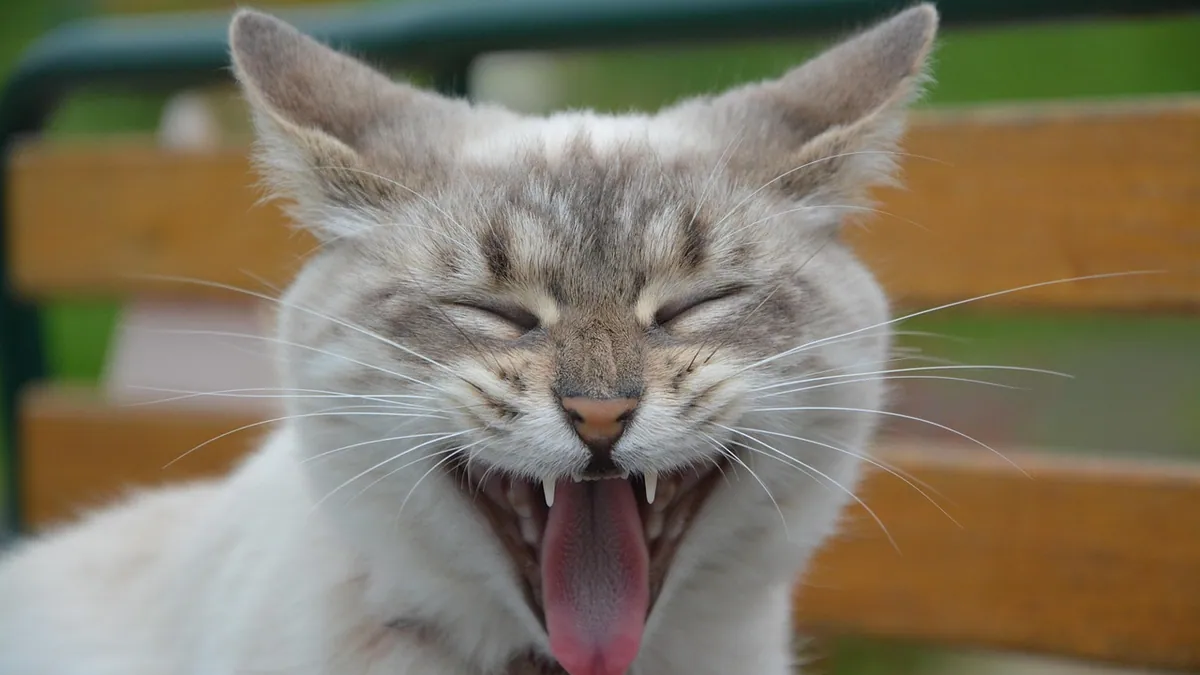
If you are asking why is my cat so vocal, the short answer is that meowing is your cat's main way of talking to you, not to other cats. Most vocal cats are asking for something, feeling stressed, or simply bred to chat. Some cats, though, meow more because of a medical problem that needs treatment.
This article is educational and is not a substitute for veterinary diagnosis or treatment.
Quick Answer
- Adult cats meow almost exclusively at people, not at each other, so a vocal cat is usually trying to communicate with you [1].
- Siamese and some other breeds meow and yowl far more than average, and that can be completely normal for them [1].
- A sudden increase in meowing, especially in an older cat, can signal pain, thyroid disease, or another medical issue.
- Cats that vocalize excessively along with hiding or withdrawing tend to have higher stress hormone levels, so the behavior deserves attention [2].
- Never punish meowing. Address the cause instead, and call your vet if the change is sudden or comes with other symptoms.
Normal Reasons Cats Talk So Much
Meowing Is for People
The cat's meow is her way of communicating with people [1]. This is the single most useful fact for understanding a chatty cat. Kittens meow to tell their mother they are cold or hungry, but once they get a bit older, cats no longer meow at other cats [1]. They keep meowing at people throughout their lives, probably because meowing gets people to do what they want [1].
So when you wonder why your cat talks so much, the honest answer is often that it works. You get up, you feed her, you open the door. She learns fast.
Breed and Personality
Some cats are simply more verbal than others. Some breeds, notably the Siamese, are prone to excessive meowing and yowling [1]. If you share your home with one of these breeds, a running commentary may be her baseline.
Routine Requests
Hunger is the classic trigger. Many cats start talking well before mealtime and escalate until the bowl appears. Boredom, wanting to play, wanting a door opened, or wanting your lap are other everyday reasons. These meows tend to be directed at you, happen at predictable times, and stop once the need is met.
Hormonal and Reproductive Behavior
An unspayed female cat in heat yowls, and adult cats do yowl at one another during breeding season [1]. If your cat was spayed but shows cyclical meowing with rolling and posturing, a rare condition called ovarian remnant syndrome is possible. In one reported case, a spayed cat showed estrus-like behavior with vocalization every three weeks, and a tiny 2 mm piece of ovarian tissue was eventually found and removed [3]. This is uncommon, but it is a real reason a spayed cat can act like she is in heat.
Stress and Emotional State
Cats vocalize more when they are anxious, frustrated, or unsettled. In a study of 34 domestic cats, cats showing behaviors such as isolation and excessive vocalization had higher hair cortisol levels, a marker of longer-term stress [2]. That does not mean every vocal cat is stressed, but a cat who meows a lot and also hides or withdraws is telling you something.
If the vocalizing comes with clingy behavior, our guide to Why Is My Cat Suddenly Clingy? may help you sort out what changed.
Medical Causes to Rule Out
A sudden change in vocalization, especially in a middle-aged or older cat, deserves a veterinary exam. Common medical triggers include:
- Hyperthyroidism. An overactive thyroid often causes loud, persistent vocalizing, especially at night, along with weight loss despite a good appetite and increased activity.
- Pain. Arthritis, dental disease, and other painful conditions can make a cat vocalize, particularly when moving, jumping, or being handled.
- Cognitive dysfunction. Older cats with declining brain function may yowl, seem disoriented, and vocalize at night.
- Vision or hearing loss. A cat who cannot see or hear you well may meow more loudly to locate you or get your attention.
- High blood pressure and kidney disease. These are more common in senior cats and can change behavior and vocalization.
- Hunger from a medical cause. Diabetes, intestinal disease, and parasites can all increase appetite and food-related meowing.
Your veterinarian will decide which tests are needed. There is no single test that explains excessive meowing, so the workup is tailored to your cat's age, history, and exam findings.
When Meowing Becomes a Problem
When does meowing become excessive? That is a tough call to make, as it is really a personal issue [1]. All cats are going to meow to some extent, and this is normal communication behavior [1]. Some cats just meow more than their pet parents would like [1].
A practical way to judge: is the meowing new, is it getting worse, and is it affecting sleep, neighbors, or your cat's quality of life? If the answer to any of those is yes, it is worth acting on. A cat who was quiet for years and now yowls at 3 a.m. is not being dramatic. Something changed.
If you are unsure whether the pattern warrants a visit, Cat Meowing Excessively: When to See a Vet walks through the decision.
What to Do: A Step-by-Step Plan
Step 1: Get a Veterinary Exam
Start here, particularly if the meowing is new or your cat is over 8 years old. A physical exam, weight check, and basic bloodwork can catch thyroid disease, pain, and other treatable problems. Behavior plans fail when an underlying medical issue is missed.
Step 2: Keep a Simple Log
For one week, note when the meowing happens, what you were doing, and what happened next. Patterns jump out fast. A cat who meows only between 4 and 6 a.m. has a different problem than one who meows all day.
Step 3: Meet Needs Before the Meowing Starts
If hunger drives the noise, feed on a consistent schedule and consider a puzzle feeder or a small portion offered right before your cat's usual demanding hour. If play drives it, schedule two active play sessions a day with wand toys and end with a meal or a treat. A tired, fed cat is a quieter cat.
Step 4: Enrich the Environment
Indoor cats do best with intentional enrichment. In one study, indoor cats were associated with more enriched environments, including litter boxes, hiding places, vertical spaces, and predatory stimuli [2]. Give your cat window perches, scratching posts, climbing shelves, and toys that mimic hunting. Boredom is a common and fixable cause of vocalizing.
Step 5: Teach Quiet, Gently
Reward silence. When your cat is quiet, offer calm attention or a treat. When she is mid-meow for attention, wait for a pause before you respond. This takes consistency and patience, and it works best alongside enrichment, not instead of it.
Step 6: Handle Night Waking
Do not get up and feed a cat who yowls at 3 a.m. unless your veterinarian has told you to. Instead, offer a vigorous play session and a meal right before bed, keep the room dark, and use white noise. If your cat is older, ask your vet about cognitive dysfunction, which often shows up as nighttime vocalizing.
What Not to Do
Do not punish meowing. Yelling, spraying water, or startling your cat adds stress and can make vocalizing worse. Punishment also damages the relationship that makes training possible.
Do not ignore a sudden change. A quiet cat who becomes loud is a medical question first, a training question second.
Do not assume it is just the breed. Breed tendencies are real, but they do not explain a cat who suddenly starts yowling after years of normal behavior.
Do not free-feed to stop the noise. This can worsen weight problems and does not address the cause.
Do not rely on myths. There is no evidence that cats meow to "dominate" you, and meowing is not a sign of spite. It is communication, and it usually has a solvable trigger.
Getting Help From a Professional
Call your veterinarian if the meowing is new, worsening, or paired with weight loss, appetite changes, vomiting, diarrhea, limping, or confusion. If your cat checks out medically and the behavior continues, ask for a referral to a veterinarian who focuses on behavior. A certified behavior professional can build a plan for anxiety, attention-seeking patterns, and nighttime vocalizing.
If your cat's vocalizing comes with other repetitive behaviors, such as overgrooming, see Why Is My Cat Grooming So Much?. If she is also shaking her head or pawing at her ears, Why Is My Cat Shaking Her Head And Ears covers possible ear problems.
Limitations and When to Contact a Veterinarian
No article can tell you why your individual cat is vocal. That requires an exam, a history, and often lab work. Your veterinarian sets the plan for your cat.
Contact a veterinarian the same day if:
- Your cat is vocalizing and straining to urinate, especially a male cat. This can be a life-threatening blockage.
- She is crying out in pain, panting, or cannot settle.
- She is vocalizing with vomiting, diarrhea, or not eating.
- She suddenly seems disoriented, wobbly, or unable to find her usual spots.
Go to an emergency clinic now if:
- Your cat is open-mouth breathing, collapsed, or unresponsive.
- She is vocalizing while pressing her head against walls or staring at nothing.
- You suspect she ate something toxic. Call the ASPCA Animal Poison Control Center at (888) 426-4435.
Schedule a routine visit if:
- The meowing is gradually increasing over weeks.
- Your older cat has started yowling at night.
- Your cat is losing weight despite eating well.
- The behavior is disrupting sleep or your household.
Frequently Asked Questions
Why does my cat talk so much more than other cats?
Breed, personality, and learned habits explain most differences. Siamese and related breeds are known for heavy vocalizing, and cats who get a response from meowing tend to keep doing it. If the increase is recent, have your vet check for medical causes.
Why is my kitten very vocal?
Kittens meow to signal needs such as hunger, cold, or wanting company, which is normal for their age. Most kittens settle into a pattern as they mature and learn your household routine. If your kitten cries constantly, seems unwell, or is not gaining weight, call your veterinarian.
Are cats vocal with each other?
Adult cats do not meow at each other in normal social situations. They do yowl at one another during breeding season, which sounds longer and more drawn out than a typical meow. Meowing is mostly reserved for communicating with people.
Can excessive meowing mean my cat is in pain?
Yes, pain is a common reason for increased vocalizing, especially in older cats with arthritis or dental disease. A cat who meows when moving, jumping, or being touched should be examined. Treatment for the underlying pain often reduces the noise.
Does spaying or neutering stop a cat from being vocal?
It usually reduces hormonal vocalizing tied to breeding behavior, but it does not change a cat's basic personality or breed tendency. If a spayed cat still shows cyclical heat-like behavior with loud yowling, ask your vet about ovarian remnant syndrome, a rare condition that can require surgery to resolve.
Related Articles
- Cat Excessive Meowing: What Is Your Cat Trying to Say?
- Cat Meowing Excessively: When to See a Vet
- Why Is My Cat Grooming So Much?
- Why Is My Cat Shaking Her Head And Ears
- Why Is My Cat Suddenly Clingy?
- Why Is My Cat Drinking So Much Water?
- Why Do Cats Yowl? Causes of Excessive Meowing
- Why Is My Senior Cat Meowing Constantly?
- Why Is My Cat's Voice Changing? Causes and When to Worry
References
- Meowing and Yowling. ASPCA Animal Poison Control Center.
- Stress in Indoor and Outdoor Cats: Association between Hair Cortisol Levels, Housing Style, and Guardians' Perceptions of Behavior. Journal of applied animal welfare science : JAAWS, 2026.
- Ovarian remnant syndrome in a 2-year-old cat with inconclusive diagnostics. JFMS open reports, 2026.