Why Is My Cat Grooming Another Cat?
By Dr. Zubair Khalid, DVM, MS, PhD ·
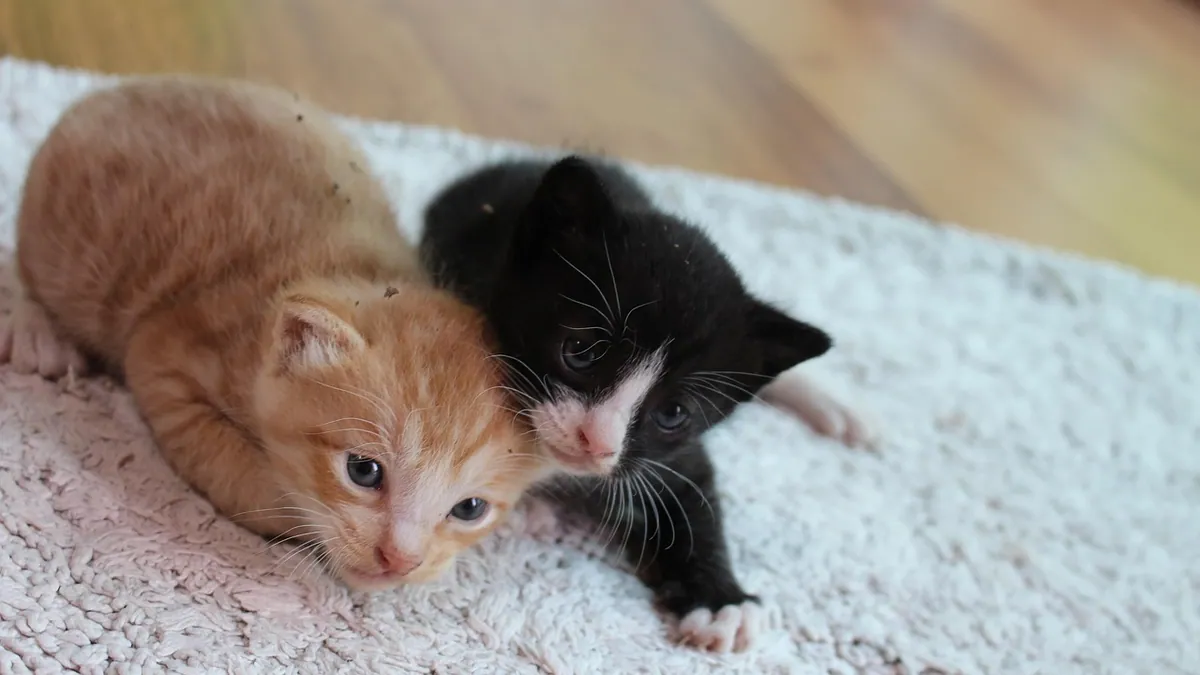
Cat grooming other cat is one of the most common social behaviors in multi-cat homes. In most cases, one cat licking another is a normal, friendly act called allogrooming, and it helps cats bond and keep each other clean. Problems start when the grooming becomes one-sided, constant, or leaves bald spots or sore skin.
This article is educational and is not a substitute for veterinary diagnosis or treatment.
Quick Answer
- Allogrooming (one cat grooming another) is normal cat social behavior and is usually a sign of a friendly relationship.
- Grooming turns into a problem when it is one-sided, hard to interrupt, or causes hair loss, redness, or sores on the other cat.
- Stress, pain, and skin disease can all drive a cat to overgroom a housemate, and the two often overlap [1].
- A veterinarian should examine the cat being overgroomed and the cat doing the grooming, because either one can be the source of the problem.
- Punishment does not fix overgrooming and usually makes stress worse, so the fix is environmental and behavioral, plus medical care when needed.
What Is Allogrooming in Cats?
Allogrooming is the technical term for social grooming between animals. When one cat licks another cat, it is often doing what cats do with trusted companions: sharing scent, calming a friend, and reinforcing a social bond.
Cat-cat interactions in group settings are usually infrequent and mostly friendly. In one study of cats living together in a cat café, cat-cat interactions happened about 0.58 times per cat per hour, and about 51.9% of those interactions were affiliative, meaning friendly or neutral instead of aggressive [2]. Cats also used avoidance to prevent conflict, which is a normal cat strategy [2]. In a typical home, a pair of bonded cats may groom each other daily, and that is nothing to worry about.
Normal allogrooming usually has these features:
- It goes both ways over time. Each cat grooms the other at least sometimes.
- It targets the head, neck, and shoulders, spots a cat cannot easily reach alone.
- It stops on its own. The cat being groomed can walk away or end the session without a fight.
- The skin underneath looks normal. No bald patches, no redness, no scabs.
Why Does One Cat Groom Another Cat?
Social bonding and affection
Cats that share a home often form a social group, and grooming is part of how that group works. Grooming another cat spreads familiar scent and can lower tension. It is a friendly signal, similar to a slow blink or sleeping near each other.
Comfort and self-soothing
Grooming is a calming behavior for cats. A cat that feels mildly anxious may groom a companion as a way to settle itself. This is normal in small amounts. It becomes a concern when the grooming is the cat's main way of coping and it does not stop.
Redirected maternal or social behavior
Some cats groom housemates the way a mother cat grooms kittens. This is more common in cats that were socialized well or that live with a cat they treat like family. It is usually harmless.
Medical or stress-driven overgrooming
Overgrooming is when grooming goes past normal care and starts damaging skin or coat. Stress can cause cats to create skin and coat lesions, including hair loss, ulcers, and self-mutilation [1]. The same stress can spill over into grooming a housemate. Health problems can also cause pain or itch, which raises stress and increases grooming [1]. Hair loss in cats is often linked to endocrine, hereditary, infectious, allergic, parasitic, or self-induced causes [3].
Medical Causes to Rule Out
Before you assume this is purely behavioral, have both cats checked. A veterinarian will look for problems in the cat being groomed and in the cat doing the grooming.
Problems in the cat being overgroomed
- Parasites such as fleas or mites
- Skin infections, including fungal or bacterial infections
- Allergies, including food and environmental allergies
- Pain or arthritis that makes the cat less able to groom itself, so the other cat steps in
- Endocrine disease, which can change coat and skin health
Hair loss in cats has many possible causes, and a veterinarian needs to sort out which one fits your cat [3]. If you are seeing patchy coat loss, see Why Is My Cat Losing Hair?.
Problems in the cat doing the grooming
- Itch or skin disease that makes the cat groom more in general
- Pain anywhere in the body
- Anxiety or stress from changes at home
- Compulsive grooming that has become a habit
Stress and skin health feed each other. A stressed cat can damage its own skin and coat, and a cat with a skin or health problem can become more stressed, which increases grooming [1]. That is why treatment usually needs to address both the body and the behavior at the same time [1].
When Cat Grooming Another Cat Becomes a Problem
Warning signs to watch for
- Bald spots or thin patches on the cat being groomed
- Red, raw, crusty, or broken skin
- The grooming is one-sided and constant
- The cat being groomed cannot escape, hides, or hisses when the other cat approaches
- The grooming happens at night or when the house is quiet, and it wakes you up
- The grooming cat ignores toys, food, or play and keeps grooming
- Weight loss, appetite change, or litter box changes in either cat
A bald spot from overgrooming is a real medical finding, not a cosmetic issue. If you see one, book a veterinary visit. For more on this pattern, see Why Is My Cat pulling out fur in clumps? Psychogenic Alopecia and Over-Grooming.
Why one-sided grooming matters
Normal allogrooming is mutual and gentle. When one cat does all the grooming and the other cat cannot stop it, the relationship has shifted. The cat being groomed may be stressed, painful, or simply trapped. The cat doing the grooming may be anxious, itchy, or in pain. Either way, the behavior is a signal, not a personality quirk.
What to Do: Step by Step
Step 1: Separate and observe
Give each cat its own quiet space for a few days. Watch who grooms, when, and what the skin looks like. Take clear photos of any bald spots or sores so you can show your veterinarian whether they are growing.
Step 2: Book a veterinary exam for both cats
Bring both cats in, or at least the cat with skin changes and the cat doing the heavy grooming. Your veterinarian will check for parasites, infection, allergies, pain, and endocrine disease. Skin and coat health is tied to behavioral health, so both need a look [1].
Step 3: Treat the medical problem first
If there is an itch, infection, or pain source, treating it often reduces grooming on its own. Hair loss in cats usually improves when the underlying disorder is found and corrected [3]. Do not start behavior plans until medical causes are addressed.
Step 4: Lower stress in the home
- Add vertical space. Cats in group housing used elevated structures more, especially when the space was busy [2].
- Provide separate resources: food bowls, water bowls, litter boxes, beds, and scratching posts. The general rule is one per cat plus one extra.
- Give each cat a room or zone it can reach without passing the other cat.
- Keep routines steady. Feed, play, and clean at the same times each day.
- Use pheromone diffusers or sprays if your veterinarian recommends them.
Step 5: Redirect the grooming cat
When you see grooming start, interrupt gently with a toy, a treat toss, or a call to another room. Then give the cat something to do: a puzzle feeder, a wand toy session, or a window perch. You are not scolding. You are offering a different behavior.
Step 6: Build a daily play routine
Two short play sessions a day, morning and evening, can drain energy and lower anxiety. End each session with a small meal or treat so the cat feels finished. A tired, well-fed cat grooms less.
Step 7: Reintroduce slowly if you separated them
If the cats were apart, bring them back together in short, supervised visits. Feed them on opposite sides of a baby gate or cracked door. Increase time only when both cats stay relaxed.
Step 8: Track progress
Keep a simple log: date, time, how long the grooming lasted, and what the skin looked like. Bring it to follow-up visits. Behavior change takes weeks, not days.
What Not to Do
Do not punish either cat
Yelling, spraying water, or startling the grooming cat adds stress. Stress is one of the drivers of overgrooming, so punishment can make the problem worse [1].
Do not assume it is just affection
If there is hair loss or sore skin, it is not simple affection. A bald spot means the grooming has crossed into damage.
Do not separate them forever without a plan
Permanent separation is sometimes needed, but it should be a decision made with your veterinarian or a behavior professional. Sudden, permanent separation can add its own stress.
Do not rely on medication alone
One controlled study found no evidence that clomipramine alone reduced grooming episodes, alopecia, or improved hair regrowth in cats with psychogenic alopecia [4]. Medication may still help some cats, but it works best as part of a full plan that includes behavior and environmental change [4]. Your veterinarian decides whether medication is right and calculates the dose from your cat's weight and health.
Do not skip the vet because the behavior looks "emotional"
Overgrooming and skin lesions need both physical and behavioral causes addressed together [1]. A behavior-only plan can miss an itch, infection, or pain source.
When to Call a Veterinarian or Behavior Professional
Call your veterinarian if:
- You see a bald spot, sore, scab, or broken skin
- The grooming is one-sided and constant
- The cat being groomed hides, avoids, or shows fear
- Either cat stops eating, loses weight, or changes litter box habits
- The behavior started after a move, new pet, new baby, or schedule change
- Home changes have not helped after two to four weeks
Ask for a referral to a veterinary behaviorist or a certified cat behavior consultant if the problem continues after a medical workup and basic environmental changes. A board-certified veterinary behaviorist can prescribe medication and design a full plan.
Limitations and When to Contact a Veterinarian
This article cannot tell you what is happening in your specific cats. Individual cases need a veterinarian who can examine the skin, run tests, and see the cats in person.
Contact a veterinarian the same day if:
- You find open sores, bleeding, or signs of infection such as pus or foul smell
- The cat being groomed is painful when touched or cries out
- Either cat stops eating or drinking
Go to an emergency clinic now if:
- There is heavy bleeding or a large open wound
- Either cat is struggling to breathe, collapsed, or unresponsive
- You suspect poisoning. Call the ASPCA Animal Poison Control Center at (888) 426-4435 or the Pet Poison Helpline at (855) 764-7661.
Schedule a routine visit within a few days if:
- You see thinning coat or a small bald spot
- The grooming is increasing but the skin still looks normal
- You want help building a behavior plan
Frequently Asked Questions
Is it normal for one cat to groom another cat?
Yes, allogrooming is normal social behavior between cats that live together. It usually targets the head and neck, goes both ways over time, and stops on its own. It only becomes a concern when it is one-sided, constant, or damages the skin.
Why does my cat lick the other cat so much?
A cat may lick a housemate for bonding, comfort, or because it is stressed or itchy. If the licking is constant or the other cat cannot get away, a veterinary exam is the next step. Stress and skin disease can both increase grooming [1].
Can overgrooming cause a bald spot on my cat?
Yes, overgrooming can remove hair and leave bald patches, and stress-related grooming can also cause ulcers and skin damage [1]. Hair loss in cats has many causes, so a veterinarian should examine any bald spot [3]. Do not assume it is only behavioral.
Should I separate my cats if one keeps grooming the other?
Short-term separation can help you observe both cats and give the groomed cat a break. Long-term separation should be planned with your veterinarian or a behavior professional. Sudden permanent separation can add stress for both cats.
Will medication stop my cat from overgrooming?
Medication may help some cats, but it is not a stand-alone fix. One controlled study found no evidence that clomipramine alone reduced grooming or improved hair regrowth [4]. A full plan includes medical treatment, behavior work, and home changes [1]. Your veterinarian decides if medication is appropriate and sets the dose.
Related Articles
- Why Is My Cat Grooming So Much?
- Why Is My Cat pulling out fur in clumps? Psychogenic Alopecia and Over-Grooming
- Why Is My Cat Licking Herself Bald? Causes and Treatment
- Why Is My Cat Losing Hair?
- Why Is My Cat Suddenly Aggressive Towards Other Cats?
- Why Is My Cat So Itchy?
- Why Do Cats Groom Each Other? Allogrooming Explained
- Why Is My Cat Ripping Out His Fur? Over-Grooming Causes
- Cat Not Grooming: Why It Happens and What to Do
References
- Skin Disease and Behavior Changes in the Cat. The Veterinary clinics of North America. Small animal practice, 2024.
- Cats in a Cat Café: Individual Cat Behavior and Interactions with Humans. Animals : an open access journal from MDPI, 2025.
- Alopecia management from a comparative perspective: pharmacological and pharmaceutical insights in humans, dogs, and cats. Frontiers in veterinary science, 2026.
- Does treatment with clomipramine reduce cat psychogenic alopecia?. Veterinary evidence, 2022.