Why Is My Senior Cat Meowing Constantly?
By Dr. Zubair Khalid, DVM, MS, PhD ·
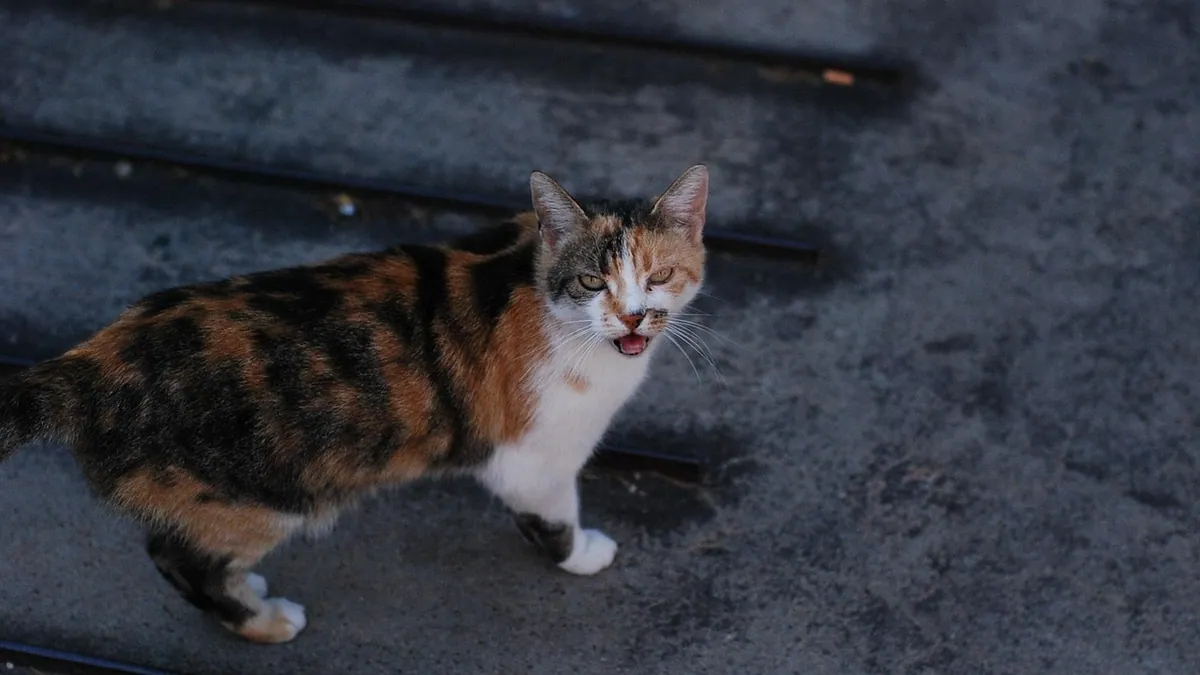
A senior cat who meows constantly is usually trying to tell you something, and in older cats the list of possible messages is longer than it was when they were young. Some causes are simple, like hunger or a closed door. Others are medical, including hyperthyroidism, kidney disease, high blood pressure, pain, and feline cognitive dysfunction. Sorting out which one applies to your cat starts with a veterinary visit, not with guessing.
This article is educational and is not a substitute for veterinary diagnosis or treatment.
Quick Answer
- Adult cats meow almost exclusively at people, not at each other, so constant meowing in a senior cat is communication aimed at you [1].
- More than half of cats aged 11 to 15 show signs of cognitive decline, and the number rises above 80% by age 16 to 20 [2].
- In one screening study of 549 older cats, hyperthyroidism was diagnosed in about 19% and azotemic chronic kidney disease was also common, often with signs owners had dismissed as normal aging [3].
- A senior cat who meows more should see a veterinarian for an exam and baseline bloodwork, because many treatable conditions look like "just getting old" [2].
- Punishment does not work for meowing. It adds stress and can make the vocalizing worse.
Why Senior Cats Meow More: Normal Reasons First
Meowing is a behavior cats reserve for humans. Kittens meow to their mother when they are cold or hungry, but once they mature, cats stop meowing at each other and keep meowing at people, probably because it works [1]. Your cat meows because you respond. You feed, open doors, pet, or at least look up.
Some cats are simply talkative. Siamese and related breeds are known for excessive meowing and yowling [1]. If your senior cat has always been vocal, a higher volume of meowing may be less alarming than a sudden change in a quiet cat.
Normal reasons a senior cat may meow more include:
- Hunger, especially if meals shifted or a diet changed
- Boredom or a request for attention
- A closed door, an empty water bowl, or a litter box that needs scooping
- Hearing loss, which makes cats louder because they cannot hear themselves
- Changes in the household, such as a new schedule, a move, or a new pet
Yowling is different from meowing. It is longer and more melodic, and adult cats do yowl at each other during breeding season [1]. In a spayed or neutered senior cat, frequent yowling usually points to something else.
Medical Causes to Rule Out
This is the part that matters most. Older cats get sick in ways that change behavior before they show obvious symptoms. A study of 129 cats aged 12 and older whose owners described them as healthy found that every single cat had an abnormality on physical examination, most often dental disease, and orthopedic disease was found in about 78% of the cats examined for it [4]. Diagnostic testing turned up a high rate of previously unrecognized disease, including chronic kidney disease in about 61% of cats tested and hypertension in a large share of others [4].
In other words, "he seems fine except for the meowing" is not reassurance. It is a reason to book an appointment.
Hyperthyroidism
Hyperthyroidism is one of the most common endocrine diseases in older cats [5]. An overactive thyroid speeds up metabolism and can make cats restless, hungry, and vocal. Many hyperthyroid cats also develop heart changes, including enlargement of the heart muscle and dilation of the left atrium, though these often improve once thyroid hormone levels are brought back to normal [5].
Treatment options include radioiodine therapy, surgery, medication, and iodine-restricted diets, and definitive options like radioiodine and thyroidectomy are the most successful at restoring normal hormone levels [5]. Cats with pre-existing heart disease such as hypertrophic cardiomyopathy may not see their cardiac changes reverse [5]. Your veterinarian will decide which treatment fits your cat.
Chronic Kidney Disease and Hypertension
Kidney disease and high blood pressure are common in senior cats and often silent early on [4][3]. Both can cause nausea, discomfort, night waking, and vocalizing. Bloodwork, a urine test, and a blood pressure reading are standard parts of a senior workup.
Pain and Dental Disease
Dental disease was found in 100% of the cats in that senior screening study [4]. Arthritis was common too. A cat with a sore mouth or aching joints may meow at night, pace, or avoid jumping. Pain is treatable, and your veterinarian can calculate safe doses based on your cat's weight and health.
Sensory Decline
Vision and hearing can deteriorate with age, and both are part of the cognitive changes seen in older cats [2]. A cat who cannot hear her own voice may meow louder. A cat who cannot see well may meow when you leave the room because she has lost track of you.
Feline Cognitive Dysfunction
Cognitive decline affects memory, learning, awareness, and sensory perception [2]. It can disrupt sleep, cause disorientation, reduce activity, and make cats forget where the litter box or food bowl is [2]. It can also raise anxiety and change how your cat relates to you and to other pets [2]. A cat with cognitive dysfunction often meows at night, stares at walls, or vocalizes in empty rooms.
Anxiety and Stress
Cats showing behaviors like isolation and excessive vocalization have been found to have higher levels of cortisol, a stress hormone, in their hair [6]. That study also found that indoor cats with enriched environments (litter boxes, hiding spots, vertical space, and things to hunt or chase) did not show higher stress than outdoor cats [6]. In other words, a well-set-up indoor home can be a low-stress home, and a poorly set-up one can push a cat toward chronic stress.
If your cat's meowing comes with pacing, restlessness, or clingy behavior, see Why Is My Cat Pacing and Meowing? Anxiety or Medical Issue?.
When Does Meowing Become a Problem?
There is no medical cutoff for "too much" meowing. It is a personal call, since all cats meow to some degree and that is normal communication [1]. The question to ask is not "how many meows" but "what changed."
Meowing becomes a problem when:
- It is new or clearly increasing
- It happens at night and disrupts your sleep and your cat's
- It comes with pacing, yowling, or disorientation
- It happens in a cat who used to be quiet
- It comes with weight loss, appetite changes, thirst, or litter box changes
- You feel frustrated or your cat seems distressed
A sudden change in a senior cat is a medical question until proven otherwise. For a closer look at how to tell the difference between behavior and disease, see Cat Excessive Meowing: What Is Your Cat Trying to Say?.
What to Do: Step by Step
Step 1: Book a Veterinary Visit
Start here. Ask for a full physical exam, bloodwork including a thyroid panel, a urine test, and a blood pressure measurement. Report every change you have noticed, even small ones. Do not assume your cat is "just getting old" and nothing can be done, because many behavior changes are signs of treatable disorders, and there are therapies that can ease symptoms and any pain [2].
Step 2: Track the Pattern
Keep a simple log for one to two weeks. Note the time of day, what your cat was doing, whether she had just eaten, and whether anything in the house changed. This helps your veterinarian narrow the list, and it helps you see whether the meowing clusters around meals, nighttime, or your absence.
Step 3: Rule Out Simple Causes
Before assuming something serious, check the basics. Is the water bowl full and clean? Is the litter box scooped? Is a door or cabinet shut that used to be open? Did a meal get smaller or a feeding time shift? Senior cats thrive on routine, and small disruptions can trigger big vocal responses.
Step 4: Set Up the Environment
Enrichment matters for indoor cats. Provide multiple litter boxes, hiding places, vertical spaces like cat trees or shelves, and predatory play such as wand toys and food puzzles [6]. This gives your cat something to do besides calling for you, and it lowers stress.
For a cat with cognitive decline, keep furniture in place, keep food, water, and litter boxes in consistent, easy-to-reach spots, and add night lights so she can find her way after dark [2].
Step 5: Build a Predictable Routine
Feed, play, and clean at the same times each day. If your cat wakes you at 4 a.m., a late-evening play session followed by a small meal can help shift her clock. Avoid responding to night meowing with attention if your veterinarian has cleared medical causes, because attention rewards the behavior [1].
Step 6: Talk to Your Veterinarian About Treatment
If a diagnosis is found, treatment often reduces the meowing. Hyperthyroid cats may improve once hormone levels normalize [5]. Cats with cognitive dysfunction, anxiety, or pain may benefit from specific therapies your veterinarian selects. Ask about options, and ask what to expect and when.
For a broader plan for older cats, see Caring For Senior Cats.
What Not to Do
Do not punish your cat. Yelling, spraying water, or startling her does not teach her to stop meowing. It teaches her that you are unpredictable, and it raises stress. Stress is linked to excessive vocalization [6], so punishment can make the problem worse.
Do not ignore a sudden change because your cat is old. Age is not a diagnosis. Many conditions behind constant meowing in senior cats are treatable, and treatment can improve comfort and quality of life [2].
Do not assume the meowing is "just attention seeking." It might be. It might also be pain, high blood pressure, or an overactive thyroid. You cannot tell from the sound alone.
Do not change your cat's diet, add supplements, or give any medication without veterinary guidance. Doses depend on your cat's weight and health, and your veterinarian will calculate them.
Do not rely on online quizzes or breed stereotypes to explain a new behavior in an older cat. Siamese cats do meow more than average [1], but that does not rule out disease in a Siamese senior.
When to Involve a Veterinarian or Behavior Professional
Call your veterinarian if the meowing is new, worsening, or paired with any change in eating, drinking, weight, grooming, or litter box habits. A routine visit within a week or two is reasonable for a stable cat with a gradual change.
Seek care sooner if your cat is meowing in a way that suggests distress, such as nonstop yowling, pacing that does not stop, or vocalizing while staring into space.
A certified behavior professional can help when medical causes have been ruled out and the meowing is tied to anxiety, attention, or environment. Ask your veterinarian for a referral, since behavior problems in senior cats often need both medical and behavioral input.
If you are unsure whether the change warrants a visit, Cat Meowing Excessively: When to See a Vet walks through the decision. For routine scheduling, How Often Should My Senior Cat See the Vet? A Schedule for Healthy Aging covers how often older cats should be checked.
Limitations and When to Contact a Veterinarian
This article cannot tell you what is causing your cat's meowing. Only a veterinarian who examines your cat, runs tests, and knows her history can do that. Individual cases need a veterinarian.
Contact a veterinarian the same day if your cat:
- Yowls continuously and cannot be settled
- Seems disoriented, wobbly, or unable to find familiar places
- Stops eating or drinking
- Has trouble breathing or breathes with an open mouth
- Shows sudden weakness, collapse, or a head tilt
Go to an emergency clinic now if your cat:
- Is straining to urinate or cannot urinate
- Has a seizure
- Collapses or cannot stand
- Is bleeding or has been hit by a car
- Is in obvious severe pain
Call your veterinarian for a routine visit soon if your cat:
- Has gradually increased meowing over days to weeks
- Is losing weight despite a good appetite
- Drinks more or urinates more than usual
- Has bad breath, drooling, or trouble eating
- Seems stiff, reluctant to jump, or less active
- Has started meowing at night
If you suspect your cat ate something toxic, call the ASPCA Animal Poison Control Center at (888) 426-4435. For pet poison emergencies, the Pet Poison Helpline is (855) 764-7661.
Frequently Asked Questions
Is constant meowing in a senior cat a sign of dementia?
It can be. Cognitive decline affects memory, awareness, and sensory perception, and it can disrupt sleep and raise anxiety, all of which can increase vocalizing [2]. It is not the only cause, though, so a veterinary workup comes first.
Can hyperthyroidism make an older cat meow more?
Yes. Hyperthyroidism is common in elderly cats and often comes with restlessness and increased vocalization, along with heart changes that may improve with treatment [5]. A thyroid blood test is a standard part of a senior workup.
Should I ignore my senior cat when she meows at night?
Only after your veterinarian has ruled out medical causes. If the meowing is behavioral, giving attention rewards it, since meowing works because people respond [1]. Work with your veterinarian on a plan before you change how you respond.
Do indoor cats meow more because they are stressed?
Not necessarily. A study comparing indoor and outdoor cats found no significant difference in a stress hormone measured in hair, and indoor cats with enriched environments had low stress levels [6]. Cats showing isolation and excessive vocalization did have higher stress markers, so enrichment is worth prioritizing [6].
How often should a senior cat see the vet?
At least twice a year for most cats over 10, and more often if a chronic condition is being managed. Senior cats hide illness well, and screening bloodwork, blood pressure checks, and exams catch problems early. Your veterinarian can set a schedule based on your cat's health.
Related Articles
- Cat Excessive Meowing: What Is Your Cat Trying to Say?
- Why Is My Cat Pacing and Meowing? Anxiety or Medical Issue?
- Cat Meowing Excessively: When to See a Vet
- Caring For Senior Cats
- How Often Should My Senior Cat See the Vet? A Schedule for Healthy Aging
- Cat Overgrooming: Why It Happens and What to Do
- Senior Cat Meowing at Night: Causes and Calming Tips
- Why Is My Cat So Vocal? Understanding Excessive Meowing
- Why Is My Senior Cat Crying at Night? Causes and Help
References
- Meowing and Yowling. ASPCA Animal Poison Control Center.
- Older Cats with Behavior Problems. ASPCA Animal Poison Control Center.
- Prevalence of disease in 549 older cats undergoing health screening at two United Kingdom-based veterinary clinics. Journal of veterinary internal medicine, 2026.
- Clinically important abnormalities are common in senior cats perceived to be healthy by owners. Journal of the American Veterinary Medical Association, 2026.
- Cardiac Abnormalities in Feline Hyperthyroidism. Veterinary sciences, 2025.
- Stress in Indoor and Outdoor Cats: Association between Hair Cortisol Levels, Housing Style, and Guardians' Perceptions of Behavior. Journal of applied animal welfare science : JAAWS, 2026.