Why Does My Cat Vibrate? Tail Trembling and Purring Explained
By Dr. Zubair Khalid, DVM, MS, PhD ·
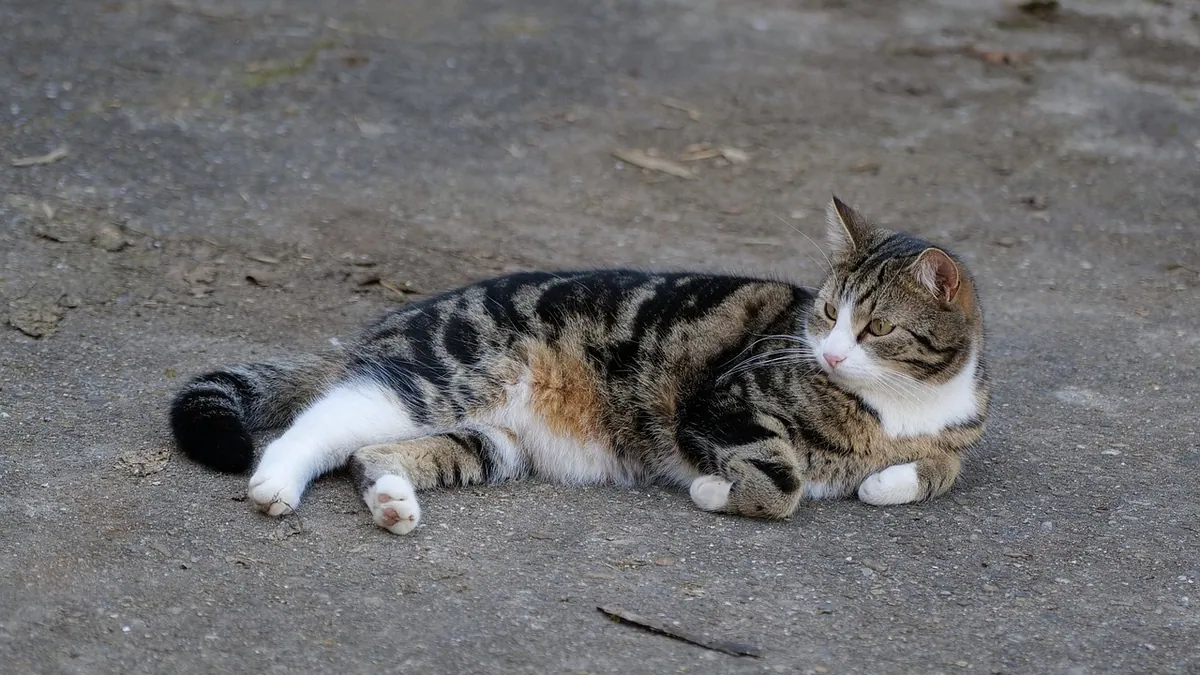
If your cat vibrates, the cause is usually harmless. Purring is a fast, steady whole-body buzz, and a quivering tail tip is a common sign of excitement or focus. True shivering, muscle tremors, or vibration tied to pain or neurologic disease feel and look different, and those need a veterinarian.
This article is educational and is not a substitute for veterinary diagnosis or treatment.
Quick Answer
- Purring is a normal vibration, and it can happen without any active muscle control in the larynx, so a relaxed cat can purr continuously for long stretches [1].
- A tail that vibrates or quivers at the tip is often excitement, anticipation, or marking behavior, especially when your cat is staring out a window or greeting you.
- Whole-body shaking that comes and goes with cold, fear, or fever is different from a purr. Check the room temperature, recent stress, and whether your cat is eating and using the litter box normally.
- Kittens vibrate a lot because they purr early and often, and their small bodies make the buzz feel stronger. That is usually normal [1].
- Call your vet the same day if vibration comes with drooling, hiding, limping, vomiting, trouble breathing, or a change in appetite or behavior.
Why Does My Cat Vibrate? The Normal Reasons First
Most vibration in cats comes from the throat, not the whole body. Purring is a low-frequency sound that owners feel as a hum or buzz through their hands and lap. For decades, people assumed cats had to actively contract laryngeal muscles to purr. A 2023 study tested excised larynges from eight domestic cats and found that all eight produced self-sustained oscillations at typical purring rates, which means purring can occur passively, without neural input driving muscle vibration [1]. In plain terms, your cat's purr is built into the structure of the voice box.
That finding matters for owners because it explains why purring does not always mean "happy." Cats purr when content, but also when stressed, injured, or recovering. The vibration itself is not a mood report. It is a sound your cat can make in many situations.
Tail Tip Vibration
A tail that vibrates or quivers is usually a social signal. You may see it when your cat greets you, when two cats approach each other, or when your cat is watching birds through a window. The tail may stay mostly still with just the last inch buzzing, or the whole tail may quiver briefly. This is often called a "tail quiver" and it tends to be short, repeatable, and tied to a trigger you can identify.
If the tail vibration happens only in those moments and your cat otherwise eats, plays, and sleeps normally, it is not a medical problem.
Purring and Body Buzz
When your cat lies on your chest and vibrates, you are feeling the purr. Some cats purr so strongly that their whole ribcage moves. Others purr quietly and you only feel it with your hand on the throat or side. Both are normal.
Purring can also interfere with a vet visit. In one study of 582 cats, 8.8% were purring during their physical exam, and purring can be loud enough to block heart sounds during auscultation [2]. That is why your veterinarian may gently hold the larynx to pause the purr, a fear-free technique that worked in 89% of cats in that study [2]. If your cat purrs nonstop at the clinic, it does not mean your cat is not stressed. It may simply be a default response.
Why Is My Kitten Vibrating So Much?
Kittens purr early, often, and loudly. Their larynges are small, so the vibration feels intense relative to their body size. A kitten who vibrates while nursing, being held, or falling asleep is almost certainly purring [1]. Kittens also shiver more easily than adults because they have less body fat and less ability to regulate temperature. If your kitten is warm, eating, playing, and gaining weight, the vibration is usually normal.
Medical Causes of Vibration, Shaking, and Tremors
Vibration that is not a purr or a tail quiver deserves a closer look. The key is the pattern. Purring is rhythmic and continuous. Tremors are often jerky, intermittent, or tied to movement. Shivering is usually whole-body and may come in waves.
Pain and Discomfort
Cats in pain often hide, stop grooming, eat less, or change their jumping habits. Some cats tremble in the hind legs or twitch the skin along the back. Dental pain, arthritis, abdominal pain, and urinary blockage can all cause restlessness that owners describe as vibrating or shaking. If your cat is also limping, see Why Is My Cat Limping?.
Fever, Cold, and Metabolic Problems
A cat with a fever may shiver, seek warm spots, and feel warm to the touch. Low blood sugar, low calcium, kidney disease, and thyroid disease can cause tremors. These conditions need blood work to diagnose. Your veterinarian will calculate any treatment dose from your cat's weight and health, so do not give human medications at home.
Neurologic Causes
Tremors that affect the head, whole body, or one limb can come from neurologic disease, toxin exposure, or injury. Some cats develop head tremors when concentrating, such as while eating. Others have seizures that owners mistake for vibration. If the episodes are followed by confusion, drooling, or loss of balance, treat it as urgent.
Ear and Head Issues
Vibration around the head and ears is sometimes an ear problem. If your cat is also shaking the head or scratching the ears, read Why Is My Cat Shaking Her Head And Ears and Cat Shaking Head and Scratching Ears: Causes and Urgency. Ear mites, infections, and foreign objects are common causes.
When Vibration Becomes a Problem
Vibration is a problem when it changes your cat's daily life. Watch for these patterns.
- The vibration lasts for hours and your cat cannot settle.
- Your cat stops eating, drinking, or using the litter box.
- The vibration comes with vomiting, diarrhea, drooling, or weight loss.
- Your cat hides, cries, or reacts when you touch a certain area.
- The vibration started suddenly after a fall, a fight, or possible toxin exposure.
- Your cat seems weak, wobbly, or unable to jump onto usual spots.
Any of these signs means the vibration is likely a symptom, not a purr. Book a veterinary visit. If your cat is also shaking in a way that worries you, Cat Shaking or Trembling: Is It an Emergency? walks through urgency levels.
What to Do Step by Step
Step 1: Identify the Trigger
Write down when the vibration happens. Note the time of day, what your cat was doing, and how long it lasted. A phone video is the single most useful thing you can bring to a vet visit. Tremors and seizures are hard to describe, and a short clip helps your veterinarian see the pattern.
Step 2: Check the Basics
Feel your cat's ears and paws. If they are cold, warm the room. Offer food and water. Watch your cat walk, jump, and use the litter box. If any of those are off, call your vet.
Step 3: Reduce Stress
Cats are sensitive to change. New pets, moving, loud noise, and vet visits can all trigger stress behaviors. Purring sounds and other cat-specific sounds have been studied as stress management tools. In one study, a mix of purring and eating sounds reduced visual scanning in cats placed in a new environment, though the effects were not strong across all measures [3]. A quiet room, a hiding box, and a consistent routine still do the most good.
Step 4: Use Enrichment
Give your cat daily play with a wand toy, vertical space to climb, and scratching posts. Predictable feeding times help. Cats that are bored or anxious often show more tail quivering and restlessness. Enrichment gives that energy a place to go.
Step 5: Track and Recheck
If your cat's vibration is normal purring or a happy tail quiver, no treatment is needed. If you are unsure, keep a log for a week and then call your vet. A routine exam with blood work can rule out many medical causes.
What Not to Do
Do not punish your cat for vibrating, shaking, or quivering. Punishment adds stress and can make the behavior worse. It also teaches your cat to hide signs of pain or fear, which makes diagnosis harder.
Do not assume purring means your cat is fine. Cats purr when they are stressed or in pain too. The purr is a sound, not a health certificate [1].
Do not give human medications, supplements, or leftover pet prescriptions. Your veterinarian calculates doses from your cat's weight and health. Some common human pain relievers are toxic to cats.
Do not ignore a sudden change. A cat who has always purred quietly but now vibrates constantly, or a cat who has never trembled and now does, needs a veterinary exam.
Do not rely on internet videos to diagnose a seizure or tremor. Many normal cat behaviors look alarming on camera. Your veterinarian can tell the difference with an exam and history.
When to Involve a Veterinarian or Behavior Professional
Call your veterinarian if the vibration is new, getting worse, or paired with any change in eating, drinking, litter box use, or activity. Call the same day if your cat is drooling, vomiting, limping, hiding more, or seems painful when touched.
Go to an emergency clinic now if your cat is having trouble breathing, collapses, has a seizure that lasts more than a minute, has repeated seizures, or may have eaten something toxic. Do not wait for a regular appointment in those cases.
Ask for a referral to a certified behavior professional if your veterinarian finds no medical cause and your cat's vibration is tied to anxiety, conflict with another pet, or compulsive behavior. Behavior problems are treatable, and a qualified professional can build a plan that fits your cat.
Limitations and When to Contact a Veterinarian
This article cannot tell you what is causing your cat's vibration. Only a veterinarian who examines your cat can do that. Individual cases need a veterinarian, and the timing depends on how sick your cat looks.
Contact your veterinarian the same day for:
- Vibration with drooling, vomiting, diarrhea, or not eating
- Trembling that will not stop
- New weakness, wobbling, or trouble jumping
- A sudden change in behavior, hiding, or aggression
- Any vibration after possible toxin exposure
Go to an emergency clinic now for:
- Trouble breathing or open-mouth breathing
- Collapse or unresponsiveness
- A seizure lasting more than one minute, or more than one seizure in a day
- Suspected poisoning or trauma
Book a routine visit for:
- A tail quiver or purr that you want to understand better
- Mild, intermittent vibration with no other signs
- Questions about anxiety, enrichment, or behavior
Frequently Asked Questions
Why does my cat vibrate her tail?
A vibrating tail tip is usually excitement, anticipation, or a greeting signal. It often happens when your cat sees you, watches prey through a window, or interacts with another cat. If the rest of your cat's behavior is normal, this is not a medical concern.
Why is my cat vibrating all over?
Whole-body vibration is most often purring, which you feel as a steady hum through the chest and throat. If the vibration is jerky, comes in waves, or happens with hiding, drooling, or not eating, it may be shivering or a tremor and needs a vet exam.
Is it normal for kittens to vibrate?
Yes, kittens commonly vibrate because they purr early and often, and their small bodies make the purr feel strong. Kittens also shiver more easily when cold. If your kitten is warm, eating, playing, and gaining weight, the vibration is usually normal.
Can purring mean my cat is in pain?
Yes. Cats purr when content, but also when stressed, injured, or recovering. Purring is a sound your cat can make in many situations, so judge your cat's health by appetite, activity, litter box use, and body language, not by the purr alone.
When should I worry about my cat shaking?
Worry if the shaking is new, lasts a long time, or comes with trouble breathing, collapse, drooling, vomiting, limping, or a seizure. Call your veterinarian the same day for those signs, and go to an emergency clinic right away if your cat collapses or has repeated seizures.
Related Articles
- Why Is My Cat Shaking Her Head And Ears
- Cat Shaking or Trembling: Is It an Emergency?
- Cat Shaking Head and Scratching Ears: Causes and Urgency
- Cat Shaking Head And Scratching Ear
- Why Is My Cat Limping?
- Cat Scratching Ear A Lot And Shaking Head
- Why Does My Cat Quiver? Tail Quivering and Body Shakes
- Why Is My Cat Quivering? Causes of Tremors in Cats
- Why Is My Cat Purring So Much? What Purring Means
References
- Domestic cat larynges can produce purring frequencies without neural input. Current biology : CB, 2023.
- A New, Easy-to-Learn, Fear-Free Method to Stop Purring During Cardiac Auscultation in Cats. Animals : an open access journal from MDPI, 2025.
- Effects of species-relevant auditory stimuli on stress in cats exposed to novel environment. Journal of applied animal welfare science : JAAWS, 2025.