Why Is My Cat Quivering? Causes of Tremors in Cats
By Dr. Zubair Khalid, DVM, MS, PhD ·
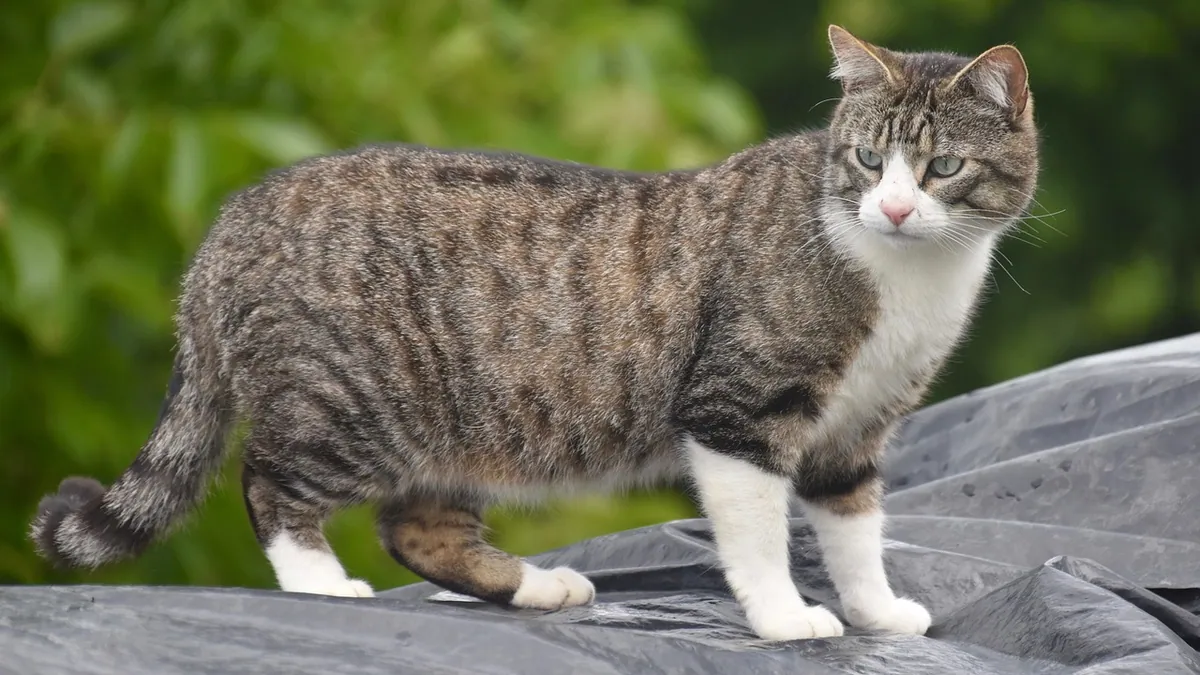
Why is my cat quivering? In most cases, a quiver is a brief muscle tremor caused by excitement, cold, pain, or a treatable medical problem. Some quivers, though, point to nerve, brain, or metabolic disease that needs veterinary care. The pattern you see (where it happens, when it happens, and how long it lasts) is the best clue you can bring to your vet.
This article is educational and is not a substitute for veterinary diagnosis or treatment.
Quick Answer
- A quiver is a rhythmic muscle tremor. It can affect the whole body, one limb, the head, the ears, or the tail.
- Common harmless triggers include excitement, anticipation, cold, and muscle fatigue after play.
- Tremors in cats are often linked to serious causes too. In one review of 105 cats, the top diagnoses were degenerative brain disease, feline infectious peritonitis, congenital portosystemic shunt, poisoning, and polyneuropathy [1].
- Quivering that comes with weakness, wobbling, vomiting, drooling, confusion, or collapse is an emergency. Go to a vet now.
- Never give human tremor or seizure medication to a cat. Your veterinarian calculates any dose from your cat's weight and health.
What Quivering Looks Like and What Is Normal
A quiver is a fine, rapid shaking you can see but usually cannot feel through the skin. It differs from a seizure, which often involves loss of awareness, paddling, drooling, and urination. It also differs from shivering, which is the body's response to cold.
Cats quiver in several patterns:
- Whole body. The cat looks like it is vibrating while sitting or standing.
- One limb. A back leg may quiver only when the cat stands or pushes off. This is called an orthostatic tremor, and it happens when the limb works against gravity [2].
- Head. The head may bob or nod, sometimes only when the cat reaches for food.
- Ears. Ear quivering is often a response to sound, itch, or ear irritation.
- Tail. A quivering tail is usually a greeting or marking behavior, not a tremor. See the tail section below.
Normal quivers are brief, stop when the trigger stops, and do not affect your cat's balance, appetite, or play. A cat that quivers for a second when you open a can of food is fine. A cat that quivers every time it stands and seems unsteady is not.
Why Does My Cat Quiver? The Main Causes
Tremors come from many sources. The nervous system can be affected by birth defects, inherited disorders, infections, inflammation, poisoning, metabolic problems, nutritional problems, injuries, degenerative disease, cancer, or unknown causes [3]. Some neurologic diseases are more common in a certain breed, sex, or age group [3].
Here is a practical breakdown.
| Cause | Typical clues | How urgent |
|---|---|---|
| Excitement or anticipation | Quiver starts at mealtime or playtime, stops when the moment passes, cat is otherwise normal | Not urgent |
| Cold | Shivering in a chilly room, improves with warmth | Not urgent |
| Pain | Quiver with hiding, limping, reduced appetite, tense belly | Same-day vet visit |
| Low blood sugar | Weakness, wobbling, drooling, small or young cat, missed meal | Emergency |
| Poisoning | Sudden tremor after exposure to a toxin, plus vomiting, drooling, or seizures | Emergency |
| Liver shunt (portosystemic shunt) | Tremor, head pressing, drooling, slow growth, worse after meals | Urgent, same-day or emergency |
| Hyperthyroidism | Episodes of abnormal movement, weight loss, ravenous appetite, in older cats | Routine to urgent |
| Feline infectious peritonitis | Tremor with fever, weight loss, poor appetite, neurologic signs | Urgent |
| Degenerative brain disease | Slowly worsening tremor, wobbling, intent tremor when reaching | Routine to urgent |
| Polyneuropathy | Weakness, exercise intolerance, tremor in limbs | Routine to urgent |
| Orthostatic tremor | Back-leg tremor only when standing, normal exam otherwise | Routine |
| Anxiety or stress | Quiver with pacing, meowing, hiding, changes in the home | Routine, behavior and medical review |
Excitement, Stress, and Cold
These are the most common reasons a healthy cat quivers. A cat waiting for dinner may quiver all over. A nervous cat may quiver during a car ride or a vet visit. Cold weather causes shivering, which is the body generating heat.
If your cat quivers only in these situations and is normal the rest of the time, watch and note the pattern. If the quiver starts happening at rest, during sleep, or without a trigger, that changes the picture.
Pain
Pain is an underrecognized cause of quivering. Cats hide pain well. A cat with dental disease, arthritis, or abdominal pain may quiver, sit hunched, stop grooming, or eat less. If your cat quivers and also seems uncomfortable, book a same-day visit.
Low Blood Sugar
Low blood sugar can cause tremors, weakness, and wobbling. It is more common in very young kittens, cats that have not eaten, and cats with certain illnesses. This is an emergency. Do not try to force food or sugar into a cat that is weak or unable to swallow.
Poisoning and Toxins
Poisoning was one of the most common causes of tremors in a large case review, affecting about 15 percent of cats with tremors [1]. Common household toxins include some plants, human medications, and certain flea products meant for dogs. If you suspect exposure, call your veterinarian or a pet poison hotline right away. Do not wait for symptoms to worsen.
Liver Disease and Portosystemic Shunts
A congenital portosystemic shunt is a blood vessel that bypasses the liver. It was tied as the second most common diagnosis in cats with tremors, affecting about 16 percent of cases [1]. Tremors from this condition are often episodic and happen at rest. In one study of 19 cats with liver-related tremors, 17 had tremors when they arrived at the clinic, and 6 had tremors as their only neurologic sign [4]. Tremors were generalized in 10 cats and limited to the head in 8 [4]. Most were episodic and not brought on by movement [4]. Of the 14 cats with one-month follow-up, tremors stopped in 9 after surgery or medical management [4]. That is encouraging news for owners facing this diagnosis.
Hyperthyroidism
An overactive thyroid can cause a movement disorder called paroxysmal dyskinesia. A recent report described 7 cats with this pattern, and episodes improved or stopped once thyroid function was normal again [5]. If your older cat has episodes of strange, involuntary movement along with weight loss or a huge appetite, ask your vet to check thyroid levels.
Neurologic and Degenerative Disease
Degenerative encephalopathy was the single most common diagnosis in the 105-cat review, at about 18 percent [1]. The most common forms were suspected cerebellar cortical degeneration and lysosomal storage diseases, and these often showed an intent tremor (a tremor that worsens when the cat reaches for something) [1]. Tremors can also come from cerebellar, thalamocortical, basal ganglia, and sensorimotor loop problems, which is why the pattern matters so much [6].
Orthostatic Tremor
Some cats have a tremor only when standing. A case report described an 11-month-old cat with a tremor in both back legs that appeared only when standing or actively extending the knee [2]. Exams and testing were normal except for the tremor, which disappeared when the limb was lifted [2]. Testing confirmed a low-frequency tremor, and the cat was diagnosed with pseudo-orthostatic tremor [2]. The cat stayed playful and able to walk but had trouble jumping [2]. Treatment with gabapentin at 10 to 20 mg/kg by mouth every 8 hours for 3 weeks, followed by clonazepam at 0.1 mg/kg by mouth every 12 hours for 1 day, did not help, and the second drug caused unacceptable side effects [2]. This shows that some tremors are manageable but not always curable.
Why Does My Cat Quiver Her Tail?
A quivering tail is usually not a tremor at all. Cats quiver the base of the tail as a greeting, a sign of affection, or a marking behavior. An intact male may quiver his tail while spraying urine.
A tail that quivers along with spraying, pacing, or yowling can point to stress or a urinary problem. If your cat is a male straining to urinate, that is an emergency. A tail quiver alone, with a relaxed body and happy greeting, is normal.
Cat Paw Quivering and Cat Ear Quivering
Paw quivering. A single paw that quivers when your cat stands or pushes off may be an orthostatic tremor [2]. A paw that quivers at rest, or with limping or swelling, needs a vet visit. Paw quivering can also happen with pain, nerve injury, or low blood sugar.
Ear quivering. Ear quivering is often linked to sound, itch, or ear disease. If your cat also shakes her head, scratches her ears, or has discharge or odor, see these guides: Why Is My Cat Shaking Her Head And Ears and Cats Ears Twitching And Shaking Head. If the shaking is intense or comes with balance loss, read Cat Shaking Head and Scratching Ears: Causes and Urgency.
Why Is My Kitten Quivering?
Kittens quiver for many of the same reasons adult cats do, plus a few of their own. Newborn and very young kittens have immature nervous systems and can quiver during sleep or while eating. Low blood sugar is a bigger risk in small kittens, especially if they are not eating well. Congenital problems, including liver shunts, often show up in young cats [1][4].
If your kitten quivers, is not gaining weight, is weak, or is not nursing or eating, see a vet the same day. Do not wait to see if it passes.
Red Flags That Make It an Emergency
Go to an emergency clinic now if your cat has any of these:
- Tremor with collapse, inability to stand, or loss of consciousness
- Tremor with vomiting, drooling, or suspected toxin exposure
- Tremor with a seizure, paddling, or loss of awareness
- Tremor with trouble breathing
- Tremor with a distended belly or a male cat straining to urinate
- Sudden severe tremor in a cat that was normal an hour ago
- Tremor with bleeding, trauma, or a fall
For less dramatic signs, call your vet the same day if your cat has a new tremor plus any of these: not eating, hiding, wobbling, head pressing, weight loss, or a change in behavior. If your cat is pacing and meowing along with the quiver, see Why Is My Cat Pacing and Meowing? Anxiety or Medical Issue? and Cat Shaking or Trembling: Is It an Emergency?.
Safe Things You Can Do at Home While Waiting
- Record a video. Tremors are often gone by the time you reach the clinic. A 30-second video on your phone is one of the most useful things you can bring.
- Note the pattern. Write down when it happens (rest, standing, eating, sleeping), how long it lasts, and what body parts are involved.
- Keep your cat warm and calm. Reduce noise and activity. Do not handle a cat that seems confused or might bite.
- Do not give any medication. Human tremor and seizure drugs can be toxic to cats. Your vet will calculate any dose from your cat's weight and health.
- Remove possible toxins. If you suspect a poison, put the container or plant in a bag and bring it with you.
- Do not force food or water into a cat that is weak, vomiting, or unable to swallow.
What Your Veterinarian Will Check and Test
Your vet will start with a full physical and neurologic exam. They will watch your cat walk, stand, and reach for food. They will test reflexes, balance, and awareness. A weight-bearing lift test can make an orthostatic tremor disappear, which is a helpful clue [2].
Testing often includes:
- Blood work, including liver and thyroid values
- Blood glucose
- Bile acids to screen for a liver shunt
- Infectious disease testing
- Imaging such as X-rays or ultrasound
- Advanced imaging such as MRI in some cases
- Electromyography or other nerve and muscle testing when a tremor is confirmed [2]
The goal is to find the underlying cause. Tremors are a sign, not a diagnosis. Treatment depends on what is found. Some causes, like a liver shunt, can improve a lot with surgery or medical management [4]. Others, like hyperthyroidism-related movement episodes, can stop once thyroid function is normal [5].
Prevention and Monitoring
You cannot prevent every cause of quivering, but you can lower the odds and catch problems early.
- Keep routine vet visits, especially for senior cats and kittens.
- Feed a complete, balanced diet. Nutritional problems can affect the nervous system [3].
- Store medications, plants, and chemicals out of reach.
- Use only cat-safe flea and tick products.
- Watch for changes in appetite, weight, thirst, and behavior.
- Track any tremor episodes in a notebook or phone app.
- Follow up on any new neurologic sign, even if it seems mild.
Limitations and When to Contact a Veterinarian
This article covers common patterns, but every cat is different. A quiver that looks harmless in one cat can be the first sign of a serious problem in another. Only a veterinarian who examines your cat can tell you what is going on.
Contact an emergency clinic now for collapse, seizure, breathing trouble, suspected poisoning, a male cat straining to urinate, or a sudden severe tremor.
Call your vet the same day for a new tremor with not eating, hiding, wobbling, head pressing, weight loss, or behavior change.
Schedule a routine visit for a mild, intermittent quiver that has been going on for days to weeks without other signs. Bring a video and your notes.
Frequently Asked Questions
Should I worry if my cat quivers only at mealtime?
No, that is usually excitement and is not a health concern. A cat that quivers only when food appears, then returns to normal, is showing anticipation. Watch for any new quivering at rest or with weakness, which would need a vet visit.
Can anxiety cause my cat to quiver?
Yes, stress and anxiety can cause quivering in cats. A nervous cat may quiver during car rides, vet visits, or home changes. If the quiver comes with pacing, meowing, hiding, or appetite changes, have your vet check for a medical cause first.
Is a quivering tail a sign of a seizure?
No, a quivering tail is usually a greeting or marking behavior. Seizures involve loss of awareness, paddling, drooling, and urination. If your cat's tail quivers with straining to urinate, especially in a male cat, treat it as an emergency.
Can my kitten outgrow quivering?
Some kittens quiver because their nervous system is still developing, and it fades with age. Other causes, like low blood sugar or a liver shunt, do not go away on their own and need treatment. Any kitten that is weak, not eating, or not gaining weight should see a vet.
What should I bring to the vet appointment?
Bring a short video of the quiver, a written log of when it happens, and any suspected toxin container. Also bring a list of medications, supplements, and flea products your cat receives. This information helps your vet narrow down the cause faster.
Related Articles
- Why Is My Cat Shaking Her Head And Ears
- Cats Ears Twitching And Shaking Head
- Cat Shaking Head and Scratching Ears: Causes and Urgency
- Cat Shaking or Trembling: Is It an Emergency?
- Why Is My Cat Pacing and Meowing? Anxiety or Medical Issue?
- Cat Shaking Head And Scratching Ear
- Tremors in Cats: Causes, Locations, and When to Worry
- Why Does My Cat Quiver? Tail Quivering and Body Shakes
- Why Is My Cat Off Balance? Causes of Ataxia in Cats
References
- Tremors in cats: 105 cases (2004-2023). Veterinary journal (London, England : 1997), 2025.
- Pseudo-orthostatic tremor in a cat. Journal of veterinary internal medicine, 2025.
- The Nervous System in Cats - Cat Owners. Merck Veterinary Manual.
- Tremors in cats with hepatic encephalopathy-congenital portosystemic shunts or postattenuation neurological syndrome. The Veterinary record, 2025.
- Paroxysmal dyskinesia associated with hyperthyroidism in 7 cats: a novel manifestation of a metabolic encephalopathy. Journal of veterinary internal medicine, 2026.
- Tremor pathophysiology. Clinical parkinsonism & related disorders, 2026.