Why Does My Cat Yowl After Eating? Causes and When to Worry
By Dr. Zubair Khalid, DVM, MS, PhD ·
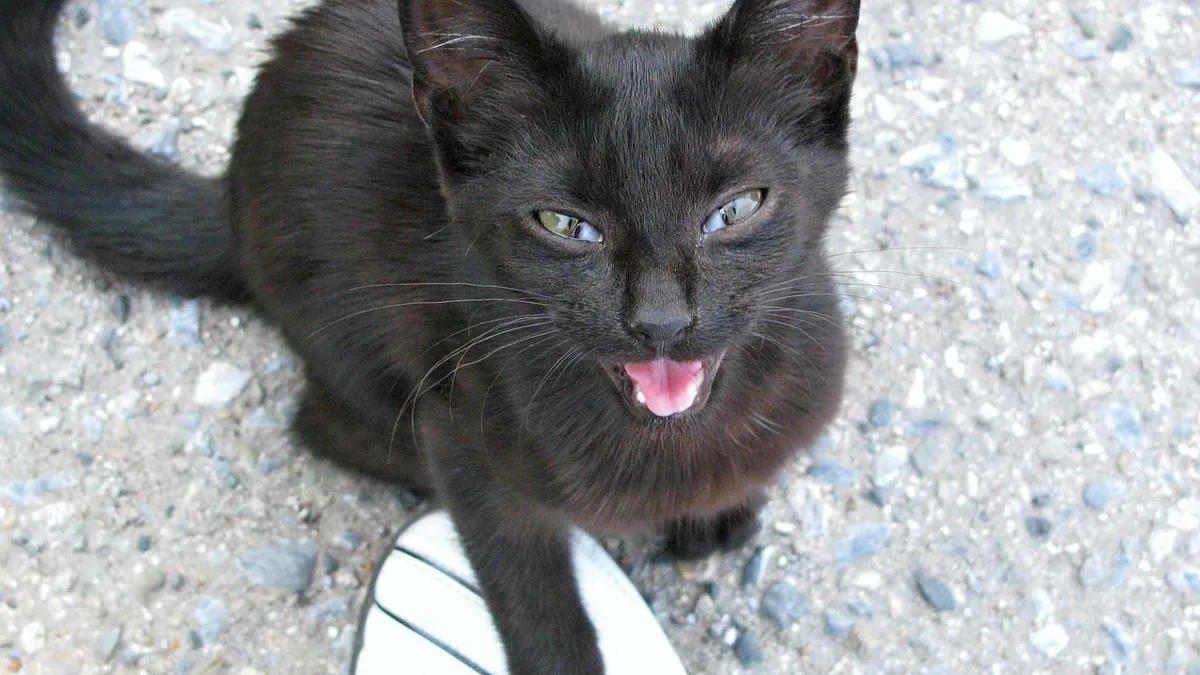
If your cat yowls after eating, the first thing to know is that meowing and yowling are normal ways cats communicate with people, and food is one of the strongest reasons they speak up [1][2]. The question is whether the sound is a habit, a request, or a sign of pain or illness. This article is educational and is not a substitute for veterinary diagnosis or treatment.
Quick Answer
- A cat who yowls right after eating is often still hungry, asking for more, or announcing that mealtime was the best part of the day.
- Some cats yowl after eating because they feel sick. Nausea, dental pain, and an overactive thyroid are common medical reasons.
- A sudden change in a cat who never used to yowl matters more than the yowling itself. New behavior in an adult cat deserves a vet visit.
- Record a video of the yowling, note the time it happens, and write down what and how much your cat ate.
- Call your vet the same day if yowling comes with vomiting, drooling, weight loss, or a refusal to eat.
What Post-Meal Yowling Looks and Sounds Like
A yowl is longer and more drawn out than a regular meow, and it often sounds melodic or mournful [1]. Adult cats yowl at each other mainly during breeding season, but they also yowl at people, and that is the version most owners hear at home [1].
Timing is a useful clue. Some cats start the moment the bowl is empty. Others wait a few minutes, then walk around the house calling. A few yowl while they are still eating, which points more toward mouth pain or food guarding than hunger.
Normal vocalizing varies a lot between cats. Some breeds, Siamese in particular, are known for excessive meowing and yowling [1]. If your cat has always been talkative after meals and is otherwise healthy, that is likely just your cat. The picture changes when a quiet cat becomes loud, or when the yowling comes with other signs.
Why Does My Cat Yowl After Eating? The Main Causes
Hunger and Mealtime Frustration
Food is a powerful motivator for cats, and it drives a lot of their vocal behavior. In a study that recorded cats during feeding and play situations, cats meowed significantly more when they could see and smell food but could not reach it [2]. That is the same energy many cats carry right past the last bite.
If your cat is on a diet, eating a low-calorie food, or getting small meals, the yowling may simply be a request for round two. Feeding puzzles, split meals, and a consistent schedule often reduce it.
Food Guarding and Anxiety
Some cats yowl to warn others away from their bowl, even after the food is gone. This is more common in homes with multiple cats, or in cats who were fed in a group before adoption. The yowl is a claim on the space, not a comment on the meal.
Watch for a stiff body, flattened ears, a tucked tail, or a cat who stands over the empty bowl and stares down anyone who walks by. Stress like this can show up in the body, and cats with behaviors such as excessive vocalization have been found to carry higher levels of the stress hormone cortisol in their hair [3].
Dental Pain and Mouth Problems
A cat with a sore tooth or inflamed gums may yowl while eating or right after, especially if the food touched a painful spot. Chewing can also be uncomfortable enough that the cat eats fast, swallows hard, and then vocalizes.
Other clues include dropping food, chewing on one side, bad breath, drooling, and flinching when you touch the face. Pain in cats is often subtle, and even cats recovering from eye surgery showed measurable pain behaviors such as a lowered head position [4]. Mouth pain can be just as quiet.
Nausea and Stomach Upset
Nausea can make a cat vocalize, pace, lick their lips, and swallow repeatedly. In animals, nausea and vomiting are triggered by distress and pain, and they reduce how much an animal wants to eat [5]. A cat who feels queasy after a meal may yowl because the food is not sitting well.
If your cat also brings food back up, read Cat Vomiting After Eating: Is It Hairballs or Something Serious? and Cat Vomiting Undigested Food After Eating. Loose stool after meals is covered in Cat Diarrhea After Eating: Causes and When to Act.
Hyperthyroidism and Other Hormonal Causes
An overactive thyroid is a common reason older cats become loud, restless, and constantly hungry. These cats often eat well or even more than usual, then yowl because their appetite never feels satisfied. Weight loss despite a good appetite is the classic pattern.
Hormonal causes are not limited to the thyroid. A spayed female cat with leftover ovarian tissue can show cycles of vocalization and rolling, and this has been documented in a cat whose signs began months after surgery [6]. That case is uncommon, but it shows why a vet exam matters when a fixed cat suddenly acts like she is in heat.
Cognitive Changes in Older Cats
Senior cats can develop confusion, night waking, and loud vocalizing, sometimes called feline cognitive dysfunction. The yowling may happen after meals because the routine is one of the few anchors left in the day. This is a diagnosis your vet makes after ruling out pain, thyroid disease, high blood pressure, and other treatable problems.
Attention and Learned Behavior
Cats meow because it works [1]. If yowling after dinner once earned extra food, a treat, or a lap, your cat learned a reliable trick. This is the most common cause in a healthy cat with a normal appetite, stable weight, and no other symptoms.
Cause | Typical clues | How urgent
| Cause | Typical clues | How urgent |
|---|---|---|
| Hunger or mealtime frustration | Yowls at the empty bowl, normal weight, healthy appetite | Not urgent, adjust feeding plan |
| Food guarding | Stiff posture, guards the bowl, multi-cat home | Not urgent, manage feeding stations |
| Dental pain | Drools, drops food, chews on one side, bad breath | See a vet within days |
| Nausea or stomach upset | Lip licking, swallowing, vomiting, poor appetite | See a vet within a day or two |
| Hyperthyroidism | Weight loss with a big appetite, restlessness, night yowling | See a vet within days |
| Hormonal or reproductive | Cyclical yowling, rolling, spayed female acting in heat | See a vet within days |
| Cognitive dysfunction | Senior cat, confusion, night vocalizing | Routine visit soon |
| Learned attention seeking | Only happens after meals, otherwise healthy | Not urgent |
Red Flags That Mean Emergency Care
Most post-meal yowling is not an emergency. Some signs are.
Go to an emergency clinic now if your cat is yowling and also:
- Struggles to breathe, breathes with an open mouth, or has blue gums
- Collapses, has a seizure, or cannot stand
- Has a swollen, painful belly that hurts when touched
- Vomits repeatedly and cannot keep water down
- Is straining to urinate, especially a male cat, with little or no urine
- Has bleeding from the mouth or a swollen face
- Ate something toxic, such as a houseplant, human medication, or antifreeze
If you suspect poisoning, call the ASPCA Animal Poison Control Center at (888) 426-4435 or the Pet Poison Helpline at (855) 764-7661 right away. Keep the package or plant sample with you.
What You Can Do at Home While You Wait
You cannot diagnose your cat at home, but you can gather good information and keep your cat comfortable.
- Record a short video of the yowling. Your vet can hear the pitch, length, and context.
- Log the time of day, what you fed, how much, and how soon after eating the yowling starts.
- Weigh your cat weekly on a kitchen scale if you can, or ask your vet to weigh at every visit. Weight change is one of the best clues for thyroid disease and other illness.
- Check the mouth gently. Look for red gums, tartar, broken teeth, or a foul smell. Stop if your cat resists.
- Offer fresh water and keep the bowl clean. Some cats yowl less when water is easy to reach.
- Split meals into smaller portions if your cat eats fast, then yowls. Slow feeders can help.
- Do not punish the yowling. It will not teach your cat anything useful and may add stress.
- Do not free-feed extra food to quiet the noise unless your vet has approved the amount. Overfeeding creates its own problems.
If your cat stops eating altogether, that changes the timeline. A cat who refuses food for more than a day needs veterinary care, and Cat Not Eating? When to Worry and What to Do explains what to watch for.
What Your Veterinarian Will Check and Test
Your vet starts with the story you bring. The video, the feeding log, and the weight trend are genuinely useful.
The physical exam focuses on the mouth, teeth, and gums, the thyroid gland in the neck, the abdomen, body condition, and hydration. Your vet will also watch how your cat moves and behaves in the room.
Common tests include:
- Blood work, including a thyroid panel, kidney values, liver values, and blood sugar
- A urine test
- Blood pressure measurement
- Dental radiographs if mouth pain is suspected
- Imaging such as X-rays or ultrasound if the belly or thyroid looks abnormal
If the exam and tests are normal, the conversation turns to behavior, feeding routine, and environment. Your vet may ask about meal timing, food type, other pets, and whether anything in the home changed recently. Any medication or supplement dose is calculated by your veterinarian from your cat's weight and health, so never give a human drug on your own.
Prevention and Monitoring
A few habits reduce post-meal yowling and catch problems early.
Feed on a schedule. Predictable meals lower the frantic energy that drives a lot of mealtime noise.
Use food puzzles or scatter feeding. This stretches out the meal and gives your cat something to do after eating.
Separate bowls in multi-cat homes. Feed cats in different rooms or use microchip feeders so no one feels the need to guard.
Keep a simple health log. Note appetite, weight, water intake, litter box habits, and any new vocalizing. Patterns show up fast in writing.
Book a wellness exam at least once a year, and twice a year for cats over 10. Older cats hide illness well, and thyroid disease, dental pain, and kidney problems are all easier to manage when found early.
Brush your cat's teeth if your cat tolerates it, or ask your vet about dental care. Mouth pain is one of the most common and most fixable causes of odd behavior around food.
Limitations and When to Contact a Veterinarian
This article cannot tell you what is wrong with your specific cat. Only a veterinarian who examines your cat can do that, and individual cases always need a professional assessment.
Call your vet the same day if your cat:
- Yowls after every meal and the behavior is new
- Is losing weight or has a bigger appetite than usual
- Has bad breath, drooling, or trouble chewing
- Vomits after meals or has diarrhea
- Seems restless, paces at night, or seems confused
- Is a senior cat with any sudden change in behavior
Go to an emergency clinic now for breathing trouble, collapse, seizures, a painful swollen belly, repeated vomiting with no water kept down, straining to urinate, heavy bleeding, or a known poisoning.
Book a routine visit within a week or two if the yowling is mild, your cat is eating and acting normally, and you mainly want to rule out a medical cause.
Frequently Asked Questions
Is it normal for cats to yowl after eating?
It can be normal for a healthy, talkative cat, especially if the yowling has always been part of your cat's routine. Meowing and yowling are normal communication behaviors, and some breeds are simply louder than others [1]. The behavior becomes a concern when it is new, gets worse, or comes with other symptoms.
Why is my cat yowling after eating but acting fine otherwise?
Hunger, attention seeking, and habit are the usual reasons when everything else looks normal. Cats meow more when food is visible but out of reach, which is close to how many cats feel once the bowl is empty [2]. If the yowling is new in an adult cat, a vet visit is still a good idea to rule out pain and thyroid disease.
Can dental pain make a cat yowl after meals?
Yes. Chewing can irritate a sore tooth or inflamed gums, and cats in pain often vocalize more. Cats are good at hiding discomfort, and even cats recovering from surgery showed subtle pain behaviors like holding the head low [4]. Drooling, bad breath, and dropping food are clues to check the mouth.
Does yowling after eating mean my cat has hyperthyroidism?
Not on its own. Hyperthyroidism is more likely when a cat also loses weight while eating well, seems restless, and vocalizes at night. Your vet can check thyroid levels with a blood test. Other causes, including hunger and dental pain, are more common in cats with a normal weight and appetite.
Should I feed my cat more if they yowl after eating?
Only if your vet says your cat needs more calories. Extra food can lead to weight gain, and it can also reward the yowling and make it stronger. If your cat seems genuinely hungry, ask your vet about portion size, food type, and splitting meals into smaller servings through the day.
Related Articles
- Cat Diarrhea After Eating: Causes and When to Act
- Cat Vomiting After Eating: Is It Hairballs or Something Serious?
- Cat Vomiting After Drinking Water: Causes and When to Worry
- Cat Not Eating? When to Worry and What to Do
- Cat Vomiting Undigested Food After Eating
- Dog Vomiting After Eating: Causes and When to Call the Vet
- Why Do Cats Yowl? Causes of Excessive Meowing
- Why Is My Cat Yowling? Nighttime and Daytime Causes
- Why Does My Cat Yowl After Pooping or Peeing?
References
- Meowing and Yowling. ASPCA Animal Poison Control Center.
- Vocal signals produced by the domestic cat (Felis silvestris catus) in highly motivating contexts. Journal of comparative psychology (Washington, D.C. : 1983), 2026.
- Stress in Indoor and Outdoor Cats: Association between Hair Cortisol Levels, Housing Style, and Guardians' Perceptions of Behavior. Journal of applied animal welfare science : JAAWS, 2026.
- Keeping an eye on pain: Characterization of pain behaviours in cats undergoing ophthalmic surgery. Veterinary journal (London, England : 1997), 2026.
- Effects of Intraoral, Intracrop, and Intragastric Administration of Copper Sulfate on Vomiting, Retching Behavior, and Nausea-Like Responses in Chicks. The journal of poultry science, 2026.
- Ovarian remnant syndrome in a 2-year-old cat with inconclusive diagnostics. JFMS open reports, 2026.