What Do Cats Hate? Smells, Sounds, and Textures
By Dr. Zubair Khalid, DVM, MS, PhD ·
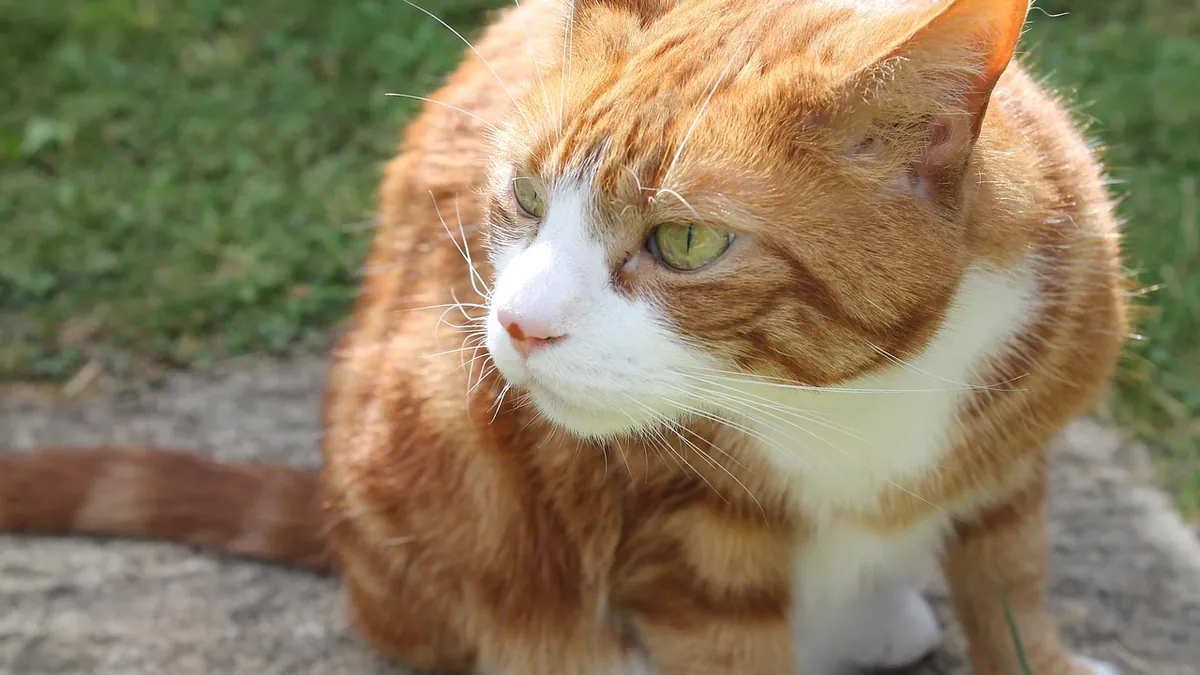
Cats hate strong smells, sudden loud noises, sticky or wet textures, and being forced into contact they did not choose. These dislikes come from natural survival instincts, not spite. Knowing what do cats hate helps you train and redirect your cat without causing fear or harm.
This article is educational and is not a substitute for veterinary diagnosis or treatment.
Quick Answer
- Cats dislike strong scents, including citrus, mint, eucalyptus, and many essential oils. Some of these are also toxic to cats, so never use them as deterrents.
- Sudden noises, forced handling, and being cornered are common triggers for stress and avoidance.
- Sticky surfaces, wet paws, and rough textures often make cats back away or shake their paws.
- Passive, low-pressure interaction tends to raise oxytocin and lower cortisol in cats, while forced interaction does the opposite [1].
- Pheromone products and catnip may help some cats settle in new situations, but research shows they do not reliably change clinical or behavioral measures during exams [2][3].
Why Cats React This Way
Smell Is a Survival Sense
A cat's nose is built for detecting threats and food. Strong odors can signal danger, spoiled food, or a rival animal. That is why many cats recoil from citrus, vinegar, menthol, and heavy perfumes.
This sensitivity also explains why cats avoid certain litters, cleaning products, and air fresheners. The smell is not just unpleasant. It can feel overwhelming.
Sound and Sudden Movement
Loud noises like blenders, vacuums, and thunderstorms send many cats running. Sudden movement triggers the same startle response. In prey animals, a fast reaction to a possible threat is a survival advantage. Research on predator odor cues shows that defensive behaviors and pain suppression are part of a built-in fear response in prey species [4].
Texture and Touch
Many cats dislike sticky tape, wet food on their paws, or rough carpet. Some dislike being held tightly or having their belly touched. These are not quirks. They are boundaries.
Forced Contact Backfires
A study of owner-cat interactions found that passive interactions were linked to higher oxytocin and lower cortisol, while forced interactions showed the opposite pattern [1]. Secure cats responded more positively to human contact than insecure cats, which showed higher cortisol or a limited hormonal response [1]. In plain terms, letting your cat come to you works better than picking them up when they want to be left alone.
What Do Cats Hate the Smell Of?
Common Scents Cats Avoid
- Citrus (orange, lemon, lime)
- Mint and menthol
- Eucalyptus
- Vinegar
- Strong perfumes and scented candles
- Some cleaning sprays
What Do Cats Hate the Smell of the Most?
The strongest reactions usually come from concentrated citrus and menthol-type odors. Cats may sneeze, drool, back away, or flee the room.
Here is the safety warning. Many of these smells are not safe deterrents. Essential oils, especially citrus, tea tree, eucalyptus, peppermint, and wintergreen, can be toxic to cats. Citrus cleaners contain compounds cats cannot process well. Do not spray them on surfaces your cat touches or licks.
If you suspect your cat licked or inhaled a toxic product, call your veterinarian or a pet poison hotline right away. Do not wait for symptoms.
Safe Alternatives
If you want to keep your cat away from a counter or plant, use physical barriers instead of scent. Double-sided tape, foil, motion-activated air cans, or a closed door work without exposing your cat to toxins.
What Do Kittens Hate?
Kittens dislike the same things adult cats do, but their reactions can be stronger because they are still learning. Common triggers include:
- Loud noises and sudden movements
- Being picked up and held when they want to play
- Cold, wet surfaces
- Strong smells, including perfumes and cleaning products
- Rough handling during nail trims or baths
Kittens also need gentle, predictable routines. A calm approach helps them build confidence. If your kitten hides, hisses, or refuses to eat after a change, that is a sign to slow down.
Medical Causes to Rule Out Before Assuming It Is Behavioral
Sometimes a cat that suddenly avoids a smell, sound, or touch is not being picky. Something medical may be going on.
- Dental pain can make a cat avoid food smells or flinch when touched near the face. If you notice bad breath along with this, see Why Does My Cat's Breath Smell?.
- Nausea or stomach upset can make a cat turn away from food or certain odors.
- Ear infections or skin problems can make a cat hate being touched on the head or back. A rash with a bad smell needs a vet visit. See Cat Skin Rash with Odor: Causes and When to Worry.
- Pain anywhere in the body can make a cat irritable and less tolerant of handling.
- Vision or hearing changes can make a cat startle more easily.
If your cat's aversion is new, intense, or paired with other symptoms, book a veterinary exam. Behavior changes are often the first sign of illness in cats.
When Aversion Becomes a Problem
It is normal for a cat to avoid certain things. It becomes a problem when the avoidance affects daily life.
Signs to watch for:
- Hiding most of the day
- Not eating or drinking
- Avoiding the litter box
- Hissing, growling, or swatting when approached
- Overgrooming or hair loss
- Pacing, yowling, or excessive meowing
If your cat is meowing more than usual, that can signal stress, pain, or a medical issue. See Cat Excessive Meowing: What Is Your Cat Trying to Say?.
If you recently brought home a new kitten and your resident cat is hissing, that is a common adjustment phase. Learn more in Cat Hissing at New Kitten: How Long Will It Last?.
What to Do Step by Step
1. Remove the Trigger When You Can
If a scent, sound, or object bothers your cat, take it away. Move the scented candle. Put the vacuum in a closet. Close the door to the room with the loud noise.
2. Give Your Cat Control
Let your cat choose when to interact. Sit on the floor and wait. Offer a hand for sniffing. Do not chase or corner. This matches what the interaction study found: passive contact supports a calmer hormonal response [1].
3. Use Pheromones Wisely
F3 facial pheromone mist may help some cats rub more and approach an unfamiliar person [3]. It is not a cure-all. In one study, neither catnip nor facial pheromone changed clinical or behavioral measures during a veterinary exam [2]. Use pheromones as one tool, not the only plan.
4. Build a Safe Space
Set up a quiet room with food, water, a litter box, and a hiding spot. Let your cat retreat there when things feel loud or busy.
5. Add Enrichment
Boredom makes aversions worse. Try puzzle feeders, window perches, wand toys, and short play sessions. Rotate toys so they stay interesting.
6. Train With Positive Reinforcement
Reward calm behavior with treats, praise, or play. If you want your cat to stay off the counter, reward them for being on the floor or on a cat tree. Never punish.
7. Keep Routines Predictable
Feed at the same times. Keep the litter box clean. Sudden changes in schedule can raise stress.
What Not to Do
Do Not Punish Your Cat
Yelling, spraying water, or hitting does not teach your cat what you want. It teaches them to fear you. Punishment can also make aggression and hiding worse.
Do Not Use Toxic Scents as Deterrents
Essential oils and citrus cleaners are popular online, but many are dangerous for cats. Do not put them on furniture, floors, or your cat's coat.
Do Not Force Interaction
Holding a cat that is trying to leave can raise cortisol and damage trust [1]. If your cat walks away, let them go.
Do Not Rely on Myths
- Cats do not hate you when they avoid you. They are responding to stress or discomfort.
- Cats are not being stubborn when they refuse a new food or litter. They may be reacting to smell or texture.
- Catnip does not calm every cat. Some cats ignore it, and research shows it may not change behavior in clinical settings [2].
When to Involve a Veterinarian or Behavior Professional
Call your veterinarian if your cat:
- Stops eating or drinking
- Hides for more than a day
- Shows new aggression
- Has changes in litter box habits
- Seems painful when touched
- Has symptoms like vomiting, diarrhea, or weight loss
Ask for a referral to a veterinary behaviorist or certified applied animal behaviorist if:
- The behavior is unsafe for you or your cat
- Training at home is not working after a few weeks
- Your cat is injuring themselves or others
- You feel overwhelmed
A behavior professional can build a plan that fits your cat's history and home.
Limitations and When to Contact a Veterinarian
This article gives general information. Your cat's individual case needs a veterinarian who can examine them and review their history.
Contact your veterinarian the same day if your cat:
- Licked or inhaled a cleaning product or essential oil
- Is drooling, vomiting, or wobbling after exposure to a scent
- Has sudden trouble breathing
- Refuses food for more than 24 hours
Go to an emergency clinic now if your cat:
- Collapses
- Has a seizure
- Breathes with an open mouth or with the belly
- Has pale or blue gums
- Cannot stand or walk
Schedule a routine visit if your cat:
- Slowly avoids more things over weeks
- Seems more irritable than before
- Has bad breath, drooling, or trouble chewing
- Has a skin rash, hair loss, or a bad smell
If your cat is gagging or retching, that can point to many problems. See Cat Gagging Symptoms for more detail, then call your vet.
Frequently Asked Questions
Do cats hate the smell of citrus?
Yes, most cats avoid citrus scents. Citrus is also a common ingredient in cleaners that can irritate or poison cats, so do not use it as a deterrent around your pet.
Are essential oils safe to use around cats?
No, many essential oils are toxic to cats, even in small amounts. Cats cannot process many of the compounds in oils like tea tree, eucalyptus, and citrus, so keep all oils and diffusers away from your cat.
Why does my cat hate being picked up?
Many cats dislike the loss of control and the pressure of being held. Let your cat choose contact instead, since forced interaction can raise stress hormones and lower trust.
Can I use catnip to calm my cat?
Catnip affects some cats and not others. Research found it did not change clinical or behavioral measures in cats during a veterinary exam, so do not count on it as a calming tool.
Do kittens hate loud noises?
Yes, kittens often startle easily at loud or sudden sounds. Give them a quiet hiding spot and introduce new sounds slowly so they can adjust without fear.
Related Articles
- Why Does My Cat's Breath Smell?
- Cat Gagging Symptoms
- Cat Hissing at New Kitten: How Long Will It Last?
- Cat Skin Rash with Odor: Causes and When to Worry
- Cat Excessive Meowing: What Is Your Cat Trying to Say?
- Why Is My Cat So Itchy?
- Do Cats Like Music? What Science Says About Feline Hearing
- Why Does My Cat Not Like to Be Pet?
- Why Is My Cat Not Interested in Catnip?
References
- EXPRESS: The hormonal effects of owner-cat interactions on pet cats of different potential attachment styles. Journal of feline medicine and surgery, 2026.
- Catnip (Nepeta cataria) and Feline Facial Pheromone Have No Effect on Clinical or Behavioral Parameters of Cats in Hospital Environment. Journal of applied animal welfare science : JAAWS, 2026.
- Can a water-based mist form of the F3 facial pheromone have a short-term effect on cats' adaptation to a new situation?. Journal of feline medicine and surgery, 2026.
- Defensive antinociception and antipredatory responses in prey threatened by distinct odoriferous cues from Felis silvestris catus. Behavioral neuroscience, 2026.