Do Mother Cats Abandon Their Kittens? Normal vs Not
By Dr. Zubair Khalid, DVM, MS, PhD ·
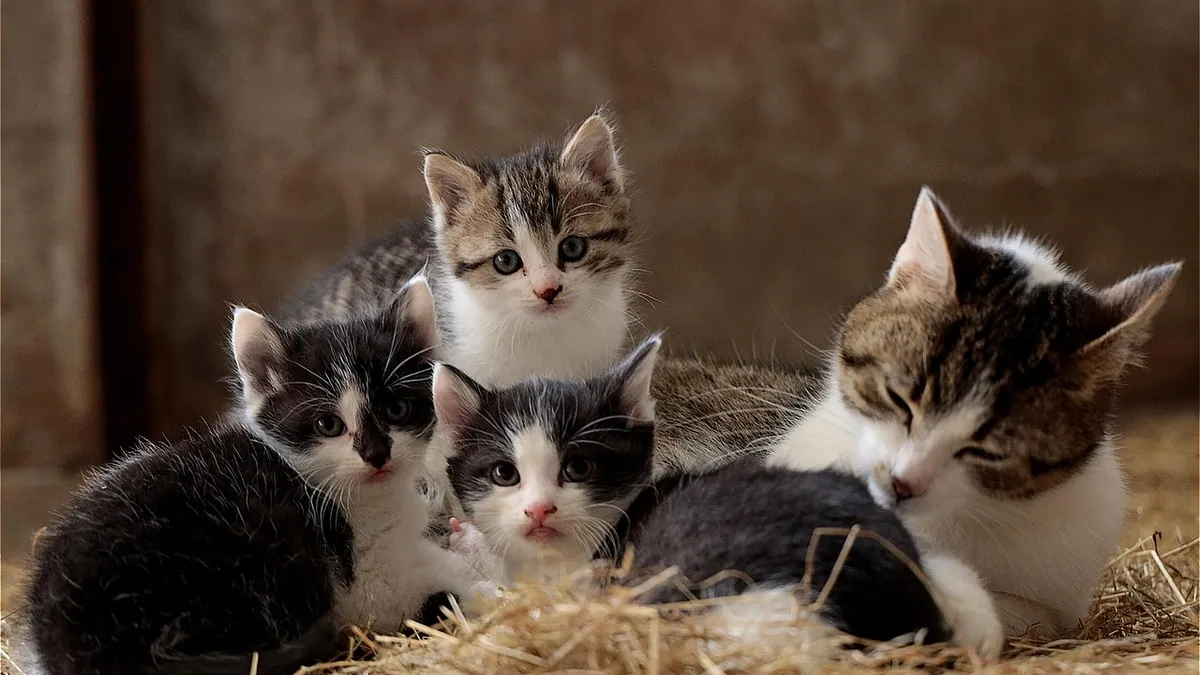
Mother cats usually do not abandon their kittens. Most queens stay close, nurse on demand, and move their litter when they feel unsafe. The real question of when do cats abandon their kittens comes down to a few specific situations, and most of them have a fix. This article is educational and is not a substitute for veterinary diagnosis or treatment.
Quick Answer
- A mother cat leaving the nest for minutes to hours at a time is normal. She needs food, water, a litter box, and a break from nursing.
- A queen may reject a kitten that is sick, cold, deformed, or too weak to nurse. This is a survival instinct, not cruelty.
- Stress is the most common trigger for moving or abandoning a litter. Loud noise, dogs, strangers, and constant handling all count.
- If a kitten is cold, crying nonstop, or losing weight, treat it as an emergency and start warming and feeding it while you call your vet.
- Do not assume abandonment just because the mother is away. Watch from a distance for 30 to 60 minutes before you intervene.
Why a Mother Cat Leaves Her Kittens (Normal Reasons)
She is taking a break
Nursing is physically demanding. A queen with a large litter may spend most of the day in the nest, but she still needs to eat, drink, urinate, and stretch. Leaving for 15 to 60 minutes at a time is normal, especially in the first two weeks. She usually returns on her own.
She is moving the litter
Cats relocate their kittens when the current spot feels unsafe. A new baby, a barking dog, construction noise, or a room that suddenly smells different can all trigger a move. If you find kittens scattered in a closet or behind furniture, she probably moved them, not abandoned them.
She is weaning them
Around 4 to 6 weeks, kittens start eating solid food and nursing less. The mother may push them away, walk off when they try to nurse, or spend longer stretches away from the nest. This is normal development. Kittens can generally be separated from the mother once they are weaned, beginning at 6 to 7 weeks old [1].
She is a first-time mother
Inexperienced queens sometimes act confused. They may leave the nest, sit outside the box, or fail to position themselves for nursing. Some figure it out within a day. Others need help.
She is a very young or very old mother
Teenage queens and older queens are more likely to have small litters, weak kittens, or trouble with labor. If labor stalls, the mother may stop caring for the kittens she already delivered. Dystocia, or difficulty giving birth, affects roughly 3 to 8 percent of pregnancies in purebred cats, and kitten death rates in treated cases are high [2]. That is one reason a difficult birth is a medical emergency, not a behavior problem.
Medical Causes to Rule Out First
Before you decide a mother cat is neglecting her kittens, check the mother and the kittens for health problems.
Problems in the mother
- Mastitis. Infected mammary glands are painful, so she may refuse to let kittens nurse.
- Metritis. A uterine infection after birth can make her lethargic, feverish, and uninterested in her litter.
- Retained kitten or placenta. If she is still straining or has a foul discharge, she needs a vet now.
- Low milk supply. Poor nutrition, dehydration, or illness can reduce milk production.
- Pain anywhere. A queen in pain often isolates herself, including from her kittens.
Problems in the kittens
- Hypothermia. Kittens cannot regulate their own body temperature for the first couple of weeks, so they depend on the mother and a heat source [3]. A cold kitten stops nursing and cries weakly.
- Failure to latch. A kitten that cannot find a nipple or hold on will fade fast.
- Low birth weight or birth defects. Some kittens are simply too small or too weak to compete with littermates.
- Infection. Kittens with diarrhea, discharge, or labored breathing need veterinary care.
If the mother is sick, treating her often restores normal mothering. If the kittens are sick, they need supportive care regardless of what the mother does.
When Does It Become a Problem?
The line between normal and abnormal is usually about time and condition, not one single behavior.
Normal:
- Mother leaves the nest for short stretches and returns.
- She nurses most kittens but nudges away one that is fading.
- She moves the litter once or twice to a spot she prefers.
- She starts spending more time away as kittens approach weaning age.
Not normal:
- She has not returned for several hours and the kittens are crying.
- Kittens are cold, limp, or losing weight.
- She hisses at, bites, or attacks her kittens.
- She lies on top of kittens and smothers them.
- She delivered kittens and shows no interest at all in cleaning or nursing them.
- Kittens are not gaining weight or are dehydrating.
A kitten that is not gaining weight is not getting enough milk, even if the mother is present. Weigh kittens daily on a kitchen scale for the first few weeks. Steady gain is the single best sign that things are working.
What to Do Step by Step
Step 1: Observe before you act
Watch from a distance for 30 to 60 minutes. Do not hover over the box. If the mother returns, nurses, and cleans the kittens, she has not abandoned them. If she does not return and the kittens are crying or cold, step in.
Step 2: Warm the kittens
Cold kittens cannot digest food. Set up a box, carrier, or crate as the primary living space for the first few weeks [3]. Line it with newspaper, blankets, or towels [3]. Put a heating pad or lamp under part of the nesting area, always under a blanket or towel so it never touches skin, and leave room for kittens to move away if they get too hot [3].
Step 3: Feed appropriately
If the mother is not nursing, you need a kitten milk replacer, not cow's milk. Feed according to the product label and your veterinarian's instructions. Never guess at amounts or frequency for a newborn. Your vet will calculate what each kitten needs based on weight and age.
Step 4: Help with elimination
Newborn kittens cannot urinate or poop on their own. You must stimulate them with a warm, damp cloth after each feeding until they are about 3 to 4 weeks old. If a kitten has not urinated or pooped in 24 hours, call your vet. For older kittens, watch for signs of trouble, since a cat that cannot pee can decline quickly (see How Long Can A Cat Go Without Peeing Or Pooping).
Step 5: Reduce stress on the mother
Give her a quiet, dim room away from dogs, kids, and foot traffic. Keep visitors out for the first two weeks. Provide food, water, and a litter box within easy reach so she does not have to leave the nest for long. Use non-clumping litter, since kittens learning to use a box may eat some and develop complications [3].
Step 6: Socialize the kittens as they grow
Kittens become more independent around 4 weeks and can start roaming under supervision [4]. Play with them daily, ideally in the room where you spend most of your time, so they get used to household noises and your voice [4]. Their personalities will start to show, and some will be outgoing while others are shy, so let each kitten develop at its own pace [4].
Early experiences shape adult behavior, and breeders who handle kittens with multiple people and expose them to other animals tend to see better outcomes, though many fall short of what they know is ideal [5]. As an owner, you can do better than that. Invite a few calm people to handle the kittens gently once they are a few weeks old.
Step 7: Keep up with veterinary care
Kittens need vet visits every 3 to 4 weeks until about 6 months old for vaccines and parasite treatment [1]. Maternal immunity from nursing fades over time, so vaccines usually start at 2 to 3 months old to make sure the kitten gets protection soon after the mother's antibodies are gone [1]. Keep kittens away from unvaccinated cats until the vaccine series is complete [1].
If you are raising orphans, plan for microchipping and identification as they grow (see When Do Kittens Get Microchipped).
What Not to Do
Do not punish the mother. Yelling, spraying water, or grabbing her will make her more stressed and more likely to reject or move the litter. Punishment does not teach maternal behavior.
Do not assume she is a bad mother. Most rejection has a physical or environmental cause. Fix the cause and the behavior often improves.
Do not handle newborn kittens constantly. Brief, gentle checks are fine. Long handling sessions in the first days can push a nervous queen to move or reject the litter.
Do not feed cow's milk. It causes diarrhea in kittens and can be fatal.
Do not wait on a cold kitten. Warming is the first step, and it cannot wait until morning.
Do not believe the myth that a mother will reject a kitten if you touch it. That is not how cat maternal behavior works. The real triggers are stress, illness, and the kitten's condition.
Do not separate kittens from the mother too early if she is caring for them. Weaning starts around 6 to 7 weeks, and kittens do best staying with the mother and littermates until then [1].
When to Call a Veterinarian or Behavior Professional
Call your veterinarian the same day if:
- The mother has not returned after several hours and kittens are crying or cold.
- Kittens are not gaining weight or are losing weight.
- The mother has a fever, foul discharge, swollen or painful mammary glands, or is not eating.
- She is still straining after giving birth, or you think a kitten or placenta is retained.
- She hisses at, bites, or attacks her kittens.
- Kittens have diarrhea, vomiting, labored breathing, or pale gums.
Go to an emergency clinic now if:
- A kitten is limp, cold, or unresponsive.
- A kitten is gasping or has blue gums.
- The mother is collapsed, seizing, or bleeding heavily.
- A kitten has not urinated in 24 hours.
Schedule a routine visit if:
- You are hand-raising orphans and need a feeding plan.
- You want guidance on weaning, vaccines, or parasite control.
- The mother seems healthy but her mothering is inconsistent.
A certified behavior professional can help if the mother is anxious around the litter, if she is aggressive toward people near the nest, or if you are struggling to manage a multi-cat household. Behavior help is especially useful when a new kitten is being introduced to adult cats, since tension between cats can spill over into the nursery (see Cat Hissing at New Kitten: How Long Will It Last?).
Limitations and When to Contact a Veterinarian
This article covers common patterns, not your specific cat. Every queen and every litter is different, and individual cases need a veterinarian who can examine the mother and kittens in person.
Red flags that mean same-day care: a mother who has not returned for hours, kittens that are cold or losing weight, a mother with fever or foul discharge, and any aggression toward the kittens.
Red flags that mean emergency care right now: a limp or unresponsive kitten, gasping or blue gums, heavy bleeding, or a mother who is collapsed or seizing.
Routine care: hand-raising orphans, weaning plans, vaccine schedules, and parasite prevention. Kittens need visits every 3 to 4 weeks until about 6 months old [1], so you will have plenty of chances to ask questions.
If a kitten stops eating or you are unsure how long to wait, that decision has its own timeline (see Cat Not Eating But Acting Normal: How Long Can You Wait?). When in doubt, call. A phone call costs nothing and a delay can cost a kitten.
Frequently Asked Questions
Do mother cats abandon their kittens if humans touch them?
No. This is one of the most persistent myths about cats. A mother cat does not reject a kitten because it smells like a person. She may reject or move a kitten because of stress, illness, or the kitten's own condition, but your scent is not the trigger.
How long can a mother cat leave her kittens?
A healthy queen typically leaves the nest for 15 to 60 minutes at a time to eat, drink, and use the litter box. She may stay away longer as kittens approach weaning age. If she has been gone for several hours and the kittens are crying or cold, treat it as abandonment and start care.
Will a mother cat come back for a rejected kitten?
Sometimes, if the underlying problem is fixed. If she rejected a kitten because it was cold or weak, warming it and helping it nurse may bring her back around. If she rejected it because she is sick or in pain, she needs treatment first. Watch closely and be ready to hand-raise the kitten if she does not accept it.
Can I put a rejected kitten back with the mother?
Only if she is calm and not aggressive. Put the kitten back when she is relaxed and supervise closely. If she hisses, swats, or tries to bite, remove the kitten right away and hand-raise it. Never leave a rejected kitten alone with a mother who has shown aggression.
How do I know if kittens are getting enough milk?
Weight gain is the best measure. Weigh each kitten daily on a kitchen scale at the same time each day. Steady gain means they are nursing well. Flat or falling weight means they are not, even if the mother is present. Call your vet if weights stall for more than a day.
Related Articles
- Cat Hissing at New Kitten: How Long Will It Last?
- When Do Kittens Get Microchipped
- How Long Can A Cat Go Without Peeing Or Pooping
- Cat Not Eating But Acting Normal: How Long Can You Wait?
- How Long Can A House Cat Go Without Peeing
- How Long Can A Cat Live Without Peeing
- How Long Do Kittens Need to Stay With Their Mom?
- Why Your Cat Keeps Moving Her Kittens and What to Do
- Why Do Kittens Die? Newborn and Young Kitten Loss
References
- Kitten Care - Cat Owners. Merck Veterinary Manual.
- A retrospective study on dystocia in the cat, evaluation of 111 cases. Acta veterinaria Scandinavica, 2025.
- Orphaned Kittens. Pet Poison Helpline.
- Kitten Care. Pet Poison Helpline.
- Exploring kitten socialisation practices and welfare implications within a Swedish breeding association. Animal welfare (South Mimms, England), 2026.