Why Does My Cat Not Like to Be Pet?
By Dr. Zubair Khalid, DVM, MS, PhD ·
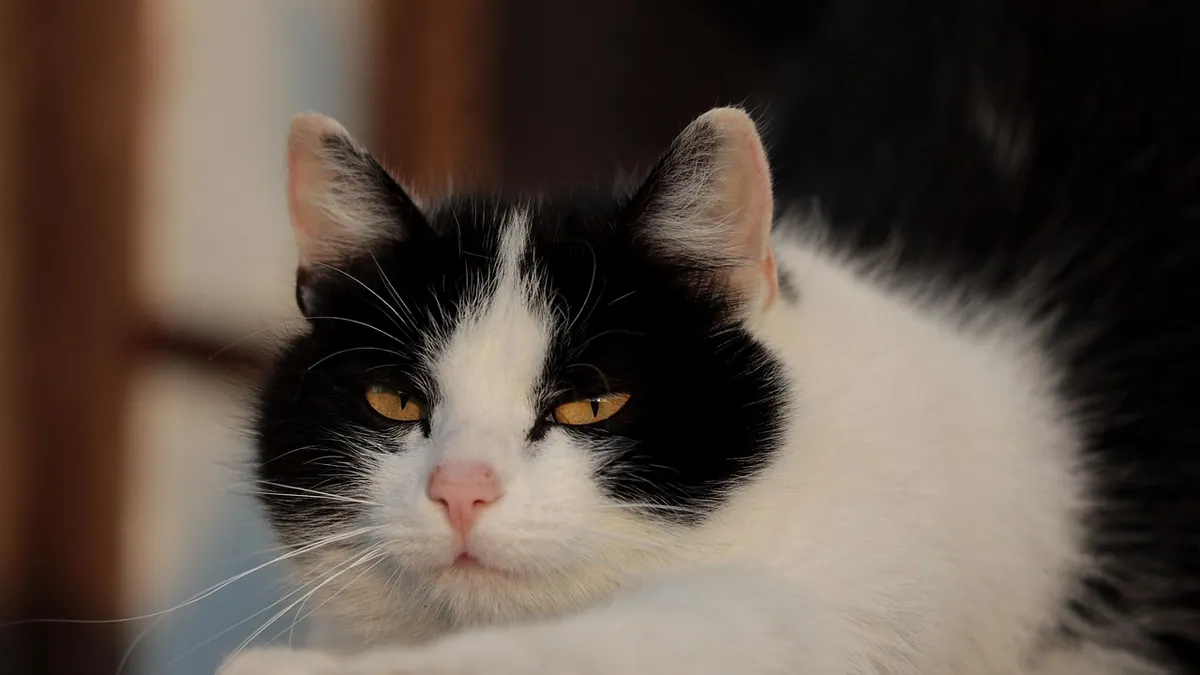
Why does my cat not like to be pet? Most of the time, it comes down to normal feline preferences. Cats are often selective about where and how they are touched, and many prefer brief contact on their own terms. Sometimes, though, a cat who suddenly avoids petting is telling you something hurts.
This article is educational and is not a substitute for veterinary diagnosis or treatment.
Quick Answer
- Many cats dislike being touched on the belly, tail base, paws, and hind legs, and they may swat or bite when you go there.
- A sudden change in touch tolerance is a medical red flag, not a personality quirk.
- Forced or restrained petting raises stress hormones, while passive, low-pressure contact lowers them [1].
- Cats often choose vertical space and quiet rooms over human contact, especially in busy settings [2].
- Your job is to let the cat lead, keep sessions short, and stop before your cat wants you to stop.
Why Your Cat May Not Like Being Pet (Normal Reasons)
Cats are not small dogs. Many enjoy some contact, but the rules are theirs. In one study of 27 cats in a cat café, human contact was absent during 44.4% of observed time, and individual cats ranged from eager engagement to clear avoidance [2]. That range is normal.
Touch sensitivity varies by body region
The belly protects vital organs. The tail base is loaded with nerve endings. Paws are used for balance and defense. Many cats guard these areas. A cat who loves chin scratches may still bite if you rub her belly.
Petting can tip into overstimulation
Cats have a lower threshold for sustained touch than most dogs. What starts as purring can shift to a tail flick, skin twitch, flattened ears, or a quick nip. These are warnings, not betrayal. Respect them and the behavior usually stays mild.
Your cat's attachment style plays a role
Researchers classified 20 pet cats as secure, insecure-anxious, or insecure-avoidant using a Secure Base Test. Secure cats showed more positive hormonal responses to human interaction, while insecure cats showed rising cortisol or limited hormonal benefit [1]. If your cat was undersocialized or had a rough start, she may need slower, more predictable contact.
Passive contact often beats active petting
In the same study, passive interactions (being near the owner without forced handling) increased oxytocin and decreased cortisol. Forced interactions did the opposite [1]. Sitting quietly near your cat may do more for your bond than a long petting session.
Kittens are still learning
If your kitten does not like to be pet, that is often developmental. Kittens go through sensitive periods for socialization, and a kitten who was handled roughly or rarely may flinch at hands. Keep sessions to a few seconds, pair touch with treats, and let the kitten walk away. Never corner a kitten for cuddles.
Medical Causes to Rule Out First
A cat who always disliked petting is one thing. A cat who used to enjoy it and now does not is another. Pain and skin disease are common reasons for a sudden change.
Pain and arthritis
Older cats hide pain well. Arthritis in the spine, hips, and elbows can make gentle touch feel sharp. A cat may hiss when you stroke her back or stop jumping onto the bed. Dental pain can also make a cat pull away when you touch her face or chin.
Skin and ear problems
Fleas, mites, allergies, and skin infections cause itching and soreness. If your cat scratches, overgrooms, or has scabs, read Why Is My Cat So Itchy?. Ear infections and ear mites can make head and neck petting painful.
Hormonal and stress-related changes
Stress shows up in a cat's hormones. In a study of 78 queens, stress scores correlated positively with serum cortisol and progesterone concentrations [3]. While that study focused on reproduction, the takeaway applies broadly: stress has measurable physical effects. A cat under chronic stress may become touch-averse.
Neurologic and thyroid disease
Hyperthyroidism, high blood pressure, and nerve pain can all change how touch feels. A veterinarian can check for these with an exam and blood work.
Sudden fear or hiding
If your cat is hiding more and avoiding you, that is a different pattern. See Why Is My Cat Hiding? and Why Is My Cat Suddenly Afraid of Me?. If hiding comes with litter box changes, read Why Is My Cat Suddenly Hiding and Not Using the Litter Box?.
When Not Liking Petting Becomes a Problem
Some touch avoidance is normal. It becomes a problem when it changes or when it affects daily life.
- Your cat used to seek petting and now avoids all hands.
- Your cat flinches, vocalizes, or bites during gentle contact.
- Your cat stops grooming, eating, or jumping.
- Your cat hides from everyone, including people she trusts.
- You cannot trim nails, give medication, or get her into a carrier without a fight.
Owners at clinics without feline-only areas or hours reported more difficulty removing cats from carriers and giving medication at home [4]. That finding is about veterinary visits, but the principle carries over: stress makes handling harder. A cat who is already on edge about touch will struggle more with routine care.
What to Do Step by Step
Step 1: Get a veterinary exam
Book a visit before you assume this is behavioral. Your veterinarian can check teeth, ears, skin, joints, and blood work. If pain is found, treatment often restores tolerance for touch.
Step 2: Map your cat's comfort zones
Sit near your cat and offer one finger. Let her sniff. Touch one spot for one second, then stop. Score the reaction.
- Green: leans in, purrs, slow blinks.
- Yellow: ears rotate, tail flicks, skin ripples.
- Red: hisses, swats, leaves, pupils dilate.
Write down which spots are green. Chin, cheeks, and the base of the ears are common favorites. Belly, paws, and tail are common red zones.
Step 3: Use the three-second rule
Pet for three seconds, then pause. If your cat stays and leans in, continue. If she walks away, the session is over. Short, frequent sessions build trust faster than long ones.
Step 4: Pair touch with something good
Offer a treat before, during, and after gentle contact. Keep the treat small so your cat stays interested. If your cat will not take food, she is too stressed and you should back off.
Step 5: Let your cat choose the pressure
Some cats like firm pressure along the back. Others want a light touch on the cheek only. Watch the body, not the purr. Purring can mean contentment or self-soothing.
Step 6: Build a cat-friendly environment
Cats in a café study preferred elevated structures and cat-only rooms, especially when customer occupancy was high [2]. At home, add cat trees, shelves, and quiet hiding spots. Give your cat a place to retreat where no one follows.
Step 7: Enrichment that does not involve hands
Wand toys, food puzzles, and window perches let your cat interact with the world without being touched. A tired, engaged cat is often more tolerant of brief contact later.
Step 8: Keep a log
Track time of day, spot, pressure, and your cat's reaction for two weeks. Patterns will show up. Many cats accept touch better after a meal or during a calm evening.
What Not to Do
Do not punish
Never yell, spray, or scruff a cat for pulling away. Punishment adds stress and can turn a mild aversion into defensive biting. The study on owner-cat interactions found that forced interactions raised cortisol and lowered oxytocin [1]. Force makes the problem worse.
Do not hold your cat down
Restraint teaches a cat that hands mean loss of control. That lesson sticks. It also makes future vet visits and medication harder.
Do not assume all cats love petting
The idea that cats are universally cuddly is a myth. Some cats prefer company over contact. That is not a behavior problem.
Do not ignore sudden changes
A cat who suddenly hates being pet is not being dramatic. Pain, skin disease, and stress all deserve a look. Waiting can let a treatable problem grow.
Do not rely on food alone
Treats help, but they do not replace a veterinary exam or a behavior plan. If your cat bites hard enough to break skin, stop the training plan and call your veterinarian.
When to Involve a Veterinarian or Behavior Professional
Call your veterinarian if touch avoidance starts suddenly, comes with hiding, appetite loss, or litter box changes, or if your cat bites or scratches during normal handling. A certified behavior professional can help if your veterinarian finds no medical cause and your cat still panics at touch.
Veterinary clinics with feline-only areas or hours reported less scruffing and sedation during visits [4]. Ask your clinic if they offer feline-only appointments. Lower-stress visits make home handling easier too.
Limitations and When to Contact a Veterinarian
This article cannot diagnose your cat. Individual cases need a veterinarian who can examine your cat and run tests.
Contact your veterinarian the same day if your cat:
- Yelps, cries, or bites when touched in one specific spot.
- Stops eating or drinking.
- Has a new limp, swelling, or wound.
- Has not used the litter box in 24 hours.
Go to an emergency clinic now if your cat:
- Bites and breaks skin on a person (cat bites need prompt medical care).
- Cannot stand or drags a limb.
- Breathes with an open mouth or struggles to breathe.
- Has a swollen, painful abdomen.
- Collapses or has a seizure.
Schedule a routine visit within a week or two if your cat:
- Slowly tolerates less petting over weeks.
- Grooms one area until the fur thins.
- Hides more but still eats and uses the litter box.
- Has not had a wellness exam in over a year.
Frequently Asked Questions
Why does my kitten not like to be pet?
Kittens often need time to learn that hands are safe. Keep sessions to a few seconds, offer treats, and let your kitten walk away. If your kitten flinches at every touch or cries, ask your veterinarian to check for pain or skin problems.
Can a cat learn to enjoy petting later in life?
Yes, many cats become more accepting with slow, low-pressure contact. Start with one green spot, use short sessions, and stop before your cat pulls away. Progress can take weeks, so keep sessions brief and predictable.
Does purring mean my cat likes being pet?
Not always. Purring can signal contentment, but it can also be a self-soothing response to stress. Watch the rest of the body. A tucked tail, flattened ears, or tense skin means stop, even if your cat is purring.
Should I pet my cat while she eats?
Some cats tolerate it, but many do not. Food is a resource, and touching a cat while she eats can create tension. If you want to build trust, sit nearby without touching, then offer a gentle chin scratch after the meal.
Will getting another cat help?
Not usually. Adding a cat can raise stress and resource competition. If your cat is avoiding touch because of anxiety, a second cat often makes things harder. Talk to your veterinarian before adding another pet.
How do I know if my cat is in pain?
Common signs include hiding, reduced jumping, growling when lifted, changes in grooming, and a stiff walk. A cat in pain may also eat less or avoid being touched on the back or belly. Only a veterinarian can confirm pain and treat it.
Related Articles
- Cat Not Using Litter Box
- Why Is My Cat Hiding?
- Why Is My Cat Suddenly Afraid of Me?
- Why Is My Cat Suddenly Hiding and Not Using the Litter Box?
- Why Is My Cat So Itchy?
- Why Is My Cat Not Eating? A Vet-Reviewed Guide for Pet Owners
- Do Cats Like Being Pet? Reading the Signs
- Why Does My Cat Nip Me When I Pet Him?
- Why Does My Cat Not Like to Be Held?
References
- EXPRESS: The hormonal effects of owner-cat interactions on pet cats of different potential attachment styles. Journal of feline medicine and surgery, 2026.
- Cats in a Cat Café: Individual Cat Behavior and Interactions with Humans. Animals : an open access journal from MDPI, 2025.
- Stress-related cortisol and progesterone concentrations influence the success of ovulation induction in estrous cats. Theriogenology, 2026.
- EXPRESS: Feline stress through owners' eyes: Comparing perceptions in veterinary clinics with and without designated feline-only areas or hours. Journal of feline medicine and surgery, 2026.