Kitten Not Cuddly: Why Some Cats Avoid Affection
By Dr. Zubair Khalid, DVM, MS, PhD ·
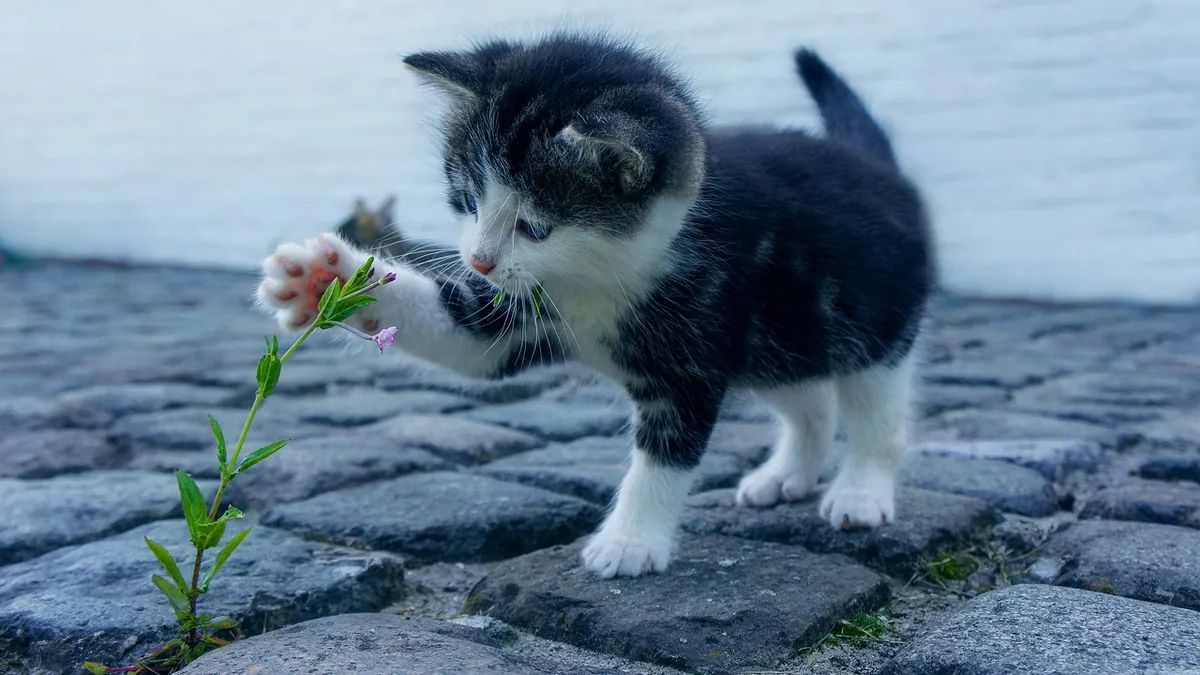
Many kittens are not cuddly, and that is usually normal. Affection tolerance varies widely between cats, and a kitten who prefers playing at a distance or sitting near you instead of on you is not automatically unhappy. A kitten not cuddly may simply have a different social style, a different history, or a need for more time before physical contact feels safe.
This article is educational and is not a substitute for veterinary diagnosis or treatment.
Quick Answer
- Cuddling is not a measure of love in cats. Many healthy, well-bonded cats prefer proximity, play, or brief contact over being held.
- Early life matters. Kittens are most open to socializing with people during a narrow sensitive period, and limited handling in that window can make a kitten more cautious later [1].
- Forced or restrained contact can raise stress hormones, while passive, low-pressure interaction is linked to calmer hormonal responses in cats [2].
- Sudden changes in affection, hiding, or irritability are medical concerns first. Pain and illness often look like aloofness in cats.
- Build trust with choice, routine, play, and treats. Let the kitten approach you instead of picking the kitten up.
Why Some Kittens Are Not Very Cuddly
Personality varies, and that is normal
Cats are social animals in the right circumstances, but they are not all social in the same way [3]. Some indoor cats prefer living alone, and even cats who enjoy company differ in how much touching they want. A kitten who follows you from room to room but hates being held is showing attachment in a different form.
The sensitive period shapes comfort with people
Kittens go through a socialization or sensitive period when they are most open to getting used to people, other animals, and new sensations [1]. Exposure during that window helps prevent fear later. A kitten who had little gentle handling during that time, or who came from a crowded or understaffed situation, may need months of patient work to relax around hands.
Weaning and early experience play a role
Weaning happens between 5 and 8 weeks, and some kittens keep suckling much later for social reasons instead of nutrition [1][3]. Early weaning leads to earlier play and predatory behavior [1]. Kittens who were separated from their mother or littermates early may be more independent, more mouthy, or less tolerant of close contact.
Your kitten may be a "near me" cat
Many cats show affection by staying in the same room, sleeping at the foot of the bed, or rubbing against your legs. That is social behavior, not rejection. Physical contact often increases after separations, which suggests cats do value their people, even when they do not want to be held [4].
Hormones respond to how you interact
In one study of pet cats, passive interactions were linked to increased oxytocin and decreased cortisol, while forced interactions showed the opposite pattern [2]. In plain terms, letting a cat choose contact tends to be calming. Grabbing, cornering, or holding a struggling kitten tends to be stressful.
Attachment style differs between cats
Cats can show secure, insecure-anxious, or insecure-avoidant patterns with their owners [2]. Secure cats had more positive hormonal responses to human interaction, while insecure cats showed more cortisol or a limited hormonal response [2]. A kitten who seems distant may be wired to be cautious, not cold.
Medical Causes to Rule Out
Pain is a common hidden cause
A kitten who was cuddly and now avoids touch may be hurting. Dental disease, injuries, abdominal pain, and joint problems can all make handling uncomfortable. Cats are good at hiding pain, so a change in affection is often the first visible sign.
Illness can look like aloofness
Cats who feel unwell often withdraw, sleep more, and interact less. Watch for changes in appetite, litter box habits, grooming, and activity. If your kitten stops eating, that is urgent. Read more about why a cat not eating for one day is a higher risk than it sounds: Cat Not Eating for One Day: Why Cats Are at Higher Risk.
Parasites and skin problems
Fleas and other parasites cause itching, restlessness, and irritability that can make a kitten pull away from touch. Safe products matter, especially for kittens, because some adult flea treatments are toxic to young cats. See Fleas on Cats: Safe Flea Treatments and What to Avoid.
Fear and stress are medical issues too
A kitten who hides, flattens, hisses, or freezes is stressed, not rude. Sudden fear of a familiar person can follow a scary event, a change in the home, or a medical problem. This article covers that pattern in detail: Why Is My Cat Suddenly Afraid of Me?.
Breed and appearance do not predict cuddliness
Breed standards and social media trends have pushed some cats toward extreme features chosen for looks instead of health or temperament [5]. Those extremes can come with chronic health problems that affect comfort and behavior [5]. A kitten's breed tells you very little about how affectionate that individual cat will be.
When a Kitten Not Cuddly Becomes a Problem
Normal variation versus a real change
It is normal for a kitten to have a stable, reserved personality from the start. It is a problem when a previously affectionate kitten becomes distant, or when avoidance comes with other signs like hiding, growling, poor appetite, or litter box changes.
Signs of stress to watch for
- Hiding more than usual
- Flattened ears, dilated pupils, tucked tail
- Freezing or fleeing when you reach toward the kitten
- Overgrooming or hair loss
- Not playing, not eating, or not using the litter box normally
Signs of pain to watch for
- Crying or flinching when picked up or touched in a specific spot
- Limping, stiffness, or reluctance to jump
- Grinding the teeth, squinting, or a hunched posture
- Sudden irritability, including swatting or biting
Aggression that appears out of nowhere deserves attention. This guide explains the common triggers and safety steps: Cat Aggression Towards People: Why and What to Do.
What is not well established
There is no reliable test that predicts how affectionate a kitten will become as an adult. Claims that a certain coat color or breed guarantees a cuddly cat are not supported by veterinary research. Judge your kitten by behavior over time, not by appearance.
What to Do: Step by Step
Step 1: Get a veterinary exam first
Before you assume this is personality, have your veterinarian examine your kitten. A physical exam, weight check, and parasite screening can rule out pain and illness. Bring notes about when the behavior started and what changed in the home.
Step 2: Let the kitten set the pace
Sit on the floor and ignore the kitten for a few minutes. Let the kitten come to you. Offer a hand at nose level and wait. If the kitten rubs against it, give one or two gentle strokes on the cheek or shoulder, then stop. Passive, choice-based contact is linked to calmer stress hormone patterns in cats [2].
Step 3: Pair your presence with good things
Feed meals near you, toss treats, and use a wand toy so the kitten associates you with play and food. Play is a strong bonding tool, and cats from familiar homes show more play and exploration when their caregiver is present [4]. Keep sessions short, five to ten minutes, a few times a day.
Step 4: Build a predictable routine
Cats relax when the environment is predictable. Feed at the same times, keep the litter box clean, and give the kitten a quiet room or hiding spots to retreat to. Predictability lowers the need to stay on guard.
Step 5: Respect the "no"
If the kitten walks away, let it go. If the tail flicks, the ears flatten, or the skin ripples along the back, stop touching. Learning your kitten's early signals prevents bites and keeps trust intact.
Step 6: Use gentle handling practice
Pick up your kitten only when necessary at first, and keep sessions to a few seconds. Support the chest and hindquarters. Put the kitten down before it struggles, so the experience ends on a calm note. Over weeks, many kittens accept longer holds. Some never will, and that is okay.
Step 7: Enrich the environment
Add vertical space like cat trees, scratching posts, window perches, and puzzle feeders. Enrichment reduces boredom and stress, which often improves social behavior. A busy, confident kitten is usually a more tolerant kitten.
Step 8: Track progress
Keep a simple log of what you tried and how your kitten responded. Look for trends over two to four weeks. Small gains, like a kitten choosing to nap on the couch near you, count as progress.
What Not to Do
Do not punish or scold
Punishment does not teach a cat to enjoy touch. It teaches the cat that hands are unpredictable. That can turn a reserved kitten into a fearful or defensive one.
Do not force cuddles
Holding a struggling kitten may feel like love to you, but it raises stress. Forced interactions were linked to higher cortisol and lower oxytocin in cats [2]. That pattern works against the bond you are trying to build.
Do not use food deprivation or flooding
Never withhold food to make a kitten accept touch, and never trap a kitten in your arms until it stops fighting. These methods increase fear and can cause lasting behavior problems.
Do not compare your kitten to other cats
A calm lap cat and an active, independent kitten can both be healthy and happy. Cats differ in attachment style and social needs [2][4]. Your job is to meet your kitten where it is.
Do not skip the vet because "it is just personality"
Sudden changes in affection are a medical red flag until proven otherwise. A quick exam is cheaper and kinder than weeks of guessing.
Do not rely on breed marketing
Appearance-focused breeding has welfare costs, and extreme features can come with chronic conditions that affect comfort and behavior [5]. Temperament comes from the individual cat and its experiences, not from a cute photo online.
When to Involve a Veterinarian or Behavior Professional
Call your veterinarian soon if:
- Your kitten hides most of the day
- Affection dropped suddenly after being steady
- Your kitten flinches, cries, or limps when touched
- Appetite, drinking, or litter box habits changed
- The kitten is not gaining weight or is losing weight
Ask for a behavior referral if:
- Your kitten hisses, growls, or bites when approached
- Fear is getting worse despite your efforts
- You cannot handle the kitten for basic care like nail trims or vet visits
- There are other pets in the home and tension is rising
A veterinarian can check for pain and illness and discuss behavior options. A certified behavior professional can build a step-by-step plan for fear and handling. Ask your veterinarian for a referral in your area.
Limitations and When to Contact a Veterinarian
This article cannot tell you whether your specific kitten is healthy, in pain, or simply reserved. Only a veterinarian who examines your kitten can do that.
Contact a veterinarian the same day if your kitten stops eating, hides and will not come out, cries when touched, or shows sudden aggression. Seek emergency care now if your kitten is having trouble breathing, collapses, has a swollen or painful abdomen, strains to urinate, or has repeated vomiting or diarrhea. For poison exposure, call the ASPCA Animal Poison Control Center at (888) 426-4435 or the Pet Poison Helpline at (855) 764-7661 right away.
Schedule a routine visit within a few days for any gradual change in affection, new hiding, or reduced play. Early visits catch problems while they are easier to treat.
Frequently Asked Questions
Will my kitten become cuddly as it gets older?
Some do, and some do not. Kittens who are cautious often relax with time, routine, and choice-based handling, but a reserved adult cat may stay reserved. Focus on building trust and reading your cat's signals instead of waiting for a personality change.
Does my kitten hate me if it will not cuddle?
No. Cats show attachment in many ways, including following you, sitting nearby, and greeting you at the door. Physical contact is only one form of affection, and many cats prefer proximity over being held.
Is it normal for a kitten to be friendly sometimes and distant other times?
Yes, this is common and often tied to energy level, hunger, noise, or how the cat feels physically. A pattern of ups and downs is usually normal. A sudden, lasting shift toward distance is the kind of change worth a vet visit.
Can I train my kitten to enjoy being held?
You can often increase tolerance with short, calm sessions that end before the kitten struggles. Start with a few seconds, reward with treats, and build slowly. Some cats never enjoy being held, and forcing it will make things worse.
Should I get a second kitten to make mine more affectionate?
Not for that reason. A second cat can add companionship or can add stress, depending on the cats. If you are considering another pet, talk with your veterinarian about your kitten's temperament and how to introduce them safely.
Related Articles
- Cat Aggression Towards People: Why and What to Do
- Cat Not Eating for One Day: Why Cats Are at Higher Risk
- Why Is My Cat Suddenly Afraid of Me?
- Why Was My Cat Choking
- Fleas on Cats: Safe Flea Treatments and What to Avoid
- Cat Hiding and Not Eating: When to Worry
- My Kitten Doesn't Want to Cuddle: Is That Normal?
- Cat Not Affectionate? Understanding Feline Personality
- My Kitten Used to Be Cuddly: Why the Change?
References
- Social Behavior of Cats - Behavior. Merck Veterinary Manual.
- EXPRESS: The hormonal effects of owner-cat interactions on pet cats of different potential attachment styles. Journal of feline medicine and surgery, 2026.
- Normal Social Behavior in Cats - Cat Owners. Merck Veterinary Manual.
- Impact of Living Environment on Attachment Behaviour in Domestic Cats from Private Homes and Shelters. Animals : an open access journal from MDPI, 2025.
- Prioritization of Appearance over Health and Temperament Is Detrimental to the Welfare of Purebred Dogs and Cats. Animals : an open access journal from MDPI, 2024.