Cat Not Affectionate? Understanding Feline Personality
By Dr. Zubair Khalid, DVM, MS, PhD ·
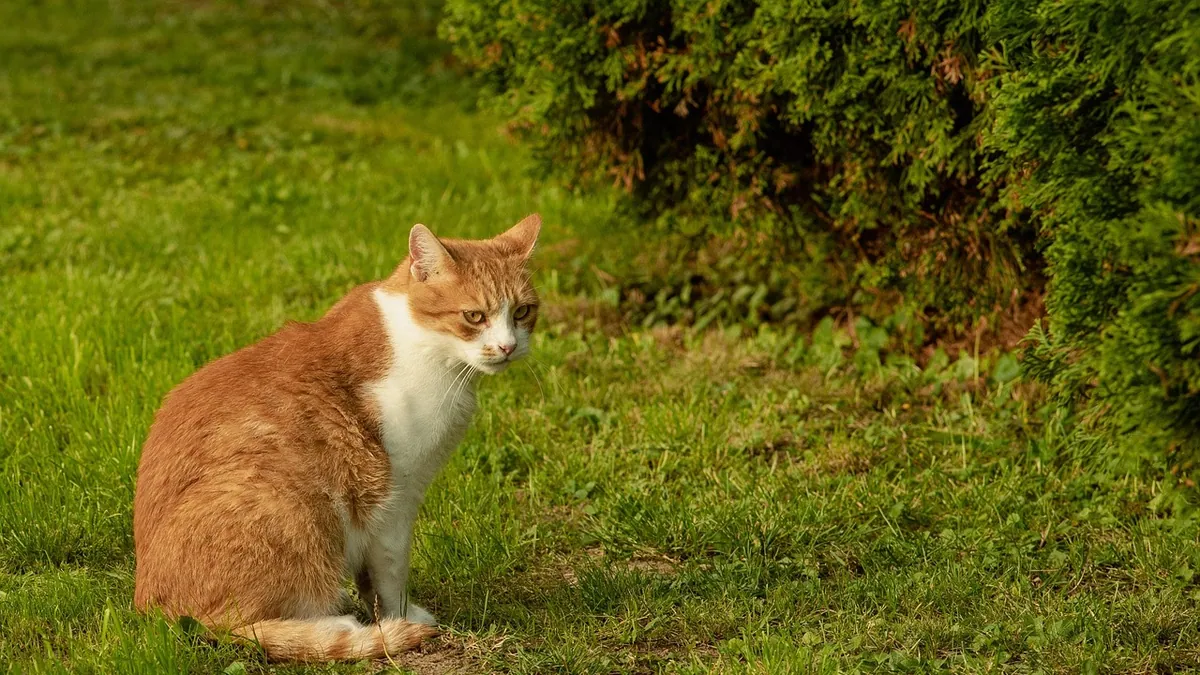
Many cats are simply less demonstrative than people expect, and a cat not very affectionate is often behaving normally for its individual personality. Affection in cats ranges from clingy to independent, and both ends of that range can be healthy. The real question is whether your cat's behavior has changed or whether it never showed much interest to begin with.
This article is educational and is not a substitute for veterinary diagnosis or treatment.
Quick Answer
- Cats are social animals, but the basic feline social unit is a mother cat and her kittens, so adult independence is normal [1].
- A cat that was never cuddly may just have a reserved personality, while a sudden change in affection often points to a medical problem.
- Passive, low-pressure contact (sitting nearby, slow blinking, gentle petting on the cat's terms) tends to raise oxytocin and lower cortisol in cats [2].
- Forced or restrained interaction does the opposite, raising stress hormones and pushing a cat further away [2].
- Hand-reared kittens and kittens raised without other cats may lack feline social skills and show odd or hyperactive behavior later [3].
Why Some Cats Are Not Very Affectionate
Normal feline social behavior
People often assume cats are solitary, but they are quite sociable in the right circumstances [1]. Some indoor cats prefer living alone, while many do well in groups [1]. The catch is that feline sociability does not always look like human sociability. A cat may show bond through proximity, following you room to room, or slow blinking instead of sitting in your lap.
The core feline social unit is the queen and her kittens [1]. Weaning happens between 5 and 8 weeks, though some kittens will occasionally suckle much later, which is probably more about social behavior than nutrition [1]. In stable outdoor groups, kittens stay with their mother or her extended social group for the first 12 to 18 months of life, and male kittens more commonly leave the group than females [1]. This tells you something important. Cats are wired for selective, gradual bonding, not instant affection with everyone.
Personality and attachment style
Cat personality varies widely, and research supports the idea that cats form different attachment styles with their owners. In one study, cats were classified as secure, insecure-anxious, or insecure-avoidant using a Secure Base Test [2]. Secure cats showed more positive hormonal responses to human interaction, while insecure cats showed increased cortisol or limited hormonal response [2]. In plain terms, some cats are built to relax into contact and others are not, and that difference shows up in their stress hormones.
Environment matters too. Cats from private homes showed more exploratory and play behavior, especially after reuniting with their caregiver, while shelter cats showed reduced play, more passive behavior, and more frequent purring after reunion [4]. Physical contact increased after separations in both groups, which suggests cats do register and respond to being left and reunited [4]. If you adopted an adult cat from a shelter, its reserve may reflect its history, not its feelings about you.
Kitten not affectionate: early socialization
A kitten not affectionate is often a kitten that missed key early experiences. Kittens are born with closed eyes that open at about 7 to 10 days old, and they are altricial, meaning they depend completely on maternal care early on [3]. The queen stimulates them to eat and eliminate [3]. Hand-reared kittens may lack feline social skills and be hyperactive in object and social play [3]. Rearing a kitten with other cats in the home and providing play sessions with wand-type toys can prevent these problems [3].
Socialization also affects how cats think and solve problems. In one study, more socialized cats were more likely to solve a food puzzle, solved it faster, and approached the new apparatus sooner [5]. Socialization toward humans is not just about cuddliness. It shapes how boldly and confidently a cat engages with the world.
Medical Causes to Rule Out First
Before you decide your cat is just aloof, consider pain or illness. Cats hide discomfort well, and one of the earliest signs can be withdrawing from people. A cat with dental pain, arthritis, an ear infection, or nausea may avoid being picked up or handled because touch hurts. A cat that suddenly stops sleeping on your bed or stops greeting you at the door deserves a veterinary exam.
Behavior itself is defined partly by how much it deviates from normal for that cat and how much of a problem it creates [6]. That definition cuts both ways. A cat that has always been independent is not abnormal. A cat that was affectionate last month and hides now is a different situation.
Some physical and behavioral traits get pushed to extremes in certain breeds because of appearance-focused breeding, and those extremes carry real health and welfare consequences, including chronic conditions affecting breathing, eyes, teeth, skin, and the musculoskeletal system [7]. If your cat is a flat-faced breed or has exaggerated physical features, breathing difficulty or chronic discomfort could be part of why it avoids close contact. That is a conversation for your veterinarian.
When Lack of Affection Becomes a Problem
Ask three questions.
- Has the behavior changed? A lifelong independent cat is usually fine. A sudden shift is a red flag.
- Is the cat still eating, drinking, using the litter box, grooming, and moving normally? Changes in these basics point toward illness.
- Is the cat showing other stress signs, such as hiding, overgrooming, vocalizing at night, or avoiding a specific person or room?
If the answer to any of these is yes, start with a veterinary visit. If your cat is medically healthy and you want a closer bond, the next section is for you.
How to Build Trust With a Cat That Is Not Very Affectionate
Let the cat choose the contact
Passive interaction is the single most useful tool. In a study of owner-cat interactions, passive interactions were linked to increased oxytocin and decreased cortisol, while forced interactions showed the opposite pattern [2]. Practically, this means sitting quietly near your cat, offering a hand for it to sniff, and letting it walk away without following. Do not scoop up a cat that is backing away. That is a forced interaction, and it works against you.
Use food, play, and routine
- Feed on a predictable schedule so your cat associates you with good, calm things.
- Use wand toys for interactive play. This is specifically recommended to prevent social and play problems in hand-reared kittens [3].
- Offer treats when your cat approaches you on its own, so approaching pays off.
- Keep a safe space, scratching outlets, play, and rest areas available, which supports a cat's behavioral needs [3].
Respect feline communication
Learn the signals. A tail flicking at the tip, ears rotating back, or skin twitching usually means "enough." A slow blink, kneading, head bunting, and following you are affection signs. Purring is not always contentment. Shelter cats in one study purred more frequently after reunion with their caregiver, along with more passive behavior [4]. Purring can be a coping behavior, so read the whole cat, not one sound.
Give it time and consistency
Cats form bonds gradually. In stable groups, young cats stay close to their social circle for 12 to 18 months [1]. Your cat may need months, not days, to trust hands and laps. Keep sessions short and end on a good note.
If you are curious how appearance and breed traits shape behavior, see Tabby Cat: Personality, Care, and Common Health Concerns and Tortoiseshell Cat: The Unique Personality of 'Torties' Explained. Coat color and breed do not determine affection, but they can shape how people treat a cat, which shapes the cat.
What Not to Do
- Do not punish a cat for avoiding you. Punishment adds stress and teaches the cat that you are unpredictable.
- Do not force cuddling, holding, or picking up. Forced interaction raises cortisol and lowers oxytocin in cats [2].
- Do not assume a purring cat is happy. Purring can appear alongside passive, stressed behavior after separation [4].
- Do not believe the myth that cats are solitary and do not need company. Cats are sociable in the right circumstances and many do well in groups [1].
- Do not skip the vet because "that's just how cats are." Sudden withdrawal can be pain.
When to Involve a Veterinarian or Behavior Professional
Call your veterinarian if your cat's affection level drops suddenly, if it hides more, if it stops using the litter box normally, or if it shows any sign of pain such as limping, flinching when touched, or reluctance to jump. A veterinarian can rule out medical causes and calculate any needed medication dose based on your cat's weight and health.
Ask for a referral to a veterinary behaviorist or certified behavior professional if your cat is medically healthy but shows ongoing fear, aggression, or distress that affects daily life. Behavior problems are best defined by how far a cat deviates from normal and how much the behavior affects the household [6], and a qualified professional can build a reinforcement-based plan. Reinforcement-based training and advice on socialization, normal feline behaviors, and a safe household environment are core parts of getting a newly adopted cat off to a good start [3].
Limitations and When to Contact a Veterinarian
This article cannot tell you whether your specific cat is healthy. Individual cases need a veterinarian who can examine your cat in person.
Contact a veterinarian the same day if your cat:
- Stops eating or drinking
- Hides constantly and will not come out
- Cries out when touched or picked up
- Has trouble breathing, open-mouth breathing, or a change in breathing effort
- Shows sudden aggression when handled
Go to an emergency clinic now if your cat:
- Cannot urinate or is straining in the litter box with little or no urine
- Is vomiting repeatedly or has a swollen, painful abdomen
- Collapses, has a seizure, or cannot use its back legs
- Is bleeding heavily or has been hit by a car
Schedule a routine visit if your cat's personality shifts over days to weeks, if it is grooming less or more, or if you notice weight change, bad breath, or stiffness. For general wellness and behavior questions, see Cute Cats: Understanding the Health Behind the Adorableness.
Frequently Asked Questions
Is it normal for a cat to not be affectionate?
Yes, it can be completely normal. Cats vary in attachment style, and some are secure while others are avoidant or anxious in how they relate to people [2]. A cat that was never cuddly but is otherwise healthy and interactive is usually just a reserved individual.
Can a kitten grow out of being aloof?
Sometimes, yes. Kittens that were hand-reared or raised without other cats may lack feline social skills and show hyperactive or awkward play, which can improve with play sessions and a home with other cats [3]. Early socialization also predicts better problem solving and faster approach to new things [5], so patient, positive exposure helps.
Do cats bond with only one person?
Not always, but many cats do show strong preferences. Cats form their primary social bonds early, staying with the mother or her group for 12 to 18 months in stable outdoor groups [1]. That early template can shape who a cat trusts most later.
Does purring mean my cat loves me?
Not necessarily. Purring can appear in relaxed cats, but shelter cats in one study purred more often after reunion with their caregiver along with more passive behavior [4]. Look at the whole body, including ear position, tail, and whether the cat seeks or avoids contact.
Should I get a second cat to make my cat more affectionate?
No, that is not a reliable reason to add a cat. Some indoor cats prefer living alone, while many get along well in groups [1]. Adding a cat can increase stress for a cat that wants its own space, so base that decision on your cat's temperament and your veterinarian's input.
Can stress make a cat less affectionate?
Yes. Forced or unwanted interaction raises cortisol and can reduce oxytocin in cats, while passive contact does the reverse [2]. If your home has changed recently (a move, a new baby, a new pet), give your cat quiet space and predictable routines before expecting affection to return.
Related Articles
- Why Are Cats So Cute? The Science Behind Feline Adorableness
- Cute Cats: Understanding the Health Behind the Adorableness
- Tabby Cat: Personality, Care, and Common Health Concerns
- The Nyan Cat Phenomenon: How Internet Memes Affect Pet Behavior
- Tortoiseshell Cat: The Unique Personality of 'Torties' Explained
- Cat Not Using the Litter Box: Medical or Behavioral?
- Kitten Not Cuddly: Why Some Cats Avoid Affection
- Do Cats Love Their Owners? The Science of Feline Bonding
- How Do Cats Show Affection? 10 Real Signs
References
- Normal Social Behavior in Cats - Cat Owners. Merck Veterinary Manual.
- EXPRESS: The hormonal effects of owner-cat interactions on pet cats of different potential attachment styles. Journal of feline medicine and surgery, 2026.
- Social Behavior of Cats - Behavior. Merck Veterinary Manual.
- Impact of Living Environment on Attachment Behaviour in Domestic Cats from Private Homes and Shelters. Animals : an open access journal from MDPI, 2025.
- Effects of Socialization on Problem Solving in Domestic Cats. Animals : an open access journal from MDPI, 2024.
- Introduction to Behavior of Cats - Cat Owners. Merck Veterinary Manual.
- Prioritization of Appearance over Health and Temperament Is Detrimental to the Welfare of Purebred Dogs and Cats. Animals : an open access journal from MDPI, 2024.