My Kitten Doesn't Want to Cuddle: Is That Normal?
By Dr. Zubair Khalid, DVM, MS, PhD ·
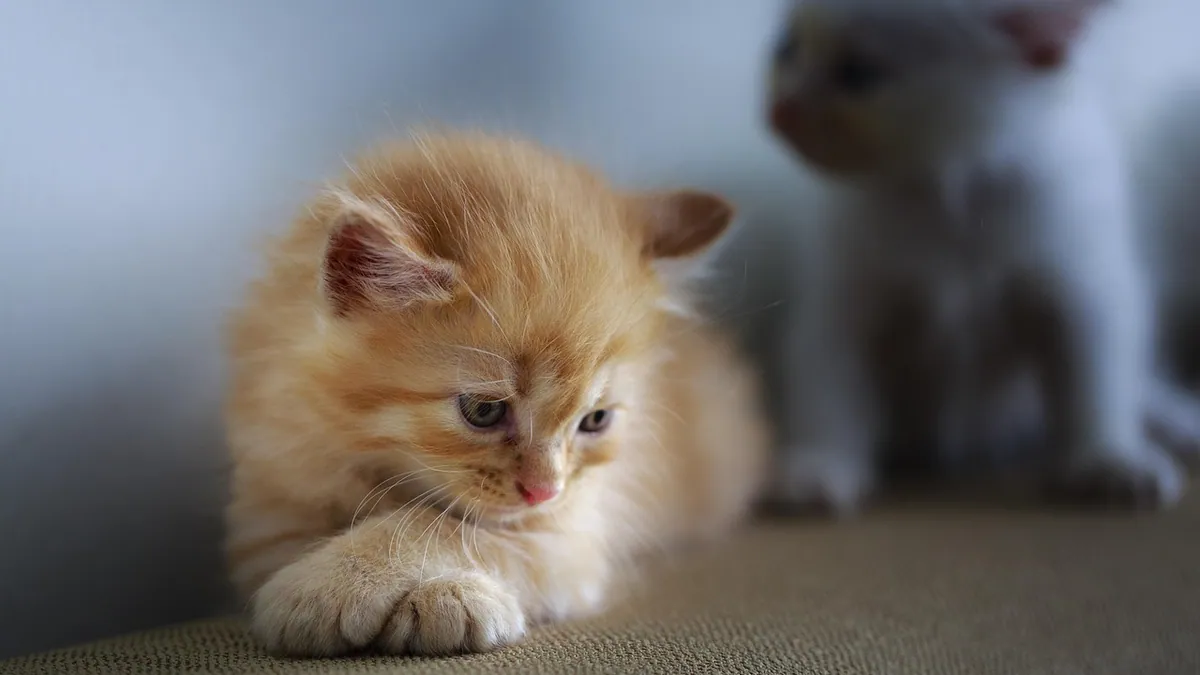
Is it normal for kittens to not want to cuddle? Yes. Many healthy kittens prefer play, exploration, or sitting near you over being held. Affection in cats is a temperament trait, and it varies widely from one kitten to the next.
This article is educational and is not a substitute for veterinary diagnosis or treatment.
Quick Answer
- Not wanting to cuddle is normal for many kittens, especially between 8 and 16 weeks when play and exploration drive most behavior.
- A kitten who avoids your lap but follows you around, sleeps nearby, or rubs against your legs is still bonded to you.
- Forced holding and restraint raise stress hormones and lower bonding hormones in cats, so pressure usually backfires [1].
- Cats show affection in species-specific ways. Rubbing and head bunting (bunting) are linked to wellbeing benefits, while stroking benefits are seen mainly in dogs [2].
- Sudden changes in affection, hiding, or flinching when touched need a veterinary exam, because pain and illness can look like aloofness.
Is It Normal for Kittens to Not Want to Cuddle? Understanding Kitten Temperament
Yes, and the range of normal is wide. Some kittens melt into your arms. Others tolerate a few seconds and squirm away. Both can be perfectly healthy.
Kittens go through a sensitive period for socialization, roughly between 2 and 7 weeks of age. How much gentle handling they received in that window shapes how comfortable they are with human contact later. A kitten from a feral mother or a busy shelter may simply never have learned that hands are safe.
Personality also plays a role. Cats differ in how they attach to their caregivers, and researchers now classify these patterns using secure, insecure-anxious, and insecure-avoidant attachment styles, adapted from human infant research [1][3]. Secure cats seek comfort and recover quickly. Avoidant cats stay independent and keep their distance. Neither pattern is a defect.
Environment matters too. In a study of 82 cat-caregiver pairs, cats living in private homes showed more exploration and play after reuniting with their person, while shelter cats showed more passive behavior and more purring after reunion [3]. A kitten's early housing can leave a lasting mark on how openly affectionate they become.
Your Kitten May Be Bonded Without Being Cuddly
Cats express attachment through proximity, not just touch. A kitten who naps in the same room, follows you to the kitchen, or head-butts your hand is communicating closeness. Physical contact between cats and caregivers actually increases after separations, which suggests contact is one of several bonding behaviors, not the only one [3].
Bunting (head rubbing) is a cat-initiated behavior tied to positive wellbeing effects in cats [2]. If your kitten rubs against you, that counts. It may matter more than whether they sit in your lap.
Why Your Kitten Avoids Being Held: Normal Reasons
Play Drive Beats Cuddle Drive
Young kittens are wired to pounce, chase, and wrestle. Being scooped up interrupts that. A kitten who wriggles free after 10 seconds is often just bored, not rejecting you.
Touch Sensitivity and Overstimulation
Some cats have a low threshold for physical contact. Petting that feels good for 30 seconds can become irritating at 60 seconds. Watch for a twitching tail, flattened ears, or skin rippling along the back. Those are early stop signals.
Hormonal Responses to Different Kinds of Contact
Not all interaction feels the same to a cat. In a study of 20 pet cats, passive interactions were linked to higher oxytocin and lower cortisol, while forced interactions showed the opposite pattern [1]. Secure cats had more positive hormonal responses to human interaction, and insecure cats showed higher cortisol or limited hormonal response [1]. In plain terms, letting your kitten choose contact is physiologically kinder than making them accept it.
Age and Developmental Stage
Very young kittens often become more tolerant of handling as they mature, though temperament tends to stay fairly stable. Some cats become more affectionate in adulthood. Others never do, and that is still a normal cat.
Breed and Individual Variation
Breed tendencies exist but predict little about any single kitten. Two littermates can have completely different cuddle preferences.
Medical Causes to Rule Out
Behavior changes are different from a kitten who was never cuddly. If your kitten used to seek you out and now avoids contact, think medical first.
- Pain. Dental disease, abscesses, injuries, and arthritis can make handling painful. A kitten who flinches when picked up may hurt, not dislike you.
- Illness. Fever, gastrointestinal upset, and upper respiratory infections reduce sociability. A kitten who hides and stops playing needs an exam.
- Fleas and skin conditions. Itching makes cats restless and touch-averse.
- Neurologic or vision problems. A kitten who startles easily when approached may have trouble seeing or hearing you coming.
- Painful urination or litter box issues. If avoidance comes with litter box changes, see Cat Not Using the Litter Box: Medical or Behavioral? and Why Is My Cat sleeping in litter box? FLUTD Pain and Anxiety Response.
A kitten who stops eating is a separate concern. Read Cat Not Eating But Acting Normal: How Long Can You Wait?.
When Not Wanting to Cuddle Becomes a Problem
Independence alone is not a problem. These situations are.
- Your kitten hides most of the day and avoids all interaction, not just cuddling.
- Handling causes panic, hissing, scratching, or attempts to bite.
- Affection level drops suddenly after weeks or months of normal behavior.
- Your kitten avoids being touched in one specific area of the body.
- Your kitten stops playing, stops grooming, or stops eating.
A kitten who is simply not a lap cat but plays, eats, uses the litter box, and interacts on their own terms is doing fine.
How to Build Trust Without Forcing Contact
Step 1: Let Your Kitten Set the Pace
Sit on the floor at your kitten's level. Let them approach you. Offer a hand for sniffing and wait. If they walk away, let them. Repeat daily. This is the core of trust building.
Step 2: Use Passive Contact First
Passive interaction (being present without grabbing or restraining) was linked to higher oxytocin and lower cortisol in cats [1]. Sit quietly nearby while your kitten plays or eats. Read aloud. Let your body become a neutral, safe object.
Step 3: Pair Touch With Good Things
Pet briefly, then offer a treat or a toy. Keep sessions under a minute at first. Stop before your kitten wants to leave, not after. This teaches that hands predict good outcomes.
Step 4: Respect Stop Signals
Ears back, tail flicking, skin twitching, and a turned head all mean "enough." Ending contact at the first signal prevents the interaction from becoming aversive.
Step 5: Build a Predictable Routine
Feed, play, and quiet time at consistent hours. Predictability lowers baseline stress, which makes social contact easier to accept.
Step 6: Enrich the Environment
- Vertical space. Cat trees and shelves let your kitten choose height and distance.
- Hiding spots. Covered beds and boxes give an escape route, which paradoxically makes cats bolder.
- Daily interactive play. Two or three short sessions with a wand toy burn energy and build a positive association with you.
- Food puzzles and solo toys for independent play.
- A quiet room away from loud household traffic.
Step 7: Consider a Second Kitten
Kittens raised with a littermate or another young cat often get their social needs met through play with each other. That can reduce pressure on you to be the sole source of contact. Introduce cats slowly. If introductions get tense, see Cat Hissing at New Kitten: How Long Will It Last?.
Step 8: Track Progress, Not Perfection
Note what your kitten does accept. Sitting on the couch near you counts. Sleeping at the foot of the bed counts. A brief head rub counts [2]. Progress in cats is often measured in inches.
What Not to Do
- Do not punish. Never yell, spray, or scruff a kitten for avoiding you. Punishment increases fear and makes contact worse.
- Do not force holding. Restraint produces the opposite hormonal pattern of calm contact, with rising cortisol and falling oxytocin [1].
- Do not corner or chase. Trapping a kitten to pet them teaches that you are a threat.
- Do not wake a sleeping kitten to cuddle. Sleep is when many cats accept closeness, and interrupting it creates avoidance.
- Do not believe the myth that a kitten who avoids you was abused or is broken. Temperament and early socialization explain most cases.
- Do not compare your kitten to a dog. Stroking benefits have been shown mainly in dogs, while cat wellbeing links more to cat-initiated rubbing and bunting [2].
- Do not assume food alone fixes it. Treats help, but they work best paired with choice and low-pressure contact.
When to Involve a Veterinarian or Behavior Professional
Call your veterinarian if avoidance is new, if your kitten shows pain signals, or if you cannot handle your kitten for basic care like nail trims or medication. A physical exam can rule out the medical causes listed above.
Ask for a referral to a veterinary behaviorist or a certified applied animal behaviorist if your kitten shows intense fear, aggression when approached, or no improvement after several weeks of low-pressure trust building. Behavior professionals can assess attachment style and design a plan for your specific cat.
If your kitten's behavior swings toward constant clinginess instead, that is a different pattern. See Why Is My Cat Suddenly Clingy?.
Limitations and When to Contact a Veterinarian
This article covers general patterns. Every kitten is an individual, and only your veterinarian can examine your cat and give advice for your situation.
Contact a veterinarian the same day if your kitten:
- Stops eating or drinking
- Vomits repeatedly or has diarrhea
- Cries out when picked up or touched
- Limps or refuses to move normally
- Hides completely and will not come out for food
Go to an emergency clinic now if your kitten:
- Has trouble breathing
- Collapses or seems unresponsive
- Has a swollen, painful abdomen
- Cannot urinate, especially a male kitten straining in the litter box
- Has a known toxin exposure or trauma
Schedule a routine visit within a few days if your kitten:
- Was affectionate and became distant
- Avoids one specific body area
- Has not improved after weeks of gentle trust building
- Has never been examined since you adopted them
Frequently Asked Questions
Should I keep trying to hold my kitten so they get used to it?
No. Forced holding tends to increase stress instead of build tolerance. Cats that are restrained show rising cortisol and falling oxytocin, the opposite of calm, chosen contact [1]. Short, voluntary contact works better.
Is my kitten bonded to me if they never sit on my lap?
Yes, lap sitting is only one form of bonding. Cats show attachment through following you, staying in the same room, rubbing against you, and greeting you at the door. Physical contact between cats and caregivers increases after separations, which shows contact is part of a broader attachment system [3].
Do some kittens grow out of being aloof?
Some do become more affectionate with age, especially after the high-energy kitten stage ends. Others stay independent for life. Temperament is fairly stable, so plan for the cat you have, not the one you hoped for.
Does petting my kitten actually help them?
It depends on the cat and the context. Stroking has been linked to wellbeing benefits mainly in dogs, while in cats the clearer benefits come from cat-initiated rubbing and bunting [2]. Let your kitten initiate contact when possible.
Can a kitten who avoids cuddling still be happy?
Yes. A kitten who plays, eats, grooms, and interacts on their own terms is usually thriving. Watch for changes in those basic behaviors, not for lap time. If your kitten seems withdrawn or clingy instead, ask your veterinarian to evaluate them.
Does a shelter background mean my kitten will never be affectionate?
No. Shelter cats in one study showed more passive behavior and more purring after reuniting with their caregiver, which suggests they still form bonds [3]. They may simply express attachment differently than a kitten raised in a home. Patience and predictable routines help.
Should I get a second kitten to make my kitten more cuddly?
A second kitten will not make your kitten cuddlier with you, but it can meet their social and play needs. That often reduces stress in the household. Introduce them slowly and supervise early interactions.
Related Articles
- Why Is My Cat Suddenly Clingy?
- Cat Hissing at New Kitten: How Long Will It Last?
- Cat Not Eating But Acting Normal: How Long Can You Wait?
- Why Is My Cat sleeping in litter box? FLUTD Pain and Anxiety Response
- Cat Not Using the Litter Box: Medical or Behavioral?
- Why Is My Cat Suddenly Hiding and Acting Weird?
- Kitten Not Cuddly: Why Some Cats Avoid Affection
- Why Does My Cat Not Like to Be Held?
- Why Does My Cat Not Like to Be Pet?
References
- EXPRESS: The hormonal effects of owner-cat interactions on pet cats of different potential attachment styles. Journal of feline medicine and surgery, 2026.
- Wellbeing Effects of Human-Pet Touch in Dogs versus Cats. Journal of applied animal welfare science : JAAWS, 2026.
- Impact of Living Environment on Attachment Behaviour in Domestic Cats from Private Homes and Shelters. Animals : an open access journal from MDPI, 2025.