Cat Pooping on Carpet, Bed, or Floor: Causes and Cleaning
By Dr. Zubair Khalid, DVM, MS, PhD ·
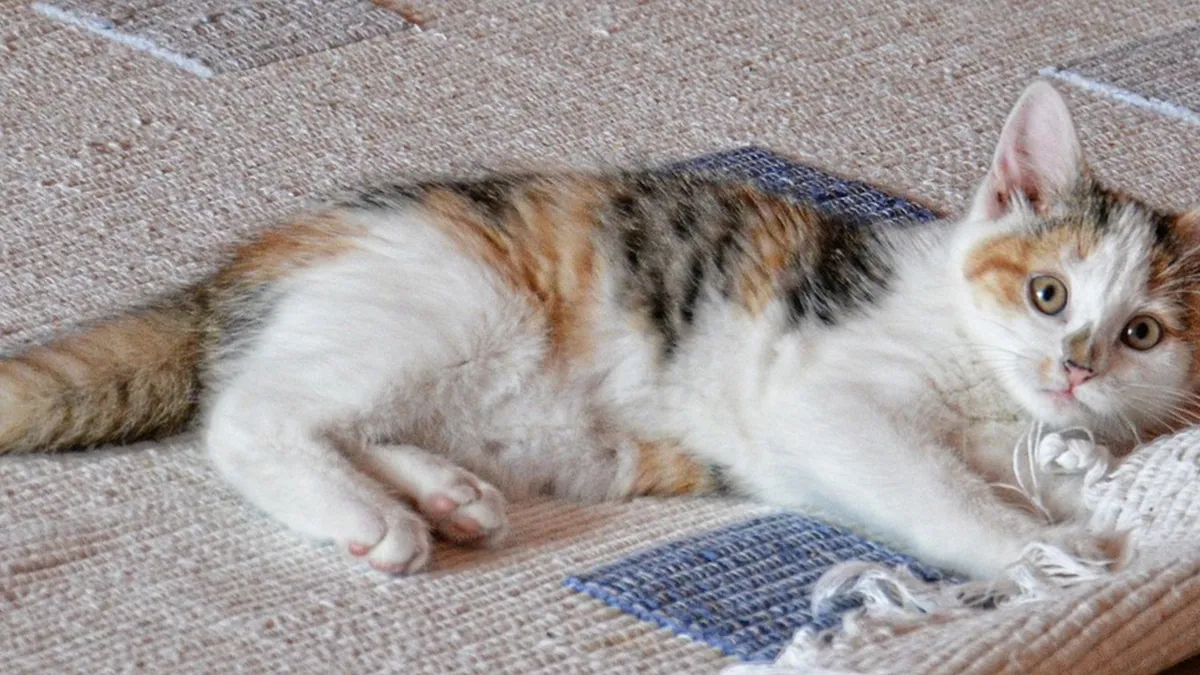
Cat poop on carpet, bed, or floor is one of the most common behavior complaints in cats, and it almost always has a reason you can find and fix. Sometimes the cause is medical, sometimes it is the litter box itself, and sometimes it is stress or a change at home. This article is educational and is not a substitute for veterinary diagnosis or treatment.
Quick Answer
- Any cat that suddenly starts pooping outside the box should see a veterinarian first, because medical problems can cause house soiling and need treatment before behavior work will help [1].
- Most cats prefer a large, uncovered box with clumping clay litter, scooped daily [2][3].
- Clean accidents with an enzymatic cleaner made for pet waste, not ammonia, and never punish the cat.
- Add boxes, not just scoop more. One box per cat plus one is the standard rule, placed in quiet, low-traffic spots.
- If your cat also strains, dribbles, or has diarrhea, call your veterinarian today.
Why Cats Poop Outside the Litter Box
Cats are clean animals by nature. A cat that leaves the box is usually telling you something changed, not acting out of spite.
Normal Reasons First
Some house soiling is not a problem at all, or it is a normal response to a normal event.
- A dirty box. Cats avoid boxes that are not scooped often. In a survey of over 3,000 cats, litter scooping frequency and full litter replacement were linked to whether cats soiled outside the box [3].
- A box that feels wrong. Cats in one study preferred boxes measuring at least 50 cm (about 20 inches) and clumping clay litter. When they got both, house soiling improved [2].
- A recent change. A new pet, a move, a new baby, or rearranged furniture can all push a cat off its routine.
- A box in a bad spot. A box next to a noisy washer or in a corner where the cat feels trapped is easy to skip.
- Age. Older cats may not make it to the box in time, especially with arthritis or cognitive changes [4].
Medical Causes to Rule Out
This is the part owners skip, and it is the part that matters most. A cat that eliminates outside the box should be checked by a veterinarian for an underlying medical condition before anyone decides the problem is behavioral [1].
Digestive tract problems can make pooping painful, increase urgency, or reduce a cat's control over defecation. Kidney disease, thyroid disease, and diabetes can also play a role because they change how often a cat drinks and urinates [4]. Bladder infections cause inflammation and a constant urge to go, which can lead a cat to eliminate before reaching the box [1]. Age-related disease that affects mobility or thinking can also interfere with getting to the box in time [4].
If your cat is straining, passing only small amounts, or has mucus in the stool, that points toward a digestive issue that needs a veterinarian. You can read more about that pattern in Cat Straining to Poop but Only Passing Mucus: Causes and Care. Loose stool is another common trigger, and Cat Diarrhea: Causes, Home Care, and When to Worry covers what to watch for.
When It Becomes a Problem
House soiling is the most common problem cat owners face, and it is the main reason owners surrender cats to shelters [2]. That is the honest scale of it. It is also treatable in most cases.
It becomes a problem when it happens more than once, when it happens in new places, or when it starts after a period of normal box use. A single accident after a stressful day is different from a cat that has decided the bed is now the bathroom. Repeated accidents, or accidents paired with any change in appetite, weight, stool, or energy, need a veterinary visit.
Personality plays a role too. Fearful cats are more prone to litter box issues than nonfearful cats, and low sociability toward other cats, being male, and being intact were linked to more house soiling in one large survey [5]. That does not mean your cat is doomed. It means the fix may need to address stress and the social setup at home, not only the box.
Cat Pooping Outside the Litter Box: A Step-by-Step Plan
Start today. You can do the medical check and the behavior work at the same time.
Step 1: Book the Veterinary Visit
Call your veterinarian and describe exactly what you are seeing. Bring a fresh stool sample if you can. Mention how long it has been happening, whether the stool looks normal, and whether your cat strains or vocalizes. Your veterinarian will decide what testing is needed. Do not guess at a diagnosis or give any medication on your own. If a medication is needed, your veterinarian calculates the dose from your cat's weight and health.
Step 2: Clean Every Accident Site Properly
This is the step most owners get wrong, and it is why cats return to the same spot.
- Remove solids with a paper towel or bag, and throw them away outside.
- Blot the area with a clean cloth and cool water. Do not rub, which pushes waste deeper into the fibers.
- Apply an enzymatic cleaner labeled for pet waste. These break down the organic residue that keeps drawing your cat back.
- Let it sit for the contact time on the label, then blot dry.
- For carpet, work from the outside of the stain inward so you do not spread it.
- For bedding, wash separately on a hot cycle if the fabric allows, then air dry.
- For hard floors, clean with a pet-safe product and rinse well.
Never use ammonia-based cleaners. Urine contains ammonia, and the smell can invite your cat to mark the same spot again. Avoid steam cleaning until the enzymatic product has done its job.
Step 3: Fix the Litter Box Setup
This is where most cases turn around.
- Size. Get boxes at least 50 cm (about 20 inches) long. Many commercial boxes are too small [2].
- Litter. Clumping clay litter was preferred in one study, and a comfortable litter setup improved house soiling [2].
- Number. One box per cat, plus one extra.
- Location. Quiet spots with more than one exit route. Keep boxes away from food, water, and loud appliances.
- Depth. Two to three inches of litter is a good starting point for most cats.
- Cleaning. Scoop at least once daily and replace litter fully on a regular schedule. Scooping frequency and full replacement were both linked to house soiling in a large survey [3].
- Type. Covered boxes are popular with people, not always with cats. If you use one, offer an uncovered option too.
Step 4: Retrain Without Stress
Confine your cat to a small, cat-proof room with the box, food, water, and a bed for a few days. This is not punishment. It rebuilds the habit of using the box. Once your cat is using the box reliably, give more space back, one room at a time.
If your cat poops right next to the box, the box is the problem. Try a bigger box, different litter, or a new location. If your cat poops in one specific spot far from the box, place a box there temporarily, then move it a few inches a day toward where you want it.
A semiochemical product derived from cat anal glands was tested in one study and cats eliminated significantly less in trays sprayed with it [6]. That is a specific product category, so ask your veterinarian what is available and appropriate for your cat.
Step 5: Reduce Stress and Add Enrichment
- Keep routines steady. Feed, play, and clean at the same times.
- Add vertical space, scratching posts, and hiding spots.
- Use separate feeding stations if you have multiple cats.
- Give shy cats a quiet room away from dogs or busy areas.
- Play with your cat daily with a wand toy to burn energy and build confidence.
If your cat is also urinating outside the box, that is a different pattern with overlapping causes. See Why Is My Cat Suddenly Peeing on the Carpet? and Why Is My Cat Peeing on the Rug? Medical and Behavioral Reasons for those cases. For a broader look at defecation specifically, Why Is My Cat Pooping Outside the Litter Box? Causes and Solutions walks through the same problem from a different angle.
What Not to Do
Do not punish your cat. Rubbing a cat's nose in waste, yelling, or spraying water does not teach the cat where to go. It teaches the cat that you are scary, which raises stress and can make the problem worse. It also makes your cat avoid the box when you are nearby.
Do not lock your cat out of the room. That removes the accident site but not the reason. Your cat will find a new spot.
Do not use ammonia cleaners. They smell like urine and can pull your cat back to the same place.
Do not assume it is spite. Cats do not plan revenge. A cat pooping on your bed is usually a cat in discomfort, a cat avoiding a box it dislikes, or a cat under stress.
Do not wait months to call a veterinarian. The longer the habit runs, the harder it is to break, and an untreated medical problem can get worse.
When to Involve a Veterinarian or Behavior Professional
Call your veterinarian first for any cat that starts soiling outside the box. That is the standard recommendation, and it applies even if the stool looks normal [1].
Bring in a certified behavior professional if your veterinarian has ruled out or treated medical causes and the behavior continues. A behavior consultant can assess stress, multi-cat dynamics, and the home setup in detail. Fearful cats and cats in homes with several other cats or dogs may need this extra layer, since those factors were linked to house soiling in large surveys [3][5].
Limitations and When to Contact a Veterinarian
This article cannot tell you what is wrong with your specific cat. Individual cases need a veterinarian who can examine your cat, ask questions, and run tests.
Contact a veterinarian the same day if your cat:
- Has not pooped in 24 to 48 hours, or is straining with nothing coming out
- Has blood in the stool or black, tarry stool
- Is vomiting, not eating, or seems painful
- Is a senior cat with sudden changes in behavior or litter box habits
- Has diarrhea lasting more than a day or two
Go to an emergency clinic now if your cat:
- Is crying out or pacing and cannot pass stool
- Has a swollen, hard abdomen
- Is collapsed, weak, or breathing hard
- Has eaten something that could block the intestines
Book a routine visit soon if your cat:
- Has pooped outside the box more than once
- Has a change in stool consistency or frequency
- Is avoiding the box but otherwise seems fine
Frequently Asked Questions
Why is my cat pooping on the carpet all of a sudden?
A sudden change usually points to a medical issue, a litter box problem, or a stressor at home. Digestive problems, pain, and conditions that affect mobility or thinking can all cause a cat to stop using the box [4]. Start with a veterinary visit, then review the box setup.
How do I clean cat poop from carpet so my cat stops going there?
Remove the solids, blot with cool water, then apply an enzymatic cleaner labeled for pet waste and let it sit for the full contact time. Skip ammonia-based products, which can attract your cat back to the spot. Clean thoroughly the first time so no residue remains.
Should I punish my cat for pooping on the bed?
No. Punishment does not teach a cat where to eliminate, and it raises stress that can make house soiling worse. It can also make your cat afraid of you and of the litter box area. Focus on cleaning, the box setup, and a veterinary check instead.
How many litter boxes should I have?
One box per cat, plus one extra. Place them in quiet, low-traffic areas with more than one way out. Cats in one study preferred boxes at least 50 cm long with clumping clay litter, and that setup improved house soiling [2].
Can stress really make my cat poop outside the box?
Yes. Fearful cats are more prone to litter box issues than nonfearful cats, and living with other cats or dogs was linked to house soiling in a large survey [3][5]. Changes like a move, a new pet, or a new schedule can trigger it. Reducing stress and adding enrichment often helps.
Related Articles
- Why Is My Cat Suddenly Peeing on the Carpet?
- Why Is My Cat Pooping Outside the Litter Box? Causes and Solutions
- Cat Diarrhea: Causes, Home Care, and When to Worry
- Why Is My Cat Peeing on the Rug? Medical and Behavioral Reasons
- Cat Straining to Poop but Only Passing Mucus: Causes and Care
- Why Is My Cat Peeing on the Floor Right in Front of Me?
- How to Stop Your Cat Pooping Outside the Litter Box
- Cat Pooping Under the Bed or Couch: Why and How to Stop It
- Cat Pooping Uncontrollably: Causes and What to Do
References
- Medical Causes of House Soiling in Cats. ASPCA Animal Poison Control Center.
- Litter box size and litter type preference and their associated behavioral changes in cats. The Journal of veterinary medical science, 2025.
- Factors associated with house-soiling in Italian cats. Journal of feline medicine and surgery, 2023.
- Feline Behavior Problems: House Soiling. Cornell University College of Veterinary Medicine.
- Feline litter box issues associate with cat personality, breed, and age at sterilization. Journal of the American Veterinary Medical Association, 2023.
- A Feline Semiochemical Composition Influences the Cat's Toileting Location Choice. Animals : an open access journal from MDPI, 2022.