Cat Pooping Uncontrollably: Causes and What to Do
By Dr. Zubair Khalid, DVM, MS, PhD ·
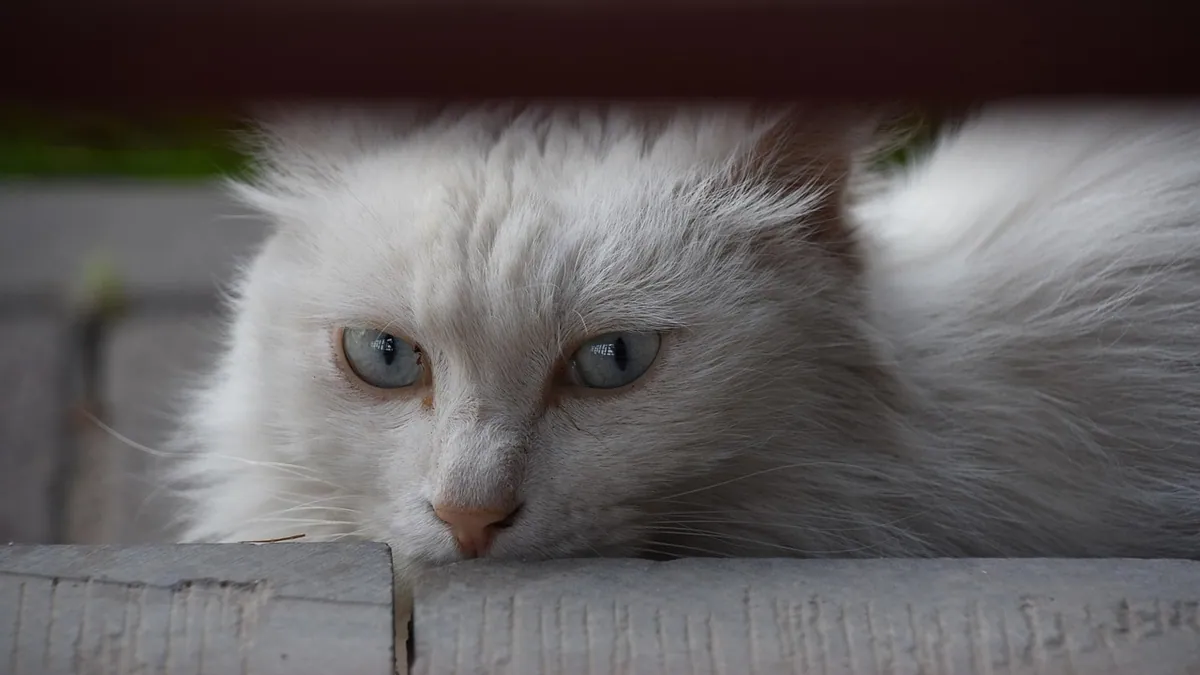
Cat pooping uncontrollably means your cat is passing stool without control or awareness, often in small amounts, in sleep, or while walking. It is different from a cat who deliberately goes outside the box, and it usually points to a medical problem instead of a behavior problem. This article is educational and is not a substitute for veterinary diagnosis or treatment.
Quick Answer
- True loss of bowel control (stool leaking or falling out without your cat posturing to poop) is a medical sign, not a training issue.
- The most urgent causes are a complete intestinal blockage, spinal or nerve injury, and severe diarrhea from infection or toxins. These need care now.
- A cat who is straining, crying, or passing only drops of liquid may have a blockage or severe constipation and should be seen the same day.
- Bring a fresh stool sample and a phone photo or video of what you are seeing, since the pattern helps your vet narrow the cause fast.
- Do not give human anti-diarrheal or pain medications. Your veterinarian calculates any dose from your cat's weight and health.
What Uncontrolled Pooping Looks Like and What Is Normal
Normal cat poop is formed, brown, and passed in the litter box after your cat postures, squats, and arches its back. A healthy adult cat usually produces one or two bowel movements a day, and the stool holds its shape when scooped.
Loss of bowel control looks different. You may find stool in your cat's bedding, on its tail or back legs, or in spots where your cat was sleeping or walking. Some cats dribble small amounts of liquid stool constantly. Others pass a normal-looking stool without any warning or squatting. Some cats seem unaware that it happened.
This pattern is called fecal incontinence. It is not the same as house soiling, where a cat chooses a spot outside the box on purpose. House soiling is the most common problem cat owners report and a leading reason cats are surrendered to shelters [1]. The two can overlap, and a cat with a painful gut problem may do both.
If your cat is straining instead, or passing only mucus or nothing at all, those are separate signs worth reading about in our guides to a cat straining to poop and a cat straining to poop but only passing mucus.
Why Is My Cat Pooping Uncontrollably? Main Causes
The causes fall into a few groups. Some start in the gut itself, some involve the nerves and muscles that control the rectum and anus, and some are triggered by pain, stress, or a litter box your cat avoids [2].
| Cause | Typical clues | How urgent |
|---|---|---|
| Gut infection or severe diarrhea | Liquid stool, frequent accidents, possible vomiting, recent diet change or exposure to other cats | Same day to 24 hours |
| Intestinal blockage or severe constipation | Straining, crying, no stool or only drops, vomiting, not eating, belly pain | Emergency now |
| Rectal or anal disease (stricture, inflammation, masses) | Straining, pain when pooping, narrow or ribbon-like stool, blood or mucus | Same day to a few days |
| Nerve or spinal injury | Stool falls out without posturing, weak back legs, dragging, trouble walking | Emergency now |
| Toxin or poisoning | Sudden severe diarrhea, drooling, tremors, weakness | Emergency now |
| Stress, fear, or litter box problems | Accidents in specific spots, avoiding the box, normal stool consistency | Routine visit |
| Age-related weakness or cognitive change | Accidents in senior cats, confusion, nighttime accidents | Routine visit |
Gut Infections and Severe Diarrhea
Bacterial and viral infections, parasites, and sudden diet changes can all cause explosive diarrhea. When the diarrhea is severe, the rectum and anal sphincter cannot hold the liquid in, so stool leaks out. This is one of the more treatable causes, and many cats improve once the infection or irritation is addressed.
Blockages and Severe Constipation
A cat that cannot pass stool at all is a different emergency. A hard stool ball, a foreign object, or a mass can block the colon. Pressure builds behind the blockage, and liquid stool may leak around it. Owners sometimes mistake this leaking for diarrhea when the real problem is a blockage. A cat that is straining, vomiting, and not eating needs to be seen right away. Our article on a cat not pooping but eating normally covers the early warning signs.
Rectal and Anal Disease
Problems in the rectum and anus itself can interfere with holding stool [2]. A rectal stricture is a narrowing of the rectum that causes straining and pain on defecation. In one report, an 8-month-old cat with a rectal stricture was treated successfully with balloon dilation, and the narrowing did not return in the following months [3]. Inflammation, tumors, and anal sac disease can cause similar signs. These cats often strain and pass narrow or ribbon-like stool.
Nerve and Spinal Problems
The rectum and anal sphincter depend on nerves from the spinal cord. Injury, a slipped disc, a spinal tumor, or nerve damage from a difficult birth can interrupt the signal. The result is stool that falls out without your cat knowing. Weak back legs, a wobbly walk, or dragging the hind feet point to a spinal cause. This is an emergency.
Toxins and Poisons
Some toxins cause sudden, severe diarrhea and vomiting. If you suspect your cat ate something poisonous, call the ASPCA Animal Poison Control Center at (888) 426-4435 right away. Do not wait for symptoms to worsen.
Stress, Fear, and Litter Box Aversion
Not every accident is incontinence. Fearful cats are more prone to litter box issues than confident cats [4]. Cats also have clear preferences. In one study, cats preferred litter boxes measuring at least 50 cm (about 20 inches) and clumping clay litter, and giving them both improved house soiling [1]. Another large study found that the number of dogs and other cats in the home, the cat's age, and litter box type, location, and cleaning frequency all mattered [5]. If your cat is pooping outside the box but has normal stool and no other signs, see our guide to a cat pooping outside the litter box.
Why Is My Kitten Uncontrollable Pooping?
Kittens are a special case. Their digestive and nervous systems are still maturing, and their control is weaker than an adult cat's. Common causes in kittens include intestinal parasites, sudden diet changes, overfeeding, and infections. A kitten with watery diarrhea can dehydrate very quickly, so do not wait. A kitten that is limp, cold, or not nursing needs emergency care.
Red Flags That Make It an Emergency
Go to an emergency clinic now if you see any of these:
- No stool for 24 to 48 hours with straining, crying, or vomiting
- A hard, painful belly
- Weakness, dragging the back legs, or trouble walking
- Stool that falls out with no posturing at all, especially after a fall or accident
- Blood in the stool, black tarry stool, or stool that looks like raspberry jam
- Vomiting, drooling, tremors, or collapse after possible toxin exposure
- A kitten or senior cat with sudden severe diarrhea
- Not eating, hiding, or acting painful
These signs can mean a blockage, spinal injury, or poisoning, and time matters.
Safe Things You Can Do at Home While Waiting
You cannot fix incontinence at home, but you can keep your cat comfortable and give your vet better information.
- Collect a fresh stool sample in a sealed bag or container. A sample from the last 12 hours is most useful.
- Take a photo or short video of the accident and the stool. Note whether your cat was asleep, walking, or straining.
- Keep your cat indoors and away from other pets until you know the cause.
- Offer water often. Diarrhea and vomiting cause fluid loss, and hydration matters.
- Stop any new food, treats, or supplements and tell your vet what changed.
- Do not give human anti-diarrheal drugs, pain relievers, or antibiotics. Some are toxic to cats, and dosing must come from your veterinarian based on your cat's weight and health.
- Set up a quiet, easy-to-clean space with a low-sided litter box close by.
If your cat is straining and passing nothing, read our guide to a cat straining to poop but nothing comes out before you decide to wait.
What Your Veterinarian Will Check and Test
Your vet starts with a full history. They will ask when the accidents started, what the stool looks like, whether your cat is straining, what your cat eats, and whether anything changed at home.
The physical exam focuses on the belly, the spine, the back legs, and a rectal exam. Your vet will check the anal sphincter tone, feel for a blockage or mass, and look for pain or swelling [2].
Testing often includes:
- A stool test for parasites, bacteria, and blood
- Blood work to check hydration, organ function, and infection
- X-rays or ultrasound to look for a blockage, mass, or spinal problem
- A contrast study of the rectum if a stricture is suspected, which can show the location and length of a narrowing [3]
If a stricture is found, treatment may include balloon dilation, which resolved the narrowing in one young cat without recurrence in the months that followed [3]. Other cases are managed with diet, medication, surgery, or treatment of the underlying nerve or spinal problem. Your vet will tailor the plan to your cat.
Prevention and Monitoring
You cannot prevent every cause, but you can lower the risk and catch problems early.
- Keep litter boxes clean. Scoop daily and replace litter regularly. Strict hygiene is recommended to prevent and manage house soiling [5].
- Match your cat's preferences. Offer a box at least 50 cm long with clumping clay litter, since cats preferred both in one study [1].
- Provide enough boxes. A common rule is one box per cat plus one extra, placed in quiet, separate spots.
- Keep the household calm. Fearful cats are more prone to litter box issues, so reduce stress where you can [4].
- Feed a consistent diet and change foods slowly.
- Keep up with parasite prevention and routine vet visits.
- Watch for early signs like straining, small stools, or accidents, and act before they become emergencies.
Limitations and When to Contact a Veterinarian
This article cannot tell you what is causing your cat's problem. Only a veterinarian who examines your cat can do that, and individual cases need a veterinarian's assessment.
Contact your vet the same day if your cat has diarrhea lasting more than a day, accidents that keep happening, straining with small stools, or any change in appetite or energy.
Go to an emergency clinic now for no stool with straining and vomiting, a painful belly, weakness or dragging back legs, blood in the stool, or possible toxin exposure. Call the ASPCA Animal Poison Control Center at (888) 426-4435 if you suspect poisoning.
Schedule a routine visit if the accidents are mild, your cat seems otherwise well, and you suspect a litter box or stress issue.
Frequently Asked Questions
Is cat pooping uncontrollably always an emergency?
No, but it should always be checked. Mild cases linked to stress or litter box problems can wait for a routine visit, while sudden loss of control, straining, or weakness needs emergency care. When in doubt, call your vet and describe what you see.
Can a cat recover bowel control after nerve damage?
Sometimes, depending on the cause and how quickly it is treated. Some cats regain control with rest, medication, or surgery, while others have lasting weakness. Your veterinarian can give you a realistic outlook after examining your cat and running tests.
Will a change in litter stop my cat from pooping outside the box?
It can help if the problem is preference or stress, but it will not fix a medical cause. Cats do prefer certain box sizes and litter types, and meeting those preferences can improve house soiling. If accidents continue, have your cat examined.
Should I withhold food if my cat has diarrhea?
No. Withholding food can weaken your cat, especially a kitten. Offer small, bland meals and plenty of water unless your veterinarian tells you otherwise. Your vet may recommend a specific diet based on the diagnosis.
Can I give my cat human diarrhea medicine?
No. Never give human anti-diarrheal or pain medications to a cat without veterinary direction. Some are toxic, and the correct dose depends on your cat's weight and health. Call your vet or a poison control hotline before giving anything.
Related Articles
- Cat Not Pooping but Eating Normally: Causes and When to Help
- Cat Straining to Poop but Only Passing Mucus: Causes and Care
- Cat Straining to Poop: Constipation or Something Worse?
- Why Is My Cat Pooping Outside the Litter Box? Causes and Solutions
- Cat Straining to Poop but Nothing Comes Out: Emergency or Not?
- Cat Keeps Gagging But Nothing Comes Out
- Uncontrollable Diarrhea in Cats: Causes and What to Do
- Senior Cat Pooping Everywhere: Causes and What to Do
- Cat Pooping on Carpet, Bed, or Floor: Causes and Cleaning
References
- Litter box size and litter type preference and their associated behavioral changes in cats. The Journal of veterinary medical science, 2025.
- Disorders of the Rectum and Anus in Cats - Cat Owners. Merck Veterinary Manual.
- Management of a rectal stricture in a young cat with a balloon dilatation method. Tierarztliche Praxis. Ausgabe K, Kleintiere/Heimtiere, 2026.
- Feline litter box issues associate with cat personality, breed, and age at sterilization. Journal of the American Veterinary Medical Association, 2023.
- Factors associated with house-soiling in Italian cats. Journal of feline medicine and surgery, 2023.