Cat Pooping Under the Bed or Couch: Why and How to Stop It
By Dr. Zubair Khalid, DVM, MS, PhD ·
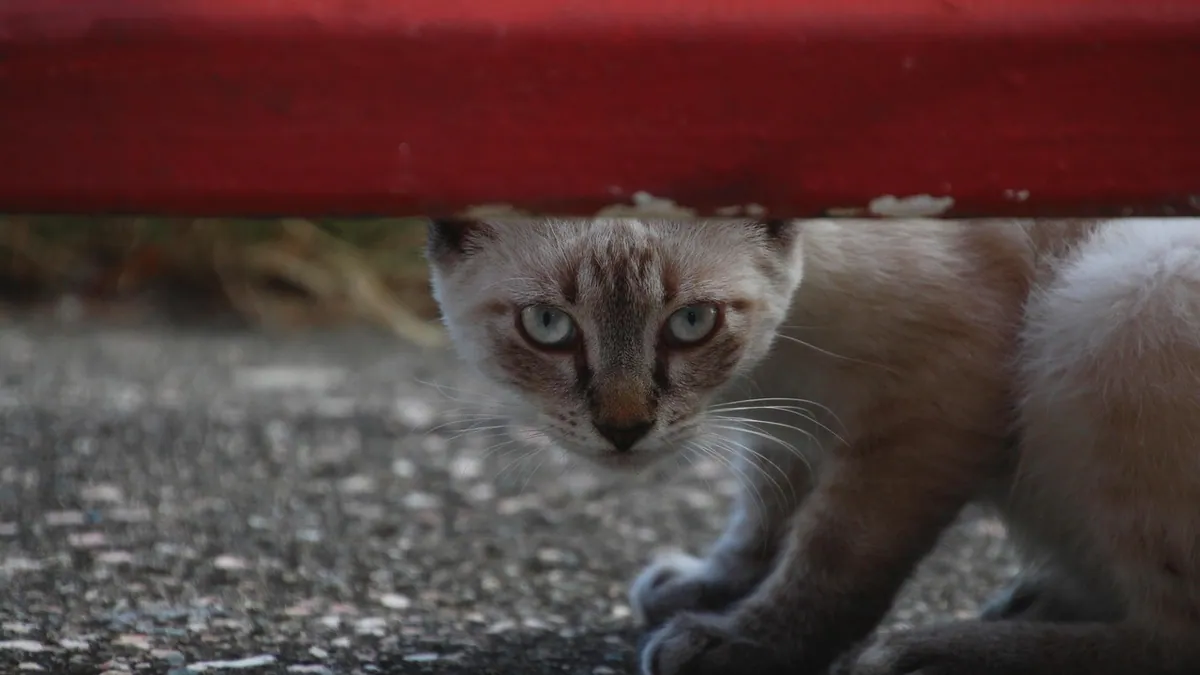
Cat pooping under my bed or under the couch is a common and frustrating problem, and it almost always has a reason you can find and fix. Cats do not eliminate in hidden spots out of spite. They do it because something about the litter box, their health, or their environment has made the box feel unsafe or unpleasant. This article is educational and is not a substitute for veterinary diagnosis or treatment.
Quick Answer
- See your veterinarian first to rule out medical causes, because a change in elimination behavior is often an early sign of physical disease [1].
- Make the litter box bigger and more inviting. Cats prefer boxes measuring at least 50 cm (about 20 inches) and clumping clay litter [2].
- Add more boxes, scoop at least once daily, and fully replace litter regularly, since litter hygiene and box number are linked to house-soiling [3].
- Reduce stress and give your cat safe hiding and perching spots, because hidden elimination often signals anxiety or a threat near the box.
- Never punish the cat. Punishment increases fear and makes the problem worse.
Why Cats Poop in Hidden Places
Normal Cat Instincts
Cats are both predator and prey animals. When they eliminate, they are briefly vulnerable, so many cats prefer a quiet, low-traffic spot with an escape route. A box in a noisy laundry room next to a rattling appliance can feel exposed. A hidden corner under a bed can feel safer by comparison.
Some cats also develop a surface preference. If a cat has a bad experience in the box, it may choose a soft, absorbent surface instead. This is one reason cats sometimes pee and poop on beds, which you can read more about in Cat Peeing on the Bed: Medical or Behavioral?.
Litter Box Aversion
Litter box aversion means the cat has learned that the box is unpleasant. Common triggers include a box that is too small, litter that hurts the paws, a dirty box, or a box in a spot where the cat was startled. A 2025 study found that cats preferred litter boxes measuring at least 50 cm and clumping clay litter, and that combining these preferred elements improved house-soiling for both urination and defecation [2]. That is a strong hint that box size and litter type matter more than many owners realize.
Stress and Household Change
Cats are sensitive to change. A new pet, a new baby, a move, remodeling, or a new person in the home can all raise stress. Stress activates the body's short-term and long-term stress hormone systems, which can aggravate elimination problems [1]. A cat that feels threatened near the box may start pooping in a hidden, quiet place instead.
Social Tension Between Cats
In homes with multiple cats, one cat may guard the litter box area. The other cat then avoids the box and finds a private spot. A large study of over 3,000 cats found that the number of other cats and dogs in the household was associated with house-soiling [3]. More pets can mean more competition for resources, including boxes.
Medical Causes to Rule Out
Why a Vet Visit Comes First
Inappropriate elimination is likely the most reported feline behavioral problem worldwide, and a change in behavior is often one of the early signs of physical disease [1]. That means you cannot assume the problem is purely behavioral. A medical issue can start the behavior, and then stress can keep it going [1].
Conditions That Can Cause Pooping Outside the Box
Your veterinarian will consider problems such as:
- Gastrointestinal disease, including inflammation or parasites, which can cause urgency or discomfort
- Pain, including arthritis or back pain, which makes squatting in a box uncomfortable
- Constipation or difficulty passing stool
- Neurologic problems that affect control
- Metabolic and hormonal disease
Your veterinarian may recommend a physical exam, fecal testing, blood work, and imaging. The exact tests depend on your cat's age, history, and exam findings.
Medical and Behavioral Problems Often Overlap
Once medical problems have been treated or ruled out, attention shifts to reducing stress and using behavior strategies to resolve the problem [1]. Many cats need both. A cat with arthritis may need pain control and a more accessible box. A cat with anxiety may need a calmer environment and a better box setup.
When Pooping Under the Bed Becomes a Problem
Occasional accidents happen. A single stool outside the box after a stressful event is different from a pattern. The behavior becomes a real problem when it repeats, when it happens in the same hidden spot, or when it comes with other signs like straining, crying, weight loss, or changes in appetite.
Untreated house-soiling is a serious risk to the bond between you and your cat [4]. It is also the main reason owners surrender cats to shelters [2]. Taking it seriously early gives you the best chance of fixing it.
If your cat is also urinating outside the box, that is a separate but related issue. See Why Is My Cat Pooping Outside the Litter Box? Causes and Solutions and Why Is My Cat Peeing on the Couch? Medical and Behavioral Causes.
How to Stop a Cat From Pooping Under the Bed or Couch
Step 1: Get a Veterinary Exam
Book a visit before you change anything major. Your veterinarian needs a full history, including when the behavior started, what changed in the home, and what the stool looks like. A systematic approach to history and ruling out causes gives the best results in the shortest time [4].
Step 2: Fix the Litter Box Setup
Use the study findings as your starting point.
- Choose a box at least 50 cm (about 20 inches) long, and bigger if your cat is large [2].
- Use clumping clay litter, which cats preferred in the study [2].
- Offer more than one box. A common guideline is one box per cat plus one extra.
- Put boxes in quiet, low-traffic spots with more than one way out.
- Keep boxes away from loud appliances and away from food and water.
A large study found that the number, type, and location of litter boxes, the type of litter, and how often you scoop and fully replace litter were all linked to house-soiling [3]. That gives you several levers to adjust.
Step 3: Improve Litter Hygiene
Scoop at least once daily, and twice daily if you can. Fully replace the litter and wash the box regularly. In one survey, most owners scooped daily and fully replaced litter weekly [5]. If you are doing less than that, start there. A clean box removes one common reason cats avoid it.
Step 4: Reduce Stress
Think about what changed around the time the behavior started. New pet, new furniture, a move, a schedule change, or a new person can all matter. Give your cat predictable routines, quiet spaces, and vertical territory like cat trees and shelves. If you have multiple cats, add separate feeding stations, water, and resting spots so no cat has to compete.
Step 5: Make the Hidden Spot Less Appealing
You cannot punish the cat, but you can change the spot. Block access under the bed with storage bins or a fitted barrier. Place a litter box near the spot your cat has been using, then move it gradually toward where you want it. Clean soiled areas with an enzymatic cleaner made for pet waste. Regular cleaners may leave scent that draws the cat back.
Step 6: Add Enrichment
Boredom and stress feed each other. Add daily play with a wand toy, food puzzles, and scratching posts. A tired, engaged cat is a calmer cat. Enrichment also gives your cat outlets other than hiding.
Step 7: Track Progress
Keep a simple log. Note when accidents happen, what the stool looks like, and what changed that day. This record helps your veterinarian and helps you see whether your changes are working. Behavior change takes weeks, not days, so give each change time before judging it.
What Not to Do
Do Not Punish Your Cat
Never rub your cat's nose in the mess, yell, or use a spray bottle. Cats do not connect punishment to a past act. They connect it to you and to the area, which raises fear and can make the problem worse.
Do Not Lock Your Cat Out of the Bedroom
Blocking the room can push the behavior to another hidden spot, like under the couch or behind furniture. Fix the cause instead of chasing the location.
Do Not Assume It Is Spite
Cats do not plan revenge. Hidden elimination is a symptom, not a personality flaw. Treat it as information about your cat's health and comfort.
Do Not Rely on Deterrent Sprays Alone
Deterrents may move the problem, not solve it. If the box is still unpleasant or your cat is still sick, the behavior will continue somewhere else.
Do Not Skip the Vet Because the Cat Seems Fine
Cats hide illness well. A cat that eats, plays, and purrs can still have pain or disease. A change in elimination behavior is often an early sign of physical disease [1].
When to Involve a Veterinarian or Behavior Professional
Start With Your Veterinarian
Your veterinarian is the first stop for any elimination change. They can rule out medical causes and start treatment. If the problem is behavioral, they can guide you or refer you to a veterinary behaviorist.
Consider a Certified Behavior Professional
If your veterinarian rules out medical causes and the behavior continues after you fix the box and reduce stress, ask for a referral to a veterinary behaviorist or a certified applied animal behaviorist. These professionals build a plan for complex cases, including multi-cat tension and anxiety.
Get Help Early
Untreated house-soiling threatens the human-animal bond [4]. The longer it goes on, the more established the habit becomes. Early help protects your cat and your home.
Limitations and When to Contact a Veterinarian
This article cannot diagnose your cat. Individual cases need a veterinarian who can examine your cat, review the history, and run tests.
Contact your veterinarian the same day if you see:
- Straining to poop, crying while pooping, or no stool for more than a day
- Blood or mucus in the stool
- Vomiting, diarrhea, or not eating
- Weight loss or a sudden change in thirst or urination
- Accidents that started suddenly in a cat that was previously reliable
Go to an emergency clinic now if your cat is repeatedly trying to poop with nothing coming out, is crying in pain, is vomiting, or seems weak or collapsed. These can be signs of a blockage or other emergency.
Call your veterinarian for a routine visit if the behavior is a pattern but your cat seems otherwise well. Do not wait months. Early evaluation gives the best outcome [4].
Frequently Asked Questions
Why does my cat poop under the bed instead of the litter box?
Hidden spots feel safe and private, so a cat that dislikes its box or feels stressed may choose them. Medical problems can also trigger the behavior, so a vet visit comes first [1]. Fixing box size, litter type, and cleanliness often helps [2][3].
Is my cat pooping under the couch a sign of illness?
It can be. A change in elimination behavior is often an early sign of physical disease [1]. Even if your cat seems healthy, have your veterinarian rule out pain, gastrointestinal disease, and other conditions before assuming it is only behavioral.
How many litter boxes should I have?
A common guideline is one box per cat plus one extra. A large study found that the number of boxes, along with their type and location, was linked to house-soiling [3]. More boxes give cats choice and reduce competition.
What litter and box size do cats prefer?
Cats preferred boxes measuring at least 50 cm and clumping clay litter in one study [2]. Combining both preferred elements improved house-soiling and reduced unhappy behaviors during elimination [2]. Start there and adjust based on your cat.
Can stress make my cat poop outside the litter box?
Yes. Stress activates the body's short-term and long-term stress responses, which can aggravate elimination problems [1]. Household changes, new pets, and conflict between cats are common triggers. Reducing stress and improving the box setup usually work together.
Related Articles
- Why Is My Cat Pooping Outside the Litter Box? Causes and Solutions
- Why Is My Cat Peeing on the Couch? Medical and Behavioral Causes
- Why Is My Cat Suddenly Peeing on the Couch?
- Cat Hiding Under Bed: Normal Behavior or Sign of Illness?
- Cat Peeing on the Bed: Medical or Behavioral?
- How To Stop Dog Poop In House
- How to Stop Your Cat Pooping Outside the Litter Box
- Cat Pooping on Carpet, Bed, or Floor: Causes and Cleaning
- Why Your Cat Stopped Using the Litter Box
References
- Cat Inappropriate Elimination and its Interaction with Physical Disease. The Veterinary clinics of North America. Small animal practice, 2024.
- Litter box size and litter type preference and their associated behavioral changes in cats. The Journal of veterinary medical science, 2025.
- Factors associated with house-soiling in Italian cats. Journal of feline medicine and surgery, 2023.
- Inappropriate Urination. The Veterinary clinics of North America. Small animal practice, 2019.
- Litter Management Practices and House-Soiling in Italian Cats. Animals : an open access journal from MDPI, 2023.