Why Is My Cat Digging at the Floor? Causes and Fixes
By Dr. Zubair Khalid, DVM, MS, PhD ·
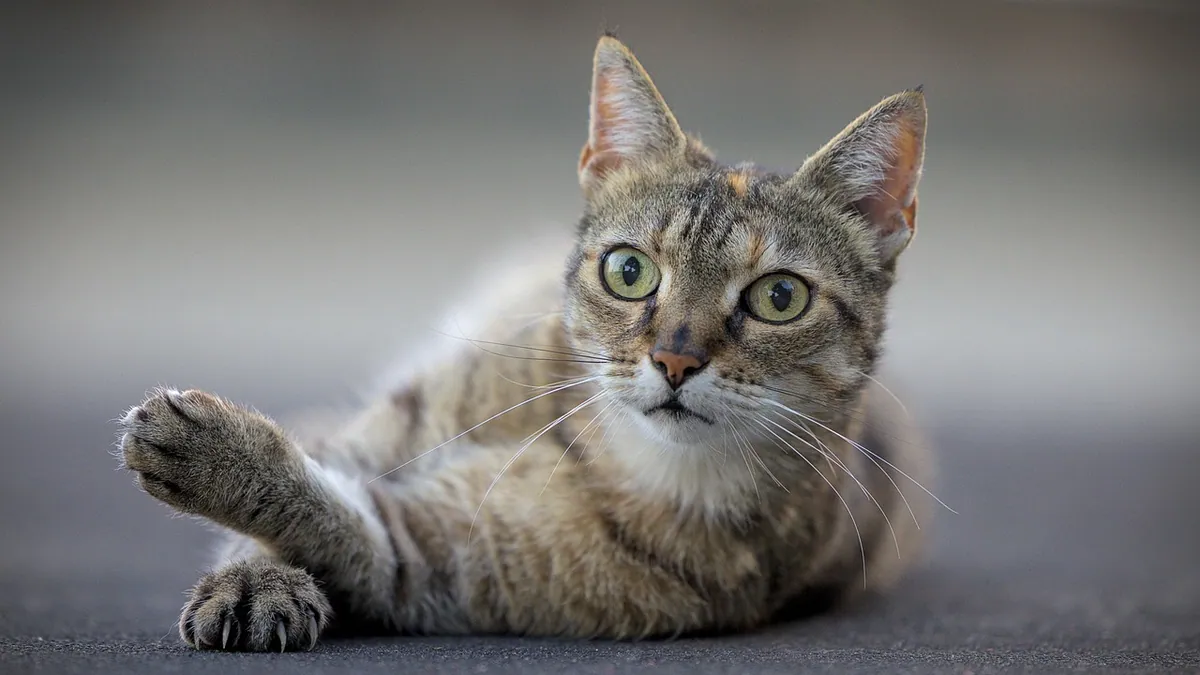
Cats dig at floors for several reasons, and most of them are normal. The behavior often traces back to leftover elimination instinct (the urge to scratch and cover waste), play and hunting practice, or stress displacement when a cat feels anxious. Sometimes, though, floor digging is a sign of a litter box problem or pain, so it helps to know the difference.
This article is educational and is not a substitute for veterinary diagnosis or treatment.
Quick Answer
- Occasional digging at carpets, rugs, or smooth floors is usually normal cat behavior tied to instinct, play, or comfort-seeking.
- Sudden, intense, or repeated digging near the litter box often points to a medical or litter box issue, so a vet visit comes first.
- Cats with bladder inflammation may urinate small amounts frequently and may not reach the box in time [1].
- Punishment does not work and can make stress-related digging worse.
- If digging comes with straining, crying, blood in urine, or not urinating at all, treat it as urgent.
Why Is My Cat Digging at the Floor? Normal Reasons First
Digging is built into a cat's wiring. Long before your cat lived indoors, scratching and pawing at loose ground served real purposes: marking territory, covering waste, and preparing a resting spot. Indoor floors and carpets trigger those same urges, even when there is nothing to bury.
Leftover elimination instinct
In the wild, cats dig to bury urine and feces. That instinct does not disappear just because your cat uses a litter box. You may see your cat paw at the floor right after using the box, or scratch at the carpet near the box as if trying to cover something. This is normal.
Scent also drives a lot of this behavior. Cat urine and feces contain chemical signals that affect how cats interact with their environment, including scratching surfaces [2]. When your cat digs or scratches, it may be leaving both visual marks and scent cues.
Play, hunting, and boredom
A bored or under-stimulated cat will find something to do. Digging at a rug can be a stand-in for stalking prey, especially in kittens. If your kitten is digging the floor, it is often simple play and exploration. Kittens practice hunting motions constantly, and fabric, carpet edges, and floor transitions make good targets.
Play duration matters here. Cats that get more interactive play tend to show fewer unwanted scratching and digging behaviors, based on owner surveys [3]. A tired cat digs less.
Stress and displacement behavior
When a cat feels anxious, it may perform a normal behavior out of context. Digging at the floor can be that outlet. Changes like a new pet, a move, a new baby, or a disrupted routine can all raise stress. In one large survey, the presence of a child in the home was associated with more scratching episodes [3]. Stress-related behaviors like marking, scratching, and fear can also harm the bond between cat and owner, which is why they are worth addressing early [4].
Comfort and nesting
Some cats paw at blankets, carpets, or smooth floors before lying down. This looks like kneading or nesting and is usually harmless. It is your cat making the spot feel right.
Medical Causes to Rule Out
If floor digging is new, intense, or paired with litter box changes, think medical first. House soiling is the most common behavior problem reported by cat owners, and the solution depends on the underlying cause [5]. That means a veterinarian needs to rule out disease before anyone treats this as purely behavioral.
Bladder and urinary problems
Bacterial bladder infection, or bacterial cystitis, is common in cats. The infection inflames the bladder, so your cat feels a constant need to urinate. That urge can become so strong that she urinates small amounts frequently, often before she can reach the litter box [1]. Bladder stones, bladder tumors, defects in bladder shape, and diabetes can make bladder infections more likely [1].
This is the pattern to watch for: your cat digs frantically at the floor, squats in odd places, or leaves small urine spots around the house. If you are seeing urine outside the box, read more about why your cat may be peeing on the floor right in front of you and why your cat might suddenly be peeing on the carpet.
Feline lower urinary tract disease (FLUTD)
FLUTD is diagnosed by ruling out other causes of cystitis. Signs may resolve on their own within a week without treatment, but they are likely to come back [1]. That is why waiting it out is risky. Treatment can involve several strategies, and environmental enrichment may cut the recurrence rate by as much as 80% [1].
Pain and mobility issues
Arthritis, back pain, or paw injuries can change how a cat moves and where she chooses to eliminate. A cat in pain may avoid the litter box, dig at soft flooring instead, or hesitate before squatting. Any sudden change in bathroom habits deserves a veterinary exam.
Other medical triggers
Diabetes, kidney disease, and thyroid problems can increase urination and thirst, which often shows up as more digging and scratching around elimination areas. Your veterinarian can sort this out with an exam and lab work.
When Floor Digging Becomes a Problem
Digging itself is not the problem. The problem is what it signals or what it damages.
It becomes a concern when:
- It happens constantly, not just in short bursts.
- It comes with urine or feces outside the box.
- Your cat cries, strains, or licks at the genital area.
- It starts suddenly in an adult cat with no history of it.
- It damages floors, carpets, or furniture.
- It happens alongside hiding, aggression, or appetite changes.
If your cat is also pooping outside the box, that is a separate pattern worth investigating. See why your cat may be pooping outside the litter box.
What to Do: Step by Step
Step 1: Get a veterinary exam
Book a visit before you change anything behavioral. Your veterinarian will check for infection, stones, FLUTD, diabetes, and pain. Bring a urine sample if you can collect one, and note how often your cat urinates and where.
Step 2: Fix the litter box setup
Most litter box problems come down to basics:
- One box per cat, plus one extra.
- Boxes in quiet, low-traffic spots with more than one exit route.
- Scoop daily, and wash boxes regularly.
- Try unscented clumping litter if you use scented.
- Keep boxes away from noisy appliances and food.
If your cat avoids the box, she may dig at the floor near it as a substitute. Watch where she digs. That spot often tells you what she wants.
Step 3: Add enrichment
Environmental enrichment means giving your cat more mental stimulation, and it can reduce recurrence of urinary signs by up to 80% [1]. Practical options:
- Scheduled interactive play with a wand toy, twice a day.
- Food puzzles and scattered treats.
- Cat trees, shelves, and window perches.
- Scratching posts in several textures and orientations.
More play time is linked to less unwanted scratching behavior [3]. Scratching is natural, so give your cat legal places to do it. In a survey of cat owners in the United States and Canada, 58% reported inappropriate scratching, and owners who provided appropriate surfaces like cat trees and used training had better results than those who gave up their cats [6].
Step 4: Manage stress
If you suspect stress, look at recent changes. New pets, moves, schedule shifts, and household tension all count. Pheromone products may help. A commercial feline pheromone complex was used in a behavior assessment study of common problem behaviors [4], and a pheromone diffuser reduced undesirable scratching in a large controlled trial [7]. These are supportive tools, not cures, and they work best alongside enrichment and veterinary care.
Step 5: Redirect the behavior
When you catch your cat digging, redirect to a scratching post or toy. Reward her when she uses the right surface. Keep sessions short and calm. Consistency matters more than intensity.
What Not to Do
Do not punish
Yelling, spraying water, or swatting will not teach your cat what you want. Punishment raises stress, and stress is one of the drivers of this behavior. It can also damage your relationship with your cat and make litter box avoidance worse.
Do not assume it is spite
Cats do not dig at floors to get even with you. The behavior has a function, even if that function is invisible to you.
Do not wait out urinary signs
FLUTD signs can fade within a week on their own, but they tend to return [1]. A cat that cannot urinate at all is in an emergency, and waiting can be fatal.
Do not skip the vet because the behavior seems minor
House soiling is the most common behavior complaint from cat owners, and medical causes are common [5]. A short exam can save months of guesswork.
When to Involve a Veterinarian or Behavior Professional
Call your veterinarian if:
- Digging starts suddenly in an adult cat.
- Your cat urinates or defecates outside the box.
- You see straining, crying, or blood.
- Your cat avoids the box or digs near it constantly.
- Behavior changes come with appetite, weight, or energy changes.
Ask for a referral to a veterinary behaviorist or certified behavior consultant if medical causes are ruled out and the behavior continues. A structured assessment tool can help measure how frequent and intense the problem is, which guides treatment [4]. Behavior problems can affect your cat's welfare and your bond with her, so professional help is a reasonable step, not an overreaction [4].
Limitations and When to Contact a Veterinarian
This article covers common patterns, but every cat is an individual. Your cat's history, age, health, and home environment all change what the right next step is. Only a veterinarian who examines your cat can diagnose and treat her.
Contact a veterinarian the same day if your cat:
- Cries out while urinating or defecating.
- Passes only drops of urine, or none at all.
- Has blood in the urine.
- Vomits, stops eating, or hides.
Go to an emergency clinic now if your cat is straining to urinate with no urine produced, especially a male cat. This can be a life-threatening blockage.
Schedule a routine visit within a few days if the digging is new, frequent, or paired with any change in litter box habits, even if your cat seems otherwise fine.
Frequently Asked Questions
Why is my kitten digging the floor?
Kittens dig as part of normal play and hunting practice. Their coordination and instincts are still developing, so pawing at carpets and floors is common and usually harmless. Give your kitten daily interactive play and safe scratching outlets, and the behavior often fades as she matures.
Why does my cat dig at the floor after using the litter box?
This is leftover elimination instinct. Cats dig to cover waste, and indoor cats often scratch at nearby floors or carpets when the litter does not give them enough to work with. Try a deeper layer of unscented litter and a larger box.
Can stress really cause floor digging?
Yes. Anxious cats often perform normal behaviors out of context, and digging can be that outlet. Changes like a new pet, a move, or a new baby can trigger it. Pheromone products and enrichment may help, but ongoing stress deserves a veterinary conversation.
Is floor digging ever a sign of pain?
It can be. Cats with bladder inflammation, stones, or arthritis may dig at floors and avoid the litter box because urinating hurts or because squatting is uncomfortable. Any new bathroom-related behavior should be checked by a veterinarian.
Should I stop my cat from digging at the floor?
Not always. If your cat is healthy and the digging is occasional, it is normal. Redirect it to appropriate surfaces and add enrichment. If it is constant, paired with accidents, or new in an adult cat, get a veterinary exam first.
Related Articles
- Why Is My Cat Peeing on the Floor Right in Front of Me?
- Why Is My Cat Peeing on My Clothes? Causes and Solutions
- Why Is My Cat Suddenly Peeing on the Carpet?
- Why Is My Cat Pooping Outside the Litter Box? Causes and Solutions
- Why Is My Cat Peeing on the Rug? Medical and Behavioral Reasons
- Why Is My Cat Peeing on the Couch? Medical and Behavioral Causes
- Cat Pooping on Carpet, Bed, or Floor: Causes and Cleaning
- Why Your Cat Keeps Pooping on the Floor (Not Peeing)
- Why Is My Cat Laying in the Litter Box? Causes and Help
References
- Medical Causes of House Soiling in Cats. ASPCA Animal Poison Control Center.
- Semiochemicals from Domestic Cat Urine and Feces Reduce Use of Scratching Surfaces. Animals : an open access journal from MDPI, 2024.
- Evaluating undesired scratching in domestic cats: a multifactorial approach to understand risk factors. Frontiers in veterinary science, 2024.
- Development of a Cat Behaviour Issues Assessment Scale (CABIAS) Assessing Problem Behaviours in Cats. Animals : an open access journal from MDPI, 2023.
- Feline Behavior Problems: House Soiling. Cornell University College of Veterinary Medicine.
- Unwanted Scratching Behavior in Cats: Influence of Management Strategies and Cat and Owner Characteristics. Animals : an open access journal from MDPI, 2022.
- Efficacy of the Feliway® Classic Diffuser in reducing undesirable scratching in cats: A randomised, triple-blind, placebo-controlled study. PloS one, 2023.