Invasive Species: Definition, Examples and Impacts
By Dr. Zubair Khalid, DVM, MS, PhD ·
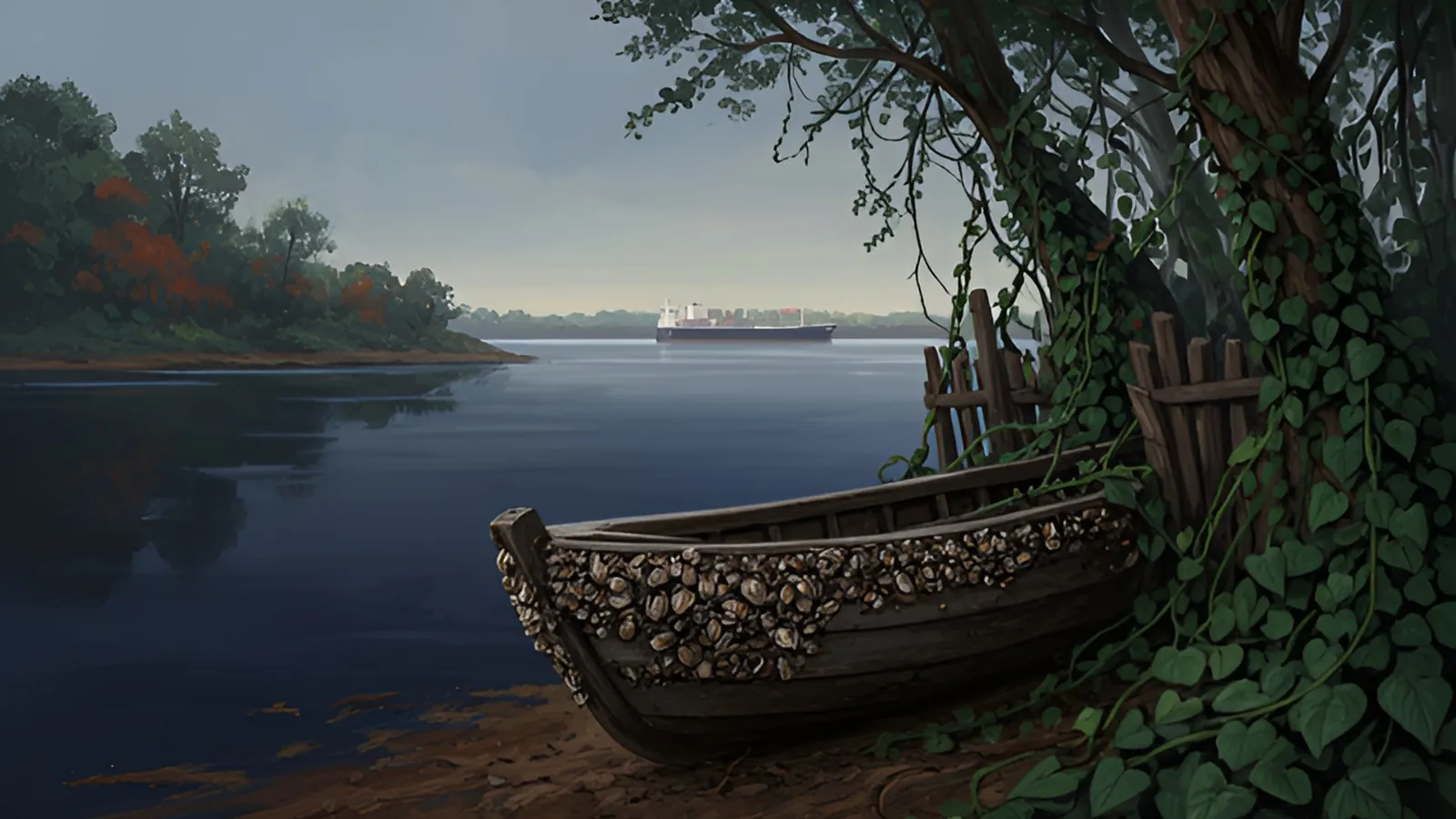
An invasive species is a non-native organism whose introduction causes, or is likely to cause, economic or environmental harm or harm to human health (What are Invasive Species?). The category covers plants, animals, fungi, and microbes, and most introductions are tied to human activity, often unintentional (What are Invasive Species?; Invasive species).
"Non-native" and "invasive" are not interchangeable terms. Tomatoes, hot peppers, lettuce, and domestic cattle are non-native to North America but are not invasive because they cause no harm in the settings where they are used (What are Invasive Species?). Invasive species instead threaten native species and biodiversity, alter habitats, and can damage agriculture, forests, water resources, and infrastructure (What are Invasive Species?; Invasive Species). Well-known examples include the kudzu vine, water hyacinth, European rabbits, domestic cats, and red swamp crayfish (Invasive species), along with the emerald ash borer, feral swine, zebra mussels, and Burmese python (Invasive Species).
Key Points
- Under Executive Order 13112, a species qualifies as invasive if it is non-native to the ecosystem in question and its introduction causes or is likely to cause economic or environmental harm or harm to human health (What are Invasive Species?).
- Invasive species include plants, animals, algae, fungi, and disease-causing microorganisms, and they affect both aquatic and terrestrial ecosystems (What are Invasive Species?; Invasive Species).
- Common introduction pathways are ship ballast water, firewood, shipping pallets and crates, accidental release, ornamental plants that escape cultivation, and unwanted pets released into the wild.
- Documented impacts include extinction of native plants and animals, loss of biodiversity, and permanent alteration of habitats.
- If left unchecked, invasive species can threaten native species, ecosystem services, recreation, water resources, agricultural and forest production, property values, public safety, and infrastructure (Invasive Species).
- Human-facilitated introductions have greatly increased the rate, scale, and geographic range of invasions compared with natural colonization events (Invasive species).
At a Glance
| Item | Summary |
|---|---|
| Definition | A non-native organism that causes harm in its new range |
| Main causes | Trade, shipping, travel, horticulture, pet release |
| Top impacts | Biodiversity loss, crop damage, infrastructure costs, disease spread |
| Best defense | Prevention, early detection, rapid response |
| Control tools | Mechanical removal, herbicides, biological control, restoration |
| Key point | Most non-native species never become invasive |
Invasive species include plants, animals, fungi, and microbes, and the label applies only when harm is documented (What are Invasive Species?). Management effort goes first to stopping new arrivals, then to containing populations that are already present.
What Is an Invasive Species?
An invasive species is a non-native organism that is introduced outside its natural range and causes harm where it settles. Plants, animals, fungi, and microbes can all qualify, and the harm may be ecological, economic, or medical (What are Invasive Species?).
The Legal Definition
In the United States, Executive Order 13112 supplies the working definition. An invasive species is a species that is non-native to the ecosystem under consideration and whose introduction causes or is likely to cause economic or environmental harm or harm to human health (What are Invasive Species?). Both halves of that sentence matter. The organism must be foreign to the area, and it must do damage.
Harm, Not Foreign Origin, Decides
Many non-native species are useful. Tomatoes and hot peppers originated in South America, lettuce was first grown by the Egyptians, and domestic cattle were brought to North America as a food source (What are Invasive Species?). None of these are invasive. The label applies only when harm is documented or reasonably expected, which is why "non-native species" and "invasive species" cannot be used interchangeably.
Deliberate and Accidental Introductions
Introductions follow two broad routes.
- Deliberate: ornamental plants, garden shrubs, aquaculture stock, livestock, and game animals stocked for hunting
- Accidental: insects in wood, shipping pallets and crates, organisms in ship ballast water, seeds in cargo, and stowaways on vehicles and boats (What are Invasive Species?)
Released pets form a third path that sits between the two. Aquarium fish, turtles, and other animals are dumped into ponds and streams when owners no longer want them (What are Invasive Species?).
What Counts as Harm
Harm appears in several forms:
| Type of harm | Examples |
|---|---|
| Ecological | Native species decline, habitat change, simplified food webs (What are Invasive Species?) |
| Economic | Crop and grazing losses, clogged waterways, repair costs |
| Health | Allergens, toxins, new disease vectors |
| Social | Reduced fishing, hunting, and recreation value (Invasive Species) |
Invasive species can drive native plants and animals to extinction, reduce biodiversity, and permanently alter habitats (What are Invasive Species?). The Forest Service adds threats to ecosystem services, water resources, agricultural and forest production, property values, public safety, and infrastructure (Invasive Species).
A Practical Test
Three questions sort most cases. Is the organism native to this area? Did it arrive through human activity? Does it cause measurable harm? A no to the first question, with yes answers to the other two, points to an invasive species. A plant that spreads aggressively but stays inside its native range falls outside the definition, even when it is a nuisance.
Native, Non-Native, and Invasive: How the Terms Differ
Three terms describe where a species comes from and what it does there. They are often mixed up, and the mix-up leads to poor management decisions.
Native Species
A native species evolved in a given ecosystem or arrived there without human help. It belongs to the local food web, and other organisms have adapted to its presence. Native does not mean harmless. Native insects, pathogens, and plants can damage trees and crops, and agencies manage them alongside invasive species (Invasive Species).
Non-Native Species
A non-native species, also called exotic or alien, lives outside its natural range because of human activity. Trade, shipping, agriculture, horticulture, and travel move organisms between continents (What are Invasive Species?). Most of these arrivals settle in without causing measurable harm (Invasive species). Crops, livestock, and garden plants are non-native in most of the places they grow.
Invasive Species
Invasive species are the subset of established non-native species that threaten native species and biodiversity (Invasive species). The word carries a judgment about damage, not about origin. A non-native plant that stays in a garden bed is not invasive. The same plant that escapes, spreads, and displaces native vegetation is.
Comparison Table
| Term | Origin | Harm required? | Example |
|---|---|---|---|
| Native | Evolved locally or arrived without human help | No | Eastern white pine in its home range |
| Non-native | Moved by human activity | No | Tomatoes in North America (What are Invasive Species?) |
| Invasive | Non-native, established and spreading | Yes | Kudzu vine, zebra mussels (Invasive species) |
Labels Depend on Context
Weed, pest, and nuisance are context labels. A plant is a weed in a crop field and a wildflower on a prairie. The same species can be native in one region and invasive in another. The term invasive is also poorly defined and often subjective, and some sources stretch it to cover native species that colonize human habitats (Invasive species).
Geography decides. A species native to Europe that spreads through North America is invasive there. The ancestors of modern horses evolved in North America, moved to Eurasia, and died out in North America; when the Spanish reintroduced horses, a debate followed over whether the feral animals were native or exotic (Invasive species). That case shows how much the label depends on the time frame chosen.
How Species Become Invasive
A species becomes invasive through a sequence: arrival, survival, establishment, spread, and harm. Each step can fail, which is why most introductions never produce an invader.

Pathways of Arrival
Human transport moves organisms across barriers they could not cross alone.
- Shipping: ballast water carries aquatic organisms, and wood, pallets, and crates carry insects (What are Invasive Species?)
- Horticulture: ornamental plants escape cultivation and naturalize
- Aquaculture and agriculture: farmed species escape or are released
- Pet trade: unwanted aquarium fish, reptiles, and mammals are released
- Livestock and game: escaped livestock, unused bait, and stocked game animals spread
- Travel: seeds and insects hitchhike on clothing, luggage, and vehicles
Traits That Help
Successful invaders tend to share a set of traits: fast growth, high reproductive output, broad tolerance of temperature and water conditions, and the ability to eat a wide range of foods (Invasive Species). A generalist that breeds quickly and tolerates many conditions can build a population before predators or diseases catch up with it.
Escape from Natural Enemies
In the native range, predators, grazers, parasites, and pathogens hold a species in check. A new range usually lacks those controls. Herbivores that evolved to eat a plant stay behind, and specialist insects that attack it are absent. Freed from that pressure, a plant can grow larger, produce more seed, and spread into habitats it never dominated at home.
Disturbed Ground and a Warming Climate
Disturbed land gives newcomers an opening. Roadsides, cleared forest, drained wetlands, overgrazed pasture, and construction sites expose bare soil and reduce competition from established native plants. Climate change adds another opening by shifting temperature and rainfall bands, which lets species survive in places that were previously too cold or too dry (What is an invasive species and why are they a problem?).
Lag Time
Many arrivals sit quietly for years or decades before spreading. A plant may persist in small numbers near a garden or a dump site, then expand when conditions change or a new disturbance opens habitat. This lag makes early detection hard and gives a false sense that an arrival is harmless.
Establishment and Spread
An introduction becomes an invasion when the population survives, reproduces, and expands its range from the arrival point (What is an invasive species and why are they a problem?). Small founding populations often fail. Repeated introductions raise the odds by supplying new individuals and genetic variety. Once a population is large and widespread, removal becomes expensive and often incomplete, which is why early detection matters more than late control.
Examples of Invasive Species
Invasive species include plants, animals, fungi, and microbes, and the list grows as trade and travel move organisms between regions (What are Invasive Species?). The examples below are widely cited because each one shows a different route to harm: clogged infrastructure, displaced native species, blocked waterways, or poisoned wildlife.
Aquatic Animals
Zebra mussels (Dreissena polymorpha) attach in dense clusters to pipes, intake screens, and native clams. The U.S. Forest Service lists zebra and quagga mussels among the invasive species that threaten water resources and infrastructure (Invasive Species). Asian carp, a group of large filter-feeding fish, now dominate food webs in parts of the Mississippi River system, where they consume plankton that native fish and mussels depend on.
Invasive Plants
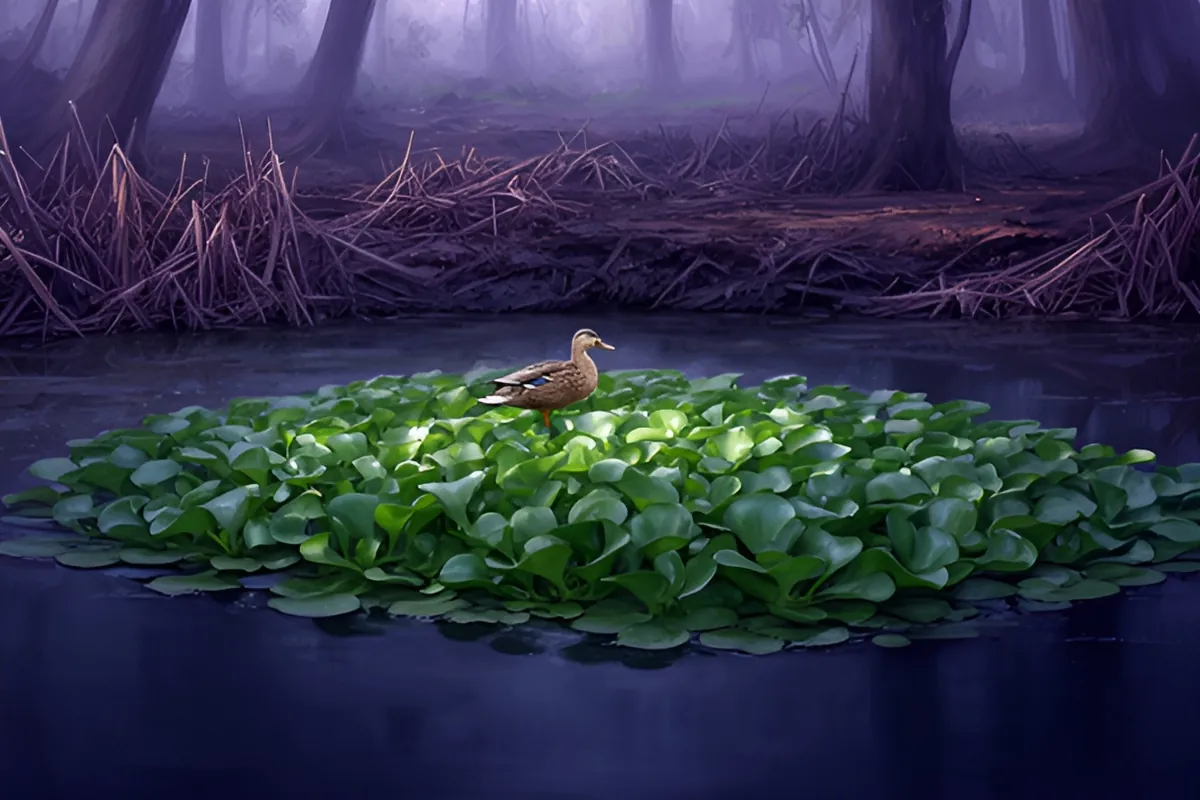
Kudzu vine (Pueraria) smothers forests and roadsides in the southeastern United States, growing over trees, power lines, and abandoned buildings. Water hyacinth (Pontederia crassipes) forms floating mats that block waterways in tropical and subtropical regions, restricting boat traffic and cutting light and oxygen from the water below. Both appear on lists of notable invasive plants worldwide (Invasive species).
Amphibians and Reptiles
Cane toads were released in Australia in 1935 to control beetle pests in sugarcane, and they spread across the continent. Burmese pythons, listed by the Forest Service as invasive, established breeding populations in southern Florida after captive animals were released (Invasive Species).
Birds
European starlings and house sparrows are now among the most common birds in North America. Both were introduced deliberately in the nineteenth century and compete with native cavity-nesting birds for nest sites.
A Comparison Table
| Species | Group | Introduced range | Main impact |
|---|---|---|---|
| Zebra mussel | Mollusk | North American lakes | Clogs pipes and intakes; fouls native clams (Invasive Species) |
| Asian carp | Fish | Mississippi River system | Dominates food webs |
| Kudzu | Vine | Southeastern United States | Smothers trees and roadsides (Invasive species) |
| Water hyacinth | Aquatic plant | Tropics and subtropics | Blocks waterways |
| Cane toad | Amphibian | Australia | Spread after a 1935 release |
| European starling | Bird | North America | Competes for nest cavities |
What the Examples Have in Common
Each species arrived through human activity, whether deliberate release, escaped ornamental planting, or accidental transport in cargo and ballast water (What are Invasive Species?). Each also spread because the new range lacked the predators, parasites, and competitors that held it in check at home. That release from natural control, combined with a new environment that has no defenses against it, is what turns an introduced organism into a damaging invader.
Impacts on Ecosystems and Biodiversity
Invasive species can lead to the extinction of native plants and animals, destroy biodiversity, and permanently alter habitats (What are Invasive Species?). The harm rarely stops with one species. It moves through food webs, soil, and fire cycles, and it persists long after the invader is noticed.
Competition for Food, Habitat, and Nest Sites
When an invader occupies space or consumes a shared resource, native species lose food, habitat, and nesting sites. If left unchecked, invasive species threaten native species, biodiversity, ecosystem services, recreation, water resources, and agricultural and forest production (Invasive Species). A plant that forms dense monocultures removes the mix of stems, leaves, and seeds that insects, birds, and small mammals need.
Predation and Local Extinction
Invasive species harm the environments they enter and adversely affect habitats and bioregions (Invasive species). On islands and in isolated lakes, native prey often has no evolutionary history with the predator, so it lacks escape or defense behavior. Predation and competition then drive local extinctions, and a loss on an island is permanent because no nearby population can recolonize the site.
Hybridization
When a closely related native species is still present, the invader may breed with it. Hybrid offspring carry mixed ancestry, and repeated backcrossing can dilute the native genetic line until few pure native individuals remain. This is a quiet form of loss: the native species may still be present in name while its distinct gene pool disappears.
Shifts in Food Webs and Nutrient Cycles
Invasive filter feeders, grazers, and plants change how energy and nutrients move through a system. Zebra mussels remove plankton from lake water, which raises water clarity and lets light reach deeper. That same plankton is the food base for larval fish and native mussels (Invasive Species). Clearer water can also allow submerged plants and algae to expand into areas they did not previously occupy.
Fire Regimes and Soil Chemistry
Invasive grasses can change fire regimes by forming continuous fuel beds that carry flames across areas that burned rarely before. Soil chemistry shifts when invaders change nitrogen cycling, release compounds that suppress native seedlings, or alter the litter layer. Cheatgrass, leafy spurge, and Japanese knotweed appear on federal lists of invasive plants associated with these kinds of changes (Invasive Species).
Why Islands and Isolated Waters Suffer Most
Small, isolated systems hold few species, small populations, and no source of replacement individuals. A single introduction can therefore remove a species from the entire system. Mainland areas with larger populations and more habitat connections absorb the same pressure with less permanent loss.
Economic Costs and Effects on Agriculture
The official definition of an invasive species includes species whose introduction causes or is likely to cause economic harm (What are Invasive Species?). That wording reflects how often the damage shows up on a balance sheet rather than only in an ecological survey.
Agriculture
Invasive weeds, insects, and pathogens reduce crop yield by competing for water and nutrients, feeding on plant tissue, or spreading disease through a field. The emerald ash borer (Agrilus planipennis) shows how quickly an introduced insect can move through a tree population once it establishes (Invasive Species). Growers respond with herbicides, insecticides, and resistant varieties, all of which add to production cost.
Infrastructure and Utilities
Zebra and quagga mussels settle inside pipes, intake screens, and cooling systems, and they attach to native clams (Invasive Species). Water treatment plants, power stations, and irrigation districts pay for chemical treatment, mechanical scraping, and lost operating time while equipment is cleared.
Grazing Land
Invasive plants that livestock will not eat replace palatable forage. Leafy spurge and cheatgrass are listed among the invasive plants that affect rangeland (Invasive Species). Cheatgrass matures early and dries, so it provides little summer forage and adds fuel that carries fire across grazing country.
Control Programs
Control draws spending from federal agencies, states, tribes, and private landowners. The Forest Service works with public and private organizations, tribes, states, and local landowners to address a wide range of aquatic and terrestrial invasive species (Invasive Species). Costs continue for as long as a population can be suppressed or contained.
Timber, Fisheries, and Tourism
Invasive species can threaten forest production, water resources, recreation, cultural resources, economies, property values, public safety, and infrastructure (Invasive Species). Fisheries lose value when food webs shift. Tourism and recreation suffer when waterways are blocked, beaches are fouled, or access is closed during treatment.
Who Bears the Cost
Damage falls hardest on rural and coastal communities whose economies depend on farming, grazing, fishing, and outdoor recreation. These are often the places with the fewest resources to fund long-term monitoring and control.
| Sector | Type of loss | Example |
|---|---|---|
| Crops | Yield and quality | Weeds, insects, pathogens |
| Utilities | Maintenance and downtime | Clogged pipes and intakes (Invasive Species) |
| Grazing | Forage value | Unpalatable invasive plants |
| Forestry | Timber and tree mortality | Emerald ash borer |
| Recreation | Access and aesthetics | Blocked waterways, fouled shores |
Impacts on Human and Animal Health
The federal definition of an invasive species includes species whose introduction causes or is likely to cause harm to human health (What are Invasive Species?). Health effects range from allergic reactions and skin injuries to infectious disease in people, livestock, and wildlife.
Allergies and Skin Reactions
Common ragweed (Ambrosia artemisiifolia) is invasive in many parts of the world (Invasive species). Its pollen is a major cause of seasonal hay fever, and dense stands near cities raise the pollen load that residents breathe. Giant hogweed produces sap that causes painful, light-activated skin burns, and it has spread along roadsides and riverbanks after escaping cultivation.
Mosquito-Borne Disease
Invasive mosquitoes change the geography of viral disease. Aedes aegypti and Aedes albopictus breed in small containers such as tires, buckets, and plant saucers, feed during daylight hours, and thrive in dense cities. They transmit dengue, Zika, chikungunya, and yellow fever. When these species establish in a new region, the viruses they carry can follow.
Rodents, Ticks, and Other Vectors
Invasive rodents such as the black rat and brown rat live close to people and move pathogens between sewers, homes, and food stores. Ticks expand their range with the host animals they feed on, carrying Lyme disease and other infections into areas where they were previously absent.
Toxic Plants and Livestock
Yellow starthistle (Centaurea solstitialis), listed as invasive in many regions (Invasive species), causes a neurological disorder in horses that graze it over time. Poison hemlock and tansy ragwort poison livestock and can contaminate hay. Pets and wildlife are exposed through the same routes.
Pathogens and Harmful Algae in Ballast Water
Ships take on ballast water in one port and discharge it in another, a documented pathway for moving organisms between regions (What are Invasive Species?). That water can carry bacteria, viruses, and algal cells, including species that form harmful blooms. Shellfish that filter the water concentrate toxins, and people who eat them can become ill.
Why Health Impacts Are Easy to Miss
Health effects appear after a lag. A mosquito, a toxic plant, or a contaminated waterway is not recognized as an invader until cases appear, and by then the species is usually established and difficult to remove.
How Invasive Species Are Managed and Controlled
No single method clears an invasive species from a large area. Programs combine prevention, early detection, direct control, and restoration, and they adjust as the infestation changes. Because invasive species can threaten native species, biodiversity, ecosystem services, recreation, water resources, agricultural and forest production, and infrastructure (Invasive Species), managers rank sites by the value of what is at risk.
Prevention and Early Detection
Prevention and early detection are the cheapest options (What are Invasive Species?). A species found while it still occupies a few hectares can often be removed; the same species after decades of spread usually cannot. Detection work includes field surveys, trapping grids, pheromone traps for insects, water sampling for mussel larvae, and reports from the public. High-risk sites get extra attention: ports, nurseries, boat ramps, trailheads, and campgrounds where firewood moves.
Mechanical and Physical Control
Mechanical removal uses mowing, cutting, and hand pulling, along with digging, trapping, netting, and barriers. These methods suit small or newly found infestations, sensitive sites where chemicals are unwanted, and areas near water. Timing matters. Cutting a plant before it sets seed prevents a new seed bank, while cutting after seed set can spread the problem. Some species resprout from roots or rhizomes, so a single pass rarely finishes the job. Repeated visits over several seasons are normal.
Chemical Control
Herbicides and pesticides are applied under regulation. In the United States, the Environmental Protection Agency registers pesticide products, and applicators must follow the label, which specifies the target species, rate, timing, and safety measures. State agencies may add permits for use near water, and aquatic products differ from terrestrial ones. Chemical control is often paired with mechanical work: cut stems and treat the regrowth, or treat first and remove dead material later.
Biological Control
Biological control uses natural enemies after careful testing. Scientists collect insects, mites, or pathogens from the invader's native range, screen them in quarantine to confirm they attack only the target, and release them only if the risk to native and crop species is judged acceptable. Some programs have reduced widespread weeds. The approach also carries cautionary history: organisms released for pest control have themselves become invasive problems, which is why host testing and long-term monitoring are required.
Quarantine and Border Inspection
Quarantine and border inspections block new arrivals. Inspectors examine cargo, luggage, wood packaging, live plants, and animals, since insects travel easily in wood, shipping pallets, and crates (What are Invasive Species?). Rules on ballast water, firewood movement, and the transport of live organisms reduce the chance that a species reaches a new continent or watershed.
Restoration After Removal
Native plant restoration follows removal to hold ground. Disturbed soil with light and bare space favors the next invader, so managers seed or plant native species, adjust grazing, and monitor for regrowth. A control program that stops at removal often loses the site within a few years.
| Method | Best suited to | Main limits |
|---|---|---|
| Prevention and detection | All sites | Needs sustained funding and public reporting |
| Mechanical removal | Small, isolated, or sensitive sites | Labor intensive; resprouting |
| Herbicides and pesticides | Larger infestations, some aquatic sites | Regulation, non-target risk, water restrictions |
| Biological control | Widespread weeds and pests | Years of testing; releases are permanent |
| Quarantine and inspection | Borders, ports, transport routes | Cannot catch every pathway |
| Native restoration | After control work | Slow; needs follow-up monitoring |
Prevention and What Individuals Can Do
Most invasive species arrive through human activity, often by accident (What are Invasive Species?). People and the goods they move travel quickly, and uninvited organisms travel with them. That makes everyday choices at boat ramps, garden centers, and pet stores part of the front line.
Clean Boats, Boots, and Gear Between Waterways
Clean boats, boots, and gear between waterways. Remove visible plants, mud, and animals from hulls, trailers, anchors, waders, and fishing gear. Drain bilges, live wells, and buckets away from the water body. Let gear dry completely before the next trip, because some organisms survive for days in damp crevices. Zebra and quagga mussels spread this way (Invasive Species). Water, fish, and plants should never be moved between lakes.
Never Release Pets or Aquarium Plants Outdoors
Never release pets or aquarium plants outdoors. Released unwanted pets are a recognized pathway for invasive species (What are Invasive Species?). Aquarium fish, turtles, crayfish, and plants dumped in a pond or stream can establish breeding populations. Red swamp crayfish and domestic cats appear on lists of invasive animals (Invasive species). Practical options include returning animals to a retailer, rehoming through a hobbyist group, contacting a shelter or veterinarian, or using humane euthanasia methods recommended by a veterinarian. For plants, seal clippings in a bag and place them in the trash.
Choose Native Plants for Gardens and Yards
Choose native plants for gardens and yards. Ornamental plants can become invasive after escaping into the wild (What are Invasive Species?). Species that spread by seed or runners, tolerate many soils, and have no local herbivores carry the highest risk. Native plants support local insects and birds and reduce the chance of escape. Check state noxious weed lists before buying, and remove known invaders already growing on the property.
Buy Certified Weed-Free Hay, Seed, and Mulch
Buy certified weed-free hay, seed, and mulch. These products reduce the chance of spreading weed seeds onto pastures, trails, and restoration sites. Buy local firewood or certified heat-treated firewood and burn it where it is bought, since insects travel in wood, pallets, and crates shipped around the world (What are Invasive Species?).
Report Unusual Species
Report unusual species to local or state agencies. Take clear photos, record the location and date, and note how many individuals are present. Do not move the organism. Early reports give agencies a chance to act while a population is still small, which is when removal is cheapest (What are Invasive Species?).
Join Local Monitoring and Removal Programs
Join local monitoring and removal volunteer programs. Watershed groups, weed management areas, land trusts, and state cooperative programs run weed pulls, mussel monitoring, and shoreline surveys. Volunteers extend the reach of paid staff and often spot new infestations first.
| Action | What it reduces |
|---|---|
| Clean, drain, dry gear | Movement between waterways |
| Rehome or return pets | Releases into the wild |
| Plant natives | Escape from gardens |
| Buy certified weed-free products | Weed seed in hay, mulch, and soil |
| Report sightings | Time to detection |
| Volunteer | Gaps in survey coverage |
Common Misconceptions About Invasive Species
Myth: Every Non-Native Species Is Invasive
Non-native species are plants and animals living in areas where they do not naturally exist, and "non-native species" and "invasive species" cannot be used interchangeably (What are Invasive Species?). Tomatoes and hot peppers originated in South America, lettuce was first grown by the Egyptians, and domestic cows are non-native to North America but beneficial in agriculture. A species becomes invasive when its introduction causes or is likely to cause economic or environmental harm or harm to human health. Harm, not origin, is the deciding factor.
Myth: Invasive Species Are Always Large Predators
Most are not. Invasive species can be plants, animals, and other living organisms, including microbes (What are Invasive Species?). Examples include the emerald ash borer, zebra and quagga mussels, kudzu vine, cheatgrass, hemlock woolly adelgid, and the fungus that causes white-nose syndrome (Invasive Species). Plants, insects, shellfish, and pathogens cause more cumulative damage than any single large predator.
Myth: A Species Is Invasive Everywhere It Lives
Invasiveness is a property of a species in a particular place. Common ragweed is native to North America and a serious invasive plant in other regions (Invasive species). A plant sold as a garden ornamental in one country may be a regulated noxious weed in another. The term itself is poorly defined and often subjective, so official lists differ between states and countries.
Myth: Eradication Is Always the Goal
Eradication is realistic for small, isolated populations with a known pathway. For widespread species, managers aim at containment, suppression, or protection of specific assets such as a rare plant site, a reservoir, or a crop field. Goals are set by cost, feasibility, and the value of what is at risk.
Myth: Invasive Species Only Harm Wild Animals and Plants
Impacts reach the economy and public health. If left unchecked, invasive species can threaten native species, biodiversity, ecosystem services, recreation, water resources, agricultural and forest production, cultural resources, economies, property values, public safety, and infrastructure (Invasive Species). Invasive species can also lead to the extinction of native plants and animals, destroy biodiversity, and permanently alter habitats (What are Invasive Species?).
Myth: Control Is Pointless Once a Species Is Established
Suppression still reduces harm. Repeated control can protect high-value sites, slow spread into new watersheds, and hold a population at a level where native species persist. Control programs also buy time while biological control agents or new tools are developed. Stopping work usually allows rapid regrowth, because the invader's seed bank and roots remain in place.
Related Guides
- Sympatric Speciation: Definition and Examples
- Speciation Biology: How New Species Form
- What Is an Ecosystem? Definition, Components and Examples
- Ecosystem Engineers: How Animals Shape Their Habitats
- Niche in Biology: Definition, Types and Examples
- Biomes of the World: Types, Climate and Examples
- What Is Population Biology?
- Food Web: Definition, Diagram, and Examples
- Are Cane Toads Poisonous to Dogs? Emergency Signs and Care
- Water Cycle: Stages, Diagram and Why It Matters
Frequently Asked Questions
What is the difference between non-native and invasive species?
A non-native species lives outside its natural range, having been moved there by human activity. Many non-native species are harmless or beneficial; tomatoes, hot peppers, and lettuce are not native to the United States, and domestic cattle were introduced as a food source (What are Invasive Species?). An invasive species is a non-native organism whose introduction causes or is likely to cause economic or environmental harm, or harm to human health. The two terms cannot be used interchangeably, because only the subset of non-native species that causes damage qualifies as invasive (What are Invasive Species?; Invasive species).
What are some examples of invasive species?
Invasive species include plants, animals, fungi, and microbes (What are Invasive Species?). Notable plants are kudzu vine, water hyacinth, common ragweed, and yellow starthistle (Invasive species). Animals include European rabbits, domestic cats, and red swamp crayfish. Forest Service examples include emerald ash borer, feral swine, zebra and quagga mussels, lionfish, Asian carp, Burmese python, Japanese knotweed, cheatgrass, and hemlock woolly adelgid (Invasive Species). The white-nose syndrome fungal pathogen is another. This range shows that invasions are not limited to one group of organisms or one type of habitat.
How do invasive species spread to new areas?
Spread is driven mainly by human activity, often unintentionally (What are Invasive Species?). Organisms travel with people and goods moving quickly around the world. Pathways include ship ballast water, firewood, shipping palettes and crates carrying insects, accidental release, and ornamental plants that escape into the wild. Released unwanted pets are another route. Humans have acted as dispersal agents for millennia, with the rate and geographic scale increasing during the Age of Discovery and again with international trade (Invasive species). Natural range expansion also occurs, but human transport moves species far faster and farther than they could travel alone.
Why are invasive species a problem for ecosystems?
They can drive native plants and animals to extinction, reduce biodiversity, and permanently alter habitats (What are Invasive Species?). Introduced species compete with natives for food, water, light, and space, and some prey on native species or carry diseases to which natives have no resistance. If left unchecked, they threaten ecosystem services, recreation, water resources, agricultural and forest production, and infrastructure (Invasive Species). Economic and social costs, along with human health effects, add to the ecological damage. Because invasions have accelerated since the twentieth century, they are now considered serious threats worldwide (Invasive species).
Can invasive species be removed once they are established?
Removal is possible in some cases, but eradication becomes harder as a population spreads and builds up a seed bank or reservoir. Small, recently detected infestations are the best candidates for complete removal. Once a species is widespread, managers usually shift to containment, suppression, and long-term control instead of elimination. Federal agencies emphasize prevention, detection, and control alongside removal efforts (Invasive Species). Repeated treatment over many years is often needed, and a species may return if control stops. Complete elimination is rarely achievable across large areas.
What can individuals do to help stop invasive species?
Individuals can reduce the pathways that move species around. Clean boots, gear, boats, and tires before leaving a site; do not move firewood, and buy it locally where you camp (What are Invasive Species?). Never release unwanted pets, aquarium plants, or bait into the wild. Choose native or non-invasive plants for gardens, since ornamental species can escape and naturalize. Report unusual plants, insects, or animals to local extension offices or state natural resource agencies. Learn to identify common invaders in your area so early detections reach managers quickly.
References and Further Reading
- What are Invasive Species?, invasivespeciesinfo.gov
- Invasive species, en.wikipedia.org
- Invasive Species, fs.usda.gov
- What is an invasive species and why are they a problem?, usgs.gov