Sympatric Speciation: Definition and Examples
By Dr. Zubair Khalid, DVM, MS, PhD ·
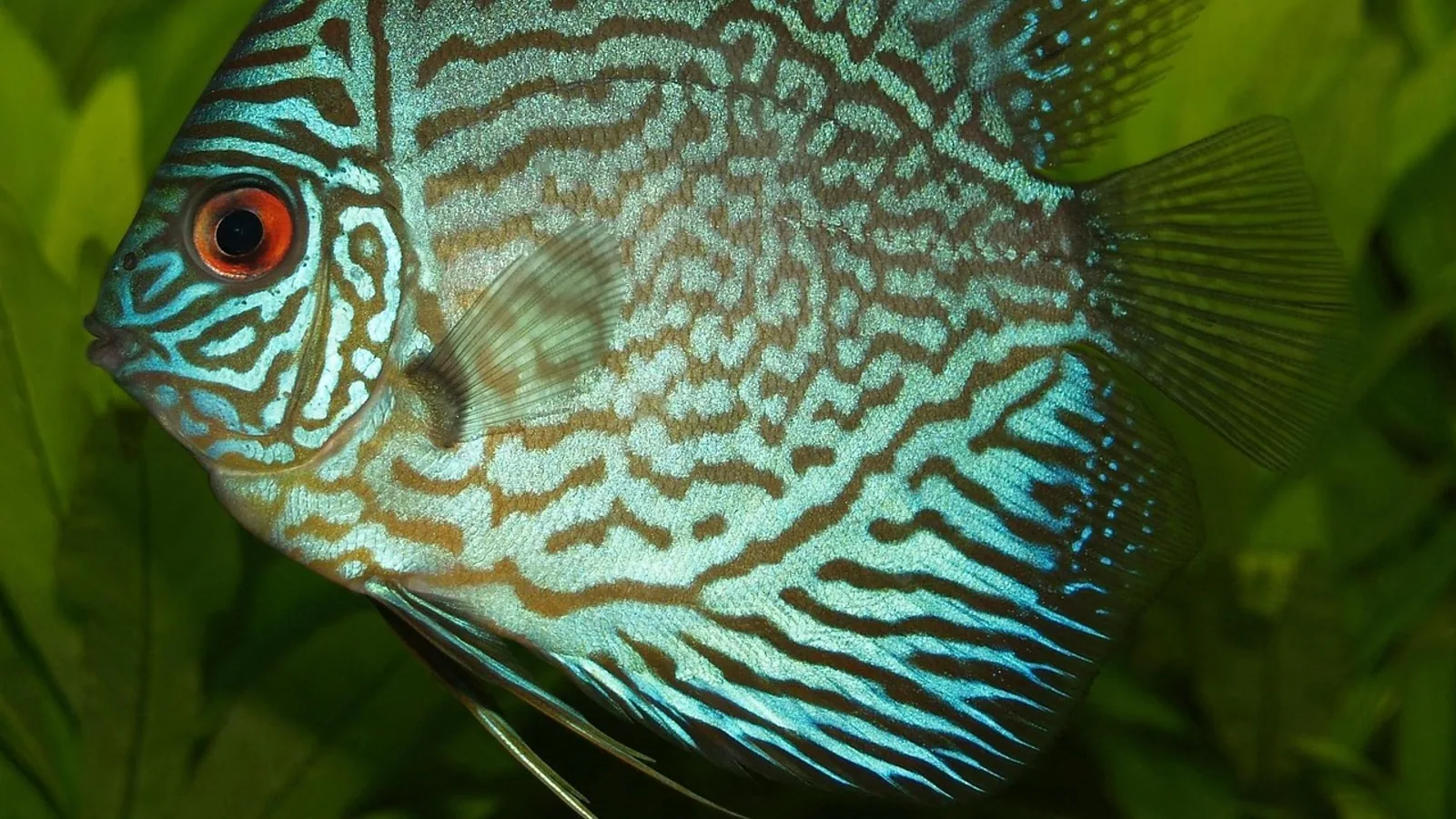
Sympatric speciation is the evolution of two or more new species from a single ancestral population that lives in the same geographic area, with no physical barrier separating them and with gene flow continuing between the diverging groups. It stands apart from the more common allopatric mode because reproductive isolation must arise while individuals still share the same habitat and can still interbreed.
This matters because sympatric speciation is the hardest mode of speciation to explain. If two groups of organisms live side by side and can still exchange genes, what stops them from merging back into one? Answering that question has driven decades of work on disruptive selection, assortative mating, host shifts, polyploidy, and the genetics of ecological specialization. Sympatric species are also central to debates about biodiversity, because if new species can form without geographic isolation, the potential for rapid diversification in one lake, one forest, or one host plant is much larger than early evolutionary biologists assumed.
What Sympatric Speciation Actually Means
The word "sympatric" comes from Greek roots meaning "same country." In evolutionary biology, a sympatric species is one that overlaps completely, or nearly completely, in geographic range with its closest relatives. Sympatric evolution therefore describes divergence that happens inside that shared range rather than after a population is split by a river, a mountain range, or an ocean.
Three conditions define the strict version of sympatric speciation:
- A single ancestral population. The diverging lineages start as one interbreeding group, not as two groups that were already separated.
- Geographic overlap. The ranges of the new lineages coincide. There is no allopatric phase with a physical barrier.
- Ongoing gene flow. At least some gene exchange continues during divergence. If gene flow stops completely before divergence, the process is effectively allopatric.
The third condition is where the controversy lives. Many older examples of supposed sympatric speciation turned out, on closer genetic inspection, to involve periods of geographic separation or secondary contact. Modern genomic tools let researchers test directly whether gene flow was present during divergence, and the results are mixed. Some cases show clear divergence with gene flow [1][2][3]. Others show that what looked sympatric was actually parapatric or allopatric.
Why Sympatric Speciation Is Rare and Controversial
Speciation requires reproductive isolation, the set of barriers that prevent two groups from producing viable, fertile offspring. In allopatric speciation, geography does most of the work. A barrier stops gene flow, the separated populations drift and adapt independently, and reproductive isolation accumulates as a byproduct. The barrier does not need to be permanent. It only needs to last long enough for isolating mechanisms to build up.
In sympatry, there is no barrier. Gene flow constantly mixes alleles between the diverging groups. For divergence to proceed, selection against hybrids must be strong enough to overcome that mixing. Two things are required:
- Disruptive selection. Selection must favor extreme phenotypes at the expense of intermediate ones. If a population feeds on two different host plants, individuals specialized for host A and host B may both do better than generalists that are mediocre on both.
- Assortative mating. Individuals must tend to mate with others that share their ecological niche or phenotype. If host A specialists mate only with other host A specialists, the genes for host A specialization stay together.
Without assortative mating, disruptive selection alone cannot split a population. The intermediates keep getting produced, and gene flow keeps the two extremes connected. This is why sympatric speciation is considered rare and why each proposed case is scrutinized heavily. The theoretical bar is high, and empirical examples are correspondingly few relative to allopatric cases.
How Sympatric Speciation Compares to Allopatric and Parapatric Modes
The three geographic modes of speciation differ in where divergence happens and how much gene flow occurs during it. The table below summarizes the key contrasts.
| Feature | Allopatric | Parapatric | Sympatric |
|---|---|---|---|
| Geography | Populations separated by a physical barrier | Populations in adjacent areas with a contact zone | Populations in the same geographic area, full overlap |
| Gene flow during divergence | Essentially none after separation | Some, across the contact zone | Ongoing, sometimes substantial |
| Primary isolating mechanism | Geographic isolation, then independent divergence | Selection across an environmental gradient, plus reduced hybrid fitness | Disruptive selection plus assortative mating |
| Role of geography | Does most of the work | Partial, through the gradient | Minimal or none |
| Typical examples | Squirrels separated by the Grand Canyon, island radiations | Ring species, gradient-adapted grasses | Apple maggot fly host races, some cichlid radiations, polyploid plants |
| Relative frequency | Most common mode | Intermediate | Rare and debated |
The distinction between parapatric and sympatric is the one students most often blur. Parapatric speciation involves neighboring populations that meet along a boundary, such as a mine tailing with high metal content next to uncontaminated soil. Gene flow occurs mainly across that boundary, and selection varies sharply from one side to the other. Sympatric speciation has no such boundary. The diverging groups occupy the same space and the same habitat type, and they separate by ecology, timing, or behavior rather than by distance.
The Mechanisms That Make Sympatric Divergence Possible
Disruptive Selection
Disruptive selection favors both extremes of a trait distribution and penalizes the middle. A classic scenario is a bird population where small beaks are best for small seeds and large beaks are best for large seeds, while medium beaks are inefficient at both. Over time, the population can split into two beak-size clusters. Disruptive selection is the engine of sympatric divergence because it creates the fitness landscape on which two peaks can form.
Assortative Mating
Assortative mating is nonrandom mating in which individuals prefer partners similar to themselves. It can arise through several routes. If individuals feed and mate on the same host, host choice becomes mate choice. If mating calls differ between ecological types, females may only respond to males of their own type. If the two types breed at different times of day or different seasons, they rarely meet. Any of these mechanisms reduces gene flow between the diverging groups and lets selection build up differences.
Host Shifts and Ecological Specialization
A host shift occurs when a population begins using a new host, food source, or habitat. If the new resource is used for both feeding and mating, the shift can immediately create partial reproductive isolation. This is the logic behind many proposed cases of sympatric speciation in insects and other host-associated organisms. A study of a tapeworm parasite of freshwater fish found clear genetic divergence between parasites infecting different host species, with demographic modeling supporting isolation with continuous gene flow as the most plausible scenario [1]. A separate study of an alga that grows on the shells of intertidal snails found evidence that host-shift speciation proceeded gradually with gene flow [2].
Polyploidy in Plants
Whole-genome duplication, or polyploidy, is a dominant force in sympatric speciation in plants [4]. When a plant doubles its chromosome number, it often becomes instantly reproductively isolated from its diploid relatives because crosses between different ploidy levels produce inviable or sterile offspring. This creates a strong barrier to gene flow in a single generation, without any geographic separation. Polyploidy is one of the clearest and most common routes to sympatric speciation, and it is far more important in plants than in animals. Recent work shows that the barrier is not absolute, and interploidy gene flow does occur in some species, particularly from diploid to tetraploid [4].
Concrete Examples of Sympatric Speciation
Apple Maggot Fly Host Races
The apple maggot fly, Rhagoletis pomonella, is one of the most cited examples of ecological speciation in action. The fly originally used hawthorn fruit as its host. After apples were introduced to North America, a subset of the population shifted to apples. The two host races differ in the timing of adult emergence, which tracks the fruiting time of their respective hosts. Because flies mate on or near their host fruit, host choice acts as mate choice, and the two races are partially reproductively isolated. Gene flow between them is reduced but not zero. This is often described as an early stage of sympatric divergence, and it illustrates how a host shift plus assortative mating can start the process.
Cichlid Fishes
Cichlid fishes in African and Central American crater lakes are among the most celebrated examples of sympatric speciation. The cichlid radiation in Barombi Mbo, a small crater lake in Cameroon, became one of the most widely accepted examples [5]. The lake is isolated and small, so the species inside it most likely diverged in place rather than by repeated colonization. Visual adaptation, including changes in the genes controlling color vision, may have contributed to ecological specialization and reproductive isolation among these fishes [5].
A quantitative study of dietary niche partitioning in the Barombi Mbo radiation found substantial overlap in broad diets among species, with little evidence for strong trophic partitioning [6]. However, five of eleven species consumed rare dietary items, including freshwater sponge, terrestrial ants, and nocturnal shrimp, suggesting that specialization on unusual resources may play a role in coexistence [6]. This nuance matters. Sympatric speciation does not require that every species occupy a completely different niche. It requires enough ecological difference to support assortative mating and reduced hybrid fitness.
More recent work has documented sympatric homoploid hybrid speciation in Midas cichlids in Crater Lake Xiloá, Nicaragua [7]. In this case, a hybrid lineage has diverged genomically and phenotypically from both parental species while occupying a distinct trophic niche, all within the same lake [7]. This is a striking example because homoploid hybrid speciation (hybrid speciation without a change in chromosome number) was long considered rare in animals.
Palms on Lord Howe Island
Lord Howe Island, a small volcanic island in the Tasman Sea, hosts two species of palms in the genus Howea: H. forsteriana and H. belmoreana. They grow in the same forests and overlap in range, yet they are reproductively isolated. The leading explanation is that they diverged in sympatry through adaptation to different soil types, with a shift in flowering time that reduced gene flow between the two groups. The two species flower at different times, and this timing difference acts as a reproductive barrier. The Howea palms remain one of the strongest botanical examples of sympatric speciation, because the island is small and the two species are genuinely sympatric.
Other Documented Cases
Several additional studies have strengthened the empirical base for sympatric divergence with gene flow. Wood ants in Europe show divergence histories consistent with gene flow, with a sympatric pair from Finland showing contemporary hybridization [3]. Clownfish of the skunk complex show moderate gene flow during diversification, with sympatric and allopatric populations revealing different introgression patterns [8]. Heliconius elevatus butterflies are a hybrid species that is sympatric with both parents and has persisted as an independent lineage for at least 180,000 years despite ongoing gene flow with one parent [9]. Marine midges of the species Clunio marinus have diverged into timing strains that occupy different temporal niches at the same locations, with strong nuclear gene flow between sympatric strains [10]. Tibetan loaches in a small postglacial lake have been confirmed as a case of sympatric speciation driven by dietary specialization [11]. These cases do not all fit the same template, but together they show that sympatric divergence is possible across a wide range of organisms.
How Sympatric Speciation Is Tested
Demonstrating sympatric speciation requires ruling out alternative explanations. Researchers use several lines of evidence.
Genomic divergence with gene flow. Population genomic data, often from genome-wide single nucleotide polymorphisms (SNPs), are used to estimate gene flow between diverging lineages. If divergence occurred with continuous gene flow, the data should show a pattern of isolation with migration rather than strict isolation. Studies of tapeworm parasites [1], shell-covering algae [2], wood ants [3], and clownfish [8] all used this approach.
Demographic modeling. Coalescent-based models compare scenarios such as strict isolation, isolation with migration, and secondary contact. The best-fitting model indicates whether gene flow was present during divergence. This is how the tapeworm study identified isolation with continuous gene flow as the most plausible scenario [1].
Ecological and behavioral data. Host-use assays, mating trials, and dietary analysis show whether divergent selection and assortative mating are actually operating. In the Aciurina gall flies, host-use assays and hybrid crosses revealed strong immigrant inviability, meaning purebred flies could not induce galls on novel hosts, and hybrid generations had reduced gall induction success [12]. This kind of data shows that selection against migrants and hybrids is strong enough to maintain divergence.
Temporal and spatial overlap. Researchers confirm that the diverging groups are genuinely sympatric, not just adjacent. For the Clunio midges, the timing strains occupy divergent temporal niches at the same geographic locations, which is a form of sympatry in time rather than space [10].
Why Sympatric Speciation Matters for Biology
Sympatric speciation expands the range of conditions under which biodiversity can arise. If new species can form without geographic isolation, then a single lake, a single island, or a single host plant can generate multiple species over relatively short timescales. This helps explain adaptive radiations in crater lakes, host-associated insect diversification, and the high species richness of certain plant groups.
It also changes how biologists interpret patterns of biodiversity. When two closely related species live side by side, the default assumption used to be that they must have diverged elsewhere and then come back into contact. Sympatric speciation offers an alternative: they may have diverged in place. Distinguishing between these possibilities requires genetic data, which is why the field has moved from inferring mode from geography alone to testing it with genomic evidence.
Common Mistakes and Limitations
Assuming that sympatry today means sympatric speciation. Two species that currently live together may have diverged in allopatry and then become sympatric later. Current geographic overlap is not evidence of sympatric divergence. Genetic data are needed to reconstruct the history.
Confusing parapatric and sympatric speciation. Parapatric speciation involves adjacent populations with a contact zone and gene flow across an environmental gradient. Sympatric speciation involves full geographic overlap with no such gradient. The distinction matters because the isolating mechanisms differ.
Overstating how common sympatric speciation is. Allopatric speciation is the dominant mode. Sympatric speciation is rare and, in many proposed cases, still debated. Textbooks often present the apple maggot fly and the Barombi Mbo cichlids as examples, but even these have been reexamined and refined over time.
Ignoring the role of polyploidy. In plants, polyploidy provides a near-instant reproductive barrier that makes sympatric speciation much more plausible than it is in animals. Any discussion of sympatric speciation that omits polyploidy is incomplete [4].
Treating gene flow as an all-or-nothing variable. Gene flow can be continuous, episodic, or restricted to certain genomic regions. Divergence with gene flow often involves islands of divergence, small genomic regions under strong selection, surrounded by a sea of homogenized DNA. The Heliconius elevatus case is a clear example: 99% of the genome is homogenized by gene flow with one parent, while 1% introgressed from the other parent contains the traits that maintain reproductive isolation [9].
Assuming that ecological difference alone is enough. Disruptive selection must be paired with assortative mating. Without nonrandom mating, gene flow will erase the divergence. This is the central theoretical constraint on sympatric speciation.
Individual cases vary, and interpreting any specific example requires careful genetic and ecological work.
Quick Review
- Sympatric speciation is divergence with ongoing gene flow in the same geographic area.
- It requires disruptive selection plus assortative mating to overcome gene flow.
- It is rare and controversial compared with allopatric speciation.
- Polyploidy is a major route to sympatric speciation in plants [4].
- Key examples include apple maggot fly host races, cichlid fishes in crater lakes [7][5], and Howea palms on Lord Howe Island.
- Parapatric speciation involves adjacent populations and a contact zone. Sympatric speciation involves full overlap.
- Genomic data and demographic modeling are used to test whether divergence occurred with gene flow [1][2][3].
Frequently Asked Questions
What is the simple definition of sympatric speciation?
Sympatric speciation is the formation of new species from a single ancestral population in the same geographic area, without a physical barrier and with gene flow continuing during divergence.
How does sympatric speciation differ from allopatric speciation?
Allopatric speciation requires geographic separation by a barrier, which stops gene flow. Sympatric speciation occurs without a barrier, so reproductive isolation must evolve despite ongoing gene flow.
What is the difference between sympatric and parapatric speciation?
Parapatric speciation involves neighboring populations that meet along a contact zone and exchange genes across an environmental gradient. Sympatric speciation involves populations that fully overlap in the same area with no gradient boundary.
Is sympatric speciation common?
No. It is considered rare and is much less common than allopatric speciation. Each proposed case requires strong evidence of divergence with gene flow, and many examples remain debated.
What role does polyploidy play in sympatric speciation?
Polyploidy, or whole-genome duplication, creates an instant reproductive barrier between a new polyploid lineage and its diploid relatives. This makes sympatric speciation especially plausible in plants [4].
Can sympatric speciation happen in animals?
Yes, but it is harder to demonstrate. Documented or strongly supported cases include apple maggot fly host races, cichlid fishes in crater lakes [7][5], Heliconius butterflies [9], and Clunio midges with divergent timing strains [10].
Related Articles
- Speciation Definition Biology
- Speciation Biology Definition
- Computational Prediction of Cross-Species Receptor Binding: Bat Coronavirus Spike Protein Evolution and Human Pandemic Risk
- Epigenetic Mark Divergence: How DNA Methylation and Histone Modification Patterns Differ Across Species and Cell Types
- The History and Evolution of Bioinformatics
- Molecular Clock Definition and Mechanisms in Molecular Evolution
- Black Cat Breeds: 10 Varieties With Black Coats
Sources
- Host-Associated Genetic Differentiation in the Face of Ongoing Gene Flow: Ecological Speciation in a Pathogenic Parasite of Freshwater Fish.
- Host-Shift Speciation Proceeded with Gene Flow in Algae Covering Shells.
- Whole-genome analysis of multiple wood ant population pairs supports similar speciation histories, but different degrees of gene flow, across their European ranges.
- Ploidy as a leaky reproductive barrier: mechanisms, rates and evolutionary significance of interploidy gene flow.
- Visual adaptation could aid sympatric speciation in a deep crater lake.
- Trophic specialization on unique resources despite limited niche divergence in a celebrated example of sympatric speciation.
- Early stages of sympatric homoploid hybrid speciation in crater lake cichlid fishes.
- Recurrent gene flow events occurred during the diversification of clownfishes of the skunk complex.
- Hybrid speciation driven by multilocus introgression of ecological traits.
- Timing strains of the marine insect Clunio marinus diverged and persist with gene flow.
- Sympatric Speciation of Tibetan Loaches (Triplophysa) Driven by Dietary Niche Specialization.
- Rapid ecological speciation in gall inducers.