How Long Does a Chicken Lay an Egg? Cycle Explained
By Dr. Zubair Khalid, DVM, MS, PhD ·
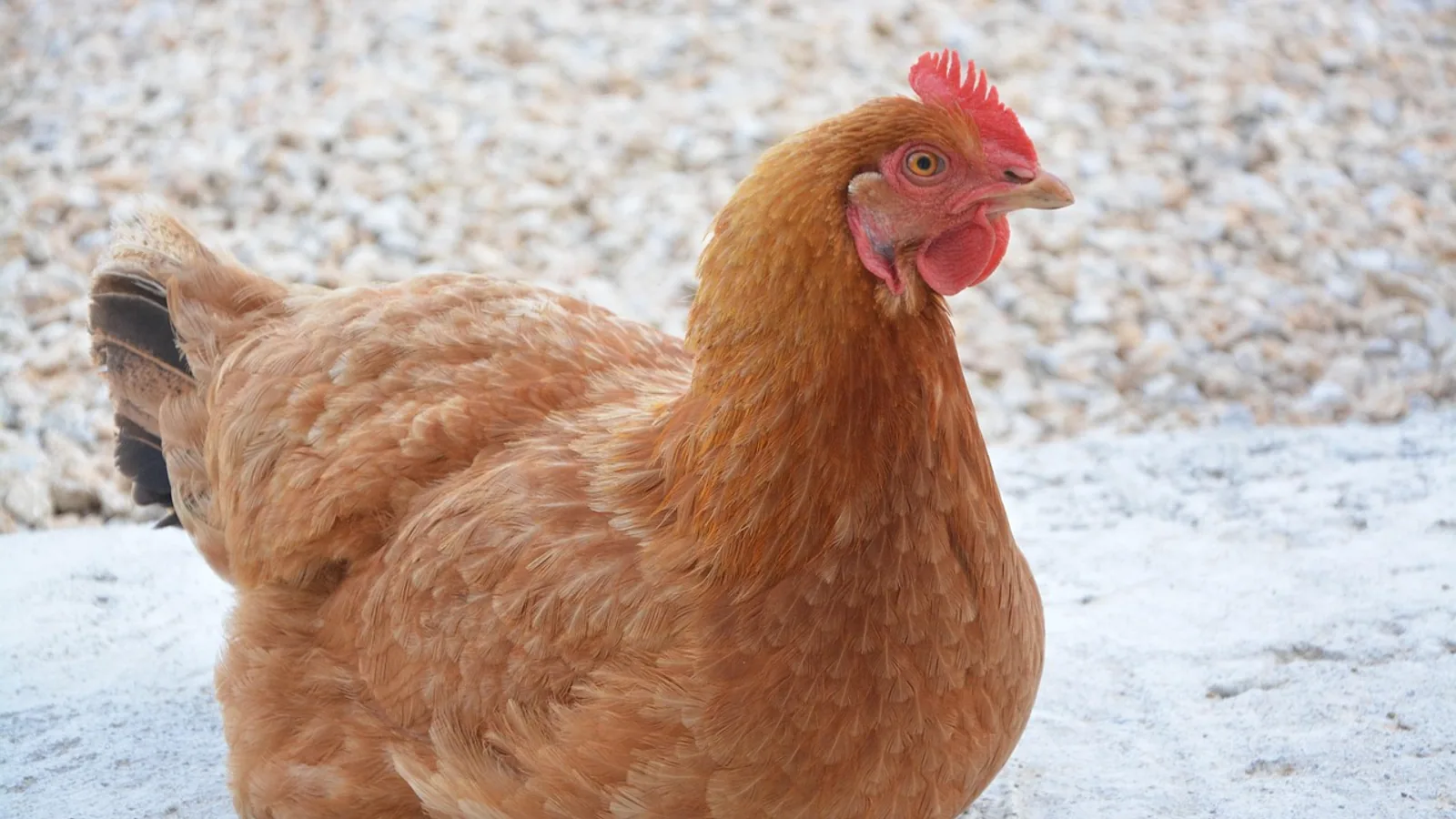
A hen needs roughly 24 to 26 hours from the moment an egg yolk is released from the ovary (ovulation) until that egg is laid (oviposition). Because that interval is longer than a calendar day, a healthy hen cannot lay more than one egg in any 24-hour period, and the time of lay drifts later by about 30 to 60 minutes each day until she skips a day and resets.
That single fact explains most of what owners observe: the gradual creep of laying time from morning to afternoon, the occasional missed day, and the burst of eggs followed by a pause. This article walks through the anatomy and endocrinology behind the 24 to 26 hour cycle, explains how light sets the whole system in motion, and gives practical troubleshooting steps when production drops.
This article is educational and is not a substitute for veterinary diagnosis or treatment.
The Short Answer: 24 to 26 Hours From Ovulation to Oviposition
The laying cycle is not a 24-hour clock. It is a slightly longer-than-daily rhythm that runs on the hen's internal circadian system and on the light schedule she experiences.
Two events define the cycle:
- Ovulation: the release of a mature yolk (ovum) from a follicle on the ovary into the oviduct.
- Oviposition: the moment the finished egg passes out through the vent.
The next ovulation does not wait for the previous egg to be laid. It happens shortly after, typically about 15 to 75 minutes after oviposition of the previous egg. In other words, the hen starts building tomorrow's egg while today's egg is still warm in the nest box.
That overlap is the reason the cycle is longer than 24 hours. Add the roughly 15 to 75 minute lag between laying one egg and ovulating the next to the time the egg spends traveling through the oviduct, and you get the familiar 24 to 26 hour total.
Why a Hen Cannot Lay Two Eggs in One Day
Because the interval from ovulation to oviposition exceeds 24 hours, the next egg is never ready within the same calendar day. A hen that lays at 8:00 a.m. today will tend to lay around 8:30 to 9:00 a.m. tomorrow, then later still the following day. This progressive shift is normal and is one of the clearest signs that the reproductive cycle is running correctly.
When the drift pushes laying time past late afternoon, the hen's system runs out of daylight hours to complete the sequence. She then skips a day, and the cycle resets to an early morning lay. That skipped day is the "pause" that separates one clutch from the next.
Clutch Length Determines Pause Days
A clutch (also called a sequence) is a run of consecutive days on which a hen lays. Clutch length varies by individual, age, breed, and environment. A hen with a 5-egg clutch lays 5 days in a row, then pauses 1 day, then begins a new clutch. A hen with a 2-egg clutch lays 2 days and pauses 1 day, which is why her overall production rate is lower even though she looks healthy.
The multiphasic model of egg production describes each clutch as a series of eggs bounded by a pause, with the number of eggs in a clutch set by circadian rhythm and the pause set by a circadian component plus an environmentally determined delay [1]. In that framework, the pause delay averaged about 16 hours in the hens studied and appeared to be influenced by the ratio of light to dark in the day [1]. This is why lighting programs change production so reliably: they act on the pause, not on the number of eggs a hen can physically form.
The Anatomy of the Cycle, Step by Step
The oviduct is a single tube, roughly 60 to 70 cm long in a mature hen, divided into five functional regions. Each region adds a layer or performs a step. The whole journey takes about 24 to 26 hours, and the uterus (shell gland) alone accounts for about 20 of those hours.
1. Ovary and Follicle Selection
The ovary holds a hierarchy of follicles. The largest, called the F1 follicle, is next in line to ovulate. Behind it sit F2, F3, and so on in descending size. When the F1 follicle ruptures, it releases the yolk into the infundibulum, the funnel-shaped opening of the oviduct.
Ovulation is triggered by a surge of luteinizing hormone (LH) from the anterior pituitary. In the domestic hen, the preovulatory LH peak occurs about 4 hours before ovulation and roughly 3.5 hours before oviposition of the previous egg [2]. A parallel preovulatory rise in progesterone, which is a reliable index of preovulatory ovarian activity, begins about 7 hours before ovulation, peaks at approximately 6.9 ng/ml at 2 to 3 hours before ovulation, and returns to baseline at ovulation itself [3].
2. Infundibulum (About 15 to 30 Minutes)
The infundibulum engulfs the yolk within minutes of ovulation. If fertilization occurs, it happens here, in the upper oviduct. The yolk spends only a short time in this segment before moving on.
3. Magnum (About 3 Hours)
The magnum is the longest section of the oviduct and the site of albumen (egg white) deposition. It secretes the thick and thin albumen layers around the yolk over roughly 3 hours. The chalazae, the twisted cords that anchor the yolk in the center of the egg, are formed here as the albumen rotates.
4. Isthmus (About 1 to 1.5 Hours)
The isthmus adds the two shell membranes (inner and outer) around the albumen. These membranes are the scaffold on which the shell will be built. The egg enters the uterus as a soft, membrane-bound package.
5. Uterus or Shell Gland (About 20 Hours)
This is the longest phase and the one that dominates the 24 to 26 hour total. In the uterus, the egg absorbs "plumping" fluid, which swells the albumen, and then receives its calcium carbonate shell. Shell formation takes approximately 20 hours. The hen mobilizes calcium from her medullary bone, a specialized calcium reservoir inside the long bones, and from dietary calcium. A hen's blood calcium is tightly regulated, and a laying hen can draw heavily on skeletal reserves during the dark hours when she is not eating.
Because shell formation runs through the night, providing a calcium source in the late afternoon or evening (such as limestone or oyster shell offered free-choice) is a standard management practice. It gives the uterus raw material during the hours when dietary intake is zero.
6. Vagina and Oviposition
The vagina does not add to the egg. It delivers it. Oviposition is a neuromuscular event, and the timing of the previous lay sets the timing of the next ovulation. Stress can disrupt this. In one study, hens injected with epinephrine took about 9 to 14 hours longer between the first and second oviposition compared with controls, and feeding propranolol prevented that delay, which suggests a sympathetic nervous system pathway is involved in the timing of lay [4].
The flowchart below shows the sequence from light stimulus to oviposition.
flowchart TD
    A[Light enters eye and hypothalamus] --> B[GnRH released]
    B --> C[FSH and LH released from pituitary]
    C --> D[Follicle growth and yolk deposition]
    D --> E[LH surge about 4 hours before ovulation]
    E --> F[Ovulation of F1 follicle]
    F --> G[Infundibulum]
    G --> H[Magnum albumen]
    H --> I[Isthmus membranes]
    I --> J[Uterus shell about 20 hours]
    J --> K[Oviposition]
    K --> L[Next ovulation in 15 to 75 minutes]
How Light Controls the Cycle
Photoperiod is the single most powerful external control on laying. The hen's reproductive axis reads day length through the eye and through deep brain photoreceptors, and it translates that information into hormone output.
The Hypothalamic-Pituitary-Gonadal Axis
When a hen receives sufficient light, the hypothalamus releases gonadotropin-releasing hormone (GnRH). GnRH drives the anterior pituitary to release follicle-stimulating hormone (FSH) and luteinizing hormone (LH). FSH supports follicle growth and yolk deposition. LH triggers the preovulatory surge that causes ovulation.
A photoperiod of about 14 to 16 hours of light per day is the standard stimulus for sustained egg production. Below that, the drive weakens. Above it, returns diminish and welfare and shell quality can suffer.
What the Research Shows
The size and timing of a photoperiod increase matter as much as the final day length. In a study of ISA Brown and Shaver 288 pullets moved from 8 hours of light to 8, 10, 13, or 16 hours at various ages, age at first egg was curvilinearly affected by both the size and the timing of the change, and it was advanced most by a change from 8 to 13 hours made at 63 or 84 days of age [5]. Longer photoperiods significantly increased survivors' egg production but decreased livability to 504 days, so eggs per hen housed were unaffected [5]. Shell quality was unaffected by age at first egg but deteriorated with increasing photoperiod [5].
Light intensity also matters. In four commercial layer strains photostimulated at 18 weeks of age with 1, 5, 50, or 500 lux, hen-day production was greater in brown egg strains (86.7% and 88.1%) than in white egg strains (83.4% and 82.3%), and production was reduced in birds under 1 lux compared with 5 or 50 lux [6]. A light intensity that is too dim can suppress production even when day length is correct.
Sudden reductions in photoperiod are costly. When ISA Brown and Shaver hens were given a 5-hour increase or a 2, 5, or 10-hour decrease in photoperiod at 215 days of age, both breeds showed curvilinear responses in rate of lay and egg output, and the beneficial effect of a 5-hour increase was smaller than the adverse effect of a 5-hour decrease [7]. The reduction in rate of lay following a photoperiod decrease was partly caused by some birds ceasing lay, but all birds showed some decrease [7].
Prolactin and the Broody Brake
Prolactin is the hormone that supports incubation behavior (broodiness) and suppresses laying. When prolactin rises, LH falls, and the hen stops producing eggs. In White Leghorn hens treated with bromocriptine, a prolactin-suppressing agent, from 72 to 82 weeks of age, plasma prolactin was lower and LH, estradiol, and progesterone were higher, with higher egg production and fewer pause days [8]. In bantam hens immunized against recombinant-derived chicken prolactin, the incidence of broodiness was reduced or delayed [9]. These findings confirm that prolactin is a brake on the reproductive axis and that removing that brake increases output.
For backyard flocks, the practical implication is that a hen who has gone broody will not lay, and that this is hormonal rather than a sign of disease.
Hen-Day Production by Age and Light Regimen
Hen-day production is the percentage of live hens in a flock that lay an egg on a given day. It is the standard measure of flock performance. The table below summarizes typical patterns. Values are representative of commercial and well-managed backyard flocks and are drawn from the cited studies where specific figures are given.
| Age of hen | Typical light regimen | Hen-day production | Notes |
|---|---|---|---|
| 18 to 20 weeks | 11 to 12 hours, increasing | 0 to 20% | Onset of lay, pullets reaching sexual maturity |
| 22 to 26 weeks | 13 to 14 hours | 60 to 80% | Rapid rise, small eggs, some double-yolk eggs |
| 26 to 33 weeks | 14 to 16 hours | 24% in dual-purpose breeds under 12L:12D [10] | Dual-purpose breeds peak lower than commercial layers |
| 30 to 45 weeks | 14 to 16 hours | 82 to 88% | Peak production in commercial strains [6] |
| 45 to 60 weeks | 14 to 16 hours | 75 to 85% | Gradual decline, larger eggs |
| 60 to 80 weeks | 14 to 16 hours | 60 to 75% | Increasing pause days, shell quality declines |
| 80 weeks and older | 14 to 16 hours | 50 to 65% | Reproductive senescence, more variable |
Two cautions about this table. First, breed matters enormously. Commercial white-egg strains reached 83.4% and brown-egg strains 86.7 to 88.1% hen-day production in one trial [6], while dual-purpose breeds reared outdoors averaged about 24% at 26 to 33 weeks of age under a natural decreasing photoperiod of roughly 12L:12D [10]. Second, age and light interact. In the same dual-purpose study, the laying rate and egg weight increased in all groups when the hens moved to a 14L:10D implemented photoperiod at 42 to 53 weeks of age [10].
Practical Implications for Owners and Keepers
Set the Light Correctly
Provide 14 to 16 hours of light per day for laying hens in production. Use a timer so the schedule is identical every day. Do not shorten the day abruptly. If you must change the photoperiod, increase it gradually, by about 15 to 30 minutes per week, until you reach the target.
Light intensity should be bright enough to read a newspaper anywhere in the coop. Very dim light, in the range of 1 lux, reduced hen-day production in a controlled trial [6], so a single weak bulb in a large coop may not be enough.
Manage Calcium Around the Clock
Because shell formation takes about 20 hours and runs largely overnight, offer a free-choice calcium source such as oyster shell or limestone in a separate feeder. Hens will self-select extra calcium in the late afternoon when their physiological demand is highest.
Expect the Drift
Do not be alarmed when your hens lay later each day for several days and then skip a day. That pattern is the normal expression of a cycle longer than 24 hours. A hen that lays 5 days in a row and then rests 1 day is functioning exactly as she should.
Recognize What Is Not Normal
A sudden drop in production across the whole flock points to an environmental or management cause: a broken timer, a burned-out bulb, a new disturbance, a feed change, or a predator. A drop in one hen points to a health problem: egg binding, salpingitis, internal laying, or reproductive tumors. Caloric restriction decreased egg production by more than 60% and was associated with a greater than 70% decrease in reproductive tract cancers in a large study of Single Comb White Leghorns, which confirms that high sustained ovulation is metabolically expensive and linked to reproductive disease risk [11].
Clinical Relevance, Limitations and Common Mistakes
The 24 to 26 hour cycle has direct clinical relevance. A hen who has not laid for several days may be egg bound, may have a shell gland infection, or may have stopped cycling for hormonal reasons. A hen who lays soft-shelled or shell-less eggs may have a calcium or vitamin D problem, or an oviduct infection.
Several mistakes are common:
- Assuming a hen can lay twice a day. She cannot. The physiology does not allow it.
- Cutting light suddenly to "rest" a hen. Abrupt photoperiod decreases reduce rate of lay in all birds and cause some to stop entirely [7]. If you want to rest a hen, do it gradually.
- Ignoring light intensity. Day length alone is not enough. A dim coop can suppress production even on a 16-hour schedule [6].
- Confusing a pause day with illness. One skipped day after a clutch is normal. Three or more days without an egg in a previously reliable layer warrants a veterinary examination.
- Feeding calcium only in the morning. Shell formation is heaviest at night. Free-choice calcium available all day, with emphasis on the afternoon, matches the hen's biology.
Individual hens vary widely in clutch length, response to light, and age at first egg. A veterinarian who examines the bird and reviews the flock's history is the right resource when production changes cannot be explained by management.
Frequently Asked Questions
How long does a chicken take to lay an egg?
About 24 to 26 hours from ovulation to oviposition. The uterus accounts for roughly 20 of those hours during shell formation.
Can a chicken lay two eggs in one day?
No. The cycle is longer than 24 hours, so the next egg is never ready within the same day. A hen that appears to lay twice daily is usually two hens sharing a nest.
Why do my hens lay later each day?
Because the cycle runs 24 to 26 hours, each day's lay drifts 30 to 60 minutes later. When the drift reaches late afternoon, the hen skips a day and resets to an early morning lay.
How many hours of light do laying hens need?
About 14 to 16 hours per day. A photoperiod increase from 8 to 13 hours at 63 to 84 days of age advanced sexual maturity most effectively in one study [5].
Does light intensity matter for egg production?
Yes. Hens under 1 lux produced fewer eggs than hens under 5 or 50 lux in a four-strain trial [6]. Provide enough light to read comfortably anywhere in the coop.
What happens if I shorten the light period?
Rate of lay falls in all birds, and some stop laying entirely. A 5-hour decrease had a larger negative effect than a 5-hour increase had a positive effect in one study [7].
How long does shell formation take?
About 20 hours in the uterus. The hen draws calcium from medullary bone and from feed during this period.
Why did my hen stop laying for a few days?
The most common reason is a normal pause between clutches. Other causes include broodiness driven by prolactin, a sudden light change, stress, or illness. A pause longer than three days in a previously reliable layer should be evaluated by a veterinarian.
Related Articles
- How Many Eggs Do Backyard Chickens Lay?
- Do You Need a Rooster for Hens to Lay Eggs?
- Chameleon Egg Binding Dystocia: Lay Box Setup vs Surgical Extraction
- Why Have My Chickens Stopped Laying Eggs?
- Parasites of Poultry: Chicken Parasites in Eggs and Meat
- Parasites in Poultry Eggs: Risks and Prevention
- How Long Do Fresh Eggs Last in the Fridge?
- Turtle Eggs: Incubation Time and Hatching Guide
- How Long Do Duck Eggs Take to Hatch? Timeline
Sources
- Characterization of poultry egg production using a multiphasic approach.
- Luteinizing hormone concentrations in the plasma of laying hens exposed to a 27-hr cycle of light and darkness.
- Plasma concentrations of progesterone and corticosterone during the ovulation cycle of the hen (Gallus domesticus).
- Prevention of epinephrine and stress-induced egg laying delay by feeding propranolol to the laying hen.
- Effect of size and timing of photoperiod increase on age at first egg and subsequent performance of two breeds of laying hen.
- Effects of light intensity from photostimulation in four strains of commercial egg layers: 2. Egg production parameters.
- Effects of changes in photoperiod and feeding opportunity on the performance of two breeds of laying hen.
- Effect of suppression of plasma prolactin on luteinizing hormone concentration, intersequence pause days and egg production in domestic hen.
- Effect of active immunization against recombinant-derived chicken prolactin fusion protein on the onset of broodiness and photoinduced egg laying in bantam hens.
- A Study on Egg Production and Quality According to the Age of Four Italian Chicken Dual-Purpose Purebred Hens Reared Outdoors.
- Evidence of a chemopreventive effect of progestin unrelated to ovulation on reproductive tract cancers in the egg-laying hen.