How Many Eggs Do Backyard Chickens Lay?
By Dr. Zubair Khalid, DVM, MS, PhD ·
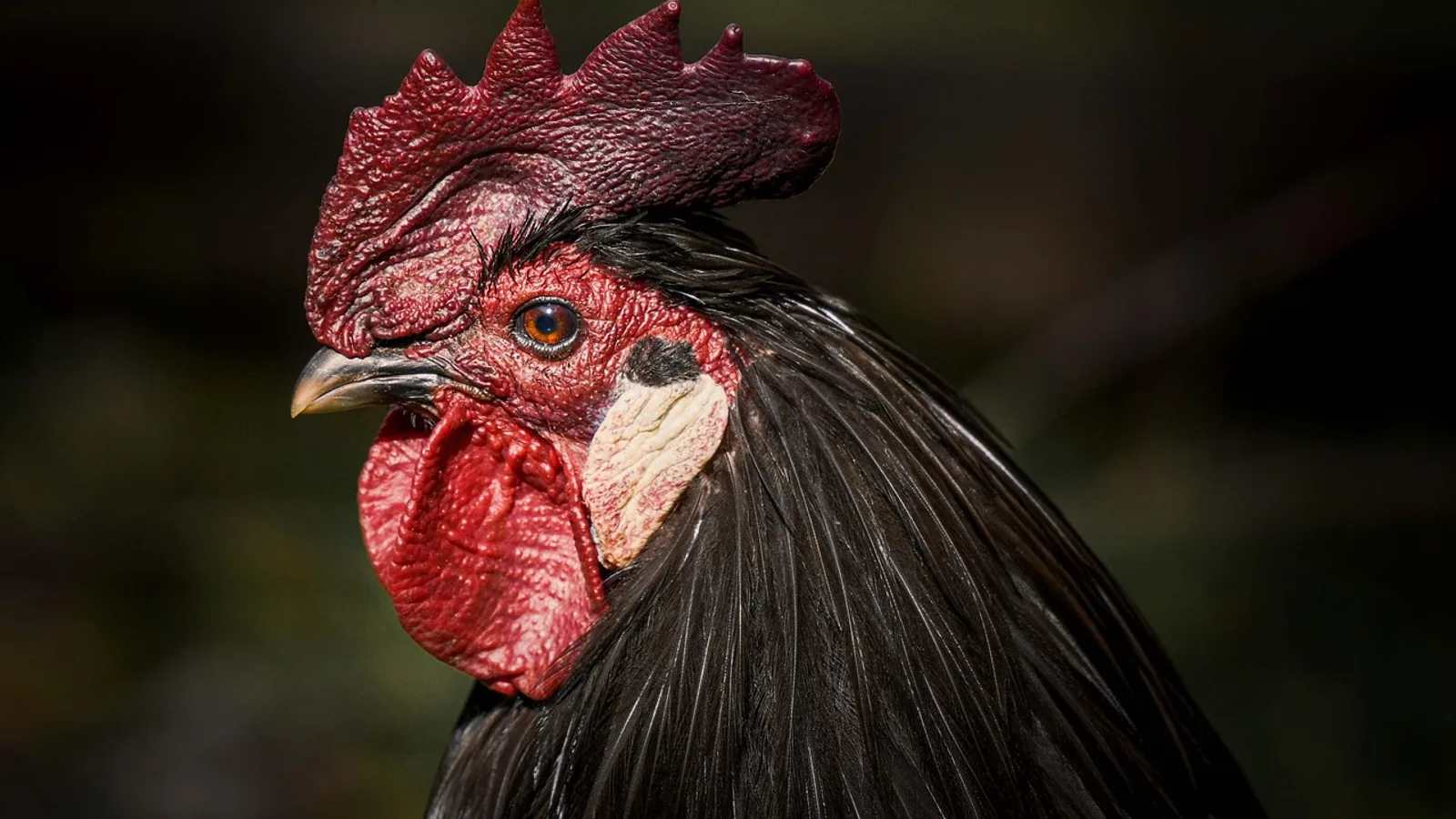
Backyard chicken keeping has surged in popularity across North America, Europe, and Australia, driven by a desire for fresh eggs and sustainable living. One of the most common questions from new and experienced keepers alike is: how many eggs do backyard chickens lay? The answer is not a single number; it depends on a complex interplay of genetics, age, season, daylight, nutrition, and overall health. Under optimal management, a healthy commercial hybrid hen can lay 250 to 300 eggs per year, while a heritage breed may produce 150 to 200 eggs annually. This pillar article provides a comprehensive, evidence-based overview of egg production in backyard flocks, incorporating veterinary guidelines from the AVMA, Merck Veterinary Manual, and other authoritative bodies. We will explore each major factor and offer practical advice for maximizing your flock’s output.
Key Takeaways
- Laying hens require 14 to 16 hours of consistent daily light (photoperiod) to stimulate the hypothalamic-pituitary-gonadal axis and sustain peak egg laying.
- Peak egg production occurs between 5 and 18 months of age (averaging 250–300 eggs/year in productive production breeds like Leghorns and Australorps), followed by an annual 10%–15% decline each year thereafter.
- Calcium nutrition is vital: laying hens need 3.5%–4.5% dietary calcium (approx. 4–5 grams of calcium daily) alongside supplemental free-choice crushed oyster shell to prevent brittle shells and osteoporosis.
- An annual autumn molt (feather shedding lasting 8 to 16 weeks) temporarily pauses egg production as hens redirect dietary protein toward new feather synthesis.
- Sudden drop in flock egg production signals environmental stress (extreme heat/cold, predators), dietary calcium deficiency, internal parasites, or infectious diseases (Infectious Bronchitis, Newcastle Disease).
Quick Q&A
Question: How many eggs do backyard chickens lay per week?
Answer: On average, a healthy laying hen produces 4 to 6 eggs per week, though this varies by breed, age, and season. High-production hybrids such as the White Leghorn can lay 5 to 7 eggs weekly during peak laying, while heritage breeds like the Rhode Island Red may lay 3 to 5 eggs per week. Factors such as daylight length and nutrition strongly influence weekly output.
Factors Influencing Egg Production
Egg production is a multifactorial process. The primary drivers are genetics, age, photoperiod (daylight length), nutrition, and health status. Understanding each factor allows keepers to optimize their management practices.
Breed Genetics
The genetic potential of a hen is the single most important determinant of egg number. Breeds are broadly categorized into commercial hybrids (e.g., White Leghorn, ISA Brown, Hy-Line) and heritage or dual-purpose breeds (e.g., Plymouth Rock, Orpington, Australorp). Commercial hybrids have been selectively bred for high egg output, often laying 300 or more eggs in their first laying year. Heritage breeds typically lay fewer eggs but may have longer productive lifespans and better foraging behaviour. According to the Merck Veterinary Manual, the average annual egg production for a commercial layer is around 280 to 320 eggs, while a typical backyard hen of a standard breed produces 180 to 250 eggs per year.
Age of the Hen
Age profoundly affects egg production. Pullets (young hens) begin laying at around 18 to 24 weeks of age, depending on breed and season. The first laying year (from onset to about 72 weeks of age) is the most productive. Production peaks at around 30 to 40 weeks of age, then gradually declines by 10 to 20% per year thereafter. After the second or third year, many hens enter a period of reduced lay, and by age 4 to 5, production often drops to fewer than 100 eggs per year. This decline is a normal part of the hen’s reproductive senescence.
Season and Daylight
Photoperiod is a critical environmental cue for egg laying. Hens require 14 to 16 hours of light per day to maintain optimal ovarian function. In natural conditions, egg production increases in spring and summer when days are long and decreases in autumn and winter as daylight shortens. Many backyard keepers in northern climates (e.g., Canada, northern US, Scandinavia) observe a marked drop or complete cessation of laying during the winter months. The AVMA acknowledges that artificial lighting can be used to extend the photoperiod, but caution is advised to avoid stress and to ensure hens receive at least 8 hours of darkness for rest.
Nutrition and Diet
Egg production is energetically demanding. A laying hen requires a diet containing 16 to 18% crude protein, adequate calcium (3.5 to 4.5% of the diet) for eggshell formation, and balanced levels of phosphorus, vitamins (especially A, D3, E, and B12), and trace minerals such as zinc and manganese. Inadequate protein leads to reduced egg size and number; calcium deficiency causes thin-shelled or shell-less eggs. Commercial layer feeds are formulated to meet these needs. Free-range or pasture-raised hens may obtain some nutrients from foraging, but supplementation is still essential. The Australian Veterinary Association (AVA) emphasises that sudden dietary changes can disrupt laying and cause gastrointestinal upset.
Health and Stress
Any illness, parasitic infestation, or stressor can suppress egg production. Common health issues in backyard flocks include respiratory diseases (e.g., infectious bronchitis, Mycoplasma gallisepticum), internal parasites (roundworms, cecal worms), external parasites (mites, lice), and reproductive tract disorders such as egg yolk peritonitis. Stress from predators, overcrowding, extreme temperatures, or poor handling can also cause a temporary drop in lay. The Federation of Veterinarians of Europe (FVE) recommends routine health monitoring, biosecurity measures, and veterinary consultation when production declines unexpectedly.
Breed-Specific Production Rates
Below is a table of common backyard breeds and their typical annual egg production, based on data from the Merck Veterinary Manual and breed club standards. Note that these are averages; individual hens may vary.
| Breed | Type | Eggs per Year | Egg Colour |
|---|---|---|---|
| White Leghorn | Commercial hybrid | 280-320 | White |
| ISA Brown | Commercial hybrid | 300-350 | Brown |
| Rhode Island Red | Heritage dual-purpose | 200-250 | Brown |
| Plymouth Rock (Barred) | Heritage dual-purpose | 200-280 | Brown |
| Orpington | Heritage dual-purpose | 150-200 | Brown |
| Australorp | Heritage dual-purpose | 200-250 | Light brown |
| Wyandotte | Heritage dual-purpose | 180-220 | Brown |
| Silkie | Ornamental | 100-120 | Cream/tinted |
Heritage breeds generally lay fewer eggs but are often hardier and better foragers. For maximum egg production, keepers in the US and Canada often choose commercial hybrids, while those in Europe and Australia may prefer dual-purpose breeds for sustainability.
Age-Related Production Curves
Egg production follows a predictable curve. Pullets begin laying at 18-24 weeks; production ramps up quickly and peaks at around 30-40 weeks of age. During peak, a high-production hen may lay an egg almost every day (6-7 per week). After peak, the rate gradually declines. By 72 weeks (approximately 18 months of age), many commercial flocks are molted or replaced. In backyard settings, hens often continue laying at a reduced rate for several years. The table below illustrates typical production by age for a commercial hybrid:
| Age (weeks) | Eggs per Week (approx.) |
|---|---|
| 20-24 | 1-2 (onset) |
| 30-40 | 6-7 (peak) |
| 50-60 | 5-6 |
| 72+ | 4-5 |
| 2+ years | 3-4 |
| 4+ years | 1-2 |
Age-related decline is irreversible, but good nutrition and health management can slow the rate of decline.
Seasonal and Light Management
Daylight length is the primary environmental regulator of egg laying. Hens have a photoreceptive system that detects light through the skull and stimulates the hypothalamus, leading to release of gonadotropins. In winter, when natural daylight is less than 12 hours, many hens stop laying. To maintain winter production, many keepers use artificial lighting to provide a total of 14-16 hours of light per day. The AVMA advises using a low-wattage bulb (e.g., 40-60 watts) on a timer, placed so that hens can retreat to darkness if desired. Sudden changes in light duration can cause stress; increase light gradually by 15-30 minutes per week. In Australia, where daylight varies less dramatically, seasonal drops may be less pronounced, but the same principles apply.
Nutritional Requirements for Optimal Laying
A balanced diet is essential for sustained egg production. The National Research Council (NRC) recommendations for laying hens include:
- Crude protein: 16-18% (higher for peak lay)
- Calcium: 3.5-4.5% (supplied as oyster shell or limestone)
- Phosphorus: 0.4-0.5% (available phosphorus)
- Methionine + cystine: 0.6-0.7%
- Vitamin D3: 500-1000 IU/kg (critical for calcium absorption)
- Sodium: 0.15-0.20%
Commercial layer feeds are formulated to meet these levels. In addition, provide free-choice calcium (e.g., crushed oyster shell) in a separate feeder, as hens regulate their intake based on need. The CVMA (Canadian Veterinary Medical Association) recommends that backyard keepers avoid feeding excessive treats or scratch grains, which can dilute the nutrient density of the complete feed and reduce egg production.
Health Considerations
Several health conditions can reduce egg output. Common problems include:
- Egg binding: Inability to pass an egg; requires immediate veterinary attention.
- Egg yolk peritonitis: Inflammation from yolk material in the coelomic cavity; often fatal.
- Respiratory infections: Infectious bronchitis virus (IBV) can cause permanent damage to the oviduct, leading to reduced egg quality and quantity.
- Parasites: Heavy worm burdens can impair nutrient absorption. The FVE recommends routine faecal testing and targeted deworming.
- Molting: Annual feather loss and regrowth; hens stop laying during molt (typically 2-4 months). Forced molting is not recommended in backyard flocks.
Routine veterinary check-ups, vaccination against common diseases (e.g., Newcastle disease, infectious bronchitis), and good biosecurity are essential. In regions like the UK and Europe, where avian influenza is a concern, keepers should follow local DEFRA or EFSA guidelines.
Management Practices to Maximize Production
To achieve the best egg production from your flock, consider the following evidence-based practices:
- Provide adequate light: 14-16 hours of light per day, using a timer.
- Feed a complete layer ration: Avoid low-quality feeds or excessive treats.
- Ensure clean water: Water intake directly affects egg production; provide fresh, cool water at all times.
- Minimize stress: Protect from predators, avoid overcrowding, and handle gently.
- Control parasites: Use approved anthelmintics and monitor for mites/lice.
- Maintain clean nesting boxes: Provide one nest box per 4-5 hens, lined with clean bedding.
- Collect eggs daily: Reduce egg breakage and discourage broodiness.
- Cull unproductive hens: After 2-3 years, consider replacing older hens with pullets to maintain flock output.
When to Expect a Decline
Even with optimal care, egg production will eventually decline. Natural causes include:
- Age: After 2-3 years, production drops significantly.
- Molting: Annual molt typically in late summer/autumn; hens stop laying for 8-16 weeks.
- Seasonal photoperiod: Without supplemental light, winter production may cease.
- Disease or injury: Any health setback can cause a temporary or permanent drop.
Keepers should monitor their flock’s production records. A sudden drop in a previously productive hen warrants a veterinary examination. The Merck Veterinary Manual notes that a decline of more than 10% over a week is clinically significant.
Frequently Asked Questions
Question: Can I increase egg production by feeding more protein?
Answer: Only if the current diet is deficient. Overfeeding protein can lead to kidney stress and is not recommended. Stick to a balanced layer feed with 16-18% protein.
Question: Do chickens lay eggs every day?
Answer: Most commercial hybrids lay an egg every 24-26 hours, but not every day. A hen may skip a day occasionally, especially as she ages. The average is 4-6 eggs per week.
Question: Why did my chickens stop laying in winter?
Answer: Reduced daylight is the primary cause. Provide artificial lighting to maintain 14-16 hours of light per day to stimulate winter laying.
Question: How long do chickens lay eggs?
Answer: Most hens lay productively for 2-3 years, though some continue at a lower rate for 5-7 years. Commercial flocks are typically replaced after 1-2 years.
Conclusion
The number of eggs backyard chickens lay depends on breed, age, season, daylight, nutrition, and health. With proper management, a flock of 4-6 hens can provide a steady supply of fresh eggs for most of the year. By understanding these factors and following veterinary guidelines from the AVMA, Merck, CVMA, AVA, and FVE, keepers can optimize production and ensure the welfare of their birds. Whether you are in the US, Canada, Europe, or Australia, the principles remain the same: good genetics, balanced nutrition, appropriate lighting, and proactive health care are the keys to a productive backyard flock.
Related Clinical & Scientific Guides
- Avian Emergency and Critical Care: Triage, Stabilization, and Supportive Therapy
- Avian Cardiology: Heart Disease Diagnosis and Management in Birds
- Avian Biosecurity for Small Flocks: Preventing Disease Introduction and Spread
References
Merck Veterinary Manual. (2023). Management of Laying Hens. Merck & Co., Inc. Available at: https://www.merckvetmanual.com/poultry/management-of-poultry/management-of-laying-hens
AVMA. (2022). Backyard Chickens: Welfare and Production. American Veterinary Medical Association. Available at: https://www.avma.org/resources-tools/pet-owners/petcare/backyard-chickens
AVMA. (2021). Lighting Programs for Laying Hens. AVMA Animal Welfare Division.
Australian Veterinary Association. (2023). Poultry Health and Nutrition Guidelines. AVA.
Federation of Veterinarians of Europe. (2020). Health Management in Small Poultry Flocks. FVE Position Paper.
The Livestock Conservancy. (2022). Chicken Breed Comparison. Pittsboro, NC.
Canadian Veterinary Medical Association. (2021). Feeding Backyard Poultry. CVMA Fact Sheet.