Is Zinc Sunscreen Toxic to Cats? Mineral and Chemical Risks
By Dr. Zubair Khalid, DVM, MS, PhD ·
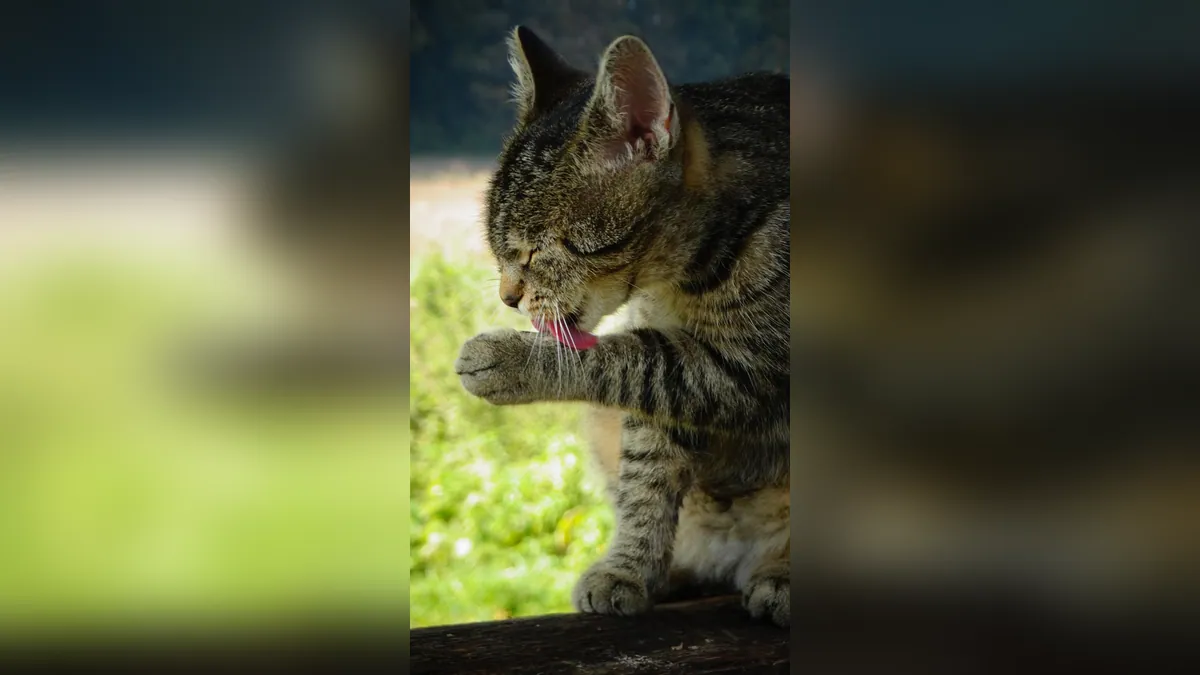
Zinc sunscreen is not the most dangerous sunscreen ingredient for cats, but it is still not safe to leave on your cat or let your cat lick. Zinc oxide mostly causes stomach upset when a cat swallows a small amount, while other common sunscreen ingredients can cause far more serious poisoning [1]. This article is educational and is not a substitute for veterinary diagnosis or treatment.
Quick Answer
- Zinc oxide in sunscreen usually causes mild, self-limiting vomiting and diarrhea if a cat licks a small amount, and true zinc poisoning from sunscreen is uncommon [1].
- The bigger sunscreen danger for cats is salicylate ingredients (octyl salicylate, homosalate, trolamine salicylate), which can cause vomiting, fever, breathing trouble, stomach ulcers, and loss of appetite [1].
- Any human sunscreen on a cat is discouraged because the cat will groom it off and swallow it [1].
- If your cat licked sunscreen, call your veterinarian, the ASPCA Animal Poison Control Center at (888) 426-4435, or Pet Poison Helpline at (855) 764-7661 right away.
- Never induce vomiting unless a veterinarian tells you to.
Is Zinc Sunscreen Toxic to Cats?
Zinc sunscreen is a problem for cats mainly because cats groom themselves, and anything you put on their skin ends up in their mouth. Pet Poison Helpline lists zinc oxide as one of the two main sunscreen ingredients of concern for pets [1]. The good news is that the expected effect is usually limited to the gut. Zinc oxide is known to cause mild gastrointestinal signs such as vomiting and diarrhea, and those signs are typically self-limiting [1]. The same source notes that zinc poisoning is not common with ingestion of zinc oxide [1].
That does not make zinc sunscreen safe. It means the likely outcome of a small lick is a stomachache, not a life-threatening emergency. The size of the exposure matters, and so does the rest of the ingredient list.
Which Sunscreen Ingredients Matter Most
Sunscreen is a mixture, and zinc oxide is often only one part of it. The salicylate family is the group that worries veterinarians most. Octyl salicylate, homosalate, and trolamine salicylate are forms of acetylsalicylic acid, and they can cause serious health concerns for pets, including vomiting, fever, breathing difficulties, gastrointestinal ulceration, and anorexia [1]. A cat that licks a chemical sunscreen containing these filters may be in more danger than a cat that licks a plain zinc oxide cream.
This is why the ingredient list matters more than the label. "Mineral" and "chemical" describe how the sunscreen works, not how safe it is for your cat.
Is Mineral Sunscreen Toxic to Cats?
Mineral sunscreen is not automatically safe for cats. Mineral sunscreens usually rely on zinc oxide or titanium dioxide, and zinc oxide is still on the list of ingredients of concern for pets [1]. The difference is the type of harm. Zinc oxide tends to cause stomach upset, while salicylate filters can cause systemic illness [1]. A mineral sunscreen with no salicylates is the lesser risk of the two, but it is still not something to apply and leave on a cat that will lick it off.
Is Zinc Cream Toxic to Cats?
Zinc cream, diaper cream, and zinc-based skin ointments carry the same zinc oxide concern as mineral sunscreen [1]. A thick layer on a cat's nose or ears is easy for a cat to groom off in one pass. The risk goes up with the amount swallowed and with repeated exposure, because a cat that keeps licking zinc day after day is taking in more total zinc than a cat that licks once.
Is Zinc Harmful to Cats?
Zinc is harmful to cats when enough of it gets into the body, and the veterinary literature shows this clearly with metal objects instead of creams. In one report, a cat that swallowed a metal screw nut developed vomiting, loss of appetite, weight loss, anemia, liver enzyme changes, and a markedly elevated serum zinc level, and the diagnosis was zinc toxicosis [2]. A dog that ate holiday garland containing zinc developed vomiting, diarrhea, hemolytic anemia, and acute renal failure, and did not survive [3]. These cases involved solid metal, not sunscreen, so they do not tell us what a lick of zinc cream will do. They do show that zinc is a real toxin for cats when the dose is high enough.
What Zinc Does in the Body
Zinc is an essential mineral, so the body has systems for handling it. Problems start when intake overwhelms those systems. In the cat with the metal screw nut, the zinc load was high enough to cause regenerative anemia, raised liver enzymes, high bilirubin, and a prolonged clotting time, along with stomach wall thickening and changes suggesting pancreatitis [2]. That is a picture of zinc affecting the blood, the liver, and the gut at the same time.
With sunscreen, the exposure is usually far smaller and far more diluted. That is why the expected signs are stomach upset instead of anemia [1]. The salicylate ingredients work differently. They are related to aspirin, and in pets they can irritate and ulcerate the stomach lining and cause vomiting, fever, breathing difficulty, and anorexia [1]. A cat with a salicylate exposure can look sick in a way that goes well beyond a simple upset stomach.
Signs of Sunscreen Poisoning in Cats
Signs depend on which ingredient your cat swallowed and how much.
With zinc oxide, watch for vomiting and diarrhea [1]. These are often mild and settle on their own, but "often" is not "always," and a cat that vomits repeatedly or stops eating needs to be seen.
With salicylate ingredients, the signs can be more serious. Look for vomiting, fever, difficulty breathing, stomach ulceration, and refusal to eat [1]. A cat in this category can deteriorate, so do not wait to see how the day goes.
General signs that a cat is not well after any exposure include hiding, drooling, pawing at the mouth, lip smacking, and a sudden drop in appetite. Cats are good at hiding illness, so a change in behavior after a possible exposure is meaningful.
How Soon Do Signs Appear?
Gastrointestinal signs from a swallowed topical product usually show up within hours, because the cat grooms the product off and swallows it soon after application. If your cat licked sunscreen and is still completely normal several hours later, the risk of a serious problem is lower, but keep watching for the rest of the day. Signs from salicylate ingredients can appear or worsen over the first day, so a cat that seems fine at first still needs monitoring.
What to Do Right Now
If your cat licked sunscreen, act in this order.
- Move the product out of reach and wipe any remaining sunscreen off your cat's coat with a damp cloth. Do not scrub the skin raw.
- Call your veterinarian, the ASPCA Animal Poison Control Center at (888) 426-4435, or Pet Poison Helpline at (855) 764-7661. Have the product container with you so you can read the full ingredient list.
- Do not induce vomiting unless a veterinarian tells you to. Vomiting a topical product can cause aspiration and make things worse.
- Do not give your cat food, milk, oil, or any home remedy to "soak up" the sunscreen.
- Note the time of exposure, the estimated amount, and any signs you have seen. That information helps the veterinarian decide how urgent the case is.
If your cat is having trouble breathing, is collapsing, or is having repeated vomiting, skip the phone call and go to an emergency clinic.
How Veterinarians Treat Sunscreen Exposure
Treatment depends on the ingredients and the signs. For a mild zinc oxide exposure with one or two episodes of vomiting, a veterinarian may recommend monitoring at home, with instructions to return if signs continue. For a salicylate exposure, treatment is more involved and may include medications to protect the stomach lining, fluids, and supportive care for breathing or fever [1].
If zinc toxicosis is suspected, a veterinarian may run blood work to check the serum zinc concentration and look for anemia, liver changes, and clotting problems, as was done in the reported feline case [2]. Treatment there centered on removing the zinc source and providing supportive care, and the cat recovered once the metal object was gone [2]. With sunscreen, there is no object to remove, so care focuses on limiting further absorption and supporting the cat through the illness.
Never calculate a dose of any medication for your cat on your own. A veterinarian calculates the dose from your cat's weight and health, and some human medications are toxic to cats at any dose.
Outlook
The outlook is generally good for a cat that licks a small amount of zinc oxide sunscreen and develops mild stomach upset, because those signs are typically self-limiting [1]. The outlook is more guarded for a cat that swallows a salicylate-containing sunscreen, because those ingredients can cause serious illness [1]. Cats that receive prompt veterinary care do better than cats that are watched at home for a day before anyone is called.
Prevention and Safer Alternatives
The simplest prevention is to keep human sunscreen away from your cat. Pet Poison Helpline discourages using human sunscreen on pets because of the risk of accidental ingestion [1]. Store bottles in a closed cabinet, not in a beach bag on the floor, and never let a cat lick sunscreen off your hands or arms.
For hairless cats and cats with thin fur on the ears, nose, and belly, sun protection still matters. Ultraviolet light is a recognized risk factor for dermal squamous cell carcinoma in cats, and these tumors often develop in sparsely haired areas such as the nose and ventrum [4]. That is exactly the skin that sunscreen is meant to protect.
The safest approach is to reduce exposure instead of relying on a product. Keep your cat indoors during peak sun hours, provide shade, and use sun-protective clothing made for pets [4]. If your veterinarian recommends a sunscreen for a specific area, use a product formulated for pets, apply a thin layer, and keep your cat from grooming it off until it dries. Ask your veterinarian which product is appropriate for your cat, because the ingredient list is what determines the risk.
Other household hazards deserve the same attention. If your cat spends time around houseplants, review Plants Toxic To Cats and What Plants Can Be Toxic To Cats. If you keep flowers in the house, Are Lilies Toxic to Cats? is worth reading before your next bouquet.
Limitations and When to Contact a Veterinarian
No article can tell you what will happen to your specific cat. The amount swallowed, the exact ingredients, your cat's weight, and your cat's underlying health all change the picture, and individual cases need a veterinarian.
Contact a veterinarian the same day if your cat licked sunscreen and has vomited once or twice, has soft stool, is drooling, or is eating less than usual.
Go to an emergency clinic now if your cat is having trouble breathing, is vomiting repeatedly, is collapsed or very weak, has a swollen or painful belly, or is not responding to you normally. Salicylate ingredients can cause breathing difficulty and gastrointestinal ulceration, and those signs need immediate care [1].
Schedule a routine visit if your cat had a small exposure, seems completely normal, but you want blood work checked, or if your cat has ongoing skin problems from sun exposure and you want to talk about prevention [4].
Frequently Asked Questions
Can my cat get sick from licking zinc sunscreen off my skin?
Yes, a cat can get sick from grooming zinc sunscreen off your skin, though the expected signs are usually mild stomach upset. Zinc oxide is known to cause vomiting and diarrhea, and those signs are typically self-limiting [1]. Wipe the product off and call a poison control line if your cat develops signs.
Is mineral sunscreen safer than chemical sunscreen for cats?
Mineral sunscreen is generally the lesser concern, but it is not safe for cats to lick. The salicylate filters in many chemical sunscreens can cause vomiting, fever, breathing difficulties, gastrointestinal ulceration, and anorexia, which are more serious than the stomach upset linked to zinc oxide [1]. Neither type should be left on a cat that will groom it off.
How much zinc does it take to poison a cat?
There is no simple number for sunscreen, because the dose depends on the product and the amount swallowed. Documented feline zinc toxicosis has involved a solid metal object, with a markedly elevated serum zinc level and signs including vomiting, inappetence, weight loss, anemia, and liver changes [2]. A veterinarian can assess your cat's exposure and decide whether testing is needed.
Can I use human sunscreen on my hairless cat?
No, human sunscreen is discouraged for pets because of the risk of accidental ingestion [1]. Hairless cats do need sun protection, since ultraviolet light is a recognized risk factor for dermal squamous cell carcinoma in cats, and these tumors often form on sparsely haired skin [4]. Use shade, indoor time during peak sun, and pet-specific protective clothing, and ask your veterinarian before applying any product.
What should I do if I already put sunscreen on my cat?
Wipe off the remaining product, keep your cat from grooming for now, and call your veterinarian or a poison control line with the ingredient list in hand. Do not induce vomiting unless a veterinarian tells you to. If your cat is breathing hard, vomiting repeatedly, or acting weak, go to an emergency clinic right away.
Related Articles
- Plants Toxic To Cats
- What Plants Can Be Toxic To Cats
- Are Lilies Toxic to Cats?
- Are Orchids Toxic To Cats
- What Plants And Flowers Are Toxic To Cats
- Non Toxic To Cats Houseplants
- Is Zinc Sunscreen Toxic to Dogs?
- Can Cats Have Zinc? Supplements and Toxicity
- Is Zinc Oxide Toxic to Cats? Creams, Diaper Rash and More
References
- Sunscreen Toxins. Pet Poison Helpline.
- Zinc toxicosis in a cat associated with ingestion of a metal screw nut. JFMS open reports, 2022.
- Zinc Toxicosis in a Boxer Dog Secondary to Ingestion of Holiday Garland. Journal of medical toxicology : official journal of the American College of Medical Toxicology, 2017.
- Ultraviolet Light-Induced Skin Cancer and the Safety of Sunscreen Use in Pets-An Important but Under Researched Aspect of Companion Animal Health. Veterinary sciences, 2026.