Is Banana Boat Sunscreen Toxic to Cats? What to Know
By Dr. Zubair Khalid, DVM, MS, PhD ·
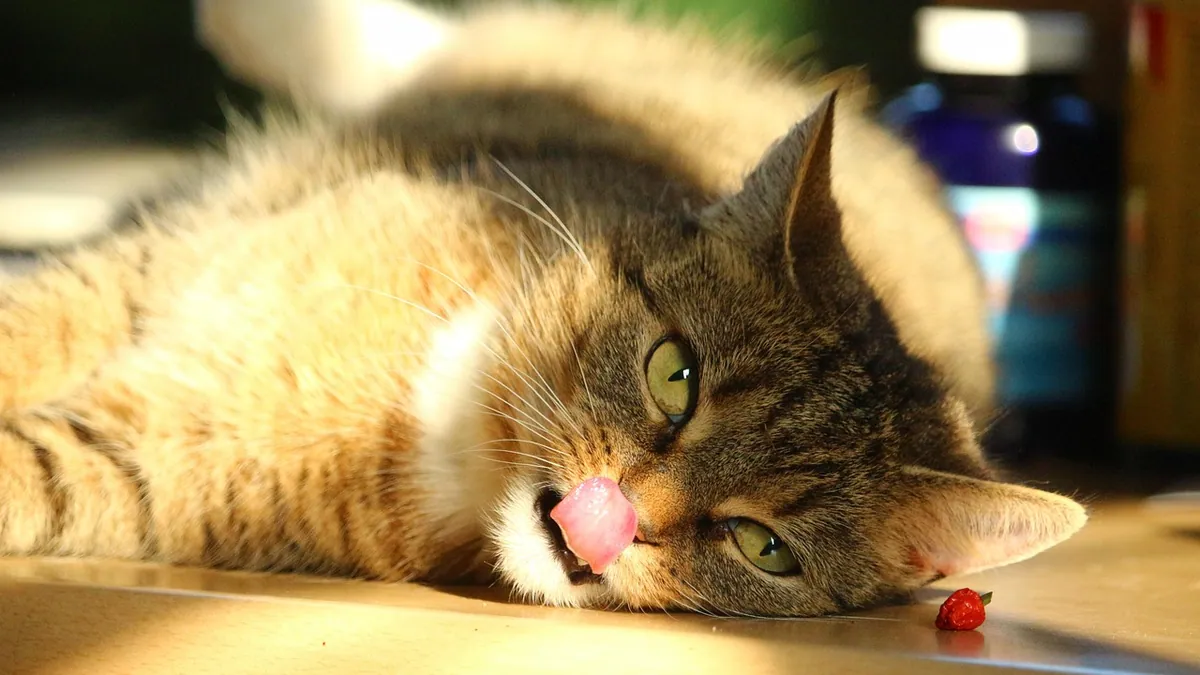
Is Banana Boat sunscreen toxic to cats? Yes, it can be. Sunscreen made for people, including Banana Boat products, contains ingredients that are toxic to pets, and cats are especially sensitive because they groom themselves and swallow whatever lands on their coat [1]. This article is educational and is not a substitute for veterinary diagnosis or treatment.
Quick Answer
- Sunscreen is toxic to pets, and human sunscreen should not be used on cats because of the risk of accidental ingestion [1].
- The two main ingredients of concern are salicylate-type ingredients (octyl salicylate, homosalate, trolamine salicylate) and zinc oxide [1].
- Salicylates can cause vomiting, fever, breathing difficulty, gastrointestinal ulceration, and loss of appetite [1].
- Zinc oxide usually causes mild, self-limiting vomiting and diarrhea, and true zinc poisoning from zinc oxide ingestion is uncommon [1].
- If your cat licked sunscreen, call your veterinarian, the ASPCA Animal Poison Control Center at (888) 426-4435, or Pet Poison Helpline at (855) 764-7661 right away. Do not induce vomiting unless a veterinarian tells you to.
Is Banana Boat Sunscreen Toxic to Cats?
Any sunscreen intended for human use carries a risk for pets, and that includes Banana Boat. Pet Poison Helpline states plainly that sunscreen is toxic to pets and that using human sunscreen on pets is discouraged because of the potential for accidental ingestion [1].
The brand name matters less than the ingredient list. Banana Boat makes many formulas, and the risk depends on what is in the tube or bottle. The two main ingredients of concern are forms of acetylsalicylic acid (salicylates) and zinc oxide [1]. A spray, lotion, or stick with high levels of either one is a bigger problem than a product without them.
Which Products and Parts Matter Most
- Chemical sunscreens with octyl salicylate, homosalate, or trolamine salicylate are the higher concern because salicylates can cause serious health problems in pets [1].
- Mineral sunscreens built around zinc oxide are a lower concern for serious poisoning, though they can still cause stomach upset [1].
- Sprays are easy for a cat to lick off the coat during grooming.
- Lotions and sticks leave residue on skin and hair that a cat can ingest while grooming.
Cats are not small dogs when it comes to chemicals. They have unique metabolic sensitivities that make them a useful sentinel species for identifying hazardous compounds in shared human and animal environments [2]. In plain terms, a cat's liver handles many drugs and chemicals differently than a dog's liver does, so the same exposure can hit a cat harder.
The Toxic Principle and What It Does in the Body
Salicylates
Salicylates are related to aspirin. In pets, these ingredients can cause vomiting, fever, breathing difficulties, gastrointestinal ulceration, and anorexia [1]. Gastrointestinal ulceration means the stomach or intestinal lining can develop sores, which is painful and can lead to bleeding. Breathing difficulty and fever are signs that the problem has moved beyond simple stomach upset.
Zinc Oxide
Zinc oxide tends to cause mild gastrointestinal signs such as vomiting and diarrhea, and these are typically self-limiting [1]. Zinc poisoning is not common with ingestion of zinc oxide [1]. That is reassuring for a small lick of a mineral sunscreen, but it does not mean you should wait and see. A cat that vomits repeatedly can dehydrate quickly.
Other Ingredients
Sunscreen products also contain preservatives, fragrances, and other UV filters. The safety of UV filters in pets is still poorly researched, and the evidence base for sunscreen use in dogs and cats remains limited [3]. That uncertainty is one more reason not to apply human sunscreen to your cat.
If you are also checking other household hazards, our guides on plants toxic to cats and house plants toxic to cat cover common indoor exposures.
Signs of Sunscreen Poisoning in Cats and Their Timeline
Signs depend on how much your cat licked and which ingredients were involved.
With salicylates, watch for:
- Vomiting
- Fever
- Trouble breathing or fast breathing
- Loss of appetite
- Signs of stomach or intestinal ulcers, such as vomiting blood, black stools, or belly pain [1]
With zinc oxide, watch for:
- Vomiting
- Diarrhea [1]
How Fast Do Signs Appear?
Vomiting and stomach upset often show up within hours of ingestion. Salicylate-related problems can build over a day or more, and gastrointestinal ulceration may not be obvious at first. If your cat licked a small amount and is acting normal, that is good news, but keep watching for at least 24 hours. If signs appear, they can worsen quickly.
Some cats show drooling, lip smacking, or hiding before they vomit. Any sudden change in behavior after contact with sunscreen deserves a phone call.
What to Do Right Now If Your Cat Licked Sunscreen
- Move the product out of reach and wipe any visible sunscreen off your cat's coat, paws, and face with a damp cloth. Do not scrub the skin raw.
- Call your veterinarian, the ASPCA Animal Poison Control Center at (888) 426-4435, or Pet Poison Helpline at (855) 764-7661. Have the product container with you so you can read the ingredient list.
- Do not induce vomiting unless a veterinarian tells you to. Forcing vomiting can cause harm, especially if the cat is already struggling to breathe or is dull.
- Do not give food, milk, oil, or home remedies. Do not give human medications.
- Note the time of exposure, the estimated amount, and any signs you have seen. This helps the veterinarian decide on treatment.
If your cat is having trouble breathing, is collapsed, or is having repeated vomiting, go to an emergency veterinary hospital now. Do not wait for a callback.
Veterinary Treatment for Sunscreen Ingestion in Cats
Treatment depends on the ingredients, the amount, and your cat's signs. Your veterinarian will calculate any medication dose from your cat's weight and health, so no dose can be given here.
Common steps include:
- A physical exam and questions about the product and timing.
- Blood work to check organ function, electrolytes, and red blood cells.
- Medications to control vomiting and protect the stomach lining.
- Fluids under the skin or into a vein if your cat is dehydrated.
- Activated charcoal or other decontamination measures in some cases, decided by the veterinarian.
- Oxygen or breathing support if there is respiratory distress.
- Monitoring for gastrointestinal bleeding if salicylate exposure is suspected.
Pet Poison Helpline advises seeking veterinary attention and contacting them if a pet ingests sunscreen [1]. That call can save time and help your veterinarian pick the right treatment.
Outlook After Sunscreen Exposure
The outlook is usually good when exposure is small and treatment starts early. Zinc oxide ingestion typically causes mild, self-limiting vomiting and diarrhea [1]. Salicylate exposure is the bigger worry because of the risk of ulcers, fever, and breathing problems [1]. Cats that develop gastrointestinal ulceration may need longer care and repeat checkups.
Cats with underlying kidney, liver, or heart disease may have a harder time. Your veterinarian can give you a realistic picture after examining your cat and reviewing lab results.
Prevention and Safer Alternatives for Cats
The simplest rule is this: do not put human sunscreen on your cat. Pet Poison Helpline discourages using human sunscreen on pets because of the ingestion risk [1].
If you are worried about sun exposure, focus on the basics first. Ultraviolet light is a recognized risk factor for dermal squamous cell carcinoma in cats, and these tumors often develop on sparsely haired areas such as the nose and the belly [3]. Indoor time during peak sun hours, shade, and sun-protective clothing can reduce exposure [3]. Sunscreen is only an additional strategy, and the safety of UV filters in pets is still under-researched [3].
Practical steps:
- Keep your cat indoors during the strongest sun hours, roughly mid-morning to late afternoon.
- Provide shade and covered resting spots outdoors.
- Ask your veterinarian before using any sunscreen on your cat, including pet-specific products.
- Store all sunscreen, sprays, and lotions in closed cabinets.
- Rinse your own hands after applying sunscreen so you do not leave residue on your cat when you pet them.
- Check your cat's nose, ears, and belly for new lumps, scabs, or sores, and have them examined.
If you want to review other common household and garden toxins, see are lilies toxic to cats and flowers that are toxic to cats.
Limitations and When to Contact a Veterinarian
No article can tell you whether your cat's specific exposure is dangerous. The amount licked, the product formula, your cat's weight, and your cat's health all change the risk. Individual cases need a veterinarian.
Call or go in based on these timing rules:
- Emergency now: trouble breathing, collapse, repeated vomiting, vomiting blood, black stools, severe weakness, or a cat that will not respond to you.
- Same day: any known lick of sunscreen, especially a salicylate-containing product, or any vomiting, drooling, or appetite loss after exposure.
- Routine visit: a new sore, scab, or lump on the nose, ears, or belly, or questions about sun protection for an outdoor cat.
When in doubt, call. Poison control lines and veterinary clinics would rather answer a worried question than treat a sick cat later.
Frequently Asked Questions
Can a cat get sick from licking sunscreen off a person's skin?
Yes, a cat can get sick from licking sunscreen off your skin or clothing. Salicylate ingredients can cause vomiting, fever, breathing problems, and stomach ulcers, and zinc oxide can cause vomiting and diarrhea [1]. Wipe your cat away from freshly applied sunscreen and wash your hands after applying it.
Is zinc oxide the most dangerous part of sunscreen for cats?
No, salicylate ingredients are the bigger concern. Zinc oxide usually causes mild stomach upset that resolves on its own, and true zinc poisoning from zinc oxide is uncommon [1]. Salicylates are linked to more serious problems, including gastrointestinal ulceration and breathing difficulty [1].
Should I make my cat throw up after licking sunscreen?
No, do not induce vomiting unless a veterinarian tells you to. Vomiting can be dangerous if your cat is already having trouble breathing or is weak. Call your veterinarian or a poison control line first and follow their instructions.
Do cats need sunscreen?
Cats can develop sun-related skin cancer, especially on sparsely haired areas like the nose and belly, so limiting sun exposure matters [3]. Shade, indoor time during peak hours, and protective clothing are the first steps, and sunscreen is only an extra measure [3]. Ask your veterinarian before putting any sunscreen on your cat.
How long do I need to watch my cat after a small lick of sunscreen?
Watch for at least 24 hours, and longer if your cat has other health problems. Vomiting and diarrhea often appear within hours, while salicylate-related problems can build over a day or more [1]. If any sign appears, call your veterinarian right away.
Related Articles
- Are Lilies Toxic to Cats?
- Plants Toxic To Cats
- House Plants Toxic To Cat
- Flowers That Are Toxic To Cats
- House Plants Toxic To Cats Pictures
- Are Snake Plants Toxic To Cats
- Is Spray Sunscreen Toxic to Cats? Safe Sun Protection
- Is Zinc Sunscreen Toxic to Cats? Mineral and Chemical Risks
- Is Alcohol Toxic to Cats? Rubbing Alcohol and More
References
- Sunscreen Toxins. Pet Poison Helpline.
- Predictive q-RASAR modeling of intrinsic toxicity of pharmaceuticals and bioactive compounds in cats. Journal of hazardous materials, 2026.
- Ultraviolet Light-Induced Skin Cancer and the Safety of Sunscreen Use in Pets-An Important but Under Researched Aspect of Companion Animal Health. Veterinary sciences, 2026.