Can Cats Have Zinc? Supplements and Toxicity
By Dr. Zubair Khalid, DVM, MS, PhD ·
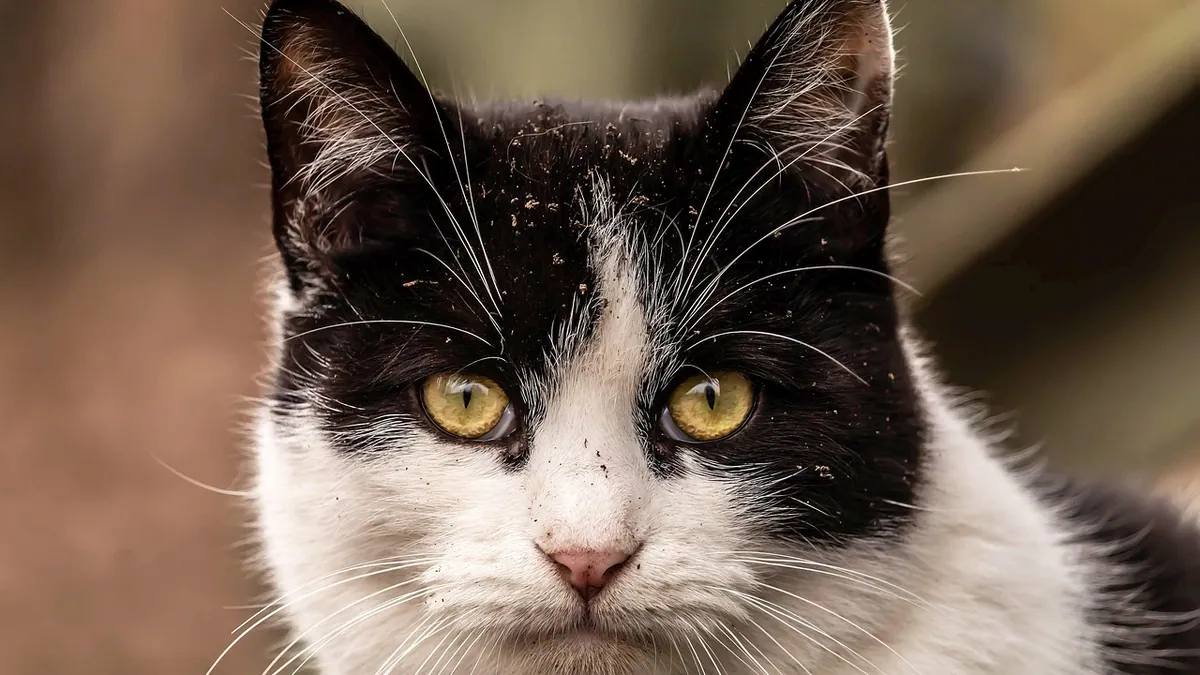
Cats can have zinc, but only in the small amounts their body needs. Zinc is an essential trace mineral, so a complete and balanced cat food already supplies what your cat requires. Problems start when a cat swallows a zinc-coated object or gets a human zinc supplement, because too much zinc is toxic to cats.
This article is educational and is not a substitute for veterinary diagnosis or treatment.
Quick Answer
- Cats need a small amount of zinc for normal health, and commercial cat food provides it.
- Do not give your cat human zinc supplements unless your veterinarian specifically prescribes one.
- The most common cause of serious zinc poisoning in cats is swallowing metal that contains or is coated with zinc, such as galvanized hardware or US pennies [1].
- Zinc poisoning can cause vomiting and diarrhea first, then red blood cell destruction, organ damage, and bleeding problems [1].
- If you think your cat ate zinc, call your veterinarian or a pet poison hotline right away. Do not wait for symptoms.
What Zinc Is and What Veterinarians Use It For
Zinc is a trace element, which means the body needs it in very small amounts. It supports many normal biochemical and physiological functions, and it is an essential dietary component for cats [2]. Because cats are obligate carnivores, they get their zinc from animal-based diets.
In a healthy cat eating a complete and balanced commercial diet, zinc needs are already met. You generally do not need to add anything. Zinc shows up naturally in cat food, and one analysis of commercial wet cat foods found zinc at roughly 45 to 50 mg/kg on a dry matter basis in some samples [3].
Veterinarians do sometimes use zinc in medical treatment. Zinc supplementation can be part of managing certain skin conditions, some liver disorders, and specific nutritional deficiencies. That said, the decision to supplement is a medical one. Your veterinarian calculates the dose from your cat's weight, diet, and health status.
One thing owners ask about is zinc in dietary supplements. A study of 70 canine and feline dietary supplements sold in the United States found zinc was the most prevalent essential mineral, appearing in 68 products [4]. That sounds reassuring, but the same study also found heavy metals like lead and cadmium in some products [4]. Supplements are not tightly regulated the way complete cat foods are, so "natural" does not automatically mean safe.
If you are already thinking about supplements, it helps to understand how other nutrients can cause harm too. Our guide to Can Cats Eat Beef liver? Vitamin A Toxicity Warnings explains why more of a good nutrient is not always better.
How Zinc Works in the Body
Zinc is involved in immune function, wound healing, skin health, growth, and the activity of many enzymes. The body tightly regulates how much zinc it absorbs and keeps, so levels stay in a narrow range.
That regulation is why zinc deficiency and zinc toxicity are both possible. When zinc intake is too low, the body cannot perform those functions well. When zinc intake is far too high, the excess overwhelms the body's ability to control it, and zinc starts damaging cells.
Trace element balance is interconnected. In one study of wild cats, zinc levels correlated with iron, and manganese also showed a moderate association with zinc [5]. This tells us the body handles these minerals as a connected system, not as separate items you can freely add. Giving extra zinc can affect how your cat handles other minerals.
Zinc also appears in normal feline tissues. A study of corneal tissue in cats found zinc among the trace elements present in both affected and normal eyes [6]. That is a normal finding, not a sign that zinc causes eye disease.
Dosing Basics for Cats
Who decides the dose
Your veterinarian decides whether your cat needs zinc at all, and if so, how much. There is no safe home dose you can copy from a human label. Human zinc supplements are made for human body weights and human needs, and a cat is a fraction of that size.
How it is given
If a veterinarian prescribes zinc, it is usually given by mouth as a measured liquid or tablet, often with food to reduce stomach upset. Follow the exact instructions on the label and give only the amount prescribed. Never split a human tablet and guess at the dose.
What to do about a missed dose
If you miss a dose, give it when you remember, unless it is almost time for the next one. In that case, skip the missed dose and go back to your regular schedule. Do not double up to make up for a missed dose. If you are unsure, call your veterinarian's office and ask.
What about food sources
The safest source of zinc for a cat is a complete and balanced commercial diet. If your cat eats a quality cat food, zinc supplementation is rarely needed. If you feed a homemade diet, ask your veterinarian or a veterinary nutritionist to review the recipe, because homemade diets are a common source of mineral imbalances.
Side Effects of Zinc in Cats
Most side effects from too much zinc come from stomach and intestinal irritation first. Serious effects follow when zinc enters the bloodstream in large amounts.
| Side effect | How common or serious | What to do |
|---|---|---|
| Vomiting | Common early sign of zinc toxicosis [1] | Stop any supplement and call your veterinarian |
| Diarrhea | Common early sign of zinc toxicosis [1] | Call your veterinarian, watch for blood |
| Loss of appetite | Can occur with stomach upset | Have your cat examined if it lasts more than a day |
| Pale gums or weakness | Serious, suggests red blood cell destruction [1] | Emergency visit right away |
| Yellow gums or skin | Serious, suggests organ damage [1] | Emergency visit right away |
| Trouble breathing | Serious, can follow anemia | Emergency visit right away |
| Bleeding that will not stop | Serious, suggests a clotting problem [1] | Emergency visit right away |
Zinc toxicosis in small animals happens in phases. Stomach and intestinal signs are common at first. A second phase can include destruction of red blood cells inside the blood vessels, organ damage, inflammation of the pancreas, and a serious clotting disorder called DIC [1]. That progression is why early action matters so much.
Who Should Not Take Zinc and What Interacts With It
Cats who should not get zinc supplements include:
- Cats eating a complete and balanced commercial diet, because they already get enough.
- Cats with kidney disease, liver disease, or any chronic illness, unless a veterinarian prescribes it.
- Cats taking other mineral supplements, because zinc competes with minerals like copper and iron.
- Cats who have swallowed a metal object, because adding more zinc makes the problem worse.
Zinc interacts with other minerals in the diet. Because trace elements are regulated together and zinc levels track with iron in the body [5], adding zinc on your own can throw off your cat's copper and iron balance. If your cat is on any prescription diet or medication, tell your veterinarian before starting anything new.
Zinc Poisoning in Cats: Overdose and Emergency Care
Zinc poisoning in cats and dogs usually comes from eating metal that contains zinc or is coated with zinc [1]. Galvanized metal is steel coated with zinc to stop rust, and it is found in nuts, bolts, washers, nails, and some cages and hardware [1]. US pennies made after 1982 also contain zinc, and they are a classic cause of zinc toxicosis in small animals [1].
Cats are less likely than dogs to swallow coins, but cats do swallow small metal objects, especially kittens and cats who play with hardware. If your cat chews on or swallows galvanized metal, treat it as an emergency.
Signs of zinc poisoning can include vomiting, diarrhea, not eating, weakness, pale gums, fast breathing, and collapse. Diagnosis is based on the history of exposure, laboratory testing, and finding the metal object on an abdominal X-ray in small animals [1].
Treatment involves removing the source of zinc and providing supportive care. Chelation therapy, which uses drugs to bind and remove the metal, is considered controversial in veterinary medicine [1]. This means prevention and fast removal of the object matter a lot.
When to call for help
Call your veterinarian or a pet poison hotline immediately if your cat ate a coin, a piece of galvanized hardware, or a zinc supplement. Do not wait for symptoms to appear. Bring the object or its packaging with you if you can, and tell the veterinarian what your cat ate and when.
Two resources you can call:
- ASPCA Animal Poison Control Center: (888) 426-4435
- Pet Poison Helpline: (855) 764-7661
Are Cats Allergic to Zinc?
No, cats are not allergic to zinc in the usual sense. Zinc is a nutrient the body needs, so an allergy to it is not a recognized condition. What owners often describe as an "allergy" is actually irritation or poisoning from too much zinc, or a reaction to another ingredient in a supplement. If your cat has itching, swelling, or digestive upset after a supplement, stop giving it and have your cat examined.
If you are worried about your cat getting into something harmful around the house, our article on What Plants Can Be Toxic To Cats covers another common household hazard.
Limitations and When to Contact a Veterinarian
Zinc research in cats is limited. Much of what veterinarians know about zinc toxicosis comes from dogs, cats, and other small animals combined, and the exact safe upper limit for an individual cat is not well established in veterinary research [1]. Your veterinarian sets the plan for your cat based on its weight, diet, and health.
Contact your veterinarian the same day if your cat:
- Vomited after getting a zinc supplement
- Has diarrhea or has stopped eating
- Chews on metal objects, even if you are not sure it swallowed anything
Go to an emergency clinic now if your cat:
- Has pale gums, weakness, or collapse
- Is breathing fast or having trouble breathing
- Has yellow gums or skin
- Has bleeding that will not stop
- Swallowed a penny or a piece of galvanized metal
Schedule a routine visit if you are unsure whether your cat's diet meets its zinc needs, if you feed a homemade diet, or if you want to review supplements your cat is already taking.
Individual cases need a veterinarian. No article can tell you whether your specific cat has zinc poisoning or needs zinc supplementation.
Frequently Asked Questions
Can I give my cat zinc?
Only if your veterinarian prescribes it. A healthy cat eating a complete and balanced commercial diet already gets enough zinc, and human supplements are not made for cats. Giving zinc on your own can cause poisoning.
How much zinc does a cat need?
The exact amount depends on your cat's diet, life stage, and health, and your veterinarian or the food label is the best source. A complete and balanced cat food is formulated to meet that need. There is no safe number for you to guess at home.
What happens if a cat eats a penny?
A penny can cause serious zinc poisoning, and it is a medical emergency. Call your veterinarian or a pet poison hotline right away, even if your cat seems fine. The object may need to be removed before symptoms start.
Can zinc poisoning in cats be treated?
Yes, treatment is possible, especially with early care. Treatment focuses on removing the source of zinc and providing supportive care [1]. Chelation therapy is controversial and is not used in every case [1].
Do cats get zinc deficiency?
It is uncommon in cats eating balanced commercial food. Deficiency is more likely with poorly balanced homemade diets or certain medical conditions. Signs can include skin and coat problems and poor growth, and your veterinarian can test for it.
Is zinc in cat food safe?
Yes, zinc in a complete and balanced cat food is safe and necessary. One analysis found zinc in some commercial wet cat foods at about 45 to 50 mg/kg on a dry matter basis [3]. The danger comes from extra zinc, not the zinc already in balanced food.
Related Articles
- What Plants Can Be Toxic To Cats
- Can Cats Eat Tuna? Mercury Poisoning & Malnutrition Risks
- Can Cats Eat Beef liver? Vitamin A Toxicity Warnings
- Plants Toxic To Cats
- Can Cats Eat Green Tea? Catechin Caffeine Toxicity
- Can Cats Eat Duck Liver? Copper and Vitamin A Excess
- Is Zinc Chloride or Zinc Sulfate Toxic to Cats?
- Is Zinc Gluconate Toxic to Cats? Doses and Risks
- Is Zinc Oxide Toxic to Cats? Creams, Diaper Rash and More
References
- Zinc Toxicosis in Animals - Toxicology. Merck Veterinary Manual.
- Determinants of iron, zinc, and copper concentrations in the hair of dogs and cats. Journal of trace elements in medicine and biology : organ of the Society for Minerals and Trace Elements (GMS), 2026.
- Physicochemical Quality and Chemical Safety of Commercial Wet Cat Food: Composition, Oxidation, Biogenic Amines, and Trace Elements. Journal of animal physiology and animal nutrition, 2026.
- Analysis of Essential Minerals and Heavy Metals in Canine and Feline Dietary Supplements Marketed in the United States. Journal of animal physiology and animal nutrition, 2026.
- Blood Levels of Different Trace Elements in the Endangered Iberian Lynx (Lynx pardinus) and Their Association with Endogenous and Exogenous Factors. Animals : an open access journal from MDPI, 2026.
- The Role of Trace Elements in the Formation of Feline Corneal Sequestra. Veterinary ophthalmology, 2026.