Is Spray Sunscreen Toxic to Cats? Safe Sun Protection
By Dr. Zubair Khalid, DVM, MS, PhD ·
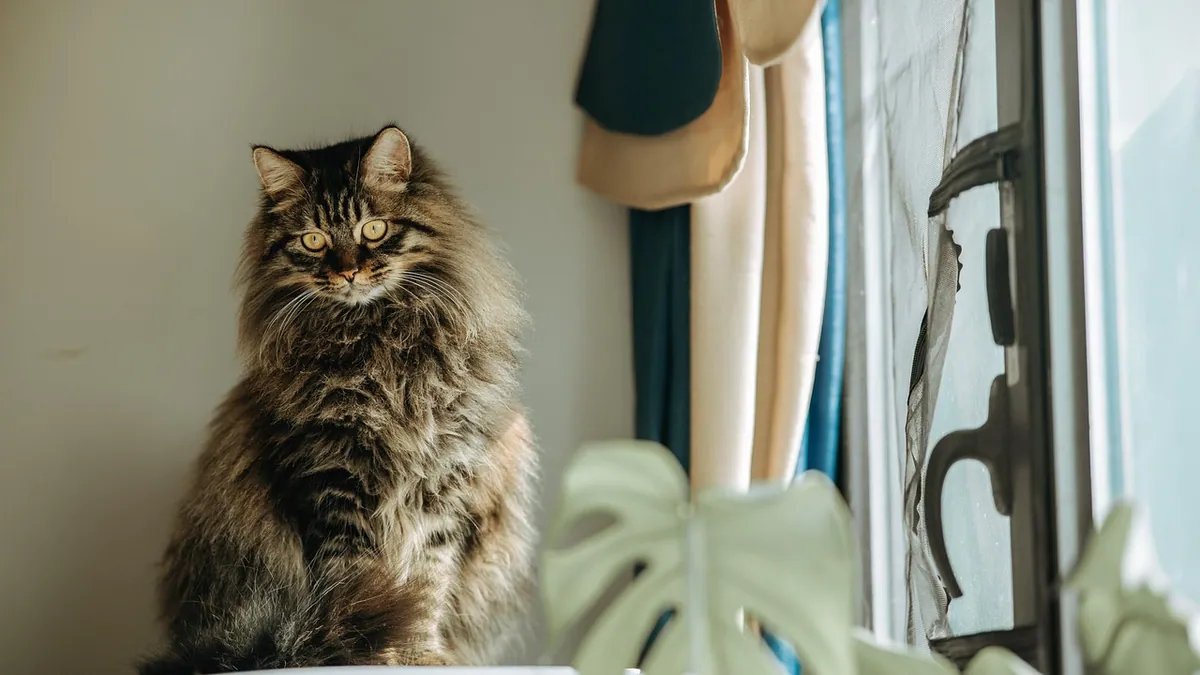
Yes, spray sunscreen is toxic to cats. The ingredients that protect human skin, especially salicylate compounds and zinc oxide, can cause vomiting, fever, breathing trouble, and stomach ulcers in cats [1]. Cats also groom themselves often, so anything that lands on their coat gets swallowed [2].
This article is educational and is not a substitute for veterinary diagnosis or treatment.
Quick Answer
- Human sunscreen is not safe to use on cats, and spray formulas are especially risky because the mist settles on fur that your cat will lick off [1][2].
- The two main ingredients of concern are salicylate compounds (octyl salicylate, homosalate, trolamine salicylate) and zinc oxide [1].
- Salicylates can cause vomiting, fever, breathing difficulties, gastrointestinal ulceration, and loss of appetite [1].
- If your cat licked sunscreen, call your veterinarian, the ASPCA Animal Poison Control Center at (888) 426-4435, or Pet Poison Helpline at (855) 764-7661 right away. Do not induce vomiting unless a veterinarian tells you to.
- There is no well-established pet-safe sunscreen for cats. Limiting sun exposure, providing shade, and using sun-protective clothing are the safer options [3].
Is Spray Sunscreen Toxic to Cats?
Yes. Any sunscreen made for people carries risk for cats, and the spray form adds a second problem. A pump or aerosol spray sends a fine mist into the air, and that mist lands on your cat's coat, paws, and face. Cats groom themselves often, so they swallow whatever is sitting on their fur [2]. A cat who walks through the mist, brushes against your leg after you spray, or licks a sprayed hand can pick up a meaningful amount of product.
Cats are also small. Pet Poison Helpline notes that because cats are smaller in size, ingesting a harmful substance can affect them quickly [2]. A lick or two of sunscreen is not the same dose for a 9-pound cat as it is for a 150-pound person.
Are Cats Allergic to Sunscreen?
This is a common way owners phrase the question, but the problem is usually toxicity, not allergy. An allergic reaction would mean your cat's immune system overreacts to a specific ingredient. What veterinarians actually see with sunscreen is poisoning from ingredients the cat's body cannot handle well, particularly salicylates [1]. That said, a cat can develop skin irritation or a contact reaction to a product applied to the skin, and cats with sensitive or damaged skin may react more. If your cat develops redness, swelling, or itching where sunscreen touched them, treat it as a reason to call your veterinarian.
What Sunscreen Is Safe for Cats?
There is no sunscreen product that veterinary research has established as safe for routine use on cats. A 2026 review of ultraviolet light and skin cancer in pets states plainly that research on preventing harmful UV exposure in pets is still in its infancy, particularly regarding the safety of UV filters used in sunscreens [3]. In other words, the question of which sunscreen filters are safe for cats has not been answered well enough to recommend one.
That does not mean sun protection does not matter. It means the protection has to come from somewhere other than a bottle of human sunscreen.
The Toxic Principle: What These Ingredients Do in the Body
Pet Poison Helpline identifies two main ingredients of concern in sunscreen for pets: forms of acetylsalicylic acid and zinc oxide [1].
Salicylates (Octyl Salicylate, Homosalate, Trolamine Salicylate)
These are the more serious problem. Of the two categories, salicylate compounds can cause serious health concerns for pets [1]. They are related to aspirin, and cats handle aspirin-like compounds poorly because their liver clears them slowly. When a cat ingests enough, the effects reported include vomiting, fever, breathing difficulties, gastrointestinal ulceration, and anorexia [1]. Gastrointestinal ulceration means the stomach or intestinal lining is actually damaged, which can lead to blood loss, pain, and a cat who refuses to eat.
Zinc Oxide
Zinc oxide is the thick white mineral filter in many physical sunscreens and diaper creams. In pets, zinc oxide ingestion is known to cause mild gastrointestinal signs such as vomiting and diarrhea, and these are typically self-limiting [1]. True zinc poisoning from swallowing zinc oxide is not common [1]. That is reassuring, but mild vomiting and diarrhea in a cat still deserve a call to your veterinarian, because cats dehydrate faster than dogs and because you cannot always know how much was swallowed.
Other Ingredients and the Spray Itself
Sunscreens contain preservatives, fragrances, and solvents beyond the active filters, and a cat who grooms a sprayed coat is exposed to all of them. The propellants and alcohol in spray formulas can also irritate eyes and airways if the mist drifts into your cat's face. Because the full ingredient list varies by product, your veterinarian or a poison control specialist will want the exact product name and, if possible, the label.
Signs of Sunscreen Poisoning in Cats and Their Timeline
Signs depend on how much your cat swallowed and which ingredients were involved. With salicylates, the reported signs are vomiting, fever, breathing difficulties, gastrointestinal ulceration, and anorexia [1]. With zinc oxide, expect vomiting and diarrhea that often settle on their own [1].
Timing is the part owners ask about most. Gastrointestinal signs like vomiting and diarrhea usually show up within hours of ingestion. Fever and breathing changes can develop over the same window or a bit later as the body absorbs the compound. Gastrointestinal ulceration is not an instant event. It develops over hours to a day or more of ongoing irritation, which is why a cat who seems fine right after licking sunscreen still needs to be watched and, ideally, evaluated.
A cat who only walked through a light mist and was bathed promptly may show nothing at all. A cat who licked a glob of sunscreen off their paw is a different situation. When in doubt, call. Poison control lines exist exactly for this kind of judgment call.
What to Do Right Now
If you saw your cat lick sunscreen, or you are not sure whether they did, take these steps in order.
- Move your cat away from the product and wipe off any visible sunscreen from the coat, paws, and face with a damp cloth. Do not scrub the skin raw.
- Call your veterinarian, the ASPCA Animal Poison Control Center at (888) 426-4435, or Pet Poison Helpline at (855) 764-7661. Have the product container in hand so you can read the ingredients aloud.
- Do not induce vomiting unless a veterinarian tells you to. Vomiting can make some ingestions worse, and it is never something to try on your own with a cat.
- Do not give food, milk, oil, or any home remedy. Do not give human medications.
- If your cat is having trouble breathing, is collapsing, or has repeated vomiting, go to an emergency clinic now instead of waiting on a phone call.
If you can confirm what your cat got into, take a picture of the label or bring the container with you. Pet Poison Helpline notes that this can help with diagnosis and treatment [2]. That single step can save your veterinarian time, and with poisonings, time matters.
How Veterinarians Treat Sunscreen Poisoning in Cats
Treatment depends on the toxin and on how sick your cat is. Pet Poison Helpline describes the general approach to poisoning in cats as including activated charcoal to bind the toxin, intravenous fluids to support hydration, and anticonvulsants if a cat is having seizures [2]. Not every case needs all of these. A cat with mild vomiting after a small zinc oxide exposure may need only monitoring and supportive care, while a cat with salicylate poisoning and gastrointestinal ulceration may need fluids, stomach protection, and a hospital stay.
Your veterinarian will calculate any medication dose from your cat's weight and current health, and they will decide whether bloodwork, imaging, or a hospital stay is needed. There is no at-home dose you can safely give on your own.
Outlook After Sunscreen Exposure
The outlook is generally good when exposure is small and treatment is early. Zinc oxide ingestion tends to cause mild, self-limiting gastrointestinal signs [1], which means most cats recover with supportive care. Salicylate poisoning is the more serious scenario because of the potential for ulcers, fever, and breathing problems [1], and those cats need prompt veterinary care. Cats who are seen late, after ulcers or breathing difficulty have developed, have a harder road.
One thing that works in your favor is that sunscreen tastes bad to most cats. Many exposures are small because the cat stops after one lick. Do not count on that, though. Call and let a professional help you decide.
Prevention and Safer Sun Protection for Cats
The simplest prevention is to keep human sunscreen away from your cat entirely. Spray your sunscreen outdoors or in a room your cat cannot enter, let it dry fully before you handle your cat, and wash your hands after applying. Store bottles in a closed cabinet, not on a counter or in an open beach bag. If you use a spray at the beach or pool, rinse the area afterward and change clothes before you sit down with your cat.
For sun protection on the cat themselves, the evidence points to physical strategies. The 2026 review notes that indoor confinement during peak UV periods, shade, and sun-protective clothing can reduce UV exposure, with sunscreen as an additional strategy [3]. For cats, that additional strategy is the part veterinarians cannot currently recommend, because sunscreen safety in cats is not well established [3].
This matters most for cats with thin or missing hair on the nose, ear tips, and belly, since UV-associated cancers in pets typically develop in sparsely haired or hairless regions such as the nose and ventrum [3]. If your cat has white fur, pale skin, or a history of sun-related skin damage, talk with your veterinarian about a sun plan built on shade, timing, and clothing.
Other household hazards deserve the same attention. Cats who spend time outdoors or on screened porches can meet toxic plants, and it helps to know which ones to avoid. Our guides to plants toxic to cats and flowers that are toxic to cats cover the common culprits. If you are choosing greenery for a cat-safe home, non toxic to cats houseplants is a good starting point.
Limitations and When to Contact a Veterinarian
No article can tell you whether your specific cat swallowed a dangerous amount. That judgment needs a veterinarian who can ask questions, examine your cat, and run tests if needed.
Call your veterinarian the same day if your cat licked sunscreen and is eating and acting normally, if you are unsure how much was swallowed, or if you see one episode of vomiting or soft stool.
Go to an emergency clinic now if your cat has repeated vomiting, diarrhea that will not stop, trouble breathing, a fever, drooling, weakness, collapse, a swollen or painful belly, or black or bloody stool. These can signal gastrointestinal ulceration or another serious problem [1].
Schedule a routine visit if your cat has a pale or hairless area of skin that looks crusty, red, or slow to heal, or if you want help building a sun protection plan. Skin cancers in pets often form in sparsely haired areas like the nose and belly [3], so changes there are worth a look.
Frequently Asked Questions
Can my cat get sick from licking sunscreen off my skin?
Yes, a cat can absorb or swallow sunscreen by licking it off your skin, and the risk is higher with salicylate-containing products. Let sunscreen dry completely and wash your hands before petting or holding your cat.
Is mineral sunscreen with zinc oxide safer for cats than chemical sunscreen?
Zinc oxide tends to cause only mild, self-limiting vomiting and diarrhea in pets, while salicylate compounds can cause more serious problems [1]. That does not make zinc oxide sunscreen safe to apply to your cat, and any ingestion still warrants a call to your veterinarian.
How long after exposure would my cat show signs?
Gastrointestinal signs like vomiting and diarrhea usually appear within hours. Fever, breathing changes, and ulcer formation can take longer, so a cat who looks fine right after licking sunscreen still needs monitoring and a call to your veterinarian.
Can I just bathe my cat and skip the vet call?
Bathing off visible product is a good first step, but it does not remove what your cat already swallowed. Call your veterinarian or a poison control line and let them decide whether your cat needs to be seen.
Do indoor cats need sun protection at all?
Yes, indoor cats can still get UV exposure through windows and on sunny floors, and UV light is a recognized risk factor for certain skin cancers in cats [3]. Shade, limited time in direct sun during peak hours, and protective clothing are the practical options, since sunscreen is not established as safe for cats [3].
Related Articles
- Flowers That Are Toxic To Cats
- Flowers Toxic To Cats
- Are Lilies Toxic to Cats?
- Non Toxic To Cats Houseplants
- Plants Toxic To Cats
- Are Orchids Toxic To Cats
- Is Zinc Sunscreen Toxic to Cats? Mineral and Chemical Risks
- Is Banana Boat Sunscreen Toxic to Cats? What to Know
- Is Sunscreen Toxic to Dogs? Ingestion Risks Explained
References
- Sunscreen Toxins. Pet Poison Helpline.
- Common Cat Poisons and Hazards. Pet Poison Helpline.
- Ultraviolet Light-Induced Skin Cancer and the Safety of Sunscreen Use in Pets-An Important but Under Researched Aspect of Companion Animal Health. Veterinary sciences, 2026.