Are Azaleas Toxic to Cats? Flowers, Leaves, and Bushes
By Dr. Zubair Khalid, DVM, MS, PhD ·
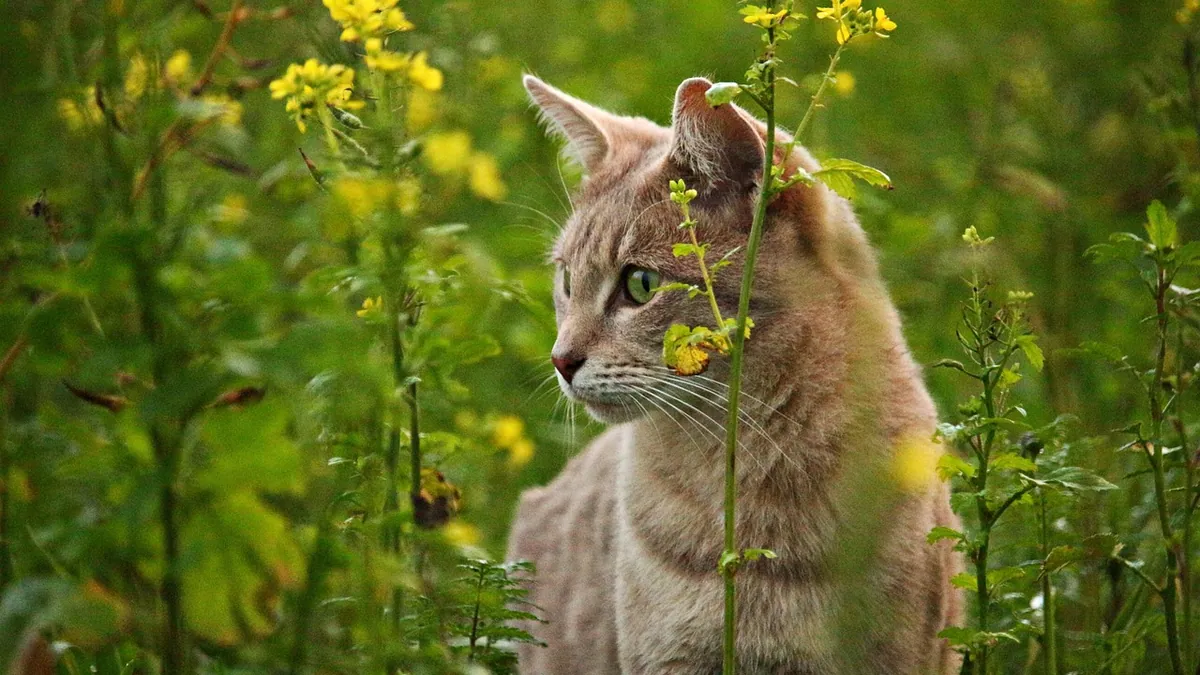
Are azalea flowers toxic to cats? Yes. Azaleas are toxic to cats, and so are the leaves, stems, and nectar of the same plant. A cat that nibbles any part of an azalea can develop vomiting, weakness, and dangerous heart rhythm changes. This article is educational and is not a substitute for veterinary diagnosis or treatment.
Quick Answer
- Every part of a true azalea (Rhododendron species) is toxic to cats, including flowers, leaves, stems, and nectar [1].
- The poison is a group of compounds called grayanotoxins, which disrupt sodium channels in nerve and muscle cells, including the heart [1][2].
- Common early signs are vomiting, diarrhea, and weakness, and severe cases can progress to cardiac failure [1].
- Call your veterinarian, the ASPCA Animal Poison Control Center at (888) 426-4435, or Pet Poison Helpline at (855) 764-7661 right away if you think your cat ate any part of the plant.
- Do not make your cat vomit unless a veterinarian tells you to.
Are Azalea Flowers Toxic to Cats? Yes, and So Is the Rest of the Plant
The ASPCA lists azalea, also called rosebay or rhododendron, as toxic to cats, dogs, and horses [1]. The toxic principle is grayanotoxin [1]. That single fact answers the question for the whole plant. The flowers are not a safe garnish on an otherwise dangerous bush. The leaves, stems, and nectar carry the same toxin.
Many owners ask about one part at a time. The answer does not change much from part to part.
Are azalea leaves toxic to cats?
Yes. Leaves are a common source of poisoning because cats sometimes bat at low-hanging branches or chew dropped clippings. A review of grayanotoxin poisoning in animals found that Rhododendron species were among the most frequently reported plants involved in these cases [3]. The same review estimated a toxic dose of 0.1 percent of body weight in fresh foliage for ruminants, which shows how potent this plant family can be [3]. No equivalent cat dose is established, so a veterinarian has to judge risk from the amount eaten, the cat's weight, and the cat's health.
Are azalea bushes toxic to cats?
Yes. An azalea bush in your yard is a toxic plant for your cat. Outdoor cats and indoor cats with yard access can chew leaves or flowers through a screen or over a fence line. Even a small amount matters because grayanotoxins act on the heart and nervous system [2].
Is azalea pollen toxic to cats?
Pollen and nectar come from the same plant and can carry grayanotoxins. Grayanotoxin containing products, including honey made from these plants, can cause intoxication in people, with dizziness, low blood pressure, and heart block [2]. A cat grooming pollen off its coat is taking in a much smaller amount than a cat eating a flower, but you should still treat any known exposure as a reason to call for advice.
Is azalea bonsai toxic to cats?
Yes. A bonsai azalea is still a Rhododendron, so it carries the same toxin as a full-size shrub [1]. Bonsai plants often sit on low tables or windowsills within a cat's reach, which raises the odds of nibbling. If you keep bonsai, place it where your cat cannot get to it.
Is Japanese azalea toxic to cats?
Yes. Japanese azalea is a type of Rhododendron, and the ASPCA toxicity listing covers Rhododendron species as a group [1]. The same grayanotoxins are present [1][2].
One naming trap is worth knowing. "Desert azalea" and "mock azalea" are common names for Adenium obesum, a different plant in the Apocynaceae family [4][5]. It is also toxic to cats, but the poison is different. Desert azalea contains cardiac glycosides, and mock azalea contains digitalis-like glycosides [4][5]. Signs include vomiting, diarrhea, loss of appetite, depression, irregular heartbeat, and death [4][5]. So if someone tells you their "azalea" is safe, find out which plant they actually mean. Both are dangerous.
If you are sorting through a whole garden, our guide to plants toxic to cats can help you spot other risks.
What Grayanotoxin Does in a Cat's Body
Grayanotoxins are diterpene compounds found in several plants in the Ericaceae family, including Rhododendron, Pieris, Agarista, and Kalmia [2]. They work by keeping sodium ion channels in nerve and muscle cells from shutting off properly [2]. The result is continuous, excessive vagal tone, which slows the heart and can disturb its rhythm [2].
In people, this shows up as dizziness, low blood pressure, and atrioventricular block, a type of heart block [2]. Human grayanotoxin poisoning is rarely fatal, but cattle and pet poisoning cases can be more serious [2]. That difference matters for cat owners. A cat is small, and a heart that is already stressed or beating abnormally has less reserve.
The toxin is present in leaves, flowers, and secondary products such as honey [2]. There is no antidote that reverses grayanotoxin itself. Treatment focuses on removing what is still in the gut, supporting the heart and circulation, and watching for complications.
Signs of Azalea Poisoning in Cats and When They Appear
The ASPCA lists vomiting, diarrhea, weakness, and cardiac failure as clinical signs of azalea poisoning [1]. A systematic review of grayanotoxin poisoning in animals found that retching, regurgitation, and vomiting were common and could point toward plant poisoning [3].
Signs can appear within hours of ingestion. The exact timeline depends on how much plant material was eaten, how much was chewed versus swallowed, and how quickly the cat is seen. Some cats vomit first and seem to recover, then worsen. Others show weakness or a slow, irregular heartbeat without much vomiting at all.
Watch for:
- Vomiting or retching
- Diarrhea
- Drooling or lip smacking
- Weakness, wobbliness, or reluctance to stand
- Slow or irregular heartbeat
- Collapse, trouble breathing, or unresponsiveness
Cardiac failure is listed among the possible signs, so a cat that seems "just a little off" after plant exposure still needs prompt attention [1]. Do not wait for severe signs before you call.
What to Do Right Now If Your Cat Ate an Azalea
Act first, worry about blame later. Here is the order that helps most.
- Move your cat away from the plant. Put the plant out of reach or close the door to the room.
- Collect information. Note which plant, which part, and roughly how much was eaten. Save any chewed stems, leaves, or flowers in a sealed bag. Take a photo of the plant if you can.
- Call for guidance. Contact your veterinarian, the ASPCA Animal Poison Control Center at (888) 426-4435, or Pet Poison Helpline at (855) 764-7661. These services are staffed for exactly this situation.
- Do not induce vomiting unless a veterinarian tells you to. Making a cat vomit at home can cause aspiration, injury, or make things worse. Let the professional decide.
- Follow the instructions you are given. You may be told to come in right away, or you may be told what to watch for at home. Either way, keep the phone number handy in case signs change.
If your cat is collapsed, struggling to breathe, or having a very slow heartbeat, treat it as an emergency and go to the nearest veterinary hospital now.
How Veterinarians Treat Azalea Poisoning
Treatment starts with a physical exam and a history of the exposure. Your veterinarian will check heart rate and rhythm, breathing, hydration, and neurologic status. Blood work and an ECG may be recommended to look at heart function and organ values.
If your cat is seen soon after eating the plant, the veterinarian may decontaminate the gastrointestinal tract. That can include inducing vomiting in a controlled way or giving activated charcoal, depending on timing and the cat's condition. These steps are not right for every patient, so the veterinarian decides case by case.
Supportive care is the backbone of treatment. Intravenous fluids support circulation and help the body clear toxins. A cat with heart rhythm problems may need medications or monitoring in a hospital setting. Oxygen and other supportive measures may be used if breathing or circulation is affected.
The dose of any medication is calculated by the veterinarian from your cat's weight and health status. There is no home dose for grayanotoxin poisoning, and no over-the-counter product that treats it.
Outlook After Azalea Exposure
The outlook depends on how much was eaten, how quickly care started, and whether the heart was affected. Cats with mild vomiting and no heart changes often do well with supportive care. Cats with cardiac signs need closer monitoring and may need a longer hospital stay.
Grayanotoxin poisoning is rarely lethal in people, but cattle and pet cases can be more serious [2]. That is why veterinarians do not treat azalea exposure casually. Early decontamination and fluid support give the best chance of a good outcome.
Plant poisonings in pets are common. An Italian survey of calls to a poison control center over 12 years found that cats made up 26 percent of plant poisoning calls, and most exposures caused mild to moderate signs [6]. Fatal poisoning accounted for 10.6 percent of the cases where an outcome was reported [6]. Those numbers are a reminder that most cats recover, but some do not.
Preventing Azalea Poisoning and Choosing Safer Plants
The simplest prevention is to keep azaleas out of your cat's world.
- Do not bring azalea cuttings, bouquets, or potted plants into a home with a cat.
- If you garden, plant azaleas only in areas your cat cannot reach, and pick up fallen flowers and leaves.
- Keep bonsai and houseplants on high shelves or in rooms your cat cannot enter.
- Supervise outdoor time, or use a catio or leash so your cat cannot graze on shrubs.
- Check every new plant against a reliable toxic plant list before you buy it.
If you love cut flowers, choose cat-safe options. Our article on flowers that are toxic to cats walks through common bouquet flowers to avoid. For a broader list, see what plants and flowers are toxic to cats.
Safe alternatives for a cat household include spider plants, Boston ferns, and most true palms, as long as you confirm the exact species. Cat grass and catnip are easy wins. When in doubt, skip the plant.
Limitations and When to Contact a Veterinarian
This article covers general information, not your cat's specific case. Individual cases need a veterinarian who can examine your cat, ask about the exposure, and decide on testing and treatment.
Contact a veterinarian the same day if your cat ate any part of an azalea and is vomiting, drooling, or acting quieter than usual. Even if your cat seems fine, a same-day call is reasonable when you know an exposure happened, because heart signs can develop after a quiet period.
Go to an emergency hospital now if your cat is collapsed, unresponsive, breathing fast or with effort, has a very slow or irregular heartbeat, or cannot stand. Do not wait to see if things improve on their own.
Schedule a routine visit if you are unsure whether a plant in your home is an azalea or another Rhododendron, or if you want help cat-proofing your yard and house. A photo of the plant is often enough for your veterinarian to identify it.
Frequently Asked Questions
Can a cat survive eating an azalea?
Yes, many cats survive with prompt care. The outcome depends on how much was eaten, how quickly treatment started, and whether the heart was affected. Call a veterinarian or poison control right away if you know or suspect an exposure.
How long do azalea poisoning signs take to show up in a cat?
Signs often appear within hours of ingestion. Vomiting is a common early sign, and weakness or heart changes can follow. A cat that looks normal right after eating the plant can still worsen, so keep watching and stay in touch with your veterinarian.
Will a cat get sick from just chewing an azalea leaf?
It can. Leaves contain the same grayanotoxins as the flowers, and Rhododendron species are frequently involved in animal grayanotoxin poisoning cases. The amount that causes signs varies with the cat's size and the amount chewed, so any known leaf ingestion deserves a call.
Is azalea pollen dangerous if my cat only walks past the bush?
Pollen exposure from walking past a bush is a much smaller risk than eating plant material. Still, pollen and nectar can carry grayanotoxins, and a cat that grooms pollen off its coat swallows some. If your cat has signs after being near an azalea, call your veterinarian.
Are all azalea varieties toxic to cats?
Yes. True azaleas are Rhododendron species, and the ASPCA lists Rhododendron species as toxic to cats. Plants called desert azalea or mock azalea are a different species and are also toxic, but from different poisons. Treat any plant called an azalea as unsafe for your cat.
Related Articles
- Flowers That Are Toxic To Cats
- Flowers Toxic To Cats
- What Flowers Are Toxic To Cats
- What Plants And Flowers Are Toxic To Cats
- Plants Toxic To Cats
- Are Orchids Toxic To Cats
- Are Indoor Azaleas Toxic to Cats?
- Are Rhododendrons Toxic to Cats? Leaves, Flowers and Pollen
- Are Azaleas Poisonous to Dogs? Leaves, Flowers, and Signs
References
- Toxic and Non-toxic Plants: Azalea. ASPCA Animal Poison Control Center.
- Grayanotoxin poisoning: 'mad honey disease' and beyond. Cardiovascular toxicology, 2012.
- Grayanotoxin poisoning in animals following the ingestion of Ericaceae plants. Veterinary journal (London, England : 1997), 2026.
- Toxic and Non-toxic Plants: Desert Azalea. ASPCA Animal Poison Control Center.
- Toxic and Non-toxic Plants: Mock Azalea. ASPCA Animal Poison Control Center.
- Plant poisoning in domestic animals: epidemiological data from an Italian survey (2000-2011). The Veterinary record, 2013.