Is Pothos Poisonous to Dogs? Symptoms and What to Do
By Dr. Zubair Khalid, DVM, MS, PhD ·
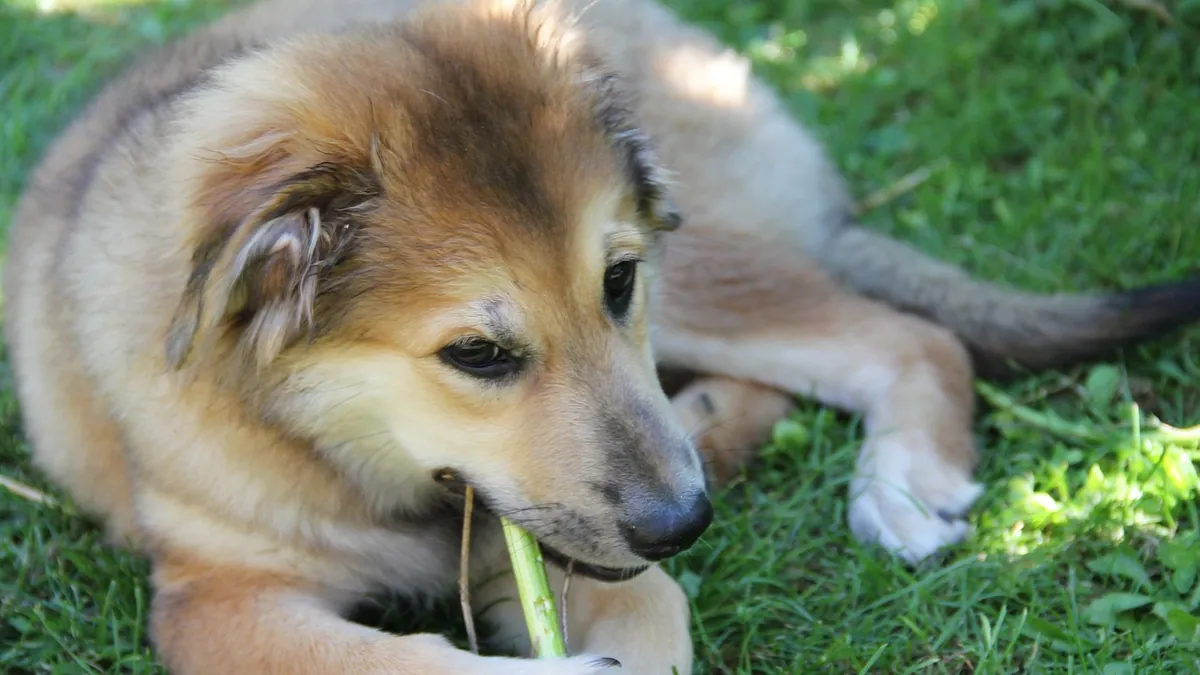
Yes, pothos is poisonous to dogs. Every common variety, including golden, neon, marble, and satin pothos, contains microscopic crystals that cause intense mouth pain, drooling, and vomiting when chewed [1][2]. The good news is that most dogs recover well with prompt care, because the crystals cause local irritation instead of damaging internal organs.
This article is educational and is not a substitute for veterinary diagnosis or treatment.
Quick Answer
- All pothos varieties are toxic to dogs. Golden pothos (Epipremnum aureum) and satin pothos (Scindapsus pictus) are both listed as toxic to dogs by the ASPCA Animal Poison Control Center [1][2].
- The toxic principle is insoluble calcium oxalate crystals, which are released when a dog bites or chews the plant [1][2].
- Typical signs include oral irritation, burning of the mouth, tongue, and lips, excessive drooling, vomiting, and difficulty swallowing [1][2].
- Call your veterinarian, the ASPCA Animal Poison Control Center at (888) 426-4435, or Pet Poison Helpline at (855) 764-7661 right away if your dog chews pothos.
- Do not induce vomiting unless a veterinarian tells you to.
Is Pothos Poisonous to Dogs?
Yes. Pothos is toxic to dogs, and this applies to the whole plant. The leaves, stems, and any cuttings or trimmings you leave within reach all contain the same irritating crystals [1][2].
Plant poisonings in pets are a real and well-documented problem. An Italian survey of calls to a human poison control center over 12 years found that dogs were the most commonly poisoned species, accounting for 61.8 percent of plant-related calls, and most exposures caused mild to moderate signs [3]. Houseplants are a major source of these calls because pets spend so much time indoors sharing our space [4].
Is Golden Pothos Toxic to Dogs?
Golden pothos is toxic to dogs. Its scientific name is Epipremnum aureum, and it also goes by pothos, devil's ivy, taro vine, and ivy arum [1]. The ASPCA lists oral irritation, intense burning and irritation of the mouth, tongue, and lips, excessive drooling, vomiting, and difficulty swallowing as the expected signs [1].
Is Neon Pothos Toxic to Dogs?
Neon pothos is a color variety of the same species, Epipremnum aureum. It contains the same insoluble calcium oxalate crystals as golden pothos, so it is toxic to dogs for the same reasons [1]. The bright chartreuse leaves may catch a dog's eye, but the plant's chemistry is unchanged.
Is Marble Pothos Toxic to Dogs?
Marble pothos is another cultivar of Epipremnum aureum. The variegated white and green leaves do not change the toxic principle, so marble pothos is toxic to dogs just like the golden form [1].
Is Satin Pothos Toxic to Dogs?
Satin pothos is toxic to dogs. It is a different species, Scindapsus pictus, also called silk pothos [2]. The ASPCA lists it as toxic to dogs, cats, and horses, with signs of oral irritation, pain and swelling of the mouth, tongue, and lips, excessive drooling, vomiting, and difficulty swallowing [2]. The toxic principle is again insoluble calcium oxalate crystals [2].
The short version: if a plant is sold as any type of pothos, treat it as toxic to your dog.
What Makes Pothos Harmful to Dogs?
The culprit is a group of compounds called insoluble calcium oxalate crystals [1][2]. These are tiny, needle-shaped structures stored inside the plant's cells. They act like microscopic shards of glass.
When your dog bites, chews, or even mouths a leaf or stem, the plant cells rupture and release thousands of these crystals. The crystals pierce the soft tissues of the mouth, tongue, lips, and throat. This causes immediate pain and inflammation where they land.
Because the crystals are insoluble, they are not absorbed into the bloodstream the way some other plant toxins are. That is why pothos poisoning is usually a problem of local tissue irritation instead of widespread organ damage. The irritation can still be severe and very painful for your dog.
Some plants contain soluble oxalates, which behave differently and can affect the kidneys and other organs. Pothos is not one of those plants. Its crystals stay where they touch, which is why the mouth and upper gut take the hit.
Signs Your Dog Chewed Pothos
Signs usually start within minutes of chewing, because the crystals act on contact. Watch for:
- Pawing at the mouth or face
- Whining or crying while eating or drinking
- Drooling much more than usual
- Redness, swelling, or visible irritation of the lips, tongue, or gums
- Dropping food or refusing to eat
- Vomiting
- Trouble swallowing or gulping
- Head shaking or rubbing the muzzle on the floor
The ASPCA lists oral irritation, intense burning and irritation of the mouth, tongue, and lips, excessive drooling, vomiting, and difficulty swallowing for golden pothos [1]. For satin pothos, the list adds pain and swelling of the mouth, tongue, and lips [2].
How Fast Do Symptoms Appear?
Most signs appear within minutes to a couple of hours after chewing. The crystals work on contact, so the mouth pain is often the first thing you notice. Vomiting may follow within the first hour or two if your dog swallowed plant material.
If your dog chewed pothos and shows no signs after a few hours, the exposure was likely small. Keep watching for the rest of the day anyway. Swelling can develop gradually, and a dog that swallowed a larger piece may vomit later.
How Serious Is It?
Most cases are mild to moderate. In the Italian survey, 73.8 percent of plant exposures in pets resulted in mild to moderate clinical signs [3]. Severe cases are less common but possible, especially if a dog eats a large amount of plant material or has swelling that interferes with breathing.
Fatal plant poisonings do happen. In the same survey, where an outcome was reported, fatal poisoning accounted for 10.6 percent of cases [3]. That number covers all toxic plants, not pothos specifically, and it should not alarm you. It is a reminder to take any plant exposure seriously and to call for advice.
What to Do Right Now If Your Dog Ate Pothos
Stay calm and act quickly. Here is the order of steps.
- Move your dog away from the plant and remove any plant pieces from the mouth if you can do so safely. Do not put your fingers deep into the mouth of a painful, panicking dog. You may get bitten.
- Call your veterinarian, the ASPCA Animal Poison Control Center at (888) 426-4435, or Pet Poison Helpline at (855) 764-7661. Have the plant name ready, plus your dog's weight, age, and how much you think was chewed.
- Do not induce vomiting unless a veterinarian tells you to. Vomiting brings the crystals back up past the mouth and throat, which can cause a second round of irritation. It can also be dangerous if your dog is already having trouble swallowing.
- Offer cool water. A dog with a painful mouth may drink more comfortably if the water is cool. Do not force fluids.
- Save a sample of the plant. A photo or a chewed leaf helps your veterinarian confirm what your dog ate.
If your dog is having trouble breathing, has severe swelling, or cannot swallow, skip the phone call and go straight to the nearest emergency veterinary hospital.
For a broader look at which house and garden plants cause problems in dogs, see Plants Poisonous To Dogs. If you are dealing with a different kind of toxin, the steps in Dog Ate Rat Poison: What to Do Before Symptoms Appear can help you organize your response.
How Veterinarians Treat Pothos Poisoning in Dogs
Treatment depends on how much your dog chewed and how uncomfortable they are. Mild cases often need only home care. More painful or persistent cases need a clinic visit.
Your veterinarian will start with a physical exam and a focused look at the mouth. They will check for swelling, redness, ulcers, and any plant material still stuck in the teeth or gums. They will ask what you saw your dog eat and when.
Common treatment steps include:
- Rinsing the mouth to remove remaining crystals. Your veterinarian may flush the mouth with water or a dilute solution to dilute the irritant.
- Pain control. Mouth pain from oxalate crystals can be significant, so veterinarians often use medication to make eating and drinking comfortable again. The exact drug and dose are chosen based on your dog's weight and health.
- Medications to protect the stomach. If your dog is vomiting or has an upset stomach, your veterinarian may prescribe something to settle it and to coat the irritated gut lining.
- Fluids. Dogs that will not drink may need intravenous or under-the-skin fluids to stay hydrated.
- A soft food plan. Cool, soft food is easier on a sore mouth. Your veterinarian will tell you when to restart normal food.
If your dog vomited and inhaled any material, or if swelling is affecting the airway, your veterinarian will address that first. Breathing always comes before everything else.
There is no antidote for calcium oxalate crystals, because the problem is physical irritation, not a poison circulating in the blood. Treatment is supportive and aimed at comfort, hydration, and letting the tissues heal.
Outlook After a Dog Chews Pothos
The outlook is good in most cases. Mouth irritation from insoluble calcium oxalate crystals typically improves over one to several days as the tissues heal. Dogs that receive pain relief and supportive care usually start eating and drinking normally again within a day or two.
Call your veterinarian if signs are not improving after 24 to 48 hours, if your dog refuses all food and water, or if new signs appear. A dog that will not drink can become dehydrated quickly, and that changes the plan.
Preventing Pothos Poisoning in Dogs
Prevention is simple once you know the plant is a problem. You have three main options.
- Remove pothos from your home. This is the surest fix, especially for a puppy or a dog that chews everything.
- Hang it out of reach. Pothos is often grown in hanging baskets. Keep baskets high enough that your dog cannot reach the trailing vines, and trim vines before they dangle into reach.
- Put it behind a barrier. A closed room, a tall shelf, or a sturdy cabinet works. Make sure fallen leaves and prunings go straight into a covered trash can, not onto the floor.
If you want the look of pothos without the risk, ask your veterinarian or a knowledgeable nursery staff member about dog-safe houseplants. The ASPCA maintains a searchable list of toxic and non-toxic plants that you can check before you buy [1][2].
Keep in mind that dogs get into more than plants. Foods are a common source of poisoning calls too. If your dog eats something from the kitchen, our guides on Can Dogs Eat Avocado? Persin Poisoning & Fat Risks and Can Dogs Have Grapes Poisoning Symptoms cover two common kitchen risks.
Limitations and When to Contact a Veterinarian
This article covers the general pattern of pothos poisoning in dogs. Your dog is an individual, and a veterinarian who examines your dog is the only one who can give you specific advice.
Call your veterinarian the same day if:
- Your dog chewed pothos and is drooling, pawing at the mouth, or vomiting.
- Your dog refuses food or water for more than a few hours.
- Signs are still present after 24 to 48 hours.
Go to an emergency veterinary hospital now if:
- Your dog is having trouble breathing or is breathing noisily.
- Your dog's face, muzzle, or neck is swelling.
- Your dog cannot swallow or is gagging constantly.
- Your dog is weak, collapsing, or unresponsive.
Schedule a routine visit if your dog had a minor mouthing incident, seems comfortable, and you want a mouth check to be sure nothing is stuck or ulcerated.
Frequently Asked Questions
Will my dog die from eating pothos?
Death from pothos is very unlikely. The crystals cause local pain and irritation instead of organ damage, and most dogs recover with supportive care. The risk rises if a dog eats a large amount, has severe swelling that affects breathing, or has another health problem that makes dehydration dangerous.
My dog only bit one leaf. Do I still need to call?
Yes, call for advice even if the exposure seems small. A single bite can cause significant mouth pain, and poison control or your veterinarian can tell you what to watch for at home. They can also tell you whether your dog needs to be seen.
Can I treat my dog at home?
Mild cases are often managed at home with cool water, soft food, and monitoring, but only after you have talked to a veterinarian or poison control. Do not give human pain medications. Several common human pain relievers are toxic to dogs, and the wrong one can turn a minor plant exposure into a serious poisoning.
How long does pothos poisoning last in dogs?
Mouth irritation usually improves over one to several days. Drooling and pawing at the mouth often settle within hours once the crystals are rinsed away. Vomiting tends to stop sooner than mouth soreness. If signs last beyond 48 hours, have your dog examined.
Is satin pothos worse than golden pothos?
Both are toxic to dogs and both contain insoluble calcium oxalate crystals [1][2]. Satin pothos is a different species, and its listed signs include pain and swelling of the mouth, tongue, and lips along with drooling, vomiting, and difficulty swallowing [2]. Treat any pothos variety as a plant to keep away from your dog.
Are other houseplants a risk too?
Yes. Many common indoor plants contain irritating or toxic compounds, and houseplant poisoning in pets is a recognized problem in veterinary medicine [4]. Before bringing a new plant home, check it against a reliable toxic plant list, and keep the plant where your dog cannot reach it. If you are unsure about a plant your dog already chewed, call poison control with the plant name in hand. For a wider view of what to watch for, see Are Tarantulas Poisonous to Dogs? Understanding the Risks for an example of how even unexpected household hazards get evaluated.
Related Articles
- Plants Poisonous To Dogs
- Dog Ate Rat Poison: What to Do Before Symptoms Appear
- Can Dogs Eat Avocado? Persin Poisoning & Fat Risks
- Can Dogs Have Grapes Poisoning Symptoms
- Are Tarantulas Poisonous to Dogs? Understanding the Risks
- My Dog Ate a Pen: Is It Toxic or Just a Blockage Risk?
- Is Devil's Ivy Toxic to Dogs? Pothos Poisoning Signs
- Are Poinsettias Poisonous to Dogs? What to Expect
- Is Calla Lily Poisonous to Dogs? Signs and What to Do
References
- Toxic and Non-toxic Plants: Golden Pothos. ASPCA Animal Poison Control Center.
- Toxic and Non-toxic Plants: Satin Pothos. ASPCA Animal Poison Control Center.
- Plant poisoning in domestic animals: epidemiological data from an Italian survey (2000-2011). The Veterinary record, 2013.
- Indoor Companion Animal Poisoning by Plants in Europe. Frontiers in veterinary science, 2020.