Is Devil's Ivy Toxic to Dogs? Pothos Poisoning Signs
By Dr. Zubair Khalid, DVM, MS, PhD ·
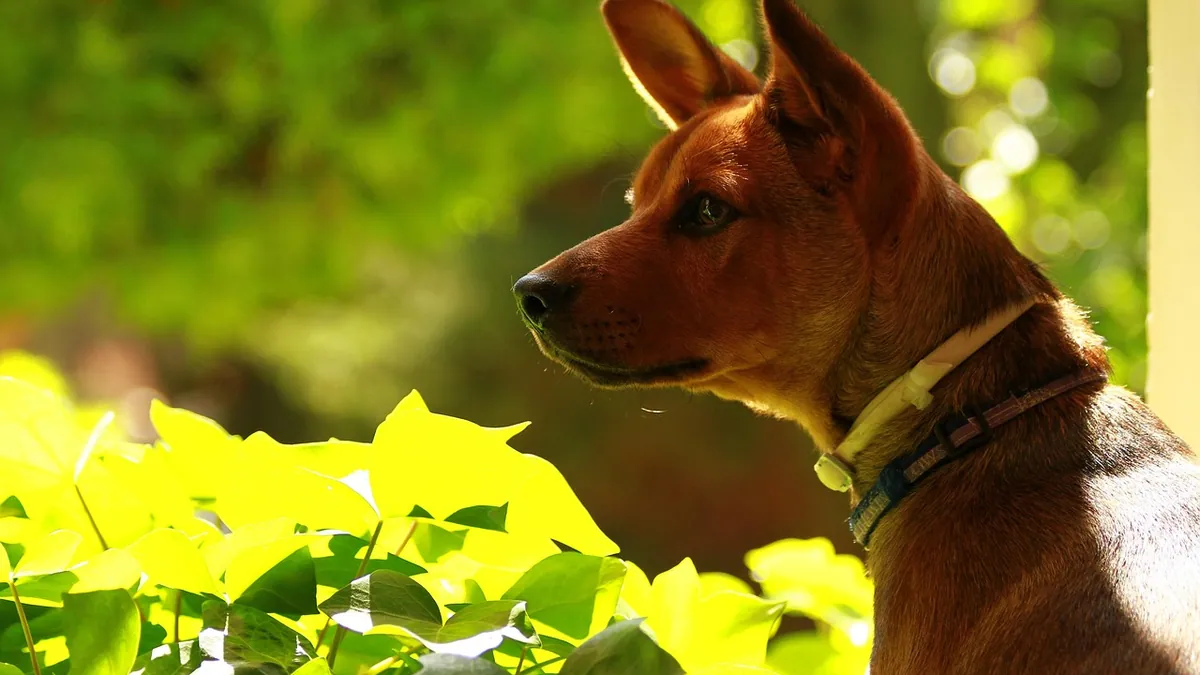
Is devil's ivy toxic to dogs? Yes. Devil's ivy, also called pothos, golden pothos, taro vine, or ivy arum, is toxic to dogs because it contains insoluble calcium oxalate crystals [1]. Chewing or biting the plant causes intense oral irritation, and in most cases the signs start within minutes and are painful but treatable with prompt care.
This article is educational and is not a substitute for veterinary diagnosis or treatment.
Quick Answer
- Devil's ivy (Epipremnum aureum) is toxic to dogs, cats, and horses because of insoluble calcium oxalate crystals [1].
- The most common signs are oral irritation, pain, and swelling of the mouth, tongue, and lips, along with excessive drooling, vomiting, and difficulty swallowing [1].
- Rinse your dog's mouth with water or offer a small drink, then call your veterinarian, the ASPCA Animal Poison Control Center at (888) 426-4435, or Pet Poison Helpline at (855) 764-7661.
- Do not induce vomiting unless a veterinarian tells you to.
- Most dogs recover well with supportive care, but swelling that affects breathing is an emergency.
Is Devil's Ivy Toxic to Dogs?
Yes. Every part of the plant is considered toxic, and the ASPCA lists devil's ivy as toxic to dogs, cats, and horses [1]. The toxic principle is insoluble calcium oxalate crystals, which are found in the plant's tissues, including the leaves and stems [1].
This matters because pothos is one of the most common houseplants in the United States. It grows easily, trails from shelves and hanging baskets, and often sits within reach of a curious dog. A dog does not need to eat a whole plant to develop signs. Chewing a single leaf or stem is usually enough to cause mouth pain.
Which Parts Are Toxic?
The leaves and stems contain the crystals [1]. There is no safe part of the plant for a dog to chew. Dried or fallen leaves can still irritate the mouth, so pick them up instead of leaving them on the floor.
Is Ground Ivy Toxic to Dogs?
Ground ivy (often called creeping Charlie) is a different plant from devil's ivy, and owners sometimes confuse the two because of the shared name. Ground ivy is not the same species as pothos, and its toxicity profile is different. If you are unsure which plant your dog chewed, treat it as a possible poisoning and call a poison control line or your veterinarian with a photo or sample of the plant. For a broader list of plants that can harm dogs, see Plants Poisonous To Dogs.
What Insoluble Calcium Oxalate Crystals Do in the Body
Insoluble calcium oxalate crystals are tiny, needle-like structures. When a dog bites into the plant, these crystals penetrate the soft tissues of the mouth, tongue, lips, and throat. That physical injury is what causes the immediate burning pain and swelling [1].
This is different from soluble oxalates, which are absorbed into the bloodstream and can affect the kidneys. The crystals in pothos are insoluble, so the main damage is local, at the point of contact [1]. That is good news in most cases, because the injury is usually confined to the mouth and digestive tract instead of causing systemic organ damage.
That said, severe swelling in the throat can interfere with swallowing and, rarely, with breathing. Vomiting can also occur, and the vomited plant material can irritate the mouth and esophagus again on the way up [1].
Signs of Pothos Poisoning in Dogs
The ASPCA lists these clinical signs for devil's ivy toxicosis: oral irritation, pain and swelling of the mouth, tongue, and lips, excessive drooling, vomiting, and difficulty swallowing [1].
What You May See at Home
- Pawing at the mouth or rubbing the face on the floor
- Whining, drooling, or drooling with bloody tinges
- Swollen lips, tongue, or gums
- Refusing food or water
- Dropping food or swallowing with obvious effort
- Vomiting, sometimes shortly after chewing the plant
- Restlessness or head shaking
Timeline of Signs
Signs typically begin within minutes of chewing the plant, because the crystals act on contact. Oral pain and drooling are usually the first things you notice. Vomiting may follow within the first hour or two. Difficulty swallowing tends to appear as swelling develops. If your dog chewed the plant more than a few hours ago and has no signs at all, the exposure was likely minor, but keep watching and call your veterinarian for advice.
What to Do Right Now
- Move your dog away from the plant and remove any plant material from the mouth if you can do so safely.
- Rinse the mouth with plain water or offer a small bowl of water or milk to drink. This can help clear crystals from the mouth.
- Call your veterinarian, the ASPCA Animal Poison Control Center at (888) 426-4435, or Pet Poison Helpline at (855) 764-7661.
- Do not induce vomiting unless a veterinarian tells you to.
- Do not give human pain relievers, antihistamines, or any other medication without veterinary direction.
- Bring a piece of the plant or a clear photo with you if you go to the clinic.
If your dog is having trouble breathing, has a rapidly swelling tongue or throat, or is collapsing, skip the phone call and go straight to the nearest emergency veterinary hospital. For general guidance on what to do after any plant exposure, see Dog Ate Toxic Plant.
Veterinary Treatment for Pothos Poisoning
Treatment depends on how much plant material was chewed and how severe the signs are. Your veterinarian will examine your dog's mouth and throat, check breathing, and ask what and how much was eaten.
Supportive Care
Common steps include rinsing the mouth, offering cool water or a bland oral rinse, and giving medications to control pain and nausea. If vomiting is ongoing, anti-nausea drugs and fluids may be needed. Some dogs benefit from a soft, bland diet until the mouth feels better.
When More Is Needed
If swallowing is difficult or the airway is at risk, your veterinarian may place an intravenous catheter, provide oxygen, and use medications to reduce swelling. In rare severe cases, a breathing tube or other airway support may be required. The exact drugs and doses are chosen by your veterinarian based on your dog's weight, signs, and overall health.
What Not to Do
Do not force your dog to eat or drink if swallowing is painful. Do not use hydrogen peroxide or salt to make your dog vomit. Do not wait to see if signs improve on their own when the mouth is swollen.
Outlook After Eating Devil's Ivy
Most dogs with pothos exposure recover fully with supportive care. The crystals cause local irritation instead of organ damage, so once the mouth heals, lasting problems are uncommon [1]. Signs often improve within a day or two with treatment, though severe swelling can take longer to settle.
Dogs that develop breathing difficulty or severe throat swelling have a more serious situation and need emergency care. With fast treatment, even these cases often do well. If your dog has swallowed a large amount of plant material or has other health problems, your veterinarian will give you a more specific outlook.
Prevention and Safer Alternatives
The simplest prevention is to keep devil's ivy out of your dog's reach. Hang it high, place it behind a closed door, or move it to a room your dog cannot enter. Pick up fallen leaves and stems right away.
If you want a trailing houseplant that is not toxic to dogs, ask your veterinarian or a knowledgeable nursery staff member for pet-safe options. Spider plants, Boston ferns, and certain palms are often suggested as safer choices, but always confirm the exact species before bringing a plant home.
Training also helps. Teach your dog a reliable "leave it" cue, and give plenty of appropriate chew toys so houseplants are less interesting. If your dog tends to sample everything, consider keeping only pet-safe plants in the home.
Other common household hazards deserve the same attention. Foods like grapes and plums can cause serious problems, and it helps to know the signs before an accident happens. You can read more about Can Dogs Have Grapes Poisoning Symptoms and Can Dogs Eat Plums? Toxicity Warnings & Pit Risks.
Limitations and When to Contact a Veterinarian
No article can tell you how your individual dog will respond. The amount chewed, your dog's size, and other health conditions all matter, so a veterinarian needs to assess your pet directly.
Contact your veterinarian the same day if:
- Your dog chewed devil's ivy and has drooling, mouth pain, or vomiting
- Your dog is refusing food or water
- Signs have not improved after rinsing the mouth
Go to an emergency clinic now if:
- Your dog is having trouble breathing or making noisy breathing sounds
- The tongue or throat looks rapidly swollen
- Your dog is collapsing, weak, or unresponsive
- Vomiting is severe or repeated
Schedule a routine visit if:
- Your dog chewed a tiny amount, has no signs, and you want to confirm the plant is what you think it is
- You want help choosing pet-safe houseplants
Frequently Asked Questions
How much devil's ivy does a dog have to eat to get sick?
Even a small amount can cause mouth pain, because the crystals act on contact with the tissues. There is no established minimum toxic dose for pothos in dogs, so any chewing should be treated as a possible exposure. Call your veterinarian or a poison control line for guidance.
Can pothos kill a dog?
Fatal cases are rare, and most dogs recover with supportive care. The main danger is severe swelling of the throat that interferes with breathing or swallowing. If your dog is struggling to breathe, treat it as an emergency and go to a veterinary hospital right away.
How long do pothos poisoning signs last in dogs?
Oral pain and drooling often improve within hours to a day or two with treatment. Swelling and difficulty swallowing may take longer to fully resolve. Your veterinarian can give you a better timeline after examining your dog.
Should I make my dog vomit after eating devil's ivy?
No. Do not induce vomiting unless a veterinarian specifically tells you to. The crystals can injure the mouth and esophagus again on the way up, and vomiting can worsen breathing problems if the throat is swollen. Call your veterinarian or a poison control line first.
Are other houseplants as dangerous as devil's ivy?
Many common houseplants contain insoluble calcium oxalate crystals, including plants in the same Araceae family. Others contain different toxins with different effects. If your dog chews any houseplant, identify the plant and call for advice instead of waiting for signs to appear.
Related Articles
- Plants Poisonous To Dogs
- Dog Ate Toxic Plant
- My Dog Ate a Mushroom: How to Tell If It's Toxic
- Can Dogs Eat Plums? Toxicity Warnings & Pit Risks
- Can Dogs Have Grapes Poisoning Symptoms
- Grape Poisoning In Dog Symptoms
- Is Pothos Poisonous to Dogs? Symptoms and What to Do
- Is English Ivy Toxic to Dogs? Signs and What to Do
- Is Ivy Toxic to Dogs and Cats? What Owners Should Know
References
- Toxic and Non-toxic Plants: Devils Ivy. ASPCA Animal Poison Control Center.