Is Pilea Cadierei Toxic to Cats? Vet Safety Facts
By Dr. Zubair Khalid, DVM, MS, PhD ·
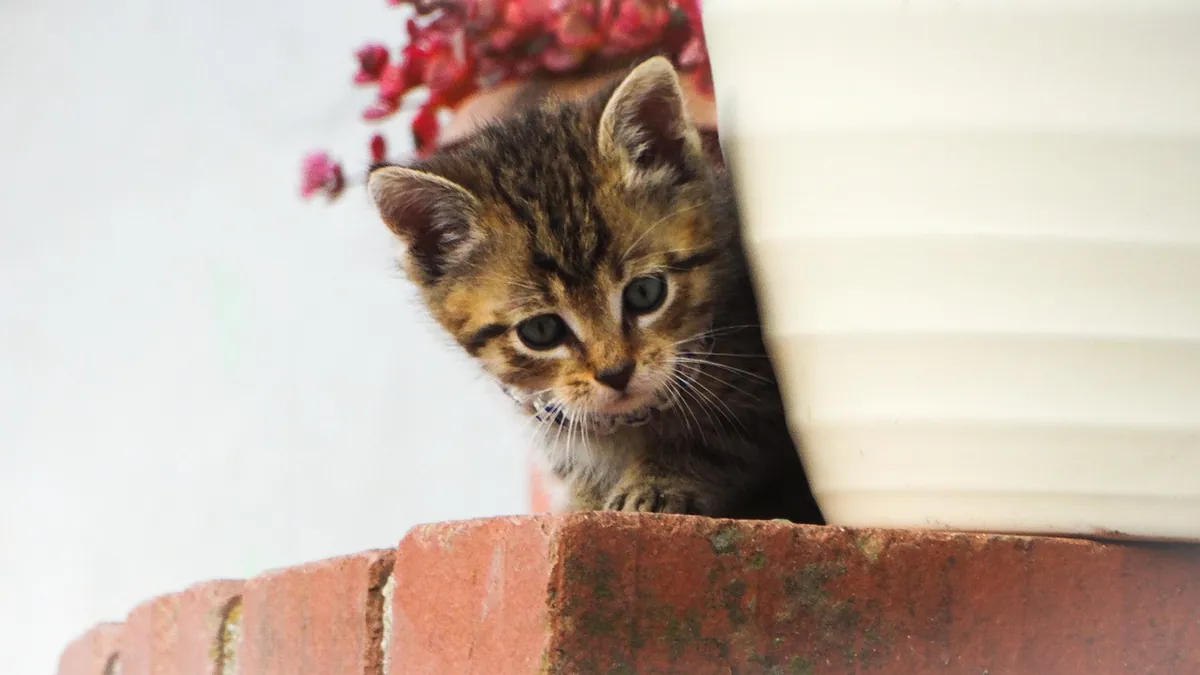
Is pilea cadierei toxic to cats? No. Pilea cadierei, the aluminum plant, is not listed as toxic to cats, and the ASPCA classifies Pilea species as non-toxic to cats, dogs, and horses [1]. If your cat nibbles a leaf, the most likely outcome is mild stomach upset or nothing at all.
This article is educational and is not a substitute for veterinary diagnosis or treatment.
Quick Answer
- Pilea cadierei (aluminum plant) is considered non-toxic to cats, based on ASPCA plant records for the Pilea genus [1].
- No specific toxic principle has been identified in Pilea, so there is no antidote to give and no expected organ damage from chewing the plant.
- A cat that eats a lot of plant material can still vomit or have diarrhea from simple gastrointestinal irritation, which is a mechanical issue, not poisoning.
- If your cat chews the plant and seems fine, watch it for a few hours. If it vomits repeatedly, drools heavily, or acts dull, call your veterinarian.
- If you are unsure what your cat ate, call the ASPCA Animal Poison Control Center at (888) 426-4435 or Pet Poison Helpline at (855) 764-7661. Do not induce vomiting unless a veterinarian tells you to.
Is Pilea Cadierei Toxic to Cats?
The short answer is no. The ASPCA's toxic and non-toxic plant database lists Pilea nummulariifolia, a close relative in the same genus, as non-toxic to dogs, cats, and horses [1]. Pilea cadierei belongs to the same plant family, Urticaceae, and is sold under the common name aluminum plant because of the silvery markings on its leaves.
That said, "non-toxic" does not mean "edible." It means there is no known toxin in the plant that causes poisoning in cats. A cat that chews a leaf may swallow plant fiber that irritates the stomach, and that can lead to a single episode of vomiting. This is a mild reaction, not a poisoning emergency.
Which Parts of the Plant Matter?
All above-ground parts of Pilea cadierei, including leaves and stems, fall into the same non-toxic category. There is no evidence that the sap, roots, or flowers contain a toxin that affects cats. The ASPCA record covers the Pilea genus broadly and does not flag any plant part as dangerous [1].
What About Other Plants Sold as "Pilea"?
Garden centers sometimes mix up common names. Creeping Pilea is also called Swedish Ivy or Creeping Charlie in some listings, and the ASPCA record notes that these names can refer to Plectranthus species as well as Pilea species [1]. Both are listed as non-toxic to cats in that record [1]. If you are not certain which plant you own, take a photo and ask your veterinarian or a poison control service to identify it.
If you want a broader picture of what is and is not safe in a cat household, our guide to What Plants Can Be Toxic To Cats covers the common offenders.
The Toxic Principle: What Pilea Does and Does Not Contain
There is no established toxic principle in Pilea cadierei. This is different from plants that contain calcium oxalate crystals, which cause intense mouth pain and swelling, or plants that contain cardiac glycosides, which affect the heart.
For contrast, calcium oxalate crystals show up in the kidneys of cats poisoned by ethylene glycol, where they deposit in the renal tubules and cause acute tubular necrosis [2]. That is a true toxic mechanism with a known cause and a known target organ. Pilea has no comparable mechanism described in veterinary toxicology.
Some cats are sensitive to any plant material in the stomach. The vomiting that follows is a reflex response to fiber and bulk, not a chemical poisoning. This distinction matters because it changes what you do next. There is no antidote to give, no decontamination protocol, and no blood test that will show Pilea toxicity.
Signs of Pilea Cadierei Poisoning in Cats
Because Pilea is not toxic, there is no recognized syndrome of Pilea cadierei poisoning in cats. What owners sometimes see after a cat chews any houseplant is:
- One or two episodes of vomiting
- Soft stool or mild diarrhea
- Drooling from the taste or texture of the leaf
- Refusing food for a few hours
These signs are nonspecific. They can come from eating plant material, from hairballs, from a change in diet, or from an unrelated illness. A single vomit after chewing a leaf is not proof of poisoning, and it does not require a poison control call if your cat is otherwise bright and eating.
Timeline: When Would Signs Show Up?
If a cat is going to vomit from eating plant fiber, it usually happens within a few hours of the meal. Signs that appear more than 12 to 24 hours later are less likely to be related to the plant and more likely to have another cause.
This timeline is very different from serious plant poisonings. For example, anticoagulant rodenticides, which are a common cause of poisoning in cats, interfere with clotting and can cause bleeding that shows up days after exposure [3]. A retrospective study of 747 cat toxicology cases found rodenticides in 2.5% of cases, with coumatetralyl detected most often [3]. Those cases require treatment with vitamin K1, and a study of 58 dogs and cats treated with intravenous vitamin K1 reported no adverse effects from the administration and full survival in the cats [4]. The point is that real poisonings have real treatments and real timelines. Pilea does not fit that pattern.
What to Do Right Now If Your Cat Chewed the Plant
Stay calm. Most cats that chew an aluminum plant need nothing more than observation.
- Move the plant out of reach.
- Look in your cat's mouth for leaves stuck between the teeth or under the tongue.
- Wipe away any plant material on the lips or chin.
- Offer water.
- Watch for vomiting, drooling, or changes in behavior over the next few hours.
If your cat is acting normal, eating, and playing, there is no need for an emergency visit. If your cat vomits once and then returns to normal, a call to your veterinarian during business hours is reasonable.
Call a professional if you are not sure what your cat ate, if the plant was treated with fertilizer or pesticide, or if your cat has a chronic illness. The ASPCA Animal Poison Control Center can be reached at (888) 426-4435 and Pet Poison Helpline at (855) 764-7661. Both may charge a consultation fee.
Do not induce vomiting unless a veterinarian tells you to. Making a cat vomit can cause aspiration pneumonia, and it is unnecessary for a plant that is not toxic.
Veterinary Treatment for a Suspected Pilea Exposure
There is no specific treatment for Pilea exposure because there is no toxin. If your cat is seen by a veterinarian, the visit is usually about ruling out other causes and supporting the cat through mild stomach upset.
Your veterinarian may:
- Take a history of what and how much was eaten
- Perform a physical exam, including checking the mouth and abdomen
- Recommend withholding food for a short period, then offering small bland meals
- Give fluids under the skin or intravenously if the cat is dehydrated from vomiting
- Prescribe an anti-nausea medication if vomiting is persistent
Blood work is not routinely needed for a non-toxic plant exposure. It may be recommended if your cat has other signs, is senior, or has a known health condition. Any medication dose is calculated by your veterinarian based on your cat's weight and health status.
If your cat ate a plant you cannot identify, or if the plant may have been treated with a pesticide or fertilizer, the approach changes. Your veterinarian may contact a poison control service and, in some cases, send samples for toxicology testing. Forensic toxicology methods can detect specific compounds in gastric contents, and these techniques are used in cases where poisoning is suspected [3].
Outlook After a Pilea Exposure
The outlook is excellent. Cats that chew a non-toxic houseplant and have no underlying disease typically recover without treatment. Mild vomiting from plant fiber resolves within a day in most cases.
If your cat develops repeated vomiting, refuses all food for more than 24 hours, or becomes lethargic, the cause is probably something other than the Pilea. Cats hide illness well, and a plant chewed today may be a coincidence instead of the reason your cat is sick. That is why a veterinary exam matters when signs do not fit the expected mild pattern.
For a sense of how serious plant poisonings can look, our article on Are Lilies Toxic to Cats? explains why some plants cause kidney failure while others, like Pilea, do not.
Prevention and Safer Alternatives
The simplest prevention is placement. Put the aluminum plant on a shelf, in a hanging basket, or in a room your cat cannot enter. Cats chew plants for many reasons, including boredom, curiosity, and the texture of the leaves. Providing cat grass or a catnip plant gives them a safer outlet.
If you are building a collection of cat-safe houseplants, Pilea species are a reasonable choice based on the ASPCA non-toxicity listing [1]. Other plants in the same non-toxic category include many common ferns and palms. Avoid plants known to cause serious poisoning, such as true lilies, sago palms, and oleander.
If you are unsure about a plant you already own, our guide to Flowers That Are Toxic To Cats can help you sort the safe ones from the risky ones.
Keep in mind that non-toxic plants can still cause problems if they are treated with chemicals. Fertilizer spikes, systemic insecticides, and leaf shine products are not meant to be eaten. Rinse new plants and keep them out of reach for the first few weeks.
Limitations and When to Contact a Veterinarian
No article can examine your cat. Individual cases need a veterinarian who can see the cat, ask questions, and decide what testing or treatment is appropriate.
Contact your veterinarian the same day if:
- Your cat vomited more than twice
- Your cat is drooling heavily or pawing at the mouth
- Your cat refused food for more than 12 hours
- You are not sure what plant was eaten
Go to an emergency clinic now if:
- Your cat is having trouble breathing
- Your cat is collapsing, seizing, or unresponsive
- Your cat's gums are pale, white, or blue
- You suspect exposure to a known toxin such as antifreeze, rodenticide, or strychnine
Routine visit situations include a single episode of vomiting with a normal attitude, or a question about whether a plant in your home is safe. Bring a photo of the plant and a sample leaf if you can.
Frequently Asked Questions
Is the aluminum plant safe for cats to live with?
Yes. Pilea cadierei is considered non-toxic to cats, so keeping one in your home is not a poisoning risk [1]. A cat that chews it may have mild stomach upset from the plant fiber, but there is no toxin involved.
What happens if my cat eats a whole Pilea leaf?
Most cats that eat a leaf have no signs at all. Some will vomit once or have a soft stool, and those signs usually pass within a day. If your cat keeps vomiting or stops eating, call your veterinarian.
Do I need to call poison control for a Pilea exposure?
Not usually. Poison control services are best used when you are unsure what your cat ate or when a known toxin is involved. If you are certain the plant is Pilea cadierei and your cat is acting normal, observation at home is reasonable.
Can Pilea cause kidney failure in cats?
No. There is no evidence that Pilea damages the kidneys or any other organ in cats. Kidney injury from plants is associated with specific toxins, such as the calcium oxalate crystals seen in ethylene glycol poisoning, which is a completely different exposure [2].
Should I make my cat vomit after it chews the plant?
No. Inducing vomiting is not recommended for a non-toxic plant, and it can cause harm if the vomit is inhaled. Only do this if a veterinarian specifically instructs you to.
Related Articles
- Flowers That Are Toxic To Cats
- What Flowers Are Toxic To Cats
- Are Lilies Toxic to Cats?
- What Plants Can Be Toxic To Cats
- Are Snake Plants Toxic To Cats
- What Plants And Flowers Are Toxic To Cats
- Is Pilea Peperomioides Toxic to Cats? Pancake Plant Safety
- Is Pilea Involucrata Toxic to Cats? What to Know
- Is Bronze Pilea Toxic to Cats? Safety Guide
References
- Toxic and Non-toxic Plants: Creeping Pilea. ASPCA Animal Poison Control Center.
- Ethylene glycol poisoning in a free-roaming cat associated with suspected animal cruelty: a forensic veterinary case report in South Korea. Frontiers in veterinary science, 2026.
- Forensic LC-MS/MS Monitoring of Anticoagulant Rodenticide Poisoning in Cats Over a Half-Decade. Veterinary medicine and science, 2026.
- Intravenous Administration of Vitamin K1 in Dogs and Cats Presented for Anticoagulant Rodenticide Poisoning: A Retrospective Study of 58 Cases. Journal of veterinary emergency and critical care (San Antonio, Tex. : 2001), 2026.