Is Creeping Pilea (Norfolk) Toxic to Cats? Vet Answer
By Dr. Zubair Khalid, DVM, MS, PhD ·
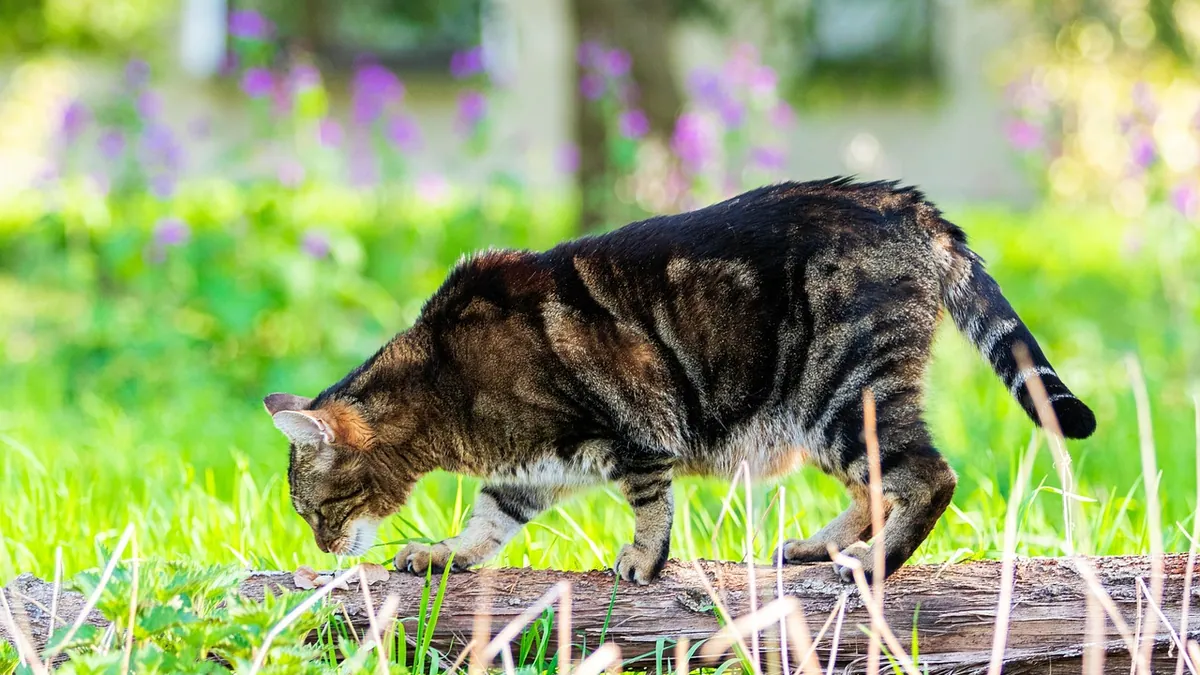
Is creeping Pilea (Norfolk) toxic to cats? No. The ASPCA Animal Poison Control Center lists creeping Pilea, scientific name Pilea nummulariifolia, as non-toxic to cats, dogs, and horses [1]. So if your cat chews a leaf or two on a trailing plant hanging within reach, you are not dealing with a poisoning emergency. That said, any plant material can cause mild stomach upset in a sensitive cat, and a cat that swallows a lot of any houseplant can still vomit or feel off.
This article is educational and is not a substitute for veterinary diagnosis or treatment.
Quick Answer
- Creeping Pilea (Pilea nummulariifolia) is classified as non-toxic to cats by the ASPCA Animal Poison Control Center [1].
- There is no known toxic principle in this plant, so it does not cause poisoning in the way lilies, grapes, or antifreeze do [1].
- A cat that eats a small amount usually needs no treatment at all. Watch for vomiting or diarrhea from simple dietary upset.
- If your cat eats a large amount of any plant, or if you are unsure what plant it ate, call your veterinarian or the ASPCA Animal Poison Control Center at (888) 426-4435 or Pet Poison Helpline at (855) 764-7661.
- Never induce vomiting unless a veterinarian tells you to.
Is Pilea Norfolk Toxic to Cats? What the Plant Record Shows
The short answer is no. Creeping Pilea carries a non-toxicity listing for cats, dogs, and horses [1]. That listing comes from the ASPCA Animal Poison Control Center, which maintains the plant database most veterinarians and pet owners use for quick reference.
One thing that trips people up is the common name. Creeping Pilea is sometimes sold or discussed alongside plants called Swedish Ivy (Plectranthus) and Creeping Charlie, and those names get mixed together in garden centers and online listings [1]. The plant record groups these names under the same non-toxic entry, so the practical takeaway does not change. If your plant tag says creeping Pilea, Pilea nummulariifolia, or Swedish Ivy, the cat safety picture is the same [1].
Which parts of the plant matter?
For a non-toxic plant, there is no "worst part." Leaves, stems, and flowers are all covered by the same non-toxicity listing [1]. There is no sap, berry, bulb, or root that is singled out as dangerous.
What about fertilizer, pesticide, or potting soil?
This is where owners sometimes get confused. The plant itself is not toxic, but what is on the plant can be. A leaf sprayed with insecticide, or water from a saucer that has fertilizer in it, is a different exposure than the plant. If your cat chews a treated plant, call a veterinarian or poison control and have the product label ready.
The Toxic Principle: Why This Plant Does Not Poison Cats
There is no known toxic principle in creeping Pilea [1]. That is the plain reason it is listed as non-toxic. Plants that poison cats usually contain a specific compound, such as the toxins in true lilies, the substance in grapes linked to kidney injury in pets [2], or the active drug in certain medications that can cause severe kidney damage when a cat eats a large overdose [3]. Creeping Pilea does not have a comparable toxin.
Because there is no toxin, there is no target organ for this plant. It does not attack the kidneys, the heart, the liver, or the nervous system. That is different from plants that cause acute kidney injury, which is a well-documented outcome after certain poisonings in cats [2][3]. It is also different from toxins that cause bleeding, such as anticoagulant rodenticides, which are treated with vitamin K1 and sometimes coagulation factors [4].
If your cat eats creeping Pilea, the most likely outcome is nothing at all, or a mild upset stomach from eating plant fiber it is not used to.
Creeping Pilea Poisoning Signs: What to Actually Watch For
Since the plant is non-toxic, there are no true poisoning signs tied to it [1]. What you might see is ordinary gastrointestinal upset from eating a plant. That can include:
- Vomiting, once or a few times
- Soft stool or diarrhea
- Drooling
- Going off food for a meal or two
- Hiding or acting a little quiet
These signs are not specific to this plant. They show up after a cat eats grass, a new food, or anything else that disagrees with the stomach.
Timeline
For mild stomach upset after eating a plant, signs usually show up within a few hours and settle within a day. If your cat is still vomiting after 24 hours, or if vomiting is frequent, that is no longer a simple plant nibble and needs a call to your veterinarian.
When the signs do not fit the plant
If your cat has severe signs, the plant is probably not the cause. Sudden drooling, a very slow heart rate, trouble breathing, weakness, or collapse point to a serious exposure and need emergency care right away. A published case of barium toxicosis in a cat described exactly this pattern, with heavy drooling, a heart rate of 130 beats per minute, respiratory distress, and low potassium, and the cat declined quickly over less than 10 hours [5]. That is the kind of emergency where minutes matter.
If you have other plants in the house, check them too. Some of the most dangerous exposures involve flowers and plants that look harmless. Our guide to flowers that are toxic to cats covers the common ones, and if you keep lilies anywhere in the home, read are lilies toxic to cats today instead of later. You can also review what flowers are toxic to cats for a broader list.
What to Do Right Now If Your Cat Ate Creeping Pilea
Stay calm. If your cat nibbled a creeping Pilea leaf, the odds are strongly in your favor.
- Move the plant out of reach for now.
- Check your cat's mouth and paws for any plant material, and wipe away any fertilizer or pesticide residue with a damp cloth.
- Note how much was eaten and when.
- Watch for vomiting, diarrhea, drooling, or changes in appetite over the next few hours.
- Call your veterinarian if you are worried, if your cat has other health problems, or if signs start.
If you cannot identify the plant with certainty, or if your cat ate something else in the same session, call for advice. The ASPCA Animal Poison Control Center is at (888) 426-4435, and Pet Poison Helpline is at (855) 764-7661. Both are staffed around the clock.
Do not induce vomiting unless a veterinarian tells you to. Making a cat vomit at home can cause aspiration, injury to the esophagus, or worse, and it is unnecessary for a plant that is not toxic.
Veterinary Treatment for a Non-Toxic Plant Exposure
For creeping Pilea, most cats need no treatment. Your veterinarian may ask you to monitor at home and call back if signs appear.
If your cat is vomiting or has diarrhea, the vet may recommend a bland diet for a day or two, plenty of water, and a recheck if things do not improve. In more significant cases, supportive care can include fluids under the skin or into a vein, medication to settle nausea, and a blood panel to rule out other causes. The dose of any medication is calculated by your veterinarian based on your cat's weight and health, so never give a human drug or leftover pet medication on your own.
If there is any question about what your cat ate, your veterinarian may recommend testing. For serious poisonings, treatment can be intensive. Cats with severe acute kidney injury after a large medication overdose have needed aggressive supportive care, and in one case series two of three cats died or were euthanized despite treatment [3]. That is the level of care reserved for real toxins, not for creeping Pilea.
Outlook After a Creeping Pilea Exposure
The outlook is excellent. With no toxic principle in the plant, there is nothing to reverse and no lasting organ damage to expect [1]. A cat that eats a leaf and feels fine needs nothing more than a watchful eye.
If your cat does vomit, it usually passes within a day. If it does not, the cause is likely something other than the plant, and that deserves a veterinary visit.
Prevention and Safer Alternatives
You do not have to rehome your creeping Pilea. A few simple habits keep the peace:
- Hang trailing plants high enough that leaves are out of reach from the floor, a chair, or a counter. Cats can stretch farther than you think.
- Use a sturdy hook or ceiling mount so a jumping cat cannot pull the pot down.
- Offer cat grass or a cat-safe plant of its own so your cat has something legal to chew.
- Skip fertilizers and pesticides on plants your cat can reach, or use them only when the plant is out of the house.
- Check every new plant against a reliable list before you bring it home.
If you like the trailing look, creeping Pilea is already one of the safer choices. If you want to double-check other plants in your collection, including ones sold as "pet safe" that are not, our guide to flowers toxic to cats is a good starting point. Owners outside the United States can compare local lists too, such as what plants are toxic to cats in Australia.
Limitations and When to Contact a Veterinarian
No plant list replaces an exam. Individual cases need a veterinarian, because your cat's age, health conditions, and other medications all change the picture.
Contact your veterinarian the same day if:
- Your cat vomits more than two or three times
- Diarrhea lasts more than 24 hours
- Your cat stops eating or drinking
- You are not sure what plant was eaten
- Your cat has kidney disease, heart disease, or is on medication
Go to an emergency clinic now if:
- Your cat is drooling heavily, breathing hard, or breathing fast
- You see weakness, wobbling, collapse, or a seizure
- Your cat's heart rate seems very slow or very fast
- Your cat ate a known toxin, such as a lily, grape, rodenticide, or antifreeze
- Signs started suddenly and are getting worse within hours
For reference, a cat with barium toxicosis from fireworks showed drooling, a heart rate of 130 beats per minute, and respiratory distress, and deteriorated in under 10 hours [5]. Ethylene glycol, the sweet-tasting chemical in antifreeze, causes fatal kidney damage with calcium oxalate crystals in the kidneys [6]. Those are the exposures that need immediate care. Creeping Pilea is not one of them [1].
Frequently Asked Questions
Is creeping Pilea toxic to cats?
No. Creeping Pilea (Pilea nummulariifolia) is listed as non-toxic to cats [1]. A cat that chews a leaf is not at risk of poisoning from the plant itself.
Is Pilea nummulariifolia safe around cats?
Yes, it is considered safe. The plant record covers cats, dogs, and horses under the same non-toxicity listing [1]. The main risk is a mild stomach ache from eating plant material, not toxin exposure.
What are the signs of creeping Pilea poisoning in cats?
There are no true poisoning signs, because the plant is not toxic [1]. If your cat eats a lot of it, you might see vomiting, diarrhea, or drooling from simple stomach upset.
Should I make my cat vomit after eating creeping Pilea?
No. Do not induce vomiting unless a veterinarian tells you to. It is not needed for a non-toxic plant, and it can cause harm.
Can my cat die from eating creeping Pilea?
No deaths have been linked to this plant, and it is classified as non-toxic [1]. If your cat is seriously ill after eating a plant, the cause is likely something else, and you should seek emergency care right away.
Related Articles
- Are Lilies Toxic to Cats?
- Flowers That Are Toxic To Cats
- What Flowers Are Toxic To Cats
- What Plants Are Toxic To Cats In Australia
- Flowers Toxic To Cats
- What Plants Can Be Toxic To Cats
- Is Pilea Cadierei Toxic to Cats? Vet Safety Facts
- Is Pilea Involucrata Toxic to Cats? What to Know
- Is Pilea Peperomioides Toxic to Cats? Pancake Plant Safety
References
- Toxic and Non-toxic Plants: Creeping Pilea. ASPCA Animal Poison Control Center.
- A multicenter, retrospective, cross-sectional analysis of fresh and processed Vitis vinifera (grape) ingestion in dogs and cats. Frontiers in veterinary science, 2026.
- Severe Toxicosis Secondary to Accidental Oclacitinib Ingestion in Three Cats. Journal of veterinary emergency and critical care (San Antonio, Tex. : 2001), 2026.
- Intravenous Administration of Vitamin K1 in Dogs and Cats Presented for Anticoagulant Rodenticide Poisoning: A Retrospective Study of 58 Cases. Journal of veterinary emergency and critical care (San Antonio, Tex. : 2001), 2026.
- Barium Toxicosis After Ingestion of Snake Fireworks in a Cat. Journal of veterinary emergency and critical care (San Antonio, Tex. : 2001), 2026.
- Ethylene glycol poisoning in a free-roaming cat associated with suspected animal cruelty: a forensic veterinary case report in South Korea. Frontiers in veterinary science, 2026.