Are Pilea Glauca and Microphylla Toxic to Cats?
By Dr. Zubair Khalid, DVM, MS, PhD ·
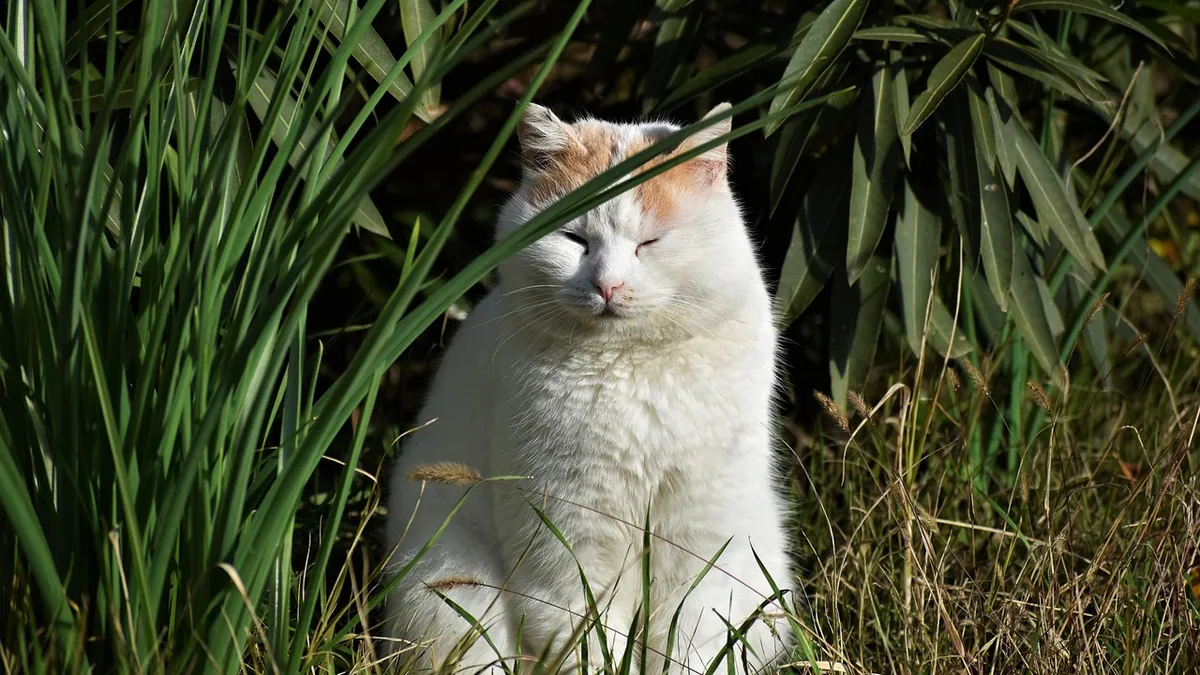
Is Pilea glauca toxic to cats? Based on the best available veterinary plant records, no. Pilea glauca, often sold as silver sparkle plant, and its close relative Pilea microphylla are not listed as toxic to cats [1]. That said, a non-toxic label does not mean a cat can chew a whole plant without any stomach upset.
This article is educational and is not a substitute for veterinary diagnosis or treatment.
Quick Answer
- Pilea microphylla (also called artillery plant) is listed as non-toxic to cats, dogs, and horses by the ASPCA Animal Poison Control Center [1].
- Pilea glauca, the silver sparkle plant, is a silver-leaved Pilea in the same family, Urticaceae, and is not listed as a toxic plant for cats [1].
- Other Pilea species, including creeping pilea (Pilea nummulariifolia) and watermelon pilea (Pilea cadieri), are also listed as non-toxic to cats [2][3].
- Chewing any houseplant can cause mild mouth irritation, drooling, vomiting, or diarrhea from the plant fiber alone, even when the plant is not poisonous.
- If your cat eats a large amount, has ongoing vomiting, or looks unwell, call your veterinarian or the ASPCA Animal Poison Control Center at (888) 426-4435.
Is Pilea Glauca Toxic to Cats?
No. Pilea glauca is not on the ASPCA list of toxic plants for cats. The ASPCA record for Pilea microphylla, a closely related species often grouped with silver-leaved Pileas, states clearly that it is non-toxic to dogs, cats, and horses [1]. The same record lists the toxic principle as "non-toxic" and notes no expected clinical signs from ingestion [1].
Pilea glauca does not have its own separate ASPCA record in the sources used for this article, so the safety conclusion rests on its family relationship and the records for other Pilea species. Pilea glauca belongs to the family Urticaceae, the same family as Pilea microphylla [1]. Within that genus, creeping pilea and watermelon pilea are also listed as non-toxic to cats [2][3]. This pattern supports the general view among veterinary toxicologists that Pilea houseplants are not a poisoning risk for cats.
Which Parts of the Plant Matter?
The leaves, stems, and roots of Pilea microphylla are all covered by the non-toxic listing, since the ASPCA record does not single out any toxic part [1]. There is no sap, berry, or flower on these plants that is reported to poison cats.
One practical caution: the soil, fertilizer, and any pesticide or leaf-shine product on the plant are separate from the plant itself. A cat that digs in the pot can swallow fertilizer granules or systemic insecticide, and those products can be harmful. Keep the plant, not just the leaves, out of reach if you use any chemical treatment on it.
What About "Silver Sparkle Plant" and Other Nicknames?
Silver sparkle plant is a common retail name for Pilea glauca, and it is sometimes confused with other silver-leaved plants. The ASPCA record for Pilea microphylla lists "Artillery Plant" as an additional common name, and it is the plant most often sold under similar silver foliage descriptions [1]. If you are unsure which plant you own, check the nursery tag or take a clear photo of the leaves and stems to your veterinarian.
Common names cause real confusion in plant poisonings. Many plants share nicknames, and a plant sold as "silver sparkle" in one store may be a different species in another. When in doubt, treat the plant as unidentified and keep it where your cat cannot chew it.
The Toxic Principle and What It Does in the Body
For Pilea microphylla, the ASPCA lists the toxic principle as non-toxic [1]. In plain terms, there is no known plant toxin in this species that damages a cat's organs or nervous system.
That is different from plants with real toxic principles. For example, ethylene glycol, the main ingredient in antifreeze, causes fatal poisoning in cats and produces acute kidney injury with calcium oxalate crystals in the kidney tubules [4]. Strychnine is a highly toxic plant-derived alkaloid that causes severe neuroexcitation and is usually fatal in poisoned animals [5]. Amanita muscaria mushrooms contain ibotenic acid and muscimol, two neuroactive compounds that can cause severe or fatal intoxication [6]. Pilea glauca and Pilea microphylla do not contain anything comparable based on the available records [1].
If a cat chews a Pilea, the main issue is mechanical and digestive, not toxicologic. Plant fibers can irritate the mouth and stomach lining. A large swallowed piece can cause vomiting or, rarely, a blockage if it is big enough. Cats with sensitive stomachs may vomit after eating any leafy plant, toxic or not.
Signs to Watch For and Their Timeline
Because Pilea microphylla is listed as non-toxic, no specific clinical signs are expected from eating it [1]. Most cats that nibble a leaf show nothing at all.
If signs do appear, they are usually mild and start within minutes to a few hours of chewing. Watch for:
- Drooling or lip smacking
- Pawing at the mouth
- One or two episodes of vomiting
- Soft stool or mild diarrhea
- Going off food for a meal or two
- Hiding or acting slightly quiet
These signs are not specific to Pilea. They can come from many causes, including hairballs, diet changes, and other plants. If your cat chews several houseplants, you may not know which one caused the problem.
More serious signs are uncommon with a non-toxic plant but should still get prompt attention. Call your veterinarian if your cat vomits repeatedly, has bloody vomit or stool, seems painful in the belly, breathes fast, or becomes weak or wobbly. Those signs point to something beyond a simple plant nibble.
What to Do Right Now
If you saw your cat chew a Pilea glauca or Pilea microphylla plant, take a breath. This is not an emergency poisoning in most cases [1].
- Move the plant out of reach.
- Check your cat's mouth for leaves or stems and remove any you can see safely.
- Note how much plant material is missing and when your cat ate it.
- Offer fresh water and watch your cat for a few hours.
- Call your veterinarian if you have any doubt, if your cat is very young, pregnant, or has a chronic illness, or if signs appear.
If you are worried, you can call the ASPCA Animal Poison Control Center at (888) 426-4435 or Pet Poison Helpline at (855) 764-7661. Both services can help you decide whether your cat needs to be seen. A consultation fee may apply.
Do not induce vomiting unless a veterinarian tells you to. Making a cat vomit at home can cause choking, aspiration, or injury, and it is not needed for a plant that is not toxic.
If you are not sure whether the plant your cat chewed is a Pilea, treat it as unknown. Bring a sample or a photo to your veterinarian so they can help identify it. For a broader look at which house and garden plants are dangerous, see Plants Toxic To Cats and What Plants Can Be Toxic To Cats.
Veterinary Treatment
For a confirmed Pilea exposure in a cat with no signs, treatment is often not needed. Your veterinarian may simply ask you to monitor at home and call back if anything changes.
If your cat has vomiting or diarrhea, your veterinarian will assess hydration, check the abdomen, and look for other causes. Supportive care can include fluids, anti-nausea medication, and a bland diet for a short time. The exact medication and dose are set by your veterinarian based on your cat's weight and health, so never give human medications at home without instructions.
If a cat swallowed a large piece of stem or a whole plant, your veterinarian may recommend imaging to check for a blockage. This is uncommon with soft houseplant leaves but possible with a big enough piece.
If the plant was treated with fertilizer, insecticide, or another chemical, tell your veterinarian the product name and bring the label. That changes the treatment plan completely, because the risk comes from the chemical, not the Pilea.
Outlook
The outlook for a cat that chews Pilea glauca or Pilea microphylla is generally excellent. These plants are listed as non-toxic, and most cats have no signs at all [1]. Mild stomach upset, if it happens, usually settles within a day with simple supportive care.
The outlook is also good for cats that eat other non-toxic Pilea species such as creeping pilea and watermelon pilea [2][3]. The main exception is a cat with a true blockage from a large swallowed piece, which needs veterinary care and sometimes surgery.
Prevention and Safer Alternatives
The simplest prevention is placement. Put Pilea glauca, silver sparkle plant, and other Pilea varieties on a shelf, hanging basket, or room your cat cannot reach. Cats can jump and climb, so a high shelf is only safe if there is no path to it.
Offer safe chewing options instead. Cat grass, catnip, and silver vine are common alternatives that give cats something to chew. Rotate toys and use food puzzles to redirect mouthy behavior. If your cat chews plants when bored or hungry, more playtime and scheduled meals can help.
Check every new plant before you bring it home. The ASPCA maintains a searchable toxic and non-toxic plant list, and it is a good first stop. For flowers specifically, see Flowers That Are Toxic To Cats and What Flowers Are Toxic To Cats.
Avoid chemical treatments on houseplants when you have cats. Systemic insecticides and some fertilizers can harm cats that chew treated leaves or dig in the soil. If you must treat a plant, keep it in a closed room away from your cat until the product label says it is safe.
Limitations and When to Contact a Veterinarian
Pilea glauca does not have its own ASPCA toxic plant record in published veterinary research, so the safety conclusion is based on its family relationship to Pilea microphylla and other listed non-toxic Pilea species [1][2][3]. That is a reasonable basis, but it is not the same as a direct listing for the exact species. If you want certainty for your specific plant, ask your veterinarian or a poison control service.
Contact your veterinarian the same day if your cat vomits more than once, has diarrhea that lasts more than a few hours, drools heavily, or refuses food. Contact an emergency clinic right away if your cat has trouble breathing, collapses, has a seizure, vomits blood, or has a swollen, painful belly. A routine visit is fine if your cat chewed a Pilea and seems completely normal but you want peace of mind.
Individual cases need a veterinarian who can examine your cat, ask about the full picture, and decide what testing or treatment is right. No article can replace that.
Frequently Asked Questions
Is Pilea microphylla toxic to cats?
No. The ASPCA lists Pilea microphylla, also called artillery plant, as non-toxic to cats, dogs, and horses, with no toxic principle identified [1]. A cat that chews it may still drool or vomit from the plant fiber, but poisoning is not expected.
Is silver sparkle plant toxic to cats?
Silver sparkle plant is a common name for Pilea glauca, a silver-leaved Pilea. It is not listed as a toxic plant for cats, and related Pilea species carry non-toxic listings [1][2][3]. Keep it out of reach anyway, since any chewed plant can cause mild stomach upset.
Can a cat get sick from eating a non-toxic plant?
Yes, mild signs are possible even with non-toxic plants. Plant fibers can irritate the mouth and stomach, causing drooling, vomiting, or soft stool. A large swallowed piece can also cause a blockage, which is a separate problem from poisoning.
Should I make my cat vomit after it eats a Pilea?
No. Do not induce vomiting unless a veterinarian tells you to. For a plant that is not toxic, making a cat vomit adds risk without benefit, and it can cause choking or injury.
Do I need to rehome my Pilea if I have a cat?
Not usually. Since Pilea glauca and Pilea microphylla are not considered toxic to cats, most owners can keep them with simple placement changes [1]. Put the plant where your cat cannot reach it, and give your cat safe things to chew instead.
Related Articles
- Flowers That Are Toxic To Cats
- Plants Toxic To Cats
- What Plants Can Be Toxic To Cats
- What Plants Are Toxic To Cats In Australia
- What Flowers Are Toxic To Cats
- Flowers Toxic To Cats
- Is Pilea Involucrata Toxic to Cats? What to Know
- Is Pilea Peperomioides Toxic to Cats? Pancake Plant Safety
- Is Creeping Pilea (Norfolk) Toxic to Cats? Vet Answer
References
- Toxic and Non-toxic Plants: Pilea Microphylla. ASPCA Animal Poison Control Center.
- Toxic and Non-toxic Plants: Creeping Pilea. ASPCA Animal Poison Control Center.
- Toxic and Non-toxic Plants: Watermelon Pilea. ASPCA Animal Poison Control Center.
- Ethylene glycol poisoning in a free-roaming cat associated with suspected animal cruelty: a forensic veterinary case report in South Korea. Frontiers in veterinary science, 2026.
- Strychnine poisoning in nontarget species in western Canada: A retrospective case series (2014 to 2023). The Canadian veterinary journal = La revue veterinaire canadienne, 2025.
- Fatal poisoning of Old Polish ducks with Amanita muscaria. BMC veterinary research, 2026.