Is Bronze Pilea Toxic to Cats? Safety Guide
By Dr. Zubair Khalid, DVM, MS, PhD ·
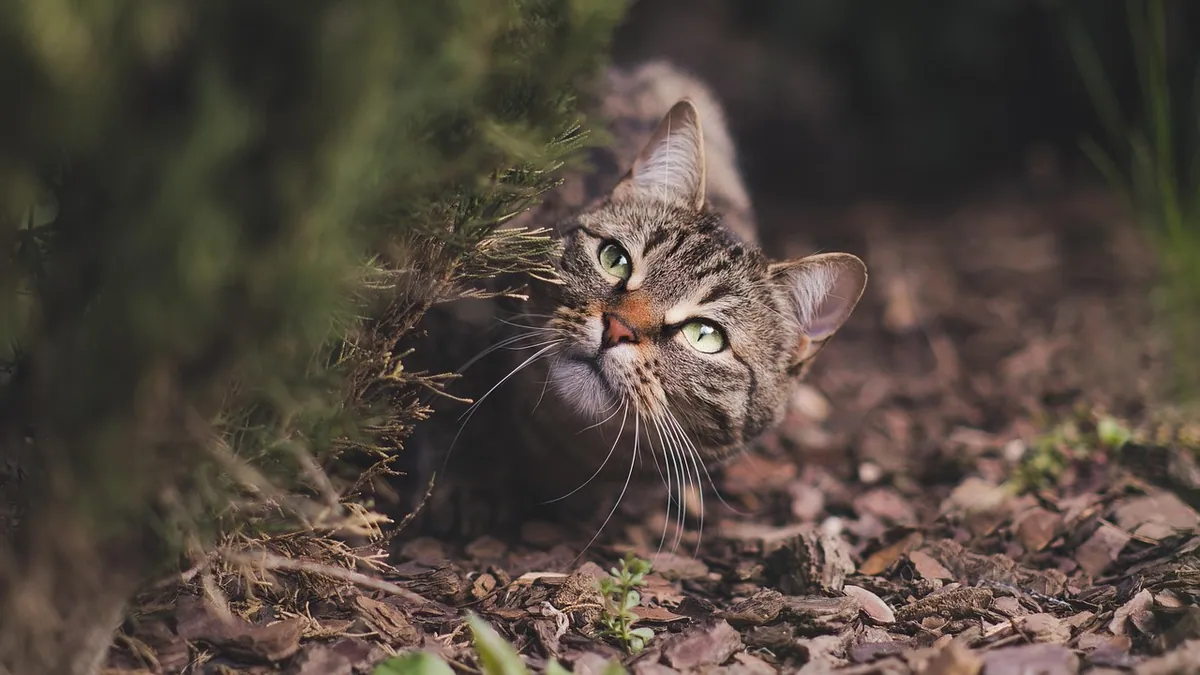
Bronze pilea is not toxic to cats. The ASPCA Animal Poison Control Center lists multiple Pilea species as non-toxic to cats, dogs, and horses, so this plant is not expected to cause poisoning if your cat chews or swallows it [1][2][3]. That said, "non-toxic" does not mean "risk-free," and a cat that eats a lot of any houseplant can still vomit or have diarrhea.
This article is educational and is not a substitute for veterinary diagnosis or treatment.
Quick Answer
- Bronze pilea belongs to the Pilea group, and Pilea species are listed as non-toxic to cats by the ASPCA Animal Poison Control Center [1][2][3].
- There is no toxic principle in Pilea plants, so there is no antidote to give and no specific poison to flush from the body [2][3].
- A cat that chews a leaf may drool, gag, or vomit from the plant material itself, not from a toxin.
- If your cat eats a large amount, or if vomiting continues, call your veterinarian or the ASPCA Animal Poison Control Center at (888) 426-4435.
- Keep the plant out of reach anyway. Cats that chew plants can knock over pots, swallow soil, or bite into a genuinely toxic plant nearby.
Is Bronze Pilea Toxic to Cats?
No. The ASPCA Animal Poison Control Center lists Pilea nummulariifolia (creeping pilea) as non-toxic to dogs, cats, and horses [1]. It also lists Pilea microphylla (artillery plant) and Pilea mucosa as non-toxic to cats, with "non-toxic" listed as the toxic principle [2][3]. Bronze pilea is sold under several Pilea names depending on the grower and the cultivar, and the Pilea family as a whole has a clean safety record with the ASPCA.
This matters because cat owners often search for a specific cultivar name and find nothing. The ASPCA database is organized by scientific name, not by the trade name on the nursery tag. If your plant tag says Pilea, you are in the non-toxic group [1][2][3].
Which parts of the plant are safe?
All the usual parts. Leaves, stems, and the potting soil around the roots are not listed as toxic for Pilea [1][2][3]. The ASPCA does not flag any part of the plant as a concern.
The soil is a separate issue. Fertilizer, slow-release granules, and moldy soil can cause stomach upset on their own. That is not a Pilea problem, it is a potting mix problem.
What about lookalike plants?
This is where owners get into trouble. Several plants sold as "Swedish ivy" or "creeping charlie" are not Pilea at all. The ASPCA record for creeping pilea notes that the common name Swedish ivy is also used for Plectranthus, a different plant in a different family [1]. If you bought a plant labeled Swedish ivy, check the scientific name before you assume it is safe.
If you are unsure what you have, browse a plant identification guide or ask your veterinarian. For a broader look at which houseplants cause problems, see What Plants Are Toxic To Cats Indoor.
The Toxic Principle and What It Does in the Body
There is no toxic principle in Pilea. The ASPCA lists the toxic principle for Pilea microphylla and Pilea mucosa as "non-toxic" [2][3]. That means there is no chemical in the plant that damages the liver, kidneys, heart, or nervous system in cats.
So what happens when a cat eats a leaf? Mostly mechanical and digestive irritation. Plant cell walls contain cellulose that cats cannot digest well. Chewing releases sap and tiny plant hairs that can irritate the mouth and stomach lining. The result is usually mild and short-lived.
For contrast, some plants do contain real poisons. Ethylene glycol, the sweet-tasting chemical in antifreeze, causes acute kidney injury with calcium oxalate crystals in the tubules and is often fatal in cats [4]. Anticoagulant rodenticides cause bleeding disorders and are a common finding in veterinary poisoning cases [5]. Pilea does not work anything like those. If you want to understand how plant poisonings are sorted into real emergencies and false alarms, see Plants Toxic To Cats.
Signs to Watch For and Their Timeline
Because there is no toxin, signs are limited to stomach upset. The ASPCA does not list clinical signs for Pilea beyond noting the plant is non-toxic [2][3].
Typical signs after a cat chews a houseplant:
- Drooling or lip smacking, usually within minutes
- Gagging or retching right after swallowing
- Vomiting plant material, often within 30 minutes to a few hours
- Soft stool or diarrhea over the next day
- Going off food for a meal or two
Most of these settle on their own within 24 hours. A cat that vomits once and then eats dinner is not a poisoning case.
When signs do not fit the plant
If your cat has severe vomiting, weakness, wobbling, trouble breathing, seizures, or stops producing urine, the plant is probably not the cause. Those signs point to something else, and your cat needs to be seen right away. Do not assume a houseplant is the whole story just because you found chewed leaves.
What to Do Right Now
Stay calm. If your cat nibbled a bronze pilea leaf and seems fine, you can watch at home. Offer water and a normal meal. Remove the plant from reach so the chewing does not repeat.
If your cat is vomiting repeatedly, drooling heavily, or seems uncomfortable, call for advice. You have three good options:
- Your own veterinarian or the nearest emergency clinic
- ASPCA Animal Poison Control Center at (888) 426-4435
- Pet Poison Helpline at (855) 764-7661
Have this ready before you call: your cat's weight, how much plant you think was eaten, when it happened, and any signs you have seen.
Do not induce vomiting unless a veterinarian tells you to. Forcing a cat to vomit at home can cause aspiration, where vomit goes into the lungs, and it is unnecessary for a plant with no toxin [2][3].
Do not give milk, oil, hydrogen peroxide, or human stomach medicines. None of these help, and some cause harm.
If you have other plants in the house, take a photo of each one now. Knowing the exact plant makes any future call faster. For a list of common problem plants, see What Plants Can Be Toxic To Cats.
Veterinary Treatment
For a confirmed Pilea exposure in a cat with mild signs, treatment is supportive. Your veterinarian may recommend withholding food for a short time, then offering small bland meals. Fluids under the skin or into a vein help if your cat is dehydrated from vomiting.
If your cat ate a large amount of plant material, your veterinarian may give a dose of a medication to control nausea. The exact drug and dose are chosen for your cat's weight and health, so there is no home dose to copy.
Blood work is usually not needed for a non-toxic plant exposure. Your veterinarian may still run it if your cat has other health problems, is on medication, or if the signs do not match the story.
If a cat is vomiting and cannot keep water down, hospitalization with intravenous fluids is the usual next step. Most cats in this situation improve within a day.
Outlook
The outlook for a cat that chews bronze pilea is excellent. There is no toxin to damage organs, so recovery is expected once the stomach settles [1][2][3].
The bigger risk is repeat behavior. Cats that chew plants often keep chewing. Over time, that habit can lead them to a plant that really is dangerous. A cat with pica, meaning it eats non-food items, may need a veterinary behavior evaluation.
Prevention and Safer Alternatives
The simplest fix is placement. Put the bronze pilea on a shelf your cat cannot reach, or hang it where the leaves are out of range. Cats can jump, so "high" needs to mean higher than you think.
Other practical steps:
- Offer cat grass or a catnip plant as a legal chewing outlet.
- Use a citrus or bitter spray on plant leaves if your cat targets one plant.
- Cover soil with large decorative stones so digging and soil eating stop.
- Check every new plant against the ASPCA list before you bring it home [1][2][3].
- Keep cut flowers and bouquets out of reach too. Many common bouquet flowers are not cat safe, as covered in Flowers That Are Toxic To Cats.
If you want a house full of plants and a cat, build your collection from the non-toxic list. Pilea is a good starting point [1][2][3]. So are many other species the ASPCA lists as safe.
One more note on water. Cats with urinary problems are sometimes managed with diet changes, and research on urinary health in cats continues to look at how diet affects crystal risk [6][7][8]. None of that relates to Pilea, but it is a reminder that what goes into your cat matters. If your cat has a known urinary condition, keep its diet exactly as your veterinarian prescribed.
Limitations and When to Contact a Veterinarian
No article can examine your cat. Individual cases need a veterinarian who can see your pet, ask questions, and decide what testing or treatment is right.
Call your veterinarian the same day if:
- Your cat vomited more than two or three times
- Your cat refuses food or water for more than 12 hours
- Diarrhea lasts more than a day
- You are not sure what plant was eaten
- Your cat has a chronic illness or takes daily medication
Go to an emergency clinic now if:
- Your cat is weak, wobbly, or collapsing
- Breathing is fast, noisy, or labored
- There is trembling, twitching, or a seizure
- Your cat cannot stand or seems unaware of you
- You see blood in vomit or stool
- Your cat has not urinated in 12 to 24 hours
Schedule a routine visit if your cat chews plants often, has lost weight, or has repeated stomach upset. A pattern of plant chewing can point to boredom, anxiety, or an underlying medical issue that is worth sorting out.
Frequently Asked Questions
Is bronze pilea toxic to cats?
No. Pilea species are listed as non-toxic to cats by the ASPCA Animal Poison Control Center, so the plant is not expected to cause poisoning [1][2][3]. A cat that eats a leaf may have mild stomach upset from the plant material itself, but there is no toxin involved.
Will my cat get sick from eating a bronze pilea leaf?
Possibly, but only mildly. Some cats drool, gag, or vomit once after chewing a leaf. Most are completely fine. If vomiting repeats or your cat stops eating, call your veterinarian.
Do I need to call poison control if my cat chews bronze pilea?
Not for the plant alone if your cat seems normal. Call the ASPCA Animal Poison Control Center at (888) 426-4435 or Pet Poison Helpline at (855) 764-7661 if your cat has repeated vomiting, seems unwell, or if you are unsure which plant was eaten.
Should I make my cat throw up after eating a houseplant?
No, not unless a veterinarian tells you to. Home induction of vomiting can cause serious complications, and it is not needed for a plant with no toxic principle [2][3]. Let your veterinarian decide.
Are other Pilea varieties safe for cats too?
Yes, the Pilea records available from the ASPCA list several species as non-toxic to cats [1][2][3]. Always confirm the scientific name on the tag, since common names like Swedish ivy are used for more than one plant [1].
Related Articles
- Flowers That Are Toxic To Cats
- What Plants Can Be Toxic To Cats
- Plants Toxic To Cats
- What Plants Are Toxic To Cats Indoor
- What Flowers Are Toxic To Cats
- What Plants And Flowers Are Toxic To Cats
- Is Pilea Involucrata Toxic to Cats? What to Know
- Is Pilea Cadierei Toxic to Cats? Vet Safety Facts
- Is Pilea Peperomioides Toxic to Cats? Pancake Plant Safety
References
- Toxic and Non-toxic Plants: Creeping Pilea. ASPCA Animal Poison Control Center.
- Toxic and Non-toxic Plants: Pilea Microphylla. ASPCA Animal Poison Control Center.
- Toxic and Non-toxic Plants: Pilea Mucosa. ASPCA Animal Poison Control Center.
- Ethylene glycol poisoning in a free-roaming cat associated with suspected animal cruelty: a forensic veterinary case report in South Korea. Frontiers in veterinary science, 2026.
- Forensic LC-MS/MS Monitoring of Anticoagulant Rodenticide Poisoning in Cats Over a Half-Decade. Veterinary medicine and science, 2026.
- A placebo-controlled study of an herbal compound used for management of lower urinary tract disease in healthy cats. Frontiers in veterinary science, 2026.
- Increasing Dietary Potassium Enhances Urine Production and Reduces Risk of Calcium Oxalate Stone Formation in Senior Cats. Animals : an open access journal from MDPI, 2026.
- Association between uropathogens and the occurrence of magnesium ammonium phosphate and calcium oxalate in cats with urolithiasis: a retrospective study (2016-2021). Journal of feline medicine and surgery, 2025.