Are Maple Leaves Poisonous to Cats?
By Dr. Zubair Khalid, DVM, MS, PhD ·
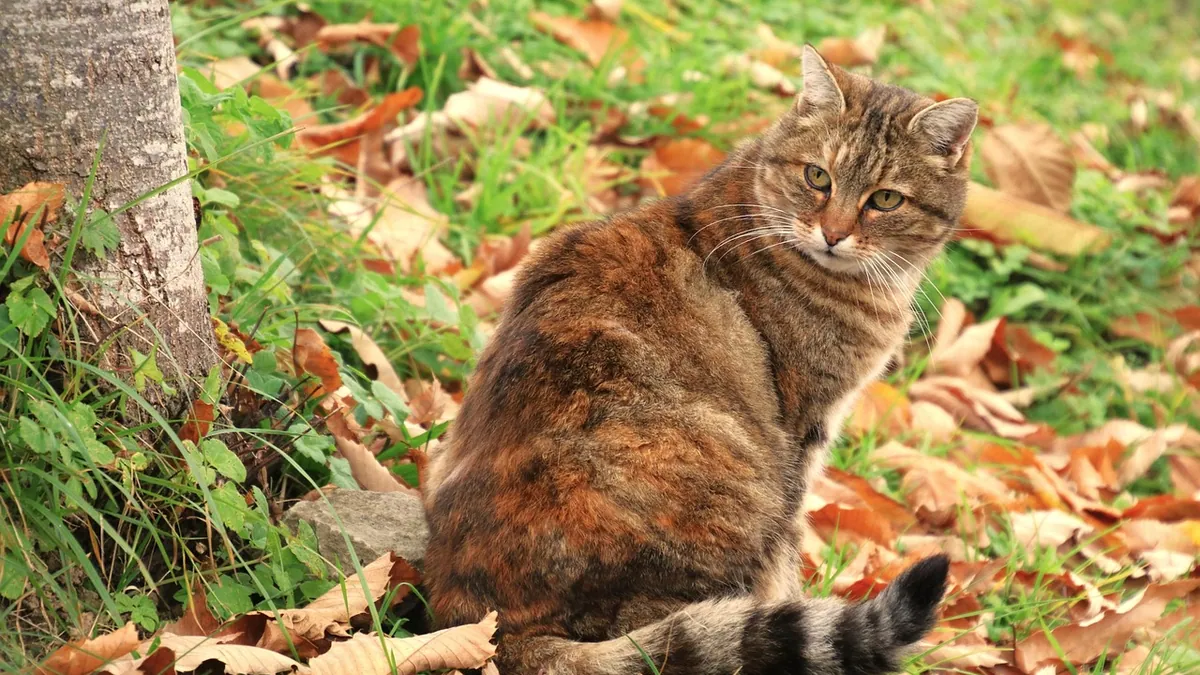
Most maple leaves are not poisonous to cats. The ASPCA lists red maple (Acer rubrum) and its close relatives as non-toxic to cats, even though the same plant is toxic to horses [1]. The real risk in autumn is not the leaf itself but the rare red maple danger tied to wilted leaves, which is a horse problem, not a typical cat problem.
This article is educational and is not a substitute for veterinary diagnosis or treatment.
Quick Answer
- Most maple leaves, including Japanese maple and red maple leaves, are not listed as toxic to cats [1][2][3].
- Red maple (Acer rubrum) is toxic to horses, not to cats or dogs, according to the ASPCA [1].
- The toxic principle in red maple is tannins and gallic acid that intestinal bacteria convert to pyrogallol, and wilted leaves are the most toxic part [1][2].
- If your cat eats a maple leaf, watch for drooling, vomiting, or lethargy, and call your veterinarian or the ASPCA Animal Poison Control Center at (888) 426-4435 if signs appear.
- Do not induce vomiting unless a veterinarian tells you to.
Are Maple Leaves Poisonous to Cats?
For most cats, a fallen maple leaf is not a poison. The ASPCA Animal Poison Control Center lists red maple as non-toxic to cats and dogs, while marking it toxic to horses [1]. That species split matters because many pet owners search for "is maple toxic to cats" after seeing a horse warning online. The warning is real, but it applies to horses.
Several names point to the same tree. Red maple is also called swamp maple, scarlet maple, water maple, and soft maple [1]. Carolina maple and swamp maple records list the same scientific name, Acer rubrum, and the same horse-only toxicity [2][3]. So when you read that "maple is toxic," check which species and which animal the source means.
Japanese maple (Acer palmatum) is a different species from red maple. It is not listed among the toxic plants in the ASPCA records cited here, and there is no cat-specific toxicity data for it in these sources. If your cat nibbles a Japanese maple leaf, the leaf itself is unlikely to be the main concern. Pesticides, fertilizer, mold, and stomach upset from eating any plant matter are more realistic worries.
Red maple leaves are a genuine hazard for horses. Wilted leaves are considered the most toxic form, and death can occur within 18 hours or as long as 7 to 10 days after ingestion in that species [3]. The clinical picture in horses includes damage to red blood cells, weakness, dark urine, and difficulty breathing [1][2]. None of these effects are documented in cats in the ASPCA records.
If you want a broader list of plants that can harm cats, see Plants Toxic To Cats. It helps to know which common garden and household plants carry real risk.
Which Parts and Products Matter
The leaf is the part discussed in the red maple records. Wilted leaves are the most toxic form for horses [1][3]. Fresh leaves, dried leaves, and fallen leaves all come from the same tree, and the toxin concern is tied to the leaf material.
Maple products are a separate question. Maple syrup and maple sap are food products, not the leaf material described in the toxicity records. There is no cat toxicity data for maple syrup in these sources. A cat that licks a drop of syrup is not the same situation as a horse eating wilted red maple leaves.
Maple wood is also different from maple leaves. Chewing on a branch is a mechanical and bacterial concern more than a poisoning concern. Splinters, choking, and mouth injuries are possible with any wood.
The Toxic Principle and What It Does in the Body
Red maple contains tannins and gallic acid. Intestinal bacteria metabolize these compounds into pyrogallol, which is the toxic principle named in the ASPCA records [1][2]. Pyrogallol damages red blood cells. When red blood cells break down, the blood cannot carry oxygen to tissues as well as it should [1].
That oxygen shortage explains the signs seen in horses. The membranes around the eyes and mouth can darken, the animal can become weak, and urine can change color as breakdown products are excreted [1][3]. The same record notes central nervous system depression, abdominal discomfort, and laminitis in horses [1][3].
This mechanism is why wilted leaves matter. Wilting changes the leaf chemistry in a way that increases the danger for horses, and the ASPCA records repeat that wilted leaves are most toxic [1][3]. The dose that causes illness in horses is not the same as a dose for a cat, and no cat dose appears in these records.
For cats, the toxic principle story is different. Cats are not horses. They are smaller, they metabolize many compounds differently, and they are far less likely to eat a pile of leaves. A single nibble is not the same exposure as a horse grazing on wilted branches.
Plant poisoning in cats and dogs is documented worldwide, and most cases involve common ornamental garden and house plants [4]. Indoor plant poisoning is a recognized threat to companion animals because pets spend so much time in the home [5]. Maple leaves are not the leading concern in that literature. Lilies, cycads, and plants with cardiac glycosides are the more serious cat risks.
Signs and Their Typical Timeline
Signs of plant poisoning in cats can include vomiting, drooling, lethargy, and loss of appetite. These are general signs, and they overlap with many other problems. A cat that eats a leaf and vomits once may simply have an upset stomach.
For red maple in horses, the timeline is documented. Death can occur within 18 hours or as long as 7 to 10 days after ingestion [3]. That timeline is for horses, not cats, and it should not be applied to your cat.
If your cat ate a maple leaf, watch for these signs over the next few hours:
- Vomiting or retching
- Drooling or pawing at the mouth
- Refusing food or treats
- Unusual tiredness or hiding
- Pale, dark, or yellow gums
- Fast breathing or trouble breathing
- Dark or discolored urine
Any of these signs deserves a call to your veterinarian. Dark gums, trouble breathing, or collapse are emergencies. Call ahead so the clinic can prepare.
Grayanotoxin poisoning from Ericaceae plants is a useful comparison for how plant poisonings look in companion animals. A review of 31 records found 11 companion animal cases, including cats, with retching, regurgitation, and vomiting as common signs [6]. That is a different plant family, but it shows the pattern: plant poisonings in cats often show up as stomach upset first.
What to Do Right Now
If your cat just ate a maple leaf, stay calm and remove any remaining leaf material from reach. Check the mouth for pieces stuck between the teeth or under the tongue. Do not pull at anything lodged deep in the throat.
Call your veterinarian, the ASPCA Animal Poison Control Center at (888) 426-4435, or Pet Poison Helpline at (855) 764-7661. Have the following ready:
- Your cat's age, weight, and any health conditions
- What the cat ate and how much
- When it happened
- Any signs you have seen
- Any medications your cat takes
Do not induce vomiting unless a veterinarian tells you to. Vomiting can cause aspiration, and it can be dangerous if the cat is already weak or having trouble breathing. Some substances should not be brought back up.
Do not give milk, oil, activated charcoal, or home remedies. These can make things worse or delay proper care.
If your cat is breathing normally and acting fine, you can still call for advice. Poison control lines can help you decide whether a veterinary visit is needed. If your cat is having trouble breathing, collapse, or seizures, go to an emergency clinic now.
Veterinary Treatment
Treatment depends on what your cat ate and how it is acting. A veterinarian will start with a physical exam and questions about the exposure. If the cat is stable, the visit may be short.
If signs are present, the veterinarian may run blood work to check red blood cells, organ values, and hydration. Oxygen therapy and intravenous fluids may be needed in serious cases. The veterinarian calculates any medication dose from your cat's weight and health, so no dose is given here.
If a cat has eaten a plant that causes red blood cell damage, treatment focuses on supporting oxygen delivery and monitoring the blood count. This is standard veterinary care, and the exact plan depends on the individual cat.
For most cats that nibble a maple leaf, treatment is not needed. The veterinarian may advise monitoring at home and calling back if signs appear. That advice is common for low-risk plant exposures.
Outlook
The outlook for a cat that eats a maple leaf is generally good. The ASPCA lists red maple as non-toxic to cats, so a small exposure is unlikely to cause poisoning [1]. Most cats that eat a leaf have mild stomach upset or no signs at all.
The outlook is more serious for horses exposed to wilted red maple leaves. That is where the documented deaths occur [3]. If you keep horses, keep wilted red maple material out of pastures.
If your cat has an underlying health problem, the outlook can change. Cats with anemia, heart disease, or kidney disease may handle any plant exposure less well. Tell your veterinarian about these conditions when you call.
Prevention and Safer Alternatives
Prevention is simple. Rake and remove fallen leaves from areas your cat can reach. If your cat goes outside, supervise it or keep it in a catio. Indoor cats are less likely to eat outdoor leaves, but they can still nibble houseplants.
Check your houseplants against a reliable list. See House Plants Toxic To Cat for common indoor risks. If you are unsure what a plant is, take a photo and ask your veterinarian.
Safer alternatives for a cat that likes to chew plants include cat grass and catnip. Offer these in a pot the cat can reach. Rotate them so the plants stay fresh.
Keep compost, yard waste, and raked leaf piles away from pets. Wilted leaves are the most toxic form for horses, and keeping them out of reach is the simplest control [1][3].
If you have both cats and horses, separate their areas. Horse pastures should be cleared of red maple branches and wilted leaves. Cat outdoor areas should be free of piles of unknown plant material.
For more on flowers that can harm cats, see Flowers That Are Toxic To Cats and Flowers Toxic To Cats. These lists help you choose safe plants for a cat-friendly home.
Limitations and When to Contact a Veterinarian
The ASPCA records cited here cover red maple and its close relatives. They do not cover every maple species, and they do not give a cat dose. If you cannot identify the tree, treat the exposure as unknown and call for advice.
Contact your veterinarian the same day if your cat ate a leaf and then vomited, drooled, or seemed tired. Contact an emergency clinic now if your cat has trouble breathing, pale or dark gums, collapse, or seizures. A routine visit is reasonable if your cat is acting normal but you want a professional opinion.
A single article cannot cover every cat. Individual cases need a veterinarian who can examine your cat, ask questions, and decide on testing or treatment. When in doubt, call.
Frequently Asked Questions
Are Japanese maple leaves toxic to cats?
Japanese maple is not listed as toxic to cats in the ASPCA records cited here. The red maple records name Acer rubrum, which is a different species [1]. If your cat eats a Japanese maple leaf, watch for stomach upset and call your veterinarian if signs appear.
Are red maple leaves toxic to cats?
Red maple is listed as non-toxic to cats and dogs, but toxic to horses [1]. The horse danger is tied to wilted leaves and red blood cell damage [1][2]. Cats are not horses, so the same leaf is not expected to cause that syndrome in your cat.
Is maple toxic to cats in any form?
The ASPCA records list red maple as non-toxic to cats [1]. Maple syrup and maple wood are not the leaf material described in those records. If your cat eats a maple product, call your veterinarian or a poison control line for guidance.
Are maple leaves dangerous to cats if they are wilted?
Wilted leaves are the most toxic form for horses [1][3]. There is no cat data showing the same effect. Still, keep wilted leaves away from cats because mold, bacteria, and pesticides on fallen leaves can cause stomach upset.
What should I do if my cat ate a maple leaf?
Remove any remaining leaf material and check your cat's mouth. Call your veterinarian, the ASPCA Animal Poison Control Center at (888) 426-4435, or Pet Poison Helpline at (855) 764-7661 if you are worried. Do not induce vomiting unless a veterinarian tells you to.
Related Articles
- Plants Toxic To Cats
- Flowers That Are Toxic To Cats
- Flowers Toxic To Cats
- House Plants Toxic To Cat
- House Plants Toxic To Cats Pictures
- What Plants Can Be Toxic To Cats
- Are Oak Leaves Toxic to Cats? Acorns, Leaves, and Trees
- Is Holly Toxic to Cats? Berries, Leaves, and Signs
- Is Ivy Toxic to Cats? English, Devil's and Swedish Ivy
References
- Toxic and Non-toxic Plants: Red Maple. ASPCA Animal Poison Control Center.
- Toxic and Non-toxic Plants: Carolina Maple. ASPCA Animal Poison Control Center.
- Toxic and Non-toxic Plants: Swamp Maple. ASPCA Animal Poison Control Center.
- Potential plant poisonings in dogs and cats in southern Africa. Journal of the South African Veterinary Association, 2009.
- Indoor Companion Animal Poisoning by Plants in Europe. Frontiers in veterinary science, 2020.
- Grayanotoxin poisoning in animals following the ingestion of Ericaceae plants. Veterinary journal (London, England : 1997), 2026.