Are Macadamia Leaves Poisonous to Pets?
By Dr. Zubair Khalid, DVM, MS, PhD ·
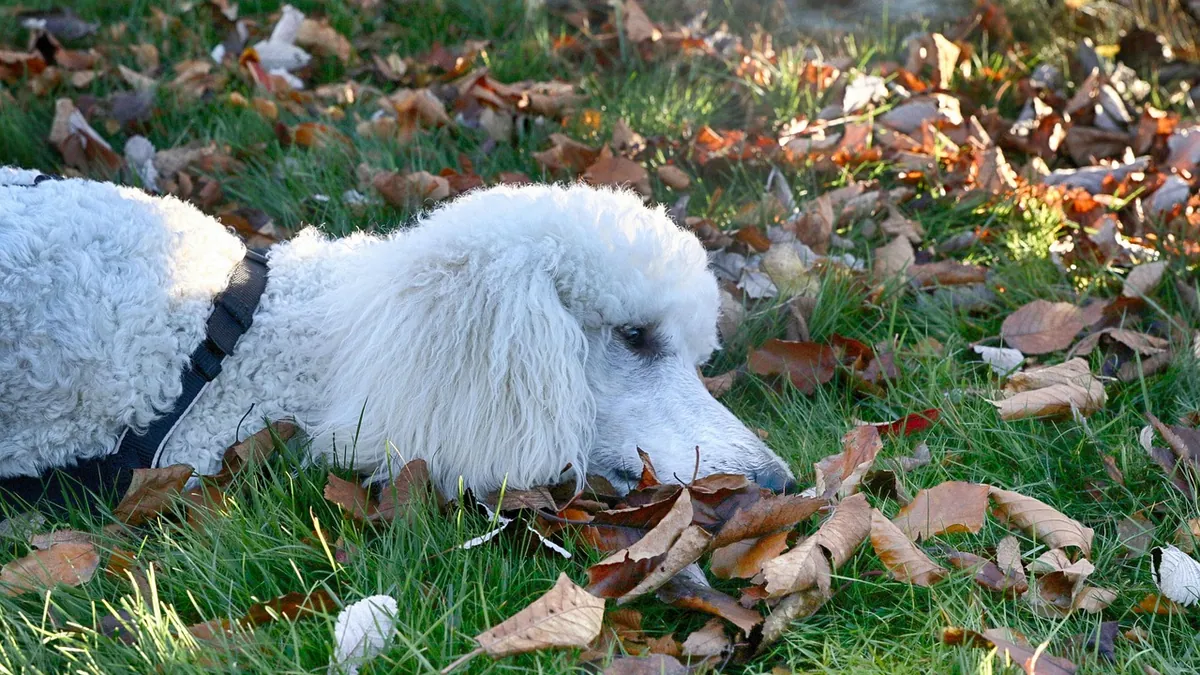
Are macadamia leaves poisonous to pets? The honest answer is that we do not have a clear one. Veterinary toxicology has focused almost entirely on the nuts, and the ASPCA lists the macadamia nut plant as toxic to dogs without naming the leaves as the problem part [1]. This article is educational and is not a substitute for veterinary diagnosis or treatment.
Quick Answer
- The well-documented danger is the nut, not the leaf. Dogs develop weakness, vomiting, tremors, and depression after eating macadamia nuts [1][2].
- The toxic principle in macadamia is unknown, so no one can say with certainty whether leaves carry the same risk [1][2].
- Cats are not listed as a toxic species for macadamia on the ASPCA record, which lists dogs only [1]. That does not prove leaves are safe for cats.
- If your pet chewed or swallowed macadamia leaves, call your veterinarian, the ASPCA Animal Poison Control Center at (888) 426-4435, or Pet Poison Helpline at (855) 764-7661 for guidance.
- Do not induce vomiting unless a veterinarian tells you to.
Are Macadamia Leaves Poisonous? What We Actually Know
Macadamia is a tree, not a houseplant. Two species matter in the United States. Macadamia integrifolia is grown in the continental US, and M tetraphylla is grown in Hawaii and Australia [2]. Homeowners in warm climates plant them as ornamentals and for the nuts. That means pets in those yards have access to bark, leaves, husks, shells, and fallen nuts.
The ASPCA Animal Poison Control Center lists the macadamia nut plant as toxic to dogs, with an unknown toxic principle and clinical signs of depression, weakness (especially of the rear limbs), vomiting, and tremors [1]. The record does not single out leaves as the toxic part, and it does not list cats as an affected species [1].
That gap matters. A plant being listed as toxic does not automatically mean every part is equally dangerous. In many toxic plants, the toxin concentrates in one part, such as the seed, bulb, or fruit. With macadamia, the documented cases involve the nuts [2][3][4]. Whether the leaves contain the same agent at a meaningful amount is not well established in veterinary research.
So the practical answer for an owner standing in the yard is this. Treat macadamia leaves as a possible risk, not a proven one. Keep pets away from the tree, and call for advice if they eat the leaves or the nuts.
Macadamia Leaves and Dogs
For dogs, the nut is the known problem. Macadamia nut toxicosis is a syndrome that appears after a dog eats macadamia nuts, and it causes vomiting, weakness, hyperthermia, and central nervous system depression [2]. Dogs have shown signs after eating nuts at 2.4 g/kg, and dogs dosed experimentally at 20 g/kg developed signs within 12 hours and were normal without treatment within 48 hours [2].
Leaves are a different question. There is no established toxic dose for macadamia leaves in dogs, and no recognized syndrome tied to leaf ingestion. If your dog chews a leaf, the more likely issues are mild stomach upset or a foreign body concern if a large amount is swallowed. If your dog eats the nuts, that is the scenario with real case data behind it. Our guide on Can Dogs Eat Macadamia Nuts? Neurotoxin Emergency Guide covers that situation in detail.
Macadamia Tree Leaves and Cats
The ASPCA record lists macadamia as toxic to dogs and does not list cats [1]. Cats are generally more selective eaters and plant poisoning is reported less often in cats than in dogs [3]. That is a pattern, not a guarantee.
If your cat nibbles a macadamia leaf, watch for vomiting, drooling, lethargy, or wobbliness. Call your veterinarian if any of those appear. Do not assume the leaf is harmless just because cats are not on the toxic species list.
The Toxic Principle and What It Does in the Body
The mechanism of macadamia toxicity is not known [2]. That is the central fact of this whole topic. When the toxic principle itself is unidentified, you cannot reason from chemistry about which plant parts contain it or how much it takes to cause signs.
What veterinarians do know is the pattern of illness in dogs after nut ingestion. Signs include weakness, central nervous system depression, vomiting, ataxia, tremors, and hyperthermia, typically within 12 hours [2]. Tremors may be secondary to muscle weakness [2]. The rear limb weakness is distinctive enough that it is called out specifically in the ASPCA listing [1].
Because the agent is unknown, there is no antidote and no blood test that confirms macadamia exposure. Diagnosis rests on the history (did the pet get into macadamia nuts or plant material?) plus the signs, and macadamia nuts may be visible in vomit or stool [2].
Signs to Watch For and the Typical Timeline
Signs of macadamia nut toxicosis in dogs usually start within 12 hours of ingestion [2]. They include:
- Vomiting
- Weakness, often most obvious in the rear legs
- Depression or lethargy
- Wobbliness and trouble walking
- Tremors
- Elevated body temperature
Most cases are mild and self-limiting, and dogs are often clinically normal within 48 hours without treatment [2]. More severe cases may need intravenous fluids, pain medication, or fever-reducing medication [2].
For leaves, there is no published timeline because there is no established leaf syndrome. If signs appear after leaf chewing, they are most likely to be stomach upset, though a large swallowed leaf or stem could cause choking or a blockage. That is a mechanical problem, not a poisoning problem, and it needs a veterinary exam.
If you are trying to judge how much nut exposure matters, our article My Dog Ate a Macadamia Nut: How Many Are Dangerous? walks through that decision.
What to Do Right Now
First, take the plant material away from your pet and check the mouth for any leaves or stems still lodged there.
Second, figure out what was actually eaten. Nuts, husks, and shells are the higher concern. A single chewed leaf is a lower concern, but you still want advice.
Third, call for guidance. Your options are your own veterinarian, the ASPCA Animal Poison Control Center at (888) 426-4435, or Pet Poison Helpline at (855) 764-7661. Both poison control services charge a consultation fee, and they can tell you whether your pet needs to be seen.
Fourth, do not induce vomiting unless a veterinarian tells you to. Making a pet vomit when it should not can cause harm, and with an unknown toxic principle there is no reliable home decontamination step.
Fifth, save evidence. Keep a few nuts, leaves, or a photo of the plant so your veterinarian can confirm what you are dealing with.
If your pet is already weak, wobbly, vomiting repeatedly, or having tremors, skip the phone call and go to the nearest emergency clinic.
How Veterinarians Treat Macadamia Exposure
For nut toxicosis, no specific treatment is typically required because signs are generally mild and resolve on their own [2]. Dogs with more severe signs may benefit from intravenous fluids, analgesics, or antipyretics [2].
In practice, that means supportive care. Your veterinarian may give fluids for hydration, medication to control vomiting, and treatment to bring down a high body temperature. Tremors and agitation may be managed with sedation or muscle relaxants at the veterinarian's discretion. The dose and choice of any medication are calculated from your pet's weight and health status, so there is no home dose to memorize.
If a pet swallowed a large amount of plant material, the veterinarian may also assess for a gastrointestinal obstruction. That evaluation can include an examination, bloodwork, and imaging.
Outlook After Macadamia Exposure
For nut toxicosis in dogs, the outlook is good. Experimentally dosed dogs were clinically normal without treatment within 48 hours [2]. Most pets recover fully with monitoring or supportive care.
For leaves, the outlook depends on what actually happened. A chewed leaf with no signs is reassuring. Ongoing vomiting, weakness, or tremors means the pet needs to be seen, and the prognosis is set by the examination findings, not by the plant alone.
Prevention and Safer Alternatives
The simplest prevention is access control. Rake and remove fallen nuts, husks, and leaves from areas your pet uses. Fence off the tree if you can. Do not leave macadamia nuts, macadamia butter, or baked goods containing macadamia where a dog can reach them.
If you want a pet-safe yard, choose plants that are not on toxic plant lists. Our guide to Plants Poisonous To Dogs can help you screen what is already growing. If you are also worried about non-plant items your pet picks up, My Dog Ate a Pen: Is It Toxic or Just a Blockage Risk? explains how veterinarians sort toxic risks from obstruction risks.
Keep in mind that food-related poisonings in dogs and cats often happen because owners do not know a common human food is dangerous [4]. Macadamia nuts are on that list alongside chocolate, onions, garlic, grapes, raisins, xylitol, alcohol, and raw bread dough [4]. A little prevention goes a long way.
Limitations and When to Contact a Veterinarian
The honest limitation here is that macadamia leaf toxicity is not well established in veterinary research. The ASPCA lists the macadamia nut plant as toxic to dogs with an unknown toxic principle [1], and the documented syndrome involves the nuts [2]. No one can give you a clean yes or no about leaves. Individual cases need a veterinarian who can examine your pet and take the history.
Contact a veterinarian the same day if your pet ate macadamia nuts, ate a large amount of leaves or plant material, or has mild vomiting or one episode of loose stool.
Go to an emergency clinic now if your pet has rear limb weakness, cannot stand, is having tremors, is depressed or unresponsive, is vomiting repeatedly, or feels hot to the touch.
Schedule a routine visit if your pet chewed a leaf, seems completely normal, and you want reassurance or a plan for keeping the tree out of reach.
Frequently Asked Questions
Are macadamia leaves poisonous to dogs?
There is no established toxic dose or syndrome for macadamia leaves in dogs, so the risk is not clearly defined. The documented danger is the nut, which causes vomiting, weakness, depression, tremors, and elevated body temperature in dogs [1][2]. Treat leaves as a possible irritant and call your veterinarian if your dog eats them.
Are macadamia leaves toxic to cats?
Cats are not listed as a toxic species on the ASPCA macadamia record, which names dogs only [1]. That is not proof of safety, and plant poisonings in cats are documented worldwide [3]. Watch for vomiting, drooling, or lethargy and call your veterinarian if signs appear.
What part of the macadamia plant is actually toxic?
The nuts are the part tied to reported illness in dogs [2][3][4]. The toxic principle itself is unknown, so it is not possible to say which other plant parts contain it or in what amount [1][2]. Leaves, husks, shells, and bark have not been studied the way the nuts have.
How long do macadamia poisoning signs take to appear?
Signs in dogs typically develop within 12 hours of eating macadamia nuts [2]. Most dogs return to normal without treatment within 48 hours [2]. If signs are still going strong past that window, or are getting worse, your pet needs to be seen.
Should I make my pet vomit after eating macadamia leaves?
No. Do not induce vomiting unless a veterinarian tells you to. With an unknown toxic principle there is no reliable home decontamination step, and vomiting can cause harm in some pets. Call your veterinarian or a poison control service first and follow their instructions.
Related Articles
- Can Dogs Eat Macadamia Nuts? Neurotoxin Emergency Guide
- My Dog Ate a Macadamia Nut: How Many Are Dangerous?
- Plants Poisonous To Dogs
- Can Dogs Eat Macadamia Nuts?
- My Dog Ate a Pen: Is It Toxic or Just a Blockage Risk?
- Dog Ate Toxic Plant
- Are Macadamia Nuts Toxic to Cats? Oil and Nut Safety
- Are Oak Leaves Toxic to Dogs?
- Are Maple Leaves Toxic to Dogs? Red, Sugar, and More
References
- Toxic and Non-toxic Plants: Macadamia Nut. ASPCA Animal Poison Control Center.
- Macadamia Nut Toxicosis in Dogs - Toxicology. Merck Veterinary Manual.
- Potential plant poisonings in dogs and cats in southern Africa. Journal of the South African Veterinary Association, 2009.
- Household Food Items Toxic to Dogs and Cats. Frontiers in veterinary science, 2016.