Are Oak Leaves Toxic to Cats? Acorns, Leaves, and Trees
By Dr. Zubair Khalid, DVM, MS, PhD ·
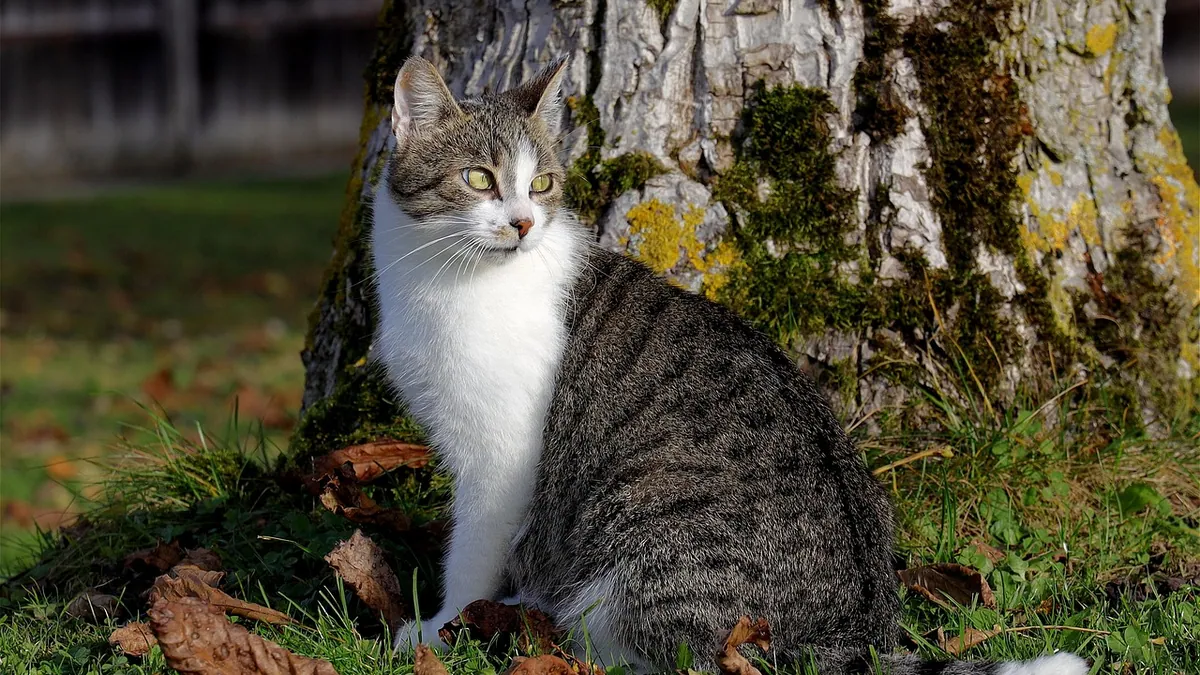
Are oak leaves toxic to cats? Yes. Oak leaves, acorns, bark, and buds contain tannins that can cause gastrointestinal and kidney problems in cats [1][2]. Most oak species in North America are considered toxic, and dried leaves on the ground in fall are a common source of exposure [2].
This article is educational and is not a substitute for veterinary diagnosis or treatment.
Quick Answer
- Every part of the oak tree (leaves, acorns, bark, buds) contains tannins that are toxic to cats [1][2].
- Dried, fallen oak leaves are still toxic and are a common fall hazard, so do not assume brown leaves are safe.
- Signs usually appear several days after a cat eats a large amount of young leaves or green acorns [2].
- Call your veterinarian, the ASPCA Animal Poison Control Center at (888) 426-4435, or Pet Poison Helpline at (855) 764-7661 right away if you think your cat ate oak.
- Do not make your cat vomit unless a veterinarian tells you to.
Are Oak Trees Poisonous to Cats?
Oak trees are poisonous to cats. The oak genus (Quercus) includes hundreds of species and hybrids, and most species in Europe and North America are considered toxic [2]. About 90 native oak species grow in the United States [3].
The ASPCA lists oak as toxic, with gallotannin as the toxic principle [1]. The Merck Veterinary Manual notes that most animals are susceptible to oak poisoning, and the death rate is often high when large amounts are eaten [2].
Which Parts of the Oak Are Toxic?
All the above-ground parts of the tree can cause problems:
- Leaves. Young spring leaves are especially dangerous [2].
- Acorns. Green acorns in the fall are a common culprit, and acorns can also block the digestive tract [1][2].
- Bark and buds. Oak bud poisoning is serious enough that it has its own name in veterinary references [2].
Are Dried Oak Leaves Toxic to Cats?
Yes, dried oak leaves are toxic to cats. The tannins do not disappear when the leaves turn brown and fall. In fact, fall is one of the two peak seasons for oak poisoning, along with spring when young leaves emerge [2]. If your cat spends time outdoors or you track leaves inside on your shoes, a pile of dried oak leaves is a real risk.
Are Acorns Dangerous?
Acorns are dangerous for two reasons. First, they contain the same tannins as the leaves [1]. Second, a swallowed acorn can physically obstruct the digestive tract, which is a surgical problem [1]. Cats are less likely than dogs to gulp down acorns, but kittens and curious cats do chew on them.
What Is the Toxic Principle in Oak?
The toxic principle is gallotannin, a type of tannin [1]. When a cat eats oak material, the tannins bind proteins in the gut and are absorbed into the bloodstream. The toxin causes gastrointestinal and kidney problems [2].
In simple terms, the tannins irritate and damage the lining of the digestive tract, then the kidneys take the hit as the body tries to clear the toxin. That is why the signs you see involve both the gut (vomiting, diarrhea, constipation) and the urinary system (drinking more, urinating more, discolored urine) [1][2].
Signs of Oak Poisoning in Cats
Signs occur several days after eating large quantities of young oak leaves in the spring or green acorns in the fall [2]. This delay matters. A cat can look fine for a day or two and then get sick.
Early Signs
- Loss of appetite [2]
- Depression or low energy [1][2]
- Constipation, which can come before diarrhea [1][2]
Signs That Develop as Poisoning Progresses
- Abdominal pain [1]
- Diarrhea, sometimes bloody or slimy [1][2]
- Weight loss and dehydration [2]
- Urgent, painful defecation [2]
- Excessive thirst and passing large amounts of urine [1][2]
- Discolored urine or blood in the urine [1][2]
- Jaundice (yellow tint to the gums, skin, or whites of the eyes) [1][2]
- An ammonia smell on the breath [2]
- Clear discharge from the eyes or nose [2]
Timeline
The timeline is usually days, not minutes. Signs typically show up several days after a large ingestion [2]. Small nibbles may cause mild stomach upset that you notice within a day or two. Large ingestions can progress to kidney damage, and the death rate is often high in untreated cases [2].
If you saw your cat eat oak material, do not wait for signs to appear. Call for advice right away.
What to Do Right Now
- Move your cat away from the oak material. Pick up acorns and leaves, and put your cat in a clean, safe room.
- Call for help. Contact your veterinarian, the ASPCA Animal Poison Control Center at (888) 426-4435, or Pet Poison Helpline at (855) 764-7661. These lines are staffed for exactly this situation.
- Do not induce vomiting unless a veterinarian tells you to. Making a cat vomit at home can cause aspiration, choke injuries, or make things worse.
- Do not give human medications. Never give ibuprofen, acetaminophen, or any other human drug to a cat.
- Save a sample. If you can, keep a piece of the leaf or acorn your cat chewed so your veterinarian can confirm what it was.
- Offer water. Cats with oak poisoning can become dehydrated and thirsty [2]. Fresh water is fine unless your veterinarian says to withhold it.
If your cat is already vomiting, weak, or not eating, skip the phone call and go to an emergency clinic.
How Veterinarians Treat Oak Poisoning in Cats
There is no antidote for oak poisoning. Treatment is supportive and focuses on protecting the kidneys and gut while the toxin clears.
Your veterinarian will likely start with a physical exam and bloodwork, including kidney values and electrolytes. Treatment may include:
- Intravenous fluids. This is the mainstay. Fluids support kidney function and correct dehydration.
- Medications for stomach upset and diarrhea. These ease symptoms but do not remove the toxin.
- Activated charcoal or a stomach tube. If the ingestion was recent, your veterinarian may flush the stomach or give charcoal to bind what is left. This is a clinic procedure, not something to try at home.
- Diet support. Small, bland meals once your cat can eat again.
- Monitoring. Repeat bloodwork to track kidney values over the next few days.
If an acorn is blocking the digestive tract, surgery may be needed [1].
The exact treatment plan and any medication doses are calculated by your veterinarian based on your cat's weight, bloodwork, and how much oak material was eaten.
Outlook for Cats That Eat Oak
The outlook depends on how much was eaten and how quickly treatment starts. Signs appear several days after a large ingestion, and the death rate is often high in untreated cases [2]. Cats treated early, before kidney damage sets in, tend to do better.
Cats that only chewed a small piece of leaf often have mild stomach upset and recover with supportive care. Cats that ate a large amount of young leaves or many acorns face a more serious situation, especially if kidney values are already abnormal.
Ask your veterinarian for a realistic prognosis after the first set of blood tests. That gives you the clearest picture.
Prevention and Safer Alternatives
Prevention is simple once you know where the risk is.
- Rake and remove fallen oak leaves and acorns. Do this often in the fall, especially in yards where your cat roams.
- Keep cats indoors or supervise outdoor time. This is the single most effective step.
- Wipe paws and shoes. Dried leaf fragments can come inside on shoes, paws, and gardening gear.
- Do not use oak branches or acorns in cat-safe décor. Acorns in bowls or wreaths are within reach of a curious cat.
- Check your houseplants too. Many common house and garden plants are toxic to cats. For a broader list, see Plants Toxic To Cats and What Plants And Flowers Are Toxic To Cats.
Are Apple Tree Leaves Toxic to Cats?
Apple tree leaves are not on the ASPCA toxic plant list, and the fruit itself is generally considered safe for cats in small amounts (seeds contain a different compound and should not be eaten). If you are choosing trees for a yard your cat uses, apple is a far safer pick than oak.
Are Other Tree Leaves Poisonous to Cats?
Some are, some are not. The safest approach is to check each plant by name before you let your cat near it. For a full rundown of toxic plants and flowers, see What Plants Can Be Toxic To Cats and Flowers That Are Toxic To Cats.
Limitations and When to Contact a Veterinarian
This article covers the general pattern of oak poisoning in cats. Individual cases need a veterinarian who can examine your cat, run bloodwork, and decide on treatment.
Contact a veterinarian the same day if your cat:
- Ate oak leaves, acorns, or bark, even if they seem fine right now
- Has vomited more than once or has diarrhea
- Is eating less than usual or seems depressed
- Is drinking and urinating more than normal
Go to an emergency clinic now if your cat:
- Is weak, wobbly, or collapsed
- Has blood in the urine or stool
- Has yellow gums, skin, or eyes
- Is breathing fast or has a swollen, painful belly
- Has not eaten or drunk for more than 24 hours
Schedule a routine visit if:
- Your cat chewed a tiny piece of oak leaf days ago and now has mild, on-and-off stomach upset
- You want bloodwork to confirm kidney values are normal after a possible exposure
When in doubt, call. Poison control lines and veterinarians would much rather answer a worried phone call than treat a cat that waited too long.
Frequently Asked Questions
Can a cat get sick from just one oak leaf?
A single small leaf is unlikely to cause serious poisoning in an adult cat. The risk goes up with the amount eaten, and young spring leaves are the most dangerous [2]. If your cat ate one leaf, call your veterinarian for advice and watch for vomiting, diarrhea, or appetite loss.
Do I need to worry about oak leaves in the fall?
Yes. Fall is one of the two peak seasons for oak poisoning because green acorns drop and dried leaves pile up [2]. Dried leaves keep their tannins, so a cat rolling in or chewing on a leaf pile is still exposed.
Can oak poisoning cause kidney failure in cats?
Yes. The toxin in oak causes gastrointestinal and kidney problems [2]. Signs like excessive thirst, large amounts of urine, and blood in the urine point to kidney involvement [1][2]. Early fluid treatment gives the kidneys the best chance to recover.
Are oak trees safe to have in a yard with cats?
An oak tree itself is not a hazard if your cat cannot reach the leaves, acorns, or bark. The problem is the fallen material. If you cannot keep the ground clear during spring and fall, an oak tree is a poor choice for a cat-accessible yard.
What should I do if I am not sure my cat ate oak?
Call the ASPCA Animal Poison Control Center at (888) 426-4435 or Pet Poison Helpline at (855) 764-7661 and describe what you saw. They can help you decide whether you need an exam or can monitor at home. Do not wait for symptoms before you make the call.
Related Articles
- Plants Toxic To Cats
- What Plants And Flowers Are Toxic To Cats
- Flowers That Are Toxic To Cats
- What Plants Can Be Toxic To Cats
- What Flowers Are Toxic To Cats
- House Plants Toxic To Cat
- Are Maple Leaves Poisonous to Cats?
- Is Holly Toxic to Cats? Berries, Leaves, and Signs
- Are Azaleas Toxic to Cats? Flowers, Leaves, and Bushes
References
- Toxic and Non-toxic Plants: Oak. ASPCA Animal Poison Control Center.
- Quercus Poisoning (Oak Bud Poisoning, Acorn Poisoning) - Special Pet Topics. Merck Veterinary Manual.
- Oak Toxicosis in Animals - Toxicology. Merck Veterinary Manual.