Is Caffeine Toxic to Dogs and Cats? Signs and What to Do
By Dr. Zubair Khalid, DVM, MS, PhD ·
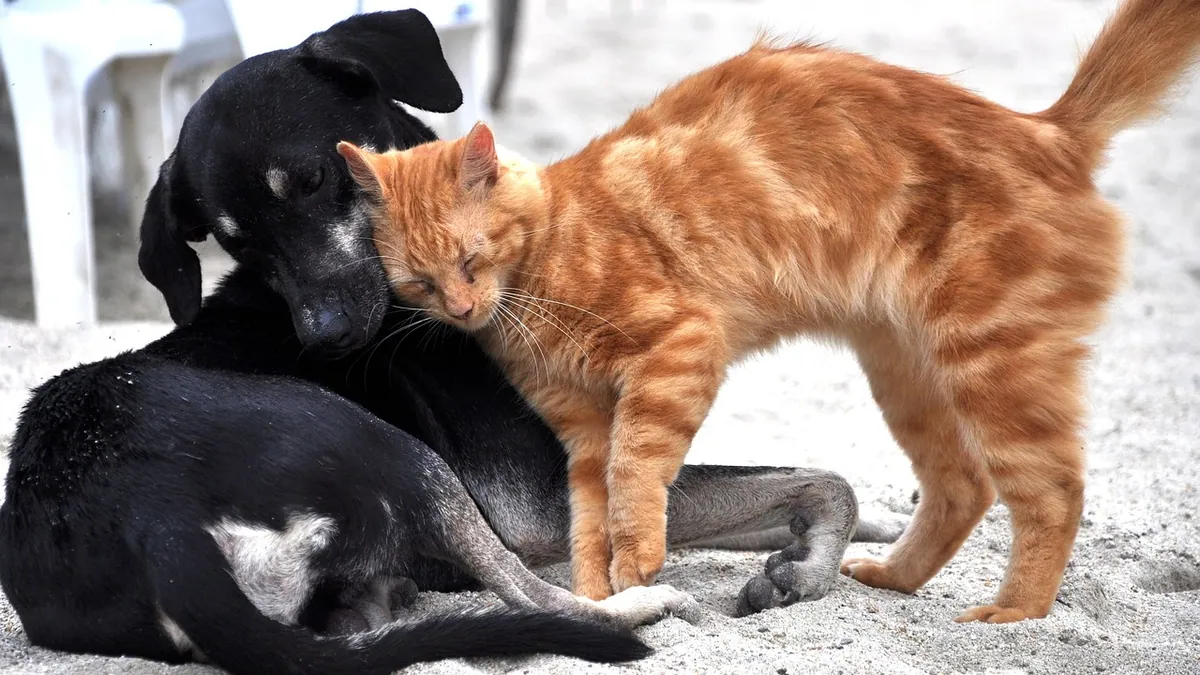
Yes, caffeine is toxic to dogs and cats, and pets are far more sensitive to it than people are [1]. A couple of laps of spilled coffee or soda usually will not poison a pet, but coffee grounds, used tea bags, and diet pills can easily cause serious poisoning or death in a small dog or cat [1]. This article is educational and is not a substitute for veterinary diagnosis or treatment.
Quick Answer
- Caffeine is a stimulant that speeds up the heart and nervous system, and pets are more sensitive to it than humans [1][2].
- The most dangerous sources are coffee grounds, used tea bags and tea pods, coffee pods, diet pills, energy drinks, and soda [1][2].
- Early signs include restlessness, pacing, vocalizing, vomiting, and a fast heart rate, and they often start within a few hours of ingestion [2].
- Call your veterinarian, the ASPCA Animal Poison Control Center at (888) 426-4435, or Pet Poison Helpline at (855) 764-7661 right away if your pet ate caffeine.
- Do not induce vomiting unless a veterinarian tells you to.
Is Caffeine Toxic to Dogs and Cats?
Yes. Caffeine is poisonous to dogs and cats, and the dose matters more than the type of product [1]. Pets are more sensitive to caffeine than people are, so a serving that barely affects you can cause real problems for a small animal [1]. While one or two laps of coffee, tea, or soda will not contain enough caffeine to poison most pets, eating moderate amounts of coffee grounds, tea bags, or one or two diet pills can easily cause death in small dogs or cats [1].
Which Products Contain Caffeine
Caffeine shows up in more places than most owners expect. It is most commonly found in coffee, coffee grounds, tea, used tea bags, soda, energy drinks, and diet pills [1]. Coffee and green tea pods are also dangerous for dogs [2]. Caffeine can also appear in medications, energy bars, and herbal products, and a very small amount is present in chocolate [3].
Chocolate deserves a special mention because it contains theobromine, a sister compound to caffeine with similar effects [3]. Theobromine and caffeine are both methylxanthines, a group that also includes theophylline, an asthma drug [3]. That means a pet who eats chocolate and coffee together may be getting a double dose of stimulant chemicals. If your dog has been into the coffee can, see Can Dogs Eat Coffee Grounds? Caffeine Toxicity and Seizure. If your cat licked up a mug of green tea, see Can Cats Eat Green Tea? Catechin Caffeine Toxicity.
Is Coffee Toxic to Dogs and Cats?
Coffee is toxic to dogs and cats because of its caffeine content, and the form matters. Brewed coffee is dilute, so a few laps are usually not enough to poison a pet [1]. Coffee grounds and coffee pods are concentrated and far more dangerous [1][2]. A dog who raids the compost or trash for used grounds is at much higher risk than one who bumps a mug.
Is Caffeine Toxic to Cats and Dogs at the Same Dose?
Both species are sensitive, and small body size is the main reason cats and small dogs get into trouble with smaller amounts [1]. Cats are often pickier eaters, so caffeine poisoning in cats more often follows spills, dropped pills, or a cat walking through a puddle of coffee or energy drink and grooming it off. A published case report describes caffeine being used deliberately by veterinarians as a respiratory stimulant in a ventilated cat, which shows how powerful and dose-dependent this drug is in cats [4].
What Caffeine Does in the Body
Caffeine is a central nervous system stimulant [2]. It works by blocking adenosine receptors, which are found on neurons and glial cells in brain areas that help control mood and arousal [5]. By blocking the brake pedal that adenosine normally provides, caffeine revs up the nervous system.
The result in pets is a body running too fast. Caffeine raises heart rate and blood pressure, and it can trigger cardiac arrhythmias (abnormal heart rhythms) [2]. Pets may become agitated, pace, or vocalize excessively [2]. Tremors, convulsions, vomiting, diarrhea, and loss of muscle control are also possible [2]. Because caffeine is a methylxanthine like theobromine, the effects overlap with chocolate poisoning [3].
Signs of Caffeine Poisoning and the Timeline
Signs are driven by stimulation of the nervous system and heart. Watch for:
- Restlessness, agitation, pacing, or excessive vocalizing [2]
- A fast or irregular heart rate, and elevated blood pressure [2]
- Vomiting and diarrhea [2]
- Tremors, twitching, or loss of muscle control [2]
- Convulsions or seizures [2]
- Collapse in severe cases [1]
In an experimental study of acute caffeine intoxication, clinical signs included renal, neurological, gastrointestinal, and respiratory symptoms that generally began within a few minutes and lasted for a few hours [6]. In real-world pet poisonings, signs often appear within one to a few hours of ingestion, and they can worsen quickly. Mild restlessness or a slightly elevated heart rate carries a good outlook, while collapse and seizures carry a poor outlook [1].
What to Do Right Now
If you saw your pet eat or drink caffeine, act immediately. Time matters because signs can progress fast.
- Move your pet away from the source. Pick up the coffee grounds, tea bags, pills, or can so your pet cannot eat more.
- Call for help. Contact your veterinarian, the ASPCA Animal Poison Control Center at (888) 426-4435, or Pet Poison Helpline at (855) 764-7661. Have the product label ready and tell them what your pet ate, how much, and when.
- Do not induce vomiting unless a veterinarian tells you to. Caffeine is absorbed quickly, and making a stimulated pet vomit can lead to aspiration or other complications. Let the professional decide.
- Do not give food, milk, oil, or home remedies. These do not neutralize caffeine and can complicate treatment.
- Keep your pet calm and quiet. Activity raises heart rate further. Confine your pet in a safe, cool space and watch for worsening signs.
- Bring the packaging. The label tells the veterinarian the caffeine concentration, which helps guide treatment.
If your pet is having a seizure, is collapsing, is struggling to breathe, or has a racing or irregular heartbeat, treat it as an emergency and go to the nearest veterinary hospital now.
How Veterinarians Treat Caffeine Poisoning
Treatment is supportive and aimed at controlling the stimulant effects. Decontamination may include inducing vomiting and giving multiple doses of activated charcoal [1]. Aggressive intravenous fluids help the body excrete caffeine [1]. Sedatives calm the pet, and specific heart medications reduce heart rate and blood pressure [1]. Anti-convulsants are used for seizures, and antacids such as Pepcid help with stomach discomfort and diarrhea [1].
One detail owners rarely think about: caffeine can be reabsorbed across the bladder wall, so a urinary catheter or frequent walks are needed to keep the bladder empty [1]. This is one reason hospitalized pets need close monitoring. In an experimental study, fluid therapy and activated charcoal were compared with and without additional drugs for treating acute caffeine intoxication [6]. Every patient is different, so your veterinarian will tailor the plan to your pet's weight, signs, and overall health.
Outlook After Caffeine Ingestion
The outlook depends mostly on how much caffeine was eaten and how quickly treatment starts. Pets with mild signs of poisoning, such as slight restlessness or a minimally elevated heart rate, do very well [1]. Pets with severe signs such as collapse and seizures have a poor outlook [1]. That is why early calls and early treatment matter so much. If you are unsure whether the amount your pet ate is dangerous, call anyway. It is far better to check than to wait.
Prevention and Safer Alternatives
Prevention is simple once you know where caffeine hides.
- Store coffee, coffee grounds, tea bags, tea and coffee pods, energy drinks, soda, and diet pills out of reach, ideally in closed cabinets or latched bins [1][2].
- Take diet pills and caffeine tablets in a room your pet cannot enter, and pick up any dropped pills immediately [1].
- Keep compost and trash cans latched. Used coffee grounds and tea bags are concentrated sources [1].
- Do not leave mugs, cans, or energy drink bottles where a pet can knock them over and lap up the spill.
- Remember that chocolate also contains a related stimulant, so keep candy, cocoa powder, and baking chocolate secured [3].
- If you want to give your pet a safe treat, choose pet-specific products. For plant ideas, see Plants That Aren't Toxic To Cats And Dogs. If you are a plant collector, review Plants Toxic To Cats so your home stays safe.
Caffeine is not a treat, a pick-me-up, or a safe shared habit for pets. Keep it for yourself and keep it locked away.
Limitations and When to Contact a Veterinarian
This article cannot tell you whether your specific pet is in danger. The amount eaten, your pet's weight, existing heart or kidney disease, and other medications all change the picture. Individual cases need a veterinarian.
Contact a veterinarian the same day if your pet ate a small amount of caffeine and seems normal, or if you are unsure of the amount. A phone call can help you decide whether monitoring at home is safe.
Go to an emergency clinic now if your pet has a racing or irregular heartbeat, severe agitation, tremors, seizures, collapse, vomiting that will not stop, or trouble breathing. These are the signs linked to a poor outcome [1].
Schedule a routine visit if your pet recovered after a known exposure, so your veterinarian can check the heart and confirm there are no lasting effects. Also ask about pet-proofing your home if your pet has gotten into caffeine more than once.
Frequently Asked Questions
Can a dog survive eating coffee grounds?
Yes, many dogs survive with prompt treatment, but coffee grounds are a concentrated caffeine source and can be deadly in small dogs [1]. Survival depends on the amount eaten, the dog's size, and how fast veterinary care starts. Call a veterinarian or poison control immediately if your dog ate grounds.
How long do caffeine poisoning signs last in pets?
Signs often begin within minutes and can last for several hours [6]. In serious cases, signs can persist longer and require hospitalization with fluids and heart-rate control [1]. If signs are still worsening after a few hours, your pet needs emergency care.
Will one lap of coffee hurt my cat?
A single lap of coffee or tea is unlikely to contain enough caffeine to poison most pets [1]. That said, cats are small, and repeated laps, spills, or a concentrated source like a tea bag change the risk. When in doubt, call poison control.
Are tea bags more dangerous than brewed tea for pets?
Yes, used tea bags are far more concentrated than brewed tea and are listed among the common dangerous caffeine sources for pets [1]. A pet who chews or swallows a tea bag may get a much larger dose than one who laps a little tea. Treat tea bag ingestion as an urgent call.
Can caffeine be used as medicine in pets?
Caffeine has been used by veterinarians as a respiratory stimulant in specific hospital situations, including a cat with hypoventilation and newborn dogs with breathing depression after cesarean section [4][7]. That is a controlled medical use with a calculated dose, not a reason to give your pet coffee or caffeine pills. Never medicate your pet with caffeine at home.
Related Articles
- Can Cats Eat Green Tea? Catechin Caffeine Toxicity
- Can Dogs Eat Coffee Grounds? Caffeine Toxicity and Seizure
- Antifreeze Poisoning in Dogs and Cats: What Owners Should Know
- Plants That Aren't Toxic To Cats And Dogs
- Plants Toxic To Cats
- What Plants And Flowers Are Toxic To Cats
- Is Caffeine Lethal to Cats? Toxicity and Signs
- Can Cats Eat Coffee Beans or Grounds? Caffeine Toxicity
- Can Dogs Drink Tea? Caffeine and Tea Bag Dangers
References
- Caffeine Poisonous To Dogs. Pet Poison Helpline.
- Caffeine Poisoning in Dogs. Pet Poison Helpline.
- Chocolate and Caffeine Toxicity. Pet Poison Helpline.
- The use of caffeine as a respiratory stimulant in a cat. Journal of veterinary emergency and critical care (San Antonio, Tex. : 2001), 2022.
- Effects of caffeine on neuroinflammation in anxiety and depression: a systematic review of rodent studies. Translational psychiatry, 2025.
- A study on acute oral caffeine intoxication and its treatment strategies in domestic pigeons (Columba livia domestica). Veterinary research forum : an international quarterly journal, 2022.
- Comparative Effects of Aminophylline, Caffeine, and Doxapram in Hypoxic Neonatal Dogs Born by Cesarean Section. Animals : an open access journal from MDPI, 2025.