Is Holly Poisonous to Dogs? Types and Toxicity
By Dr. Zubair Khalid, DVM, MS, PhD ·
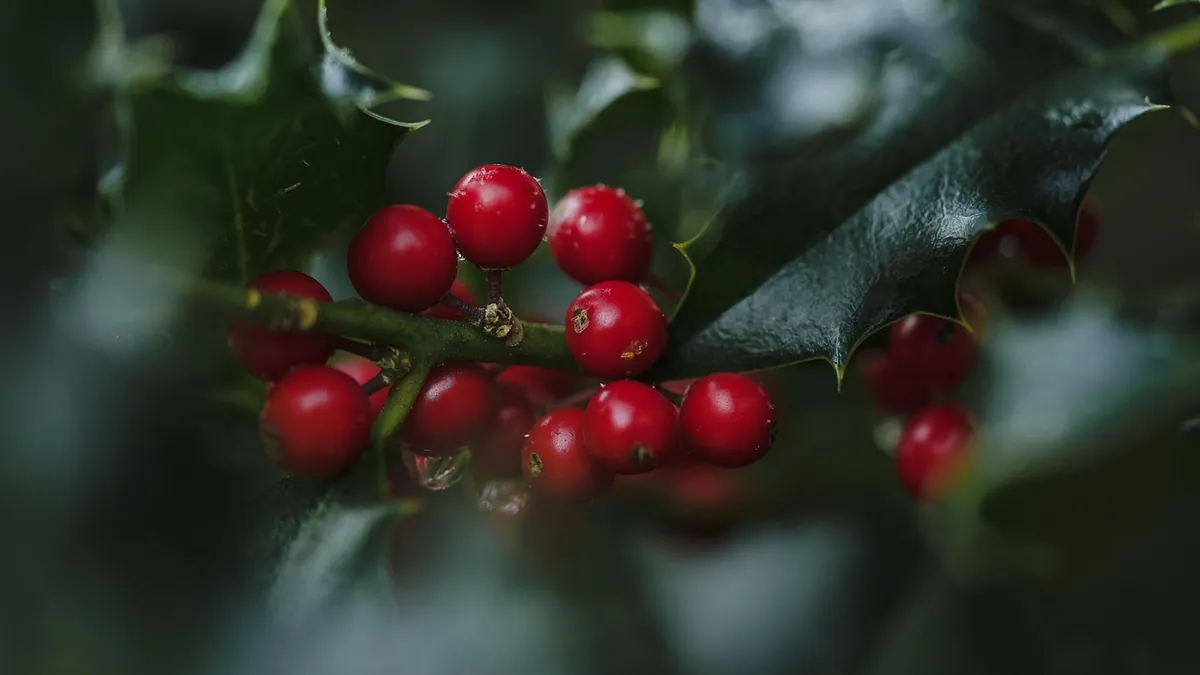
Is holly poisonous to dogs? Yes. Most holly plants in the Ilex family are toxic to dogs, and eating the leaves or berries commonly causes vomiting, diarrhea, and depression [1][2]. The good news is that holly is usually low toxicity, so serious poisoning is uncommon, but you still need to act if your dog chews on it.
This article is educational and is not a substitute for veterinary diagnosis or treatment.
Quick Answer
- Holly (Ilex species) is listed as toxic to dogs, cats, and horses, with saponins as the toxic principle [1][2].
- Leaves and berries are considered low toxicity, so most ingestions cause stomach upset instead of life-threatening illness [1][2].
- Watch for vomiting, diarrhea, and depression, which are the classic signs of holly ingestion [1][2].
- Call your veterinarian, the ASPCA Animal Poison Control Center at (888) 426-4435, or Pet Poison Helpline at (855) 764-7661 right away if your dog ate holly.
- Do not induce vomiting unless a veterinarian tells you to.
Is Holly Poisonous to Dogs?
Yes. The ASPCA Animal Poison Control Center lists holly as toxic to dogs, cats, and horses [1][2]. The plant family Aquifoliaceae includes many species sold as landscape shrubs, winter decorations, and hedges. All of them share the same basic risk.
The toxic principle is saponins, a group of plant compounds that irritate the digestive tract [1][2]. Saponins are found in many plants, and they are one reason a dog that eats holly leaves or berries may start drooling, gagging, or vomiting within hours.
The ASPCA notes that holly leaves and berries are low toxicity [1][2]. That means a single berry or a few chewed leaves usually causes mild, self-limiting stomach upset. It does not mean holly is safe to leave within reach. A dog that eats a large amount, or that has a sensitive stomach, can still become quite sick.
Which Parts of the Holly Plant Are Toxic?
The leaves and berries are the parts dogs most often eat, and both contain saponins [1][2]. The berries are bright red or black and can be tempting to a curious puppy. Fallen leaves are dry and crunchy, which some dogs find appealing.
The ASPCA plant records specifically describe leaves and berries as low toxicity [1][2]. Sharp, spiny leaf edges can also cause mechanical irritation to the mouth, throat, and stomach, which adds to the drooling and gagging you may see.
Is Japanese Holly Toxic to Dogs?
Japanese holly (Ilex crenata) belongs to the same genus as the hollies listed by the ASPCA, and it contains saponins like other Ilex species [1][2]. It is not one of the specific species named in the ASPCA records, but the family pattern is the same. Treat any Ilex holly as toxic and keep your dog away from it.
Is Holly Tone Toxic to Dogs?
Holly Tone is a fertilizer product, not a holly plant. It is not covered by the ASPCA plant records cited here, so this article cannot give you a toxicity rating for it. Fertilizers can contain ingredients that irritate the stomach or worse, so if your dog ate Holly Tone, call your veterinarian or a poison control line with the product label in hand.
Is Sea Holly Toxic to Dogs?
Sea holly (Eryngium species) is not a true holly and is not in the Ilex family. It is not listed in the ASPCA holly records used here [1][2]. If your dog ate sea holly and is showing signs, contact your veterinarian or a poison control line and describe the plant as accurately as you can.
Is Yaupon Holly Toxic to Dogs?
Yaupon holly (Ilex vomitoria) is a true holly in the Ilex genus. It is also a natural source of methylxanthines, the same class of compounds found in coffee, chocolate, and tea [3]. Methylxanthine toxicosis is well described in dogs and can cause signs beyond simple stomach upset [3]. If your dog ate yaupon holly, treat it as a more serious exposure and call for advice right away.
Is American Holly Toxic to Dogs?
Yes. American holly (Ilex opaca) is named directly in the ASPCA holly record as toxic to dogs, with saponins as the toxic principle and vomiting, diarrhea, and depression as the expected signs [1]. It is a common native tree in the eastern United States, so exposures often happen in backyards.
Is Inkberry Holly Toxic to Dogs?
Yes. Inkberry is listed as an additional common name for toxic holly in the ASPCA records [1][2]. It is an Ilex species, so the same saponin-related stomach upset applies. Keep inkberry shrubs fenced off or out of reach if your dog likes to graze.
What Saponins Do in the Body
Saponins are plant compounds that foam when mixed with water, and they irritate mucous membranes on contact. When a dog eats holly, saponins contact the lining of the mouth, stomach, and intestines. That irritation is what triggers the vomiting, diarrhea, and drooling owners typically report [1][2].
Plant toxicity in general comes from a wide range of chemical toxins, including alkaloids, glycosides, proteins, and amino acids, and saponins are one of many plant defense compounds [4]. Fortunately, most toxic plant ingestions in pets cause mild signs or none at all, and many do not need treatment [4]. Holly fits that pattern for most dogs.
Saponins are also the reason some plant extracts are studied for their effects in animals. One saponin compound given to dogs in a safety study was tolerated across a range of doses, which shows that saponins vary widely in how they behave in the body [5]. The saponins in holly are not the same compound, so do not use that as reassurance. It simply explains why holly tends to cause gut signs instead of organ failure.
Signs of Holly Poisoning in Dogs and Timeline
The ASPCA lists three main clinical signs of holly toxicosis: vomiting, diarrhea, and depression [1][2]. You may also see drooling, lip smacking, gagging, or a reduced appetite. Some dogs paw at their mouth after chewing spiny leaves.
Signs usually appear within a few hours of ingestion. Mild cases often settle within 12 to 24 hours with supportive care at home. If your dog ate yaupon holly or a large amount of any holly, signs can be more intense and may last longer.
Call your veterinarian if vomiting happens more than two or three times, if diarrhea is bloody, if your dog seems painful in the belly, or if your dog stops drinking. Young puppies, senior dogs, and dogs with other health problems can dehydrate faster.
What to Do Right Now
First, move your dog away from the plant and remove any berries or leaves from the mouth if you can do so safely. Do not reach into the mouth of a dog that is snapping or distressed.
Second, call for advice. Your options are your own veterinarian, the ASPCA Animal Poison Control Center at (888) 426-4435, or Pet Poison Helpline at (855) 764-7661. Have the plant name, the amount eaten, and the time of ingestion ready.
Third, do not induce vomiting unless a veterinarian tells you to. Holly leaves are spiny, and making a dog vomit can scratch the esophagus on the way back up. Your veterinarian will decide whether decontamination is helpful based on what and how much was eaten.
Fourth, offer small amounts of water. If your dog is vomiting repeatedly, withhold food for a short time only if your veterinarian advises it, then reintroduce bland food as directed.
If you are unsure whether the plant in your yard is a problem, our guide to plants poisonous to dogs can help you sort through common garden risks.
How Veterinarians Treat Holly Ingestion
Treatment depends on how much your dog ate and how sick it is. For mild cases, your veterinarian may recommend monitoring at home with a bland diet and plenty of fluids. For dogs with repeated vomiting or diarrhea, they may give fluids under the skin or into a vein to correct dehydration.
If the exposure was recent and large, your veterinarian may use a medication to control vomiting, give activated charcoal, or perform stomach lavage. They calculate any drug dose from your dog's weight and current health, so never give human medications on your own.
Blood work is not usually needed for a mild holly exposure, but your veterinarian may run it if your dog is very young, very old, or has other medical conditions. If yaupon holly is involved, they may monitor for signs of methylxanthine toxicosis, which can affect the heart and nervous system [3].
Outlook After Holly Ingestion
Most dogs recover fully. The ASPCA describes holly leaves and berries as low toxicity, and the expected signs are vomiting, diarrhea, and depression [1][2]. With supportive care, those signs typically resolve within a day or two.
The outlook is worse only when a dog eats a large amount, eats yaupon holly, or has a health condition that makes dehydration dangerous. Even then, prompt veterinary care makes a full recovery likely in most cases.
Preventing Holly Exposure
The simplest step is to keep holly out of your dog's reach. If you have holly shrubs, prune the lower branches, rake fallen leaves and berries promptly, and block access with fencing or a garden barrier.
During the holidays, keep wreaths, garlands, and centerpieces made with holly where your dog cannot reach them. Berries drop, and a dog will happily vacuum them off the floor.
If you want to replace holly with something safer, ask your veterinarian or a local nursery for dog-safe landscaping options. Our article on common houseplants toxic to cats and dogs covers indoor plants, and what foods are toxic to dogs list covers kitchen risks that are easy to overlook.
Limitations and When to Contact a Veterinarian
This article covers general information about holly toxicity. It cannot tell you how your individual dog will respond, because that depends on the species of holly, the amount eaten, your dog's size, and your dog's overall health. Individual cases need a veterinarian.
Contact your veterinarian the same day if your dog ate holly and has vomited once or twice, has soft stool, or seems a little quiet. A same-day call is also wise if you are not sure how much was eaten.
Go to an emergency clinic now if your dog is vomiting repeatedly, has bloody diarrhea, is weak or wobbly, has a racing heart, is breathing fast, or is unresponsive. These signs are more concerning and suggest a larger exposure or a different toxin.
Set up a routine visit if your dog has had repeated holly exposures or if you want help dog-proofing your yard. Your veterinarian can walk your property with you and point out what to remove.
Frequently Asked Questions
Will one holly berry hurt my dog?
Usually not. The ASPCA describes holly berries as low toxicity, and a single berry typically causes mild stomach upset at most [1][2]. Watch your dog for vomiting or diarrhea over the next few hours and call your veterinarian if signs appear.
How long do holly poisoning signs last in dogs?
Most mild cases settle within 12 to 24 hours with supportive care. If your dog ate yaupon holly or a large amount of plant material, signs can last longer and may need veterinary treatment [3].
Can holly kill a dog?
Serious outcomes are rare. Holly leaves and berries are low toxicity, and most dogs recover with basic care [1][2]. The risk goes up with large ingestions, yaupon holly, or underlying health problems, so call for advice if you are worried.
Should I make my dog throw up after eating holly?
No, not unless a veterinarian tells you to. Holly leaves are spiny and can injure the mouth and esophagus on the way back up. Call your veterinarian or a poison control line first and follow their instructions.
Are all holly plants toxic to dogs?
Most true hollies in the Ilex genus contain saponins and are considered toxic to dogs [1][2]. Sea holly is a different plant and is not covered by the holly records cited here. When in doubt, treat the plant as toxic and keep your dog away.
Related Articles
- Plants Poisonous To Dogs
- Are Tarantulas Poisonous to Dogs? Understanding the Risks
- Foods Toxic To Dogs Pdf
- What Foods Are Toxic To Dogs List
- Common Houseplants Toxic to Cats and Dogs
- How Much Chocolate Can Be Toxic To Dogs
- Is Holly Toxic to Dogs and Cats? Holiday Safety
- Is Needlepoint Holly Toxic to Dogs? Berry and Leaf Risk
- Are Marigolds Toxic to Dogs? Pet Safety Facts
References
- Toxic and Non-toxic Plants: Holly. ASPCA Animal Poison Control Center.
- Toxic and Non-toxic Plants: English Holly. ASPCA Animal Poison Control Center.
- Methylxanthine Exposure in the American White Ibis (Eudocimus albus) in Florida, USA. Journal of wildlife diseases, 2026.
- Poisonous plants. EXS, 2010.
- Pharmacokinetics and safety evaluation of anemoside B4 in healthy Beagle dogs. Frontiers in veterinary science, 2025.