Is Holly Toxic to Cats? American, Japanese, and Sea Holly
By Dr. Zubair Khalid, DVM, MS, PhD ·
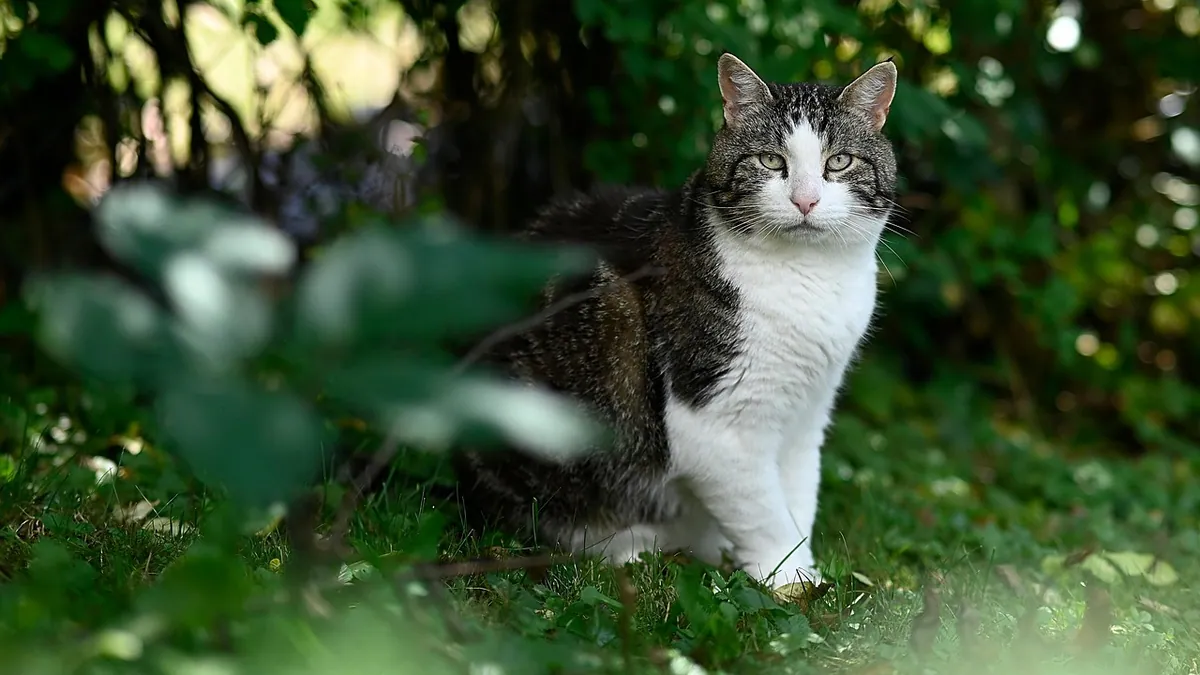
Is holly toxic to cats? Yes, if you mean true holly in the genus Ilex. American holly, English holly, Japanese holly, winterberry, and inkberry all belong to that group, and the ASPCA lists holly as toxic to cats, dogs, and horses [1][2]. Sea holly is a different plant entirely and is not a known cat poison. This article is educational and is not a substitute for veterinary diagnosis or treatment.
Quick Answer
- True holly (Ilex species, including American and Japanese holly) is toxic to cats. The toxic principle is saponins, and the leaves and berries are considered low toxicity [1][2].
- Expected signs after a cat eats holly include vomiting, diarrhea, and depression [1][2].
- Sea holly (Eryngium) is not the same plant as true holly and is not listed as toxic to cats.
- If your cat ate holly, call your veterinarian, the ASPCA Animal Poison Control Center at (888) 426-4435, or Pet Poison Helpline at (855) 764-7661. Do not make your cat vomit unless a veterinarian tells you to.
- Most holly exposures in pets cause mild to moderate signs, but any cat with repeated vomiting, lethargy, or no appetite needs same-day care.
Is Holly Toxic to Cats? Which Parts and Which Plants
The word "holly" covers more than one kind of plant, and that is where most of the confusion starts. True hollies are woody shrubs and trees in the genus Ilex. The ASPCA plant database lists American holly (Ilex opaca) as toxic to cats, with English holly, European holly, Oregon holly, inkberry, and winterberry as additional common names [1]. A separate ASPCA record for holly lists the same scientific name and the same toxicity, and notes that leaves and berries are low toxicity [2].
So when someone asks "is holly bush toxic to cats," the answer depends on which bush. A traditional evergreen holly hedge or a winterberry shrub in a holiday arrangement is true holly. Those plants contain saponins and are toxic to cats [1][2].
Is American Holly Toxic to Cats?
Yes. American holly is toxic to cats, dogs, and horses, and the toxic principle is saponins [1]. The same ASPCA record lists vomiting, diarrhea, and depression as the expected clinical signs in cats and dogs [1]. American holly is common in yards across the eastern United States, and its red berries are the part cats most often bat at or mouth.
Is Japanese Holly Toxic to Cats?
Japanese holly (Ilex crenata) is a true holly in the same genus as American holly. The ASPCA does not publish a separate record for it, but it shares the Ilex genus and the same saponin content as other hollies [1][2]. Treat it the same way you would treat American or English holly, meaning keep cats away from the plant and its fallen leaves and berries.
One naming trap: Japanese holly fern is not a holly at all. It is a fern (Cyrtomium falcatum), and the ASPCA lists it as non-toxic to both dogs and cats [3]. If your plant is a holly fern, the toxicity concern is different from a true holly shrub.
Is Sea Holly Toxic to Cats?
Sea holly (Eryngium species, including blue sea holly) is not a true holly. It belongs to a different plant family and is not listed as toxic to cats. If your cat nibbles a sea holly in the garden, it is not the same exposure as chewing an Ilex shrub. That said, any plant material can cause mild stomach upset in a sensitive cat, so watch for vomiting or drooling and call your vet if signs appear.
Which Parts Matter Most
The leaves and berries of true holly are described as low toxicity [2]. That does not mean harmless. It means a small taste is less likely to cause severe poisoning than, say, a lily or an oleander. The berries are the part most cats sample, and the leaves are spiny and can irritate the mouth and stomach on their own.
Decorations matter too. Cut holly branches, wreaths, and garlands bring leaves and berries into the house at a height a cat can reach. If you want a broader list of plants to keep out of a cat's reach, see Plants Toxic To Cats and What Plants Are Toxic To Cats Indoor.
The Toxic Principle and What It Does in the Body
The toxic principle in holly is saponins [1][2]. Saponins are natural compounds found in many plants. When a cat eats plant material containing saponins, the compounds irritate the lining of the stomach and intestines. That irritation is what drives the vomiting and diarrhea owners typically see.
Saponins are also the reason holly is described as low toxicity instead of highly dangerous. The amount a cat would need to eat to cause serious harm is large, and most cats stop eating after a few bites because the leaves are tough and spiny. Saponin-containing plants appear in veterinary poisoning data, and plant exposures overall tend to cause mild to moderate signs in most cases [4].
The bigger risk in a real-world holly exposure is often the plant's physical texture. Spiny holly leaves can scrape the mouth, throat, and stomach lining. That mechanical irritation can cause drooling, pawing at the mouth, and vomiting even when the saponin dose is small.
Signs of Holly Poisoning in Cats and When They Appear
The ASPCA lists vomiting, diarrhea, and depression as the clinical signs of holly toxicity in cats [1][2]. In practice, you might also see drooling, lip smacking, or a cat that hides and seems unusually quiet.
Timing is usually short. Signs from plant ingestion often show up within a few hours of the cat eating the plant. Vomiting is often the first sign, and it may happen once or several times. Diarrhea can follow within the same day. Depression, meaning a cat that is less interactive, sleepier, or off its food, tends to appear alongside the stomach signs.
Most plant poisonings in pets are mild to moderate, and fatal outcomes are less common [4]. That is reassuring, but it does not mean you should wait and see. A cat that vomits repeatedly can dehydrate quickly, and small cats have less reserve than large dogs.
Signs That Need Immediate Care
Call for emergency help right away if your cat has repeated vomiting, cannot keep water down, is very lethargic, has a swollen or painful belly, is breathing fast, or has a racing heart. Also call if you do not know how much holly was eaten or if the cat ate a large amount.
What to Do Right Now
First, move your cat away from the plant. Pick up any fallen leaves or berries so the cat cannot eat more. If you can, take a photo of the plant or keep a sample. Knowing the exact plant helps the veterinarian and the poison control team give you the right advice.
Next, call for guidance. Your options are your own veterinarian, the ASPCA Animal Poison Control Center at (888) 426-4435, or Pet Poison Helpline at (855) 764-7661. Have your cat's weight, age, and any health conditions ready, plus what you think the cat ate and when.
Do not induce vomiting unless a veterinarian tells you to. Making a cat vomit at home can cause harm, especially if the cat is already vomiting, is lethargic, or has swallowed something sharp. Spiny holly leaves are exactly the kind of material you do not want coming back up without veterinary supervision.
Do not give human medications, milk, or home remedies. Do not wait for signs to appear if you saw your cat eat a large amount of holly. Call now and let the professionals decide whether the cat needs to be seen.
Veterinary Treatment for Holly Exposure
Treatment depends on how much the cat ate, how sick it is, and how recently the exposure happened. If you call soon after ingestion, a veterinarian may discuss decontamination options. Whether to induce vomiting or give activated charcoal is a medical decision based on the cat's condition and the timing, and it is not something to attempt at home.
For a cat that is already vomiting, care is mostly supportive. That can include intravenous fluids to correct dehydration, medications to settle nausea and vomiting, and something to soothe the stomach lining. A veterinarian may also run blood work to check electrolytes and organ values, especially if the cat is very young, very old, or has other health problems.
If the cat has mouth or throat irritation from spiny leaves, the vet may examine the mouth and provide pain relief or a soft diet while it heals. Most cats with mild holly exposure respond well to supportive care and go home the same day.
Outlook After Holly Ingestion
The outlook for a cat that eats a small amount of true holly is generally good. Leaves and berries are low toxicity, and the expected signs are vomiting, diarrhea, and depression [1][2]. With supportive care, most cats recover within a day or two.
The outlook is less certain if a cat eats a large amount, has ongoing vomiting, or has an underlying condition like kidney disease or heart disease. In those cases, the veterinarian will treat the cat's specific problems and monitor closely. Plant poisonings in pets are usually mild to moderate, but a small share are fatal, so early care matters [4].
Prevention and Safer Alternatives
The simplest prevention is to keep true holly out of your cat's reach. If you have holly shrubs in the yard, prune the lower branches so berries and leaves do not drop where a cat can reach them. If you bring holly indoors for the holidays, hang it high, keep it behind a closed door, or skip it entirely.
Check the plant tag before you buy. If the label says Ilex, it is a true holly and it is toxic to cats [1][2]. If the label says Eryngium or sea holly, it is a different plant and not a known cat poison. If the label says holly fern, that is a fern and the ASPCA lists it as non-toxic to cats [3].
For cat-safe greenery, choose plants the ASPCA lists as non-toxic, and place any new plant where your cat cannot dig in the soil or chew the leaves. If you are building a cat-friendly indoor garden, What Plants Can Be Toxic To Cats and Flowers That Are Toxic To Cats can help you sort safe options from risky ones.
Limitations and When to Contact a Veterinarian
This article covers the general pattern of holly toxicity in cats. It cannot tell you how your individual cat will respond. The amount eaten, the cat's size, age, and health, and how quickly you get help all change the picture. Every case needs a veterinarian to assess it.
Contact your veterinarian the same day if your cat ate holly and has vomited once or twice, seems quiet, or has soft stool. A same-day call lets your vet decide whether the cat needs to be seen or can be monitored at home.
Go to an emergency clinic now if your cat has repeated vomiting, cannot keep water down, is very weak or unresponsive, has a swollen or painful abdomen, is breathing fast, or has a racing or irregular heartbeat. Also treat any known large ingestion as an emergency, even if the cat looks fine so far.
Call a routine visit if your cat has a habit of chewing plants and you want help cat-proofing your home. Your vet can point you toward safe plants and help you plan for the holidays.
Frequently Asked Questions
Is holly toxic to cats?
Yes, true holly in the genus Ilex is toxic to cats. The toxic principle is saponins, and the expected signs are vomiting, diarrhea, and depression. Leaves and berries are considered low toxicity, so a small taste is usually less serious than a large meal of plant material.
Is Japanese holly toxic to cats?
Japanese holly is a true holly and shares the same saponin content as American and English holly. Treat it as toxic and keep your cat away from the shrub and any fallen leaves or berries. Japanese holly fern is a different plant and is listed as non-toxic to cats.
Is sea holly or blue sea holly toxic to cats?
Sea holly and blue sea holly are not true hollies and are not listed as toxic to cats. They belong to a different plant group than Ilex hollies. A cat that chews any plant can still get a mild stomach upset, so watch for vomiting or drooling and call your vet if signs appear.
What should I do if my cat ate holly berries?
Call your veterinarian, the ASPCA Animal Poison Control Center at (888) 426-4435, or Pet Poison Helpline at (855) 764-7661 right away. Do not make your cat vomit unless a veterinarian tells you to. Have your cat's weight and the timing of the exposure ready so the team can advise you.
Can holly kill a cat?
Serious poisoning from holly is uncommon because the leaves and berries are low toxicity. Most exposures cause mild to moderate stomach signs that respond to supportive care. A cat that eats a large amount or has other health problems is at higher risk and needs prompt veterinary care.
Related Articles
- Plants Toxic To Cats
- What Plants Can Be Toxic To Cats
- What Plants Are Toxic To Cats Indoor
- Flowers That Are Toxic To Cats
- Houseplants Toxic To Cats Reddit
- What Plants And Flowers Are Toxic To Cats
- Is Holly Toxic to Cats? Berries, Leaves, and Signs
- Is Holly Toxic to Dogs and Cats? Holiday Safety
- Are Ferns Toxic to Cats? Holly, Staghorn and More
References
- Toxic and Non-toxic Plants: American Holly. ASPCA Animal Poison Control Center.
- Toxic and Non-toxic Plants: Holly. ASPCA Animal Poison Control Center.
- Toxic and Non-toxic Plants: Japanese Holly Fern. ASPCA Animal Poison Control Center.
- Plant poisoning in domestic animals: epidemiological data from an Italian survey (2000-2011). The Veterinary record, 2013.