Is Needlepoint Holly Toxic to Dogs? Berry and Leaf Risk
By Dr. Zubair Khalid, DVM, MS, PhD ·
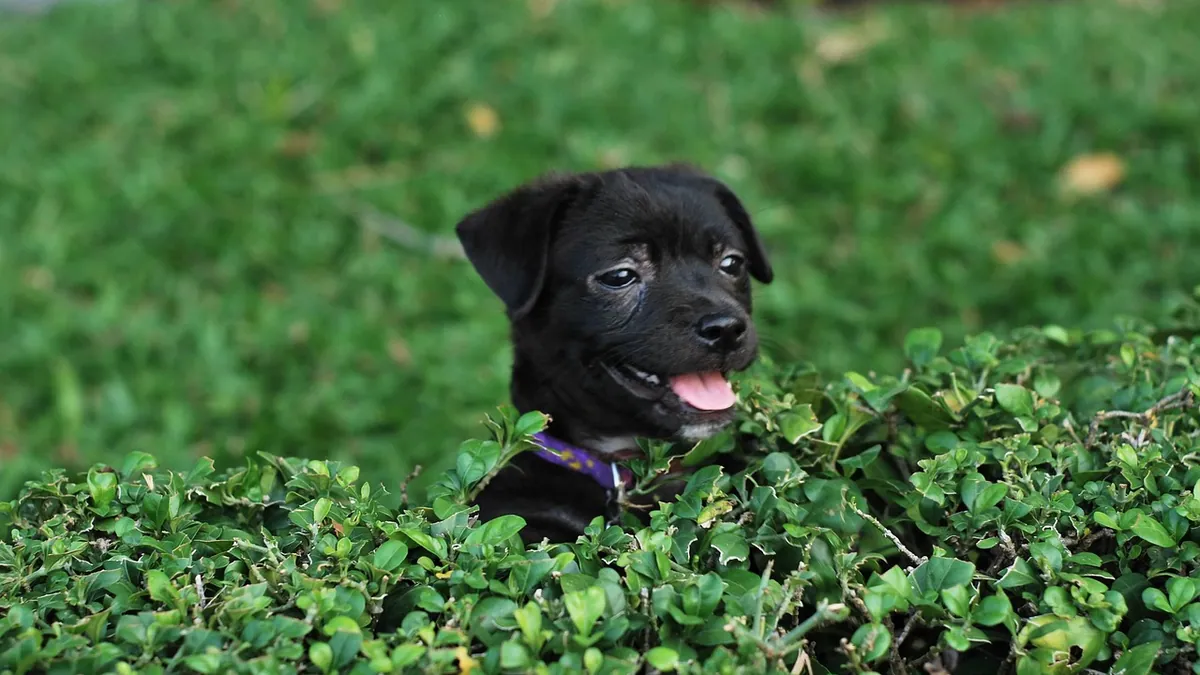
Is needlepoint holly toxic to dogs? Yes. Needlepoint holly is a cultivar of English holly (Ilex aquifolium), and the ASPCA classifies Ilex plants as toxic to dogs [1]. The good news is that the leaves and berries are considered low toxicity, so the main risks are stomach upset and mechanical injury from the spines, not life-threatening poisoning [1].
This article is educational and is not a substitute for veterinary diagnosis or treatment.
Quick Answer
- Needlepoint holly is toxic to dogs, with saponins as the toxic principle and vomiting, diarrhea, and depression as the expected signs [1].
- The berries and leaves are low toxicity, so serious poisoning is uncommon [1].
- The spiny leaves can cut the mouth, throat, and gut, which is a separate problem from the toxin itself.
- Call your veterinarian, the ASPCA Animal Poison Control Center at (888) 426-4435, or Pet Poison Helpline at (855) 764-7661 if your dog ate any part of the plant.
- Do not induce vomiting unless a veterinarian tells you to.
Is Needlepoint Holly Toxic to Dogs?
Needlepoint holly belongs to the genus Ilex and the family Aquifoliaceae. The ASPCA lists English holly (Ilex aquifolium) as toxic to dogs, cats, and horses, with saponins as the toxic principle and vomiting, diarrhea, and depression as the clinical signs [1]. American holly (Ilex opaca) carries the same toxicity listing and the same set of expected signs [2]. Needlepoint holly is a named cultivar of English holly, so the same toxic profile applies.
The ASPCA record for holly notes that the leaves and berries are low toxicity [3]. That phrase matters. It means a dog that eats a few berries or chews a leaf is unlikely to suffer organ failure or die. It does not mean the plant is safe. Low toxicity still means toxicity, and a dog that eats a large amount, or that swallows spiny leaves, can still get sick.
Which Parts of the Plant Are a Problem?
The berries and the leaves are the parts dogs most often eat. Both contain saponins [3][1]. The berries are small and red, which makes them attractive to a dog nosing around a hedge or a holiday decoration. The leaves are leathery, dark green, and edged with sharp spines. A dog may chew a leaf out of curiosity, or may snap at a low branch while running.
Other parts of the plant, including the stems and bark, are not well studied for toxicity in dogs. Treat any part of the plant as a potential problem and keep your dog away from it.
What About Cut Branches and Holiday Decorations?
Holly is a common winter decoration. Cut branches, wreaths, and garlands bring the berries and leaves indoors and within reach of a dog. Fallen berries can also collect on the floor or in the yard. If you keep holly in your home, put it where your dog cannot reach it, and pick up any berries that drop.
The Toxic Principle: What Saponins Do in the Body
Saponins are natural compounds found in many plants. When a dog eats plant material containing saponins, the compounds irritate the lining of the stomach and intestines. That irritation is what drives the vomiting and diarrhea seen in holly exposure [3][1][2].
Saponins in holly are not the same as the grayanotoxins found in plants like rhododendron and Pieris, which can cause retching, regurgitation, and vomiting and have been reported in companion animals including dogs [4]. Holly does not carry that risk profile. Holly is also not linked to the kidney injury seen with tartaric acid exposure from grapes, raisins, tamarinds, and cream of tartar [5]. Keeping these distinctions straight helps you understand why a holly berry is usually a much smaller problem than a grape.
The second mechanism of harm is purely mechanical. The leaf spines are stiff and sharp. Chewing them can cut the gums, tongue, and inner cheeks. Swallowed spines can scrape the esophagus and stomach lining. This is why a dog can have mouth pain, drooling, or bloody saliva after mouthing a holly branch even if the amount swallowed was tiny.
Signs of Holly Poisoning in Dogs and Their Timeline
Signs usually center on the gut. The ASPCA lists vomiting, diarrhea, and depression [3][1][2]. In practice, you may see some combination of these:
- Vomiting, sometimes several times
- Diarrhea, which may be loose or watery
- Drooling or lip smacking
- Pawing at the mouth
- Reduced appetite
- Low energy or a dull attitude
- Mouth pain, bleeding gums, or reluctance to chew
Timing depends on how much was eaten and whether the dog chewed the leaves. Gut signs often show up within a few hours of ingestion. Mouth injury can be obvious right away. Depression may build over the first day.
Most dogs that eat a small amount of holly recover with supportive care. A dog that eats a large volume of berries, or that swallows many spiny leaves, has a higher chance of more intense vomiting, dehydration, and gut irritation. If your dog already has a sensitive stomach or another health condition, signs may be worse.
If you are not sure what your dog ate, or if the plant could be something else in your yard, see Dog Ate Toxic Plant for a step-by-step approach.
What to Do Right Now If Your Dog Ate Holly
Stay calm and act quickly. The first step is to remove your dog from the plant and check the mouth for leaves, spines, or berries. Do not reach into the mouth if your dog is painful or likely to bite. Look for bleeding, swelling, or a leaf stuck across the roof of the mouth.
Next, call for advice. You have three good options:
- Your own veterinarian or the nearest emergency veterinary hospital
- ASPCA Animal Poison Control Center at (888) 426-4435
- Pet Poison Helpline at (855) 764-7661
Have this information ready: your dog's weight, the time of ingestion, which part of the plant was eaten, and how much you think was swallowed. If you can, take a photo of the plant or bring a sample with you.
Do not induce vomiting unless a veterinarian tells you to. Holly leaves are spiny, and making a dog vomit after eating them can scrape the esophagus on the way back up. Vomiting is also risky if your dog is already weak, has swallowed a large object, or has a known heart or breathing problem. Let the veterinarian decide.
Do not give human medications, home remedies, milk, or food to "soak up" the plant unless a veterinarian directs you. Some home treatments make vomiting worse or hide signs the vet needs to see.
If your dog is vomiting repeatedly, seems painful, has trouble breathing, or is very dull, skip the phone call and go straight to an emergency clinic. For general first aid steps while you are on the way, see What to Do If Your Dog Ate Something Toxic: First Aid Steps.
How Veterinarians Treat Holly Exposure in Dogs
Treatment is supportive and aimed at the signs. Your veterinarian will start with a physical exam, including a careful look inside the mouth. They will ask about the amount eaten and the timing, and they may want to see the plant.
If your dog just ate the plant and is stable, the veterinarian may discuss decontamination. That decision is made case by case. It depends on how much was eaten, how long ago, and whether the dog is vomiting on its own. Never make that call yourself.
For gut signs, treatment often includes:
- Fluids under the skin or into a vein to replace what is lost through vomiting and diarrhea
- Medication to control nausea and vomiting
- Medication to soothe the stomach lining
- A bland diet once vomiting stops
- Pain relief if the mouth or throat is injured
If the mouth has cuts or embedded spines, the veterinarian may remove them and treat the wounds. Blood work may be recommended if your dog is very ill, has ongoing vomiting, or has other health problems. The veterinarian calculates any medication dose from your dog's weight and health, so doses are not something you can guess at home.
In most cases, dogs that receive prompt supportive care do well. A dog with heavy vomiting may need to stay in the hospital for a day or more on fluids. A dog with a mild upset stomach may be sent home with medication and a feeding plan.
Outlook After a Dog Eats Holly
The outlook is generally good. Holly leaves and berries are low toxicity, and the expected signs are vomiting, diarrhea, and depression [3][1]. Most dogs recover fully with supportive care.
The dogs that do worse are usually the ones with heavy ingestion, significant dehydration, or gut injury from the spines. A dog that eats a large number of berries or swallows many leaves may need more intensive care. If your dog has a chronic illness, is very young, or is very old, watch them closely and call your veterinarian early.
If signs are mild and stop within a day, your dog will likely be back to normal quickly. If vomiting continues past a day, if your dog will not eat, or if they seem painful, they need to be seen again.
Prevention and Safer Alternatives
Prevention is simple. Know what is growing in your yard, and keep your dog away from it.
- Identify your hedges. If you have needlepoint holly or another Ilex species, fence it off or walk your dog on a leash away from it.
- Manage holiday decor. Keep wreaths, garlands, and cut branches above dog height, and pick up fallen berries daily.
- Train a "leave it" cue. A reliable cue gives you a second to intervene when your dog noses something interesting.
- Supervise outdoor time. Most holly exposures happen when a dog is exploring alone.
- Offer safe chews instead. Redirect your dog to an appropriate chew toy when they show interest in plants.
If you want to add plants to your home or yard, choose species that are not toxic to dogs. The ASPCA plant guide is a practical place to check a plant before you buy it [3]. If you are also wondering about other berries your dog might find, see Can Dogs Eat Berries Safely. For a broader list of problem plants, see Plants Poisonous To Dogs.
Limitations and When to Contact a Veterinarian
No article can tell you how your individual dog will respond. Your dog's size, health, and the amount eaten all change the picture. A veterinarian who examines your dog is the only one who can give you a real answer.
Call your veterinarian or a poison control line the same day if:
- Your dog ate holly berries or leaves and you are not sure how much
- Your dog is vomiting or has diarrhea
- Your dog seems dull, quiet, or less interested in food
- Your dog is drooling or pawing at the mouth
- You see blood in the saliva, vomit, or stool
Go to an emergency clinic now if:
- Your dog is vomiting repeatedly and cannot keep water down
- Your dog is weak, wobbly, or collapsing
- Your dog is breathing fast or with effort
- Your dog has severe mouth pain or heavy bleeding from the mouth
- Your dog is a puppy, is very old, or has a serious health condition and ate a large amount
Schedule a routine visit if signs were mild, have stopped, and your dog is eating and drinking normally again. A checkup can confirm there is no mouth injury you missed.
Frequently Asked Questions
Will a few holly berries hurt my dog?
Usually not seriously. Holly berries are low toxicity, and the expected signs are vomiting, diarrhea, and depression [3][1]. A small amount may cause a mild stomach upset or no signs at all. Watch your dog for a day and call your veterinarian if signs appear.
Are holly leaves more dangerous than the berries?
The leaves carry the same saponins as the berries, so the chemical risk is similar. The bigger issue with leaves is their sharp spines, which can cut the mouth, throat, and gut. A dog that chews several leaves may have mouth pain and bleeding even if the toxin dose is low.
My dog ate holly and seems fine. Do I still need to call?
Yes, a quick call is wise. Signs can take a few hours to appear, and a veterinarian can tell you what to watch for based on your dog's size and how much was eaten. If your dog is a puppy or has other health problems, call right away.
Can holly kill a dog?
Death from holly is very uncommon because the leaves and berries are low toxicity [3][1]. The realistic risks are dehydration from vomiting and diarrhea, and injury from the spines. Prompt supportive care greatly reduces the chance of a serious outcome.
How long do holly poisoning signs last in dogs?
Most mild cases improve within a day or two with supportive care. If vomiting or diarrhea continues past 24 hours, or if your dog stops eating or drinking, they need to be seen. Your veterinarian can give you a better timeline after examining your dog.
Related Articles
- Plants Poisonous To Dogs
- Can Dogs Eat Berries Safely
- Dog Ate Toxic Plant
- My Dog Ate a Mushroom: How to Tell If It's Toxic
- What to Do If Your Dog Ate Something Toxic: First Aid Steps
- My Dog Ate a Pen: Is It Toxic or Just a Blockage Risk?
- Is Holly Poisonous to Dogs? Types and Toxicity
- Is Holly Toxic to Dogs and Cats? Holiday Safety
- Is Holly Toxic to Cats? Berries, Leaves, and Signs
References
- Toxic and Non-toxic Plants: English Holly. ASPCA Animal Poison Control Center.
- Toxic and Non-toxic Plants: American Holly. ASPCA Animal Poison Control Center.
- Toxic and Non-toxic Plants: Holly. ASPCA Animal Poison Control Center.
- Grayanotoxin poisoning in animals following the ingestion of Ericaceae plants. Veterinary journal (London, England : 1997), 2026.
- Acute kidney injury in dogs following ingestion of cream of tartar and tamarinds and the connection to tartaric acid as the proposed toxic principle in grapes and raisins. Journal of veterinary emergency and critical care (San Antonio, Tex. : 2001), 2022.