Are Cactus Plants Toxic to Cats? Orchid, Coral, and More
By Dr. Zubair Khalid, DVM, MS, PhD ·
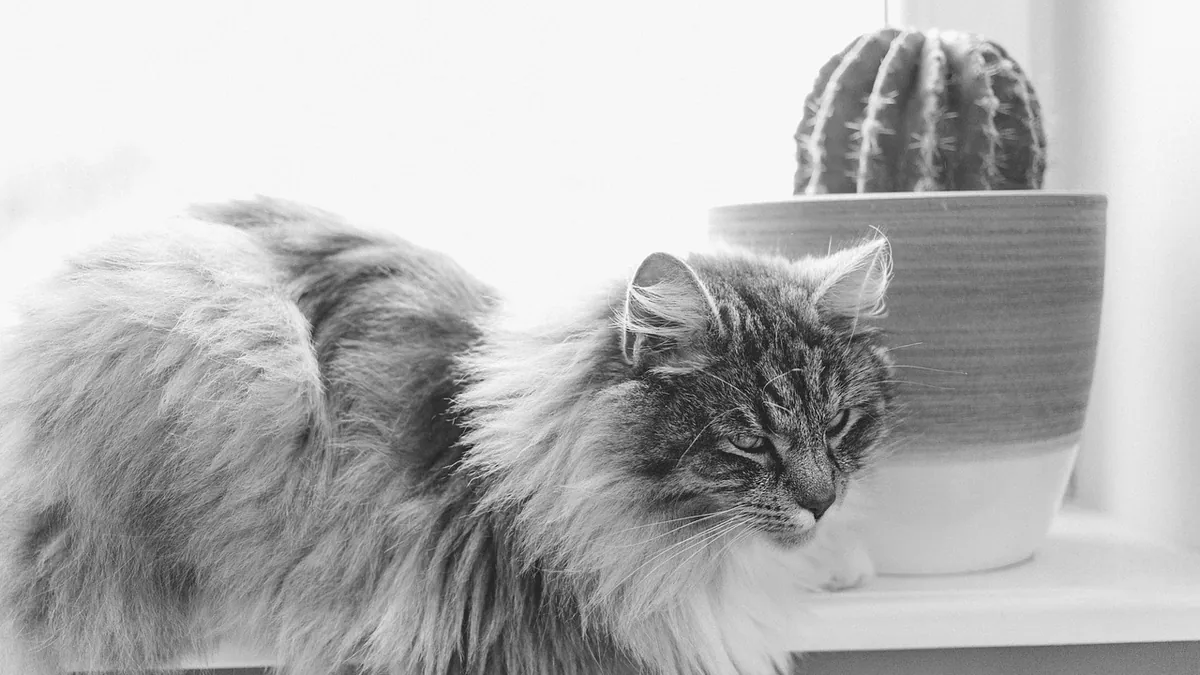
Most true cacti are not toxic to cats, so a nibble on a cactus pad is unlikely to poison your pet. The real danger is physical: spines can pierce a cat's mouth, paws, nose, or eyes, and the sap of cactus lookalikes called euphorbias can burn and irritate tissue. If your cat chewed a cactus, the plant's identity matters as much as the bite itself.
This article is educational and is not a substitute for veterinary diagnosis or treatment.
Quick Answer
- True cacti in the family Cactaceae, including shrimp cactus, tree cactus, and thimble cactus, are listed as non-toxic to cats [1][2][3].
- Cactus spines cause the most common injuries: punctures to the mouth, tongue, gums, paws, nose, and eyes.
- Euphorbia plants (often sold as "cactus" but not true cacti) contain a milky sap that irritates skin, eyes, and the mouth.
- If your cat chewed a cactus, remove visible spines with tweezers if you can do it safely, then call your veterinarian or a pet poison hotline.
- Never induce vomiting unless a veterinarian tells you to.
Is Cactus Toxic to Cats?
For most true cacti, the answer is no. The ASPCA Animal Poison Control Center lists shrimp cactus (Schlumbergera russelliana), tree cactus (Opuntia species), and thimble cactus (Mammillaria fragilis) as non-toxic to cats, dogs, and horses [1][2][3]. That means the plant tissue itself does not contain a recognized poison for cats.
This does not make cacti safe to chew. A cat that bites a cactus gets a mouthful of spines, and that is a painful mechanical injury, not a poisoning. The distinction matters because treatment is different. Poisoning care focuses on absorbing or clearing a toxin. Spine injury care focuses on removing foreign material, controlling pain, and preventing infection.
Some plants sold as cacti are not cacti at all. Euphorbia species, sometimes called euphorbia cactus or coral cactus, belong to a different plant family and produce a milky, latex-like sap. That sap is the toxic principle, and it can cause real problems for cats.
Is Orchid Cactus Toxic to Cats?
Orchid cactus is a common name used for epiphytic cacti in the genus Epiphyllum and for related plants like shrimp cactus. The ASPCA record for shrimp cactus (Schlumbergera russelliana) lists it as non-toxic to cats [1]. If your plant is a true orchid cactus in the Cactaceae family, the plant tissue is not expected to poison your cat.
The same spine caution applies. Orchid cacti often have small, bristle-like spines that can lodge in a cat's lips, tongue, or gums. If your cat is pawing at its mouth or drooling after chewing the plant, treat it as a possible spine injury even though the plant itself is non-toxic.
Is Coral Cactus Toxic to Cats?
Coral cactus is usually a grafted Euphorbia, not a true cactus. Euphorbia sap is a well-known irritant, and it can cause mouth pain, drooling, vomiting, and skin or eye inflammation after contact. If your cat chewed a coral cactus, assume the sap is irritating and call your veterinarian or a poison hotline right away.
The sap can also stick to fur and paws. A cat that grooms sap off its coat can spread the irritant to its mouth and eyes. Wipe exposed skin with lukewarm water and mild soap if your veterinarian advises it, and keep your cat from grooming the area until you have guidance.
Euphorbia Cactus and Cats
Euphorbia is a large plant genus that includes poinsettias, pencil cactus, and many plants marketed as cactus. These plants are not in the cactus family. Their milky sap contains diterpene esters, compounds that irritate skin and mucous membranes.
Exposure can happen in several ways. A cat may bite a stem and get sap on its lips. It may brush against a broken stem and get sap on its coat. It may then swallow sap while grooming. Each route can produce different signs, and eye contact is the most urgent because it can cause severe pain and corneal injury.
If you are unsure whether your plant is a true cactus or a euphorbia, look for milky sap when a leaf or stem is broken. True cacti do not bleed milky latex. Euphorbias do. When in doubt, treat the plant as an irritant and keep your cat away from it.
What Is the Toxic Principle and What Does It Do?
True cacti do not have a recognized toxic principle for cats [1][2][3]. Their defense is mechanical. Spines, glochids (the tiny barbed hairs on some cacti), and sharp leaf edges cause puncture wounds and embedded foreign material.
Euphorbia sap is different. The milky latex contains irritating diterpene esters. When sap touches skin, it can cause redness, swelling, and pain. When it touches the mouth or throat, it can cause drooling, pawing at the mouth, and difficulty swallowing. When it touches the eye, it can cause intense pain, squinting, tearing, and corneal damage.
Ingested sap can also cause gastrointestinal signs. Vomiting and diarrhea are possible after a cat swallows plant material or grooms sap from its coat. The severity depends on how much sap was involved and where it contacted the body.
Spines cause their own problems. A spine in the tongue or gum can lead to swelling, infection, and refusal to eat. A spine in the eye is an emergency because it can scratch the cornea or penetrate deeper structures. A spine in a paw can cause limping and abscess formation.
Signs of Cactus or Euphorbia Exposure in Cats
Signs fall into two groups: mechanical injury from spines and irritation from euphorbia sap. Some cats show both if they chewed a plant and then groomed themselves.
Spine injury signs
- Pawing at the mouth or face
- Drooling or refusing to eat
- Swelling of the lips, tongue, or gums
- Visible spines or bristles in the mouth, nose, or paws
- Limping or holding up a paw
- Squinting, tearing, or holding an eye closed
- Bleeding from the mouth or nose
Euphorbia sap signs
- Drooling and lip smacking
- Redness or swelling around the mouth
- Vomiting or diarrhea
- Pawing at the eyes or face
- Squinting, tearing, or cloudy eye
- Red, irritated skin where sap touched the coat or paws
- Hiding, restlessness, or signs of pain
Timeline
Spine pain is usually immediate. A cat that bites a cactus often reacts right away with a head shake, pawing, or drooling. Sap irritation also tends to start quickly, often within minutes of contact. Vomiting and diarrhea from swallowed sap can appear within a few hours.
Eye signs can worsen over hours if the cornea is scratched or sap remains in the eye. Mouth swelling can progress and make eating painful. If your cat is showing any of these signs, do not wait to see if they improve on their own.
What to Do Right Now
First, move your cat away from the plant. Keep it calm and do not let it rub its face or eyes with its paws.
If you can see spines in the mouth, nose, or paws and your cat will let you, remove them carefully with clean tweezers. Do not dig into the tissue. If a spine is embedded deeply or your cat is struggling, stop and let a veterinarian handle it.
If sap is on the skin or coat, wipe the area with lukewarm water and a mild pet-safe soap if your veterinarian advises it. Avoid getting soap in the eyes. If sap is in the eye, flush the eye with plain saline or lukewarm water for several minutes and call for help right away.
Call your veterinarian, the ASPCA Animal Poison Control Center at (888) 426-4435, or Pet Poison Helpline at (855) 764-7661. Have the plant name ready if you know it, or a photo of the plant. Tell them what part your cat chewed, how much time has passed, and what signs you are seeing.
Do not induce vomiting unless a veterinarian tells you to. Vomiting can make mouth and throat irritation worse if spines or sap are still present. It can also cause aspiration if your cat is drooling or having trouble swallowing.
Do not give human pain medications. Many common pain relievers are toxic to cats, and the dose depends on your cat's weight and health. A veterinarian will choose a safe medication and calculate the dose.
Veterinary Treatment
Your veterinarian will start with a physical exam and a focused look at the mouth, eyes, skin, and paws. They may use a bright light and magnification to find small spines or glochids. If spines are embedded in the eye, they may refer you to a veterinary ophthalmologist.
Treatment depends on what happened. For spine injuries, the veterinarian removes visible spines, flushes wounds, and treats pain and inflammation. Antibiotics may be needed if the wound is infected or deep. For eye injuries, treatment may include flushing, staining the cornea to check for scratches, and topical medications.
For euphorbia sap exposure, treatment focuses on removing the sap and managing signs. The veterinarian may flush the mouth or eyes, give medications for nausea or pain, and provide fluids if your cat is vomiting or not eating. If your cat swallowed a large amount of plant material, the veterinarian may use charcoal or other treatments based on the exam and history.
Blood work may be recommended if your cat is dehydrated, not eating, or showing systemic signs. Most cactus and euphorbia exposures do not require specific antidotes because there is no antidote for the sap irritants. Care is supportive and aimed at the specific injuries.
Outlook
The outlook is good for most cats that chew a true cactus and get only minor spine injuries. Small spines in the mouth or paws can be removed, and with pain control and wound care, most cats recover well.
The outlook is also good for many euphorbia exposures if the sap is removed quickly and the cat receives prompt care. Eye exposures need urgent treatment because corneal damage can become serious. Mouth and throat irritation can make eating painful for a few days, so soft food and pain medication may be needed.
Cats that swallow a large amount of plant material or develop severe vomiting, diarrhea, or eye damage need closer monitoring. Some cats need hospitalization for fluids, pain control, and observation. Your veterinarian will give you a realistic picture based on your cat's exam and response to treatment.
Prevention and Safer Alternatives
The best prevention is to keep cacti and euphorbias out of your cat's reach. Place them on high shelves, in closed cabinets, or in rooms your cat cannot enter. Hanging planters can help, but only if the plant is far enough from furniture your cat can climb.
Check the plant label before you buy. If the label says Euphorbia, treat it as a skin and eye irritant and keep it away from your cat. If the label says Cactaceae or gives a cactus genus like Opuntia, Mammillaria, or Schlumbergera, the plant tissue is listed as non-toxic, but the spines still pose a risk [1][2][3].
If your cat likes to chew plants, choose non-toxic, spine-free options. Spider plants, Boston ferns, and many true orchids are popular choices. You can read more about safe and unsafe plants in our guides to Are Orchids Toxic To Cats and Plants Toxic To Cats.
Other helpful resources include What Plants Can Be Toxic To Cats, What Plants And Flowers Are Toxic To Cats, and House Plants Toxic To Cat.
Provide safe chewing outlets too. Cat grass, catnip, and sturdy toys can redirect chewing behavior. If your cat chews plants when bored or stressed, talk to your veterinarian about enrichment and behavior support.
Limitations and When to Contact a Veterinarian
This article covers common cactus and euphorbia exposures, but every cat is different. The amount of sap, the location of spines, and your cat's underlying health all affect the outcome. Individual cases need a veterinarian who can examine your cat and decide on treatment.
Call your veterinarian or a pet poison hotline the same day if your cat chewed a cactus and you see drooling, pawing at the mouth, mild swelling, or a few visible spines. Same-day care can prevent small problems from becoming serious.
Go to an emergency clinic now if your cat has sap in the eye, a spine in the eye, severe swelling of the tongue or throat, trouble breathing, repeated vomiting, or is not eating or drinking. Eye injuries and airway swelling can worsen quickly and need urgent treatment.
Schedule a routine visit if your cat had a minor exposure and seems comfortable, but you want the mouth or paws checked. A veterinarian can look for retained spines and confirm there is no infection.
Frequently Asked Questions
Can my cat die from chewing a cactus?
Death from a true cactus is very unlikely because the plant tissue is non-toxic to cats [1][2][3]. The risk comes from spine injuries, eye damage, or infection, which can become serious if untreated. Euphorbia sap exposure is also rarely fatal, but eye and mouth irritation can be severe and needs prompt care.
How do I know if my plant is a true cactus or a euphorbia?
Break a small leaf or stem and look for milky white sap. Euphorbias bleed milky latex, while true cacti do not. If you see milky sap, treat the plant as an irritant and keep your cat away from it.
My cat chewed a cactus and seems fine. Do I still need to call?
Yes, call your veterinarian or a pet poison hotline for guidance. Small spines can lodge in the mouth or paws without obvious signs at first. A veterinarian can tell you what to watch for and whether your cat needs an exam.
Can I use tweezers to pull spines out of my cat's mouth?
You can remove visible spines with clean tweezers if your cat is calm and you can see them clearly. Do not dig into the tissue or pull hard if a spine is embedded. If your cat is struggling or the spine is deep, stop and let a veterinarian remove it.
What should I do if cactus sap got in my cat's eye?
Flush the eye with plain saline or lukewarm water for several minutes and call an emergency clinic right away. Sap in the eye can cause severe pain and corneal damage. Do not use medicated eye drops unless a veterinarian tells you to.
Related Articles
- Are Orchids Toxic To Cats
- Plants Toxic To Cats
- What Plants Can Be Toxic To Cats
- What Plants And Flowers Are Toxic To Cats
- House Plants Toxic To Cat
- Are Snake Plants Toxic To Cats
- Is Cactus Toxic to Pets? What Dog and Cat Owners Should Know
- Is Christmas Cactus Toxic to Cats? Holiday Safety
- Is Prickly Pear Cactus Toxic to Cats? Spine and Sap Risks
References
- Toxic and Non-toxic Plants: Shrimp Cactus. ASPCA Animal Poison Control Center.
- Toxic and Non-toxic Plants: Tree Cactus. ASPCA Animal Poison Control Center.
- Toxic and Non-toxic Plants: Thimble Cactus. ASPCA Animal Poison Control Center.