Are Geraniums Toxic to Cats? Rose, Scented, and Wild Types
By Dr. Zubair Khalid, DVM, MS, PhD ·
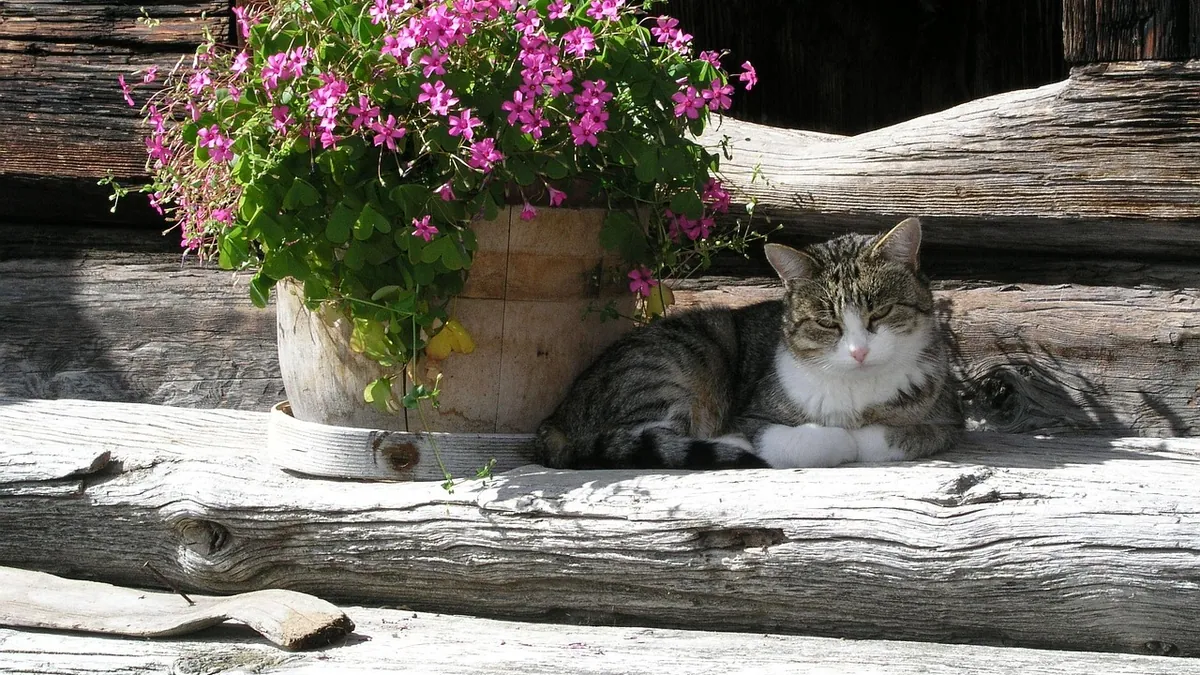
Is rose geranium toxic to cats? Yes. The plants most people call geraniums, including rose geranium and other scented types, belong to the genus Pelargonium, and they are listed as toxic to cats [1][2]. True hardy geraniums (often called cranesbill) are a different genus, Geranium, and are not the same plant.
This article is educational and is not a substitute for veterinary diagnosis or treatment.
Quick Answer
- Pelargonium geraniums (rose, scented, zonal, and most potted "geraniums") are toxic to cats, with essential oils and compounds like geraniol and linalool as the toxic principles [1][2].
- True hardy Geranium species (cranesbill) are a separate genus and are not listed as toxic to cats, but eating any plant can still cause mild stomach upset.
- The most common signs are vomiting, loss of appetite, and depression, and cats are the most sensitive species for these plant oils [1][2].
- If your cat chews a geranium, call your veterinarian, the ASPCA Animal Poison Control Center at (888) 426-4435, or Pet Poison Helpline at (855) 764-7661.
- Do not make your cat vomit unless a veterinarian tells you to.
Which Geraniums Are Toxic to Cats?
The word "geranium" causes a lot of confusion. In garden centers and grocery stores, almost every plant sold as a geranium is a Pelargonium. That includes the bright red zonal geraniums in window boxes, ivy geraniums in hanging baskets, and the leafy scented geraniums grown for their fragrance. The ASPCA lists Pelargonium species as toxic to cats, dogs, and horses [2]. A separate ASPCA record for scented geranium, also listed under the common name "geraniums," gives the same toxic rating for cats and dogs [1].
Is rose geranium toxic to cats?
Yes. Rose geranium is a scented Pelargonium, usually Pelargonium graveolens or a close relative, and it falls under the same toxic plant records [1][2]. The rose scent comes from an essential oil that is also used in perfumes and flavorings. That oil is not harmless to cats just because it smells pleasant. Cats are described as the most sensitive species to these plant oils [1].
Is scented geranium toxic to cats?
Yes. Scented geraniums are Pelargoniums, and the ASPCA record specifically names scented geranium as toxic to cats [1]. Varieties sold as rose, lemon, peppermint, and nutmeg geranium are all in this group. The fragrance is a sign that the plant is producing volatile oils, which are the same oils linked to poisoning in cats [1].
Is geranium flower toxic to cats?
The flowers are part of the toxic plant. ASPCA records do not separate petals from leaves, and the toxic principles are present in the plant tissue [1][2]. A cat that nibbles a fallen geranium bloom or a dropped leaf is still exposed. If you keep cut geraniums in a vase, assume the flowers, leaves, and stems all carry the same risk.
Is wild geranium toxic to cats?
Wild geranium usually means a true Geranium species, such as wild cranesbill. These are not the same genus as Pelargonium, and they are not listed as toxic to cats. That does not mean a cat should eat them. Any plant material can cause mild vomiting or drooling in a sensitive cat, and wild plants may have been treated with pesticides or grow near other toxic species.
Is hardy geranium toxic to cats?
Hardy geranium, also called cranesbill, is a true Geranium. It is a different plant from the Pelargonium sold as a geranium. No ASPCA toxicity record lists hardy Geranium as toxic to cats. If you are choosing a garden plant and want to avoid the Pelargonium risk, hardy geranium is the safer group, though it is still not a cat food.
One more plant with "geranium" in its name is jungle geranium, or Ixora javanica. The ASPCA lists it as non-toxic to cats, dogs, and horses [3]. That name is misleading because jungle geranium is not related to either Pelargonium or Geranium.
What Makes Geraniums Toxic to Cats?
The toxic principles in Pelargonium are essential oils, and the ASPCA names geraniol and linalool specifically [1][2]. These are natural alcohol compounds found in many fragrant plants. Geraniol is also the compound studied for flea control, where it showed concentration-dependent insecticidal activity against cat fleas in laboratory testing [4]. A substance that can kill fleas is not automatically safe for the cat wearing the fleas.
How the oils affect a cat
When a cat chews a geranium leaf, the oils contact the mouth, throat, and stomach lining. That direct irritation is why vomiting and drooling are common. Some of the oil can be absorbed, and because cats are small and inefficient at breaking down many plant compounds, they can develop signs beyond the gut. The ASPCA notes that larger exposures could cause ataxia, muscle weakness, depression, or hypothermia, and that cats are the most sensitive species [1].
Why cats are more sensitive
Cats have a limited ability to process many plant chemicals through liver enzymes. This is a general veterinary principle and one reason a plant that causes mild upset in a dog can hit a cat harder. The ASPCA's own note that cats are most sensitive to these essential oils fits that pattern [1]. A cat's small body size also means a smaller amount of plant material can represent a larger exposure relative to body weight.
Essential oils are concentrated
The oils in a fresh leaf are diluted by plant tissue. Bottled essential oils are not. Rose geranium oil is distilled and concentrated, and it is classified as an irritant to skin and eyes and as a skin and respiratory sensitizer [5]. A cat that walks through a spilled bottle, licks its paws, or breathes aerosolized oil can be exposed to a far higher dose than it would get from chewing a leaf. Keep all essential oil bottles, diffusers, and oil-soaked cotton balls out of reach.
Signs of Geranium Poisoning in Cats
Signs usually start within a few hours of chewing the plant. The most common are stomach and gut signs. The ASPCA lists vomiting, anorexia, and depression for geranium, and primarily GI upset for scented geranium [1][2]. Dermatitis, or skin irritation, is also listed, which matters if a cat brushes against crushed leaves or gets oil on its coat and then grooms [2].
Mild exposure
A cat that takes one bite may drool, paw at its mouth, and vomit once. It may refuse its next meal and seem quiet for a day. Mild cases often improve with supportive care, but you cannot tell from the outside how much was swallowed.
Larger exposure
With a bigger ingestion, signs can progress beyond the gut. Watch for wobbling, weakness in the legs, unusual sleepiness, or a body that feels cool to the touch. These match the ataxia, muscle weakness, depression, and hypothermia described for larger exposures [1]. Any of these signs means the cat needs to be seen right away.
Skin and eye exposure
If oil or crushed plant sap gets on the skin or in the eyes, expect redness, swelling, and discomfort. Geranium rose oil is considered an irritant to skin and eyes [5]. Rinse the area with plain lukewarm water and call your veterinarian or a poison control line for guidance.
Timeline
Most cats show signs within a few hours. Gut signs tend to appear first. Neurologic signs, if they happen, follow a larger exposure and can develop over the same day. A cat that chewed a geranium and looks normal after six to eight hours is likely in the clear, but a call to your veterinarian is still reasonable if you are unsure how much was eaten.
What to Do Right Now
- Move the cat away from the plant. Put the plant out of reach or in a closed room.
- Check the mouth. Look for leaves, stems, or petals, and remove any you can see without being bitten.
- Save a sample. Keep the chewed plant or a photo of it so your veterinarian can identify the species.
- Call for advice. Contact your veterinarian, the ASPCA Animal Poison Control Center at (888) 426-4435, or Pet Poison Helpline at (855) 764-7661.
- Do not induce vomiting unless a veterinarian tells you to. Making a cat vomit can cause aspiration, choke the cat, or make things worse.
- Do not give food, milk, oil, or home remedies. These can complicate treatment and delay real care.
If your cat is wobbling, limp, unresponsive, having trouble breathing, or vomiting repeatedly, treat it as an emergency and go to the nearest veterinary hospital now.
How Veterinarians Treat Geranium Poisoning
There is no antidote for geranium poisoning. Treatment is supportive and depends on the signs. If the cat was seen soon after eating the plant and is stable, a veterinarian may induce vomiting in a controlled way or give activated charcoal to bind plant material still in the stomach. Never do this at home on your own.
Most cats get fluids under the skin or into a vein to correct dehydration from vomiting. Anti-nausea medication and stomach protectants ease the gut. If the cat is depressed or weak, it may need warmth, monitoring, and sometimes oxygen. Blood work helps the veterinarian check organ function and rule out other causes. The dose of every medication is calculated from your cat's weight and health, so no dose can be given here.
If you want to understand how other common bouquet flowers compare, see Flowers That Are Toxic To Cats and Plants Toxic To Cats.
Outlook After Eating a Geranium
Most cats that eat a small amount of Pelargonium recover fully with supportive care. Vomiting and appetite loss usually settle within a day or two. Cats with larger exposures or underlying health problems need closer monitoring and a longer stay.
The outlook is worse if signs go untreated, if the cat was already ill, or if the exposure involved a concentrated essential oil instead of a leaf. Early calls and early exams make the biggest difference. If you are unsure whether your cat ate enough to matter, let a veterinarian decide.
Prevention and Safer Alternatives
The simplest prevention is to keep Pelargonium geraniums out of any room your cat can reach. That includes potted plants, cut flowers, and dried arrangements. Scented geraniums are often kept on kitchen windowsills, which is exactly where a curious cat can reach them.
At home
- Put geraniums on a shelf, in a closed sunroom, or outdoors where the cat cannot go.
- Skip essential oil diffusers and reed diffusers in rooms the cat uses. Geranium rose oil is a skin and respiratory sensitizer [5].
- Wipe up spills of essential oil right away and keep bottles in a closed cabinet.
- Wash your hands after handling geraniums, especially before petting the cat.
- Offer cat-safe greenery instead, such as cat grass or catnip.
In the garden
If you garden outdoors and your cat goes outside, choose hardy geranium (true Geranium) instead of Pelargonium. It is not listed as toxic to cats. Keep in mind that any plant can cause mild stomach upset, and outdoor plants may carry pesticides or fertilizer.
For a broader list of what to avoid, see What Plants And Flowers Are Toxic To Cats and What Flowers Are Toxic To Cats.
Limitations and When to Contact a Veterinarian
This article cannot tell you how much your cat ate or how it will respond. Individual cases need a veterinarian who can examine the cat, ask about the exposure, and decide on treatment.
Call your veterinarian or a poison control line the same day if your cat chewed any part of a Pelargonium geranium, even if it seems fine. Call right away if you see vomiting more than once, drooling that will not stop, refusal to eat for more than a few hours, or any change in behavior.
Go to an emergency hospital now if your cat is wobbling, weak, collapsing, breathing fast or hard, feels cold, is unresponsive, or has repeated vomiting with no interest in water. These signs suggest a larger exposure and need immediate care [1].
Schedule a routine visit if your cat had a known small nibble, seemed mildly off for a day, and now looks normal. A veterinarian can check for lingering gut irritation and answer your questions about the plant in your home.
Frequently Asked Questions
Can a cat die from eating a geranium?
Death is uncommon from a small nibble of a Pelargonium plant, but serious cases are possible with large ingestions or concentrated oil exposure. The ASPCA notes that larger exposures can cause ataxia, muscle weakness, depression, or hypothermia, and cats are the most sensitive species [1]. Any cat with those signs needs emergency care.
Are all geraniums toxic to cats?
No. Pelargonium geraniums, including rose and scented types, are toxic to cats [1][2]. True hardy Geranium species (cranesbill) are a different genus and are not listed as toxic. Jungle geranium is also listed as non-toxic, though it is unrelated to both [3].
What if my cat only licked a geranium leaf?
A single lick may cause drooling or mild mouth irritation and often nothing more. Watch for vomiting, appetite loss, or unusual sleepiness over the next several hours. If any sign appears, call your veterinarian or a poison control line.
Is geranium essential oil more dangerous than the plant?
Yes, concentrated oil is a bigger concern because the dose is much higher. Geranium rose oil is classified as an irritant to skin and eyes and as a skin and respiratory sensitizer [5]. Keep bottles, diffusers, and oil-soaked items away from cats.
Can I use geranium oil on my cat for fleas?
No. Do not apply essential oils to your cat without veterinary guidance. Geraniol has shown flea-killing activity in laboratory testing, but that does not make it safe to put on a cat [4]. Cats are especially sensitive to these oils, and skin or breathing reactions are possible [1][5]. Ask your veterinarian for a cat-safe flea product instead.
Related Articles
- Flowers That Are Toxic To Cats
- Flowers Toxic To Cats
- What Flowers Are Toxic To Cats
- What Plants And Flowers Are Toxic To Cats
- Plants Toxic To Cats
- Are Lilies Toxic to Cats?
- Is Citronella Plant Toxic to Cats? Geranium Risk
- Is Pelargonium Toxic to Cats? Geranium Poisoning Signs
- Are Mini Roses Toxic to Cats? Pet Safety Guide
References
- Toxic and Non-toxic Plants: Scented Geranium. ASPCA Animal Poison Control Center.
- Toxic and Non-toxic Plants: Geranium. ASPCA Animal Poison Control Center.
- Toxic and Non-toxic Plants: Jungle Geranium. ASPCA Animal Poison Control Center.
- In vitro insecticidal and repellent activity of Cymbopogon essential oils and geraniol against cat flea. Veterinary parasitology, 2026.
- Safety and efficacy of a feed additive consisting of an essential oil from the herbaceous parts of Pelargonium graveolens L'Hér. (geranium rose oil) for all animal species (FEFANA asbl). EFSA journal. European Food Safety Authority, 2023.