Can Dogs Eat Parsley? Leaves, Stems, and Daily Limits
By Dr. Zubair Khalid, DVM, MS, PhD ·
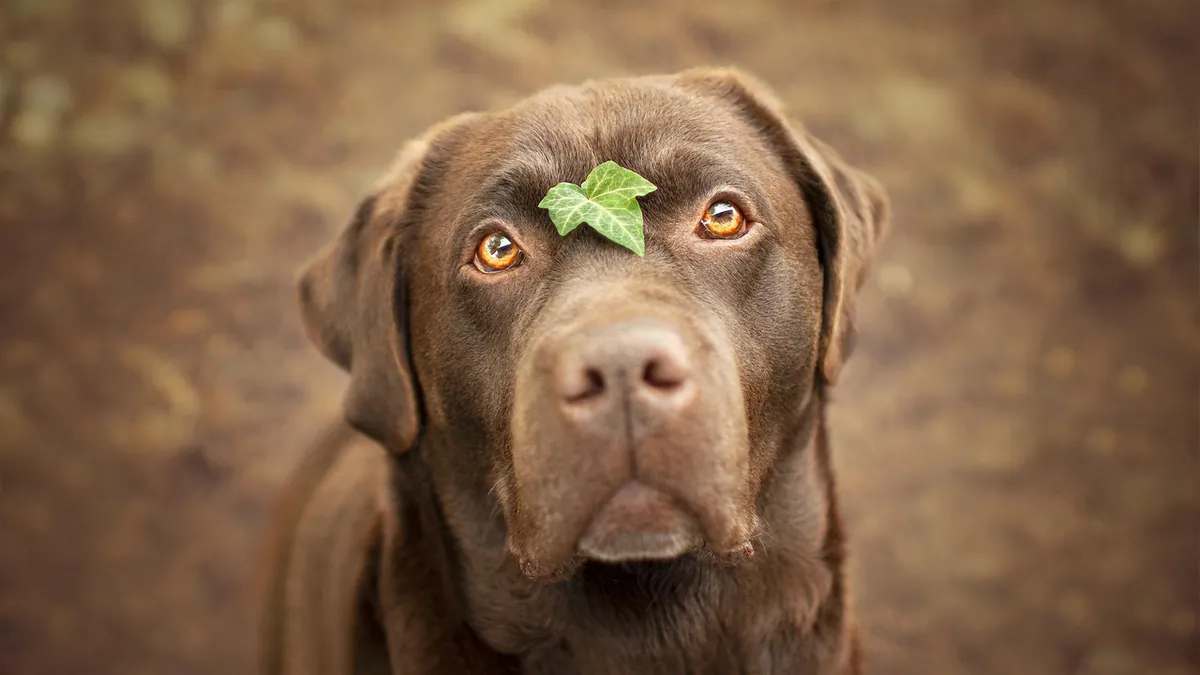
Yes, dogs can eat parsley flakes in small amounts, and most veterinary sources treat plain parsley as non-toxic for dogs at normal food levels. The catch is that parsley contains compounds called furanocoumarins, and large amounts can cause sun sensitivity and skin problems [1]. This article is educational and is not a substitute for veterinary diagnosis or treatment.
Quick Answer
- Plain fresh or dried parsley is safe for most dogs in small amounts, such as a pinch sprinkled on food.
- Parsley is not a meal. Treat it as a garnish or flavoring, not a supplement or a bowl of greens.
- Skip parsley that comes in seasoned blends, garlic butter, onion dip, or anything containing xylitol.
- Large amounts of parsley can cause photosensitization, meaning sunburn and dermatitis, though a lot is needed to trigger this effect [1].
- If your dog ate a big handful of parsley or a parsley-containing product with other ingredients, call your veterinarian or a pet poison hotline.
Can Dogs Eat Parsley Flakes? The Short Answer
Parsley flakes are dried parsley leaves, and they carry the same basic safety profile as fresh parsley. The ASPCA lists parsley (Petroselinum crispum) as toxic to dogs, cats, and horses, with furanocoumarins as the toxic principle and photosensitization as the main clinical sign [1]. That sounds alarming, but the same listing notes that large amounts are needed to cause this effect [1]. In everyday terms, a small pinch of parsley flakes on your dog's dinner is very unlikely to cause a problem. A dog eating an entire bunch of parsley, or a whole jar of flakes, is a different story.
The word "toxic" in plant databases means the plant can cause harm under certain conditions, not that a single leaf is poison. Context matters. Amount, your dog's size, and what else is in the parsley product all change the risk.
Can Dogs Eat Parsley Leaves and Stems?
Leaves
Parsley leaves are the part most people mean when they talk about parsley. They are the part used as a garnish and the part dried into flakes. For a healthy dog, a small amount of plain leaf is generally fine. The furanocoumarin content is what limits how much you should offer [1].
Stems
Parsley stems are also edible for dogs in small amounts. They are tougher and more fibrous than the leaves, so some dogs will chew them and some will spit them out. Cut stems into short pieces to reduce any choking risk, especially for small dogs. There is no separate toxicity listing for stems, so the same "small amounts only" rule applies.
Roots
Parsley root, sometimes sold as Hamburg parsley or turnip-rooted parsley, is the same plant species [1]. It is not a common dog treat, and it is starchy. There is no reason to feed it to your dog when safer vegetable options exist.
Does Parsley Have Any Real Nutritional Benefit for Dogs?
Parsley does contain some vitamins and plant compounds, but the amounts a dog gets from a garnish are tiny. It is not a meaningful source of nutrition at safe serving sizes. If you are looking for antioxidant support in your dog's diet, talk with your veterinarian about a complete and balanced food and any supplements that fit your dog's health needs. Some supplement ingredients have been studied in dogs, including a dietary supplement that reduced pain and clinical signs in dogs with osteoarthritis over a 60-day trial [2]. That kind of evidence comes from a specific formulated product, not from parsley on a plate.
Parsley's most common practical use for dogs is breath freshening. It can temporarily mask mouth odor, but it does not treat the cause of bad breath. Dental disease, gum inflammation, and other medical problems are common reasons for dog breath, so mention it at your next exam.
Risks of Feeding Parsley to Dogs
Photosensitization
This is the main documented concern. Furanocoumarins in parsley can make skin more sensitive to sunlight, leading to sunburn and dermatitis, but large amounts are needed [1]. Dogs with thin coats, light skin, or lots of sun exposure may be more vulnerable. If your dog develops redness, crusting, or irritation on the nose, ears, or belly after eating a lot of parsley and spending time outdoors, call your veterinarian.
Choking and GI Upset
Stems and large clumps of leaves can be a choking hazard, particularly for toy breeds. Eating a large amount of any plant fiber can also cause vomiting, diarrhea, or stomach discomfort. Introduce any new food in tiny amounts and watch how your dog responds.
Additives in Parsley Products
This is where most real-world problems happen. Parsley flakes sold as seasoning are usually just dried parsley, which is fine in small amounts. But parsley often shows up in products that contain ingredients dangerous to dogs:
- Xylitol, a sweetener that is highly toxic to dogs
- Garlic and onion, which can damage red blood cells
- Salt-heavy seasoning blends
- Butter, oil, or cheese sauces
Read the ingredient list every time. If the parsley is part of a dip, stuffing, or seasoned mix, assume it is not dog-safe unless you can verify every ingredient.
Look-Alike Plants
Parsley belongs to the Apiaceae family, which includes several plants that are genuinely dangerous. Spring parsley (Cymopterus watsonii) is a different plant that grows in western North America and is known to cause photosensitization in livestock. Do not let your dog graze on wild plants that look like parsley. If you are not certain a plant is culinary parsley, keep your dog away from it.
| Form | Safe for dogs? | Notes |
|---|---|---|
| Fresh parsley leaves | Yes, small amounts | Plain, washed, chopped |
| Fresh parsley stems | Yes, small amounts | Cut small to reduce choking risk |
| Plain dried parsley flakes | Yes, small amounts | Check for no added ingredients |
| Parsley in seasoned blends | Usually no | Watch for xylitol, garlic, onion, salt |
| Parsley essential oil | No | Concentrated, not for oral use in dogs |
| Wild parsley look-alikes | No | Spring parsley and similar plants can be harmful |
How to Offer Parsley Safely
Start with a tiny pinch of plain, washed parsley or plain parsley flakes mixed into your dog's regular food. This answers the common question of whether dogs can eat parsley in their food. Mixing it in is the safest route because it prevents your dog from gulping a large clump. Watch for vomiting, diarrhea, or mouth irritation over the next day.
Avoid parsley essential oil, parsley juice concentrates, and parsley supplements. These are far more concentrated than the leaf, and there is no established safe dose for dogs. If a veterinarian recommends a parsley-based product for a specific reason, they will calculate the dose from your dog's weight and health status.
If you want to add plant variety to your dog's diet, there are better-studied options. Blueberries are a common dog-safe fruit with antioxidant compounds, and portion size still matters. You can read more about serving sizes in Can Dogs Eat Blueberries? Antioxidants & Daily Limits. If you are curious about other plant parts, see Can Dogs Eat Strawberry Leaves And Stems and Can Dogs Eat Strawberry Stems And Leaves.
Can Dogs Eat Parsley Everyday?
A tiny garnish every day is unlikely to cause harm for most healthy dogs, but there is no nutritional reason to make parsley a daily habit. The furanocoumarin effect is dose-dependent, and repeated large servings could add up over time [1]. If you use parsley daily for breath, keep the amount very small and mention it to your veterinarian at your dog's next checkup.
A better daily plan is a complete and balanced dog food that meets your dog's life stage needs. If you are considering a supplement for gut health, joint support, or anything else, ask your veterinarian first. Some dog supplement studies show benefits for specific conditions, such as a prebiotic and postbiotic chew that lowered certain intestinal barrier and inflammation markers in healthy dogs over a 28-day trial [3]. Those results apply to that specific product and study design, not to parsley.
What If Your Dog Ate Too Much Parsley?
If your dog ate a large amount of plain parsley, offer water and watch for vomiting, diarrhea, or skin irritation. Call your veterinarian or a pet poison hotline for guidance. Most dogs that eat a big bowl of plain parsley will have stomach upset instead of serious poisoning, but a veterinarian should decide based on your dog's size and health.
If your dog ate parsley mixed with xylitol, garlic, onion, raisins, chocolate, or alcohol, treat it as an emergency. Call your veterinarian or a pet poison hotline right away. Do not wait for symptoms.
If your dog ate a wild plant you thought was parsley, bring a photo or a sample to the vet if you can. Plant identification helps guide treatment.
Safer Alternatives to Parsley
If you want to add a little green to your dog's bowl, these options are generally safer and better studied:
- Plain cooked green beans, cut small
- Plain cooked carrot pieces
- A few plain blueberries
- Plain cooked pumpkin or sweet potato
Keep all extras under about 10 percent of your dog's daily calories, and adjust your dog's main food so you do not overfeed. If your dog has a medical condition, ask your veterinarian which extras are appropriate.
Limitations and When to Contact a Veterinarian
This article covers general information, not your dog's specific situation. Individual cases need a veterinarian who can examine your dog, ask about the amount eaten, and review your dog's health history.
Contact your veterinarian the same day if your dog ate a large amount of parsley, has vomiting or diarrhea that lasts more than a few hours, or develops skin redness after sun exposure.
Go to an emergency clinic now if your dog ate parsley mixed with xylitol, garlic, onion, chocolate, raisins, or alcohol, or if you see collapse, tremors, difficulty breathing, or repeated vomiting.
Schedule a routine visit if your dog has chronic bad breath, since that often points to dental disease or another medical issue that parsley will not fix.
Frequently Asked Questions
Can dogs eat parsley flakes from a spice jar?
Yes, plain dried parsley flakes from a spice jar are generally safe in small amounts, as long as parsley is the only ingredient. Check the label for added salt, garlic, onion, or sweeteners. If the jar lists anything beyond parsley, do not share it with your dog.
Are parsley stems harder on a dog's stomach than the leaves?
Stems are more fibrous and tougher to chew, so they can be harder to digest and pose more of a choking risk. If you offer stems, cut them into very small pieces. Leaves are the easier choice for most dogs.
Does parsley really freshen a dog's breath?
Parsley can temporarily mask mouth odor, but it does not treat the underlying cause. Bad breath in dogs often comes from dental disease or another medical problem. Ask your veterinarian to check your dog's mouth and teeth at the next visit.
Can parsley hurt a dog's skin in the sun?
Large amounts of parsley can cause photosensitization, which means sunburn and dermatitis, because of furanocoumarins [1]. This requires a large intake, so a small garnish is very unlikely to trigger it. If your dog develops skin irritation after eating parsley and being outdoors, call your veterinarian.
Is spring parsley the same as the parsley I buy at the grocery store?
No. Spring parsley is a different wild plant that can cause photosensitization in animals. Culinary parsley from the grocery store is Petroselinum crispum [1]. Keep your dog away from wild plants that look like parsley unless an expert identifies them.
Related Articles
- Can Dogs Eat Strawberry Leaves And Stems
- Can Dogs Eat Strawberry Stems And Leaves
- Can Dogs Eat Strawberries Leaf
- Can Dogs Eat Strawberries And Strawberry Leaves
- Can Dogs Eat Blueberries? Antioxidants & Daily Limits
- Can Dogs Eat Strawberries Everyday
- Can Dogs Eat Kale? Leaves, Stalks, and Daily Limits
- Can Dogs Eat Dill? Leaves, Seeds, and Stems Explained
- Can Dogs Eat Basil? Leaves, Pesto, and Safety
References
- Toxic and Non-toxic Plants: Parsley. ASPCA Animal Poison Control Center.
- Efficacy of a dietary supplement in dogs with osteoarthritis: A randomized placebo-controlled, double-blind clinical trial. PloS one, 2022.
- Effects of a Novel Prebiotic and Postbiotic Dietary Supplement on Gut Microbiota, Intestinal Barrier Markers, and Inflammation in Healthy Dogs. Veterinary sciences, 2026.