Can Dogs Eat Kohlrabi? Leaves, Skin, and Serving Tips
By Dr. Zubair Khalid, DVM, MS, PhD ·
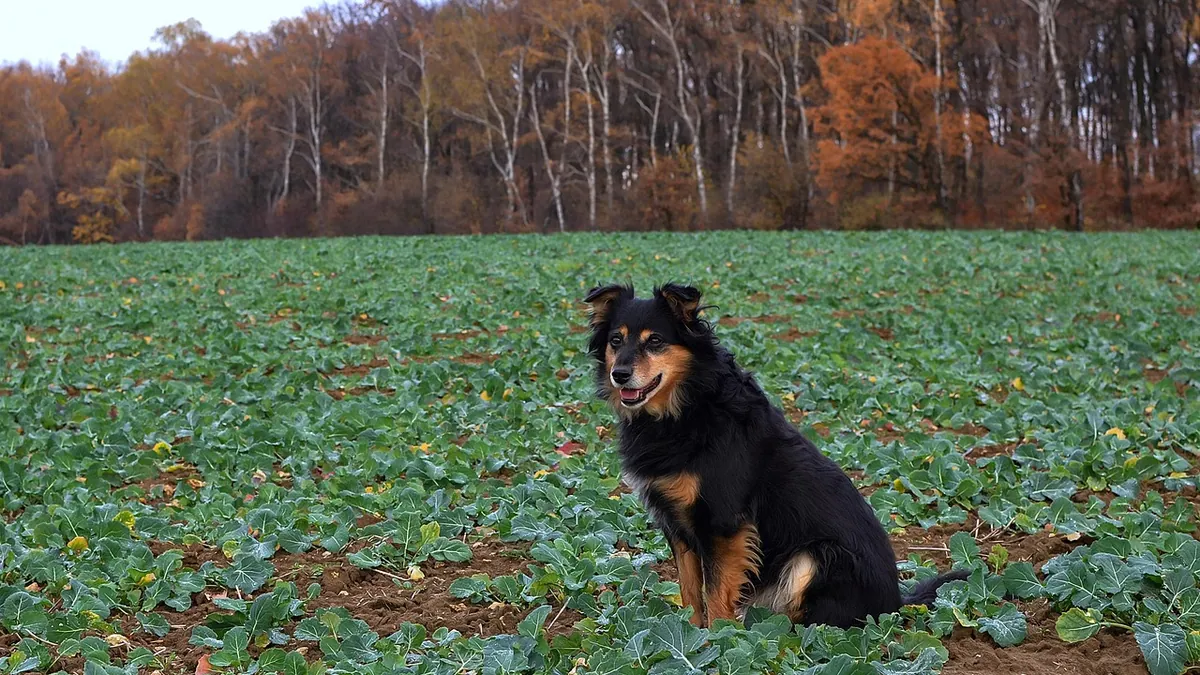
Kohlrabi is a crunchy brassica vegetable that shows up in CSA boxes and farmers markets, and many owners wonder if their dog can share it. The short answer is yes, dogs can eat kohlrabi in small amounts, and most parts of the plant are safe when prepared plainly. This article is educational and is not a substitute for veterinary diagnosis or treatment.
Quick Answer
- Plain, raw or cooked kohlrabi bulb is safe for most dogs in small pieces.
- The leaves and skin are also edible, but wash them well and cut them small.
- Never feed kohlrabi cooked with onion, garlic, xylitol, salt, butter, or oil.
- Treat kohlrabi as a low-calorie snack, not a meal replacement.
- Skip it entirely if your dog has a sensitive stomach or a history of gas and bloating.
Can Dogs Eat Kohlrabi? The Safety Verdict
Yes, kohlrabi is generally safe for dogs. It is a non-toxic vegetable, and the bulb, leaves, and skin can all be offered in moderation. The main concerns are choking, digestive upset, and added ingredients, not the vegetable itself.
Kohlrabi belongs to the same plant family as broccoli, cabbage, and cauliflower. If your dog already tolerates those vegetables, kohlrabi will likely sit well too. If your dog has never had brassicas, start with one or two tiny pieces and watch for gas or loose stool over the next day.
One thing to keep straight: kohlrabi is not a complete food. It should never replace a balanced diet. Most commercial dog foods are formulated to meet nutritional needs, and owners increasingly choose diets based on perceived pet health benefits [1]. Treats like kohlrabi should stay a small part of the overall picture.
What Is in Kohlrabi? Nutrition and Real Benefits
Kohlrabi is mostly water and fiber with a modest amount of vitamin C, potassium, and antioxidants. It is low in calories, which makes it a reasonable crunchy snack for dogs who need to watch their weight.
The fiber can support regular digestion in healthy dogs. That said, too much fiber at once can cause gas, cramping, or soft stool, especially in dogs with sensitive guts. Chronic enteropathy, a common cause of ongoing gastrointestinal signs in dogs, is often managed mainly through diet [2]. If your dog has a diagnosed gut condition, talk to your veterinarian before adding any new food.
Kohlrabi is not a source of complete protein, fat, or the full range of vitamins and minerals a dog needs. It adds crunch and a little nutrition, nothing more. For other dog-safe vegetables with similar benefits, see Can Dogs Eat Broccoli and Can Dogs Eat Celery.
Can Dogs Eat Kohlrabi Leaves?
Yes, the leaves are edible for dogs. They are the same plant as the bulb, so they carry the same general safety profile. Wash them thoroughly to remove dirt, grit, and any pesticide residue.
Raw leaves can be tough and stringy. Chop them into small ribbons so your dog does not gulp a long strand that could lodge in the throat. Steaming or lightly cooking the leaves makes them softer and easier to chew.
Leaves are higher in fiber than the bulb, so they may cause more gas. Offer a small amount first. If your dog gets a rumbly belly, stick to the bulb.
Do not feed leaves that have wilted, molded, or been sitting in the fridge for weeks. Spoiled plant matter can grow mold and bacteria that cause vomiting and diarrhea.
Can Dogs Eat Kohlrabi Skin?
Yes, the skin is safe. You do not have to peel kohlrabi before sharing it with your dog. In fact, the skin holds much of the fiber and some of the nutrients.
The skin can be thick and fibrous, especially on larger bulbs. Cut it into thin strips or small dice to reduce choking risk. If your dog tends to swallow food whole, peeling the bulb is a safer choice.
Wash the outside well. Kohlrabi grows in soil, and unwashed skin can carry dirt and bacteria. A good scrub under running water is enough.
If the skin looks slimy, smells off, or has soft brown spots, toss it. Do not feed any part of a spoiled vegetable.
Can Dogs Eat Cooked Kohlrabi?
Yes, cooked kohlrabi is safe as long as it is plain. Steaming, boiling, or roasting without seasoning are all fine. Cooking softens the fiber, which can make it easier on sensitive stomachs.
The problem is what people add during cooking. Butter, oil, salt, garlic, onion, and sugar are common in kohlrabi recipes and are not safe for dogs. Garlic and onion can damage red blood cells. Xylitol, a sweetener sometimes used in processed foods, is toxic to dogs. Salt in large amounts can cause serious problems.
If you are cooking kohlrabi for yourself, set aside a plain portion before you season the rest. Let it cool to room temperature before offering it. Hot food can burn your dog's mouth.
Avoid fried kohlrabi, kohlrabi fritters, and any dish with breading, cheese, or sauce. Those add fat and ingredients that can trigger pancreatitis or stomach upset.
Can Puppies Eat Kohlrabi?
Puppies can eat kohlrabi in very small amounts, but it is not a priority food for them. Puppies need calorie-dense, balanced nutrition to support growth. Vegetables like kohlrabi fill the belly without adding much energy.
If you want to offer a taste, give one or two tiny, soft pieces. Cooked and mashed kohlrabi is easier for small mouths and developing teeth than raw chunks. Always supervise.
Never let a puppy chew on a large raw piece. Puppies explore with their mouths and are more likely to choke or swallow something too big.
If your puppy has loose stool, vomiting, or a poor appetite, skip treats and call your veterinarian. Young dogs can dehydrate quickly.
Kohlrabi Form and Safety Table
| Form | Safe? | Notes |
|---|---|---|
| Raw bulb, diced | Yes | Cut into small, bite-sized pieces |
| Raw leaves | Yes | Wash well, chop into ribbons |
| Skin | Yes | Scrub clean, cut thin to prevent choking |
| Steamed or boiled, plain | Yes | No salt, butter, oil, or seasoning |
| Roasted, plain | Yes | Cool fully before serving |
| Cooked with garlic or onion | No | Garlic and onion are toxic to dogs |
| Cooked with xylitol | No | Xylitol is toxic to dogs |
| Fried or breaded | No | High fat, can trigger pancreatitis |
| Spoiled or moldy | No | Can cause vomiting and diarrhea |
Risks to Watch For
Choking is the most immediate risk. Kohlrabi is firm and crunchy. A large chunk can lodge in the throat or esophagus, especially in small dogs or dogs who eat fast. Always cut pieces smaller than you think you need.
Digestive upset is common when dogs eat too much of any new vegetable. Gas, bloating, loose stool, and vomiting can follow a large serving. Brassicas are known for causing gas in some dogs.
Toxicity risk comes from what is added, not the kohlrabi itself. Garlic, onion, xylitol, and heavy salt are the main dangers. If your dog ate kohlrabi cooked with any of these, call your veterinarian or a pet poison hotline right away.
There is no known toxicity from kohlrabi bulb, leaves, or skin in dogs. The bigger concern is overfeeding and the ingredients that come along with it.
How to Offer Kohlrabi Safely
Start small. Give one or two pieces the first time and wait 24 hours. Watch for vomiting, diarrhea, gas, or itching.
Cut everything into small, uniform pieces. A good rule is no piece larger than a pea for small dogs and no larger than a grape for large dogs. Thin slices are safer than cubes for dogs who gulp.
Wash all parts under running water. Peel only if your dog has trouble chewing the skin.
Serve raw for crunch or cooked plain for softness. Do not add anything.
Keep the total treat amount small. Vegetables should make up a tiny fraction of daily calories. Most of your dog's diet should come from a complete and balanced food.
If your dog is overweight, kohlrabi can replace a higher-calorie treat. If your dog is underweight or a picky eater, do not fill them up with vegetables.
What to Do If Your Dog Ate Too Much
If your dog ate a large amount of plain kohlrabi, most cases are mild. Expect some gas or soft stool. Withhold other treats for the rest of the day and make sure fresh water is available.
Call your veterinarian if you see repeated vomiting, diarrhea lasting more than a day, bloating with a hard belly, or signs of pain. These can point to a more serious problem.
If your dog ate kohlrabi cooked with garlic, onion, xylitol, or a large amount of salt, treat it as an emergency. Call your veterinarian or a pet poison hotline immediately. Do not wait for symptoms.
If your dog is choking, pawing at the mouth, or struggling to breathe, go to an emergency clinic now.
Safer Alternatives
If kohlrabi does not agree with your dog, plenty of other vegetables work well. Cooked carrot, green beans, zucchini, and plain pumpkin are common choices. Cucumber is another low-calorie crunch.
For fruits, plain strawberries without the leaves are a safe option for most dogs. See Can Dogs Eat Strawberries And Strawberry Leaves and Can Dogs Eat Strawberries Leaf for details.
Avoid raw potato and green potato skin, which contain solanine. See Can Dogs Eat Raw Potatoes? Solanine and Green Skin Warning.
Whatever you choose, introduce one new food at a time. That way you know what caused a problem if one shows up.
Limitations and When to Contact a Veterinarian
This article gives general guidance. Your dog's age, weight, health conditions, and medications all affect what is safe. Individual cases need a veterinarian who knows your dog.
Call your veterinarian the same day if your dog ate kohlrabi cooked with garlic, onion, or xylitol, even if they seem fine. Symptoms of these poisonings can be delayed.
Go to an emergency clinic now if your dog is choking, has trouble breathing, collapses, has a swollen or painful belly, or has repeated vomiting with no keep-down.
Schedule a routine visit if your dog has ongoing gas, soft stool, or vomiting after eating vegetables. Chronic gastrointestinal signs in dogs often need a dietary plan, and your veterinarian can help build one [2]. Some dogs with food-responsive enteropathy improve on a changed diet, including novel protein or insect-based options in some cases [3].
If your dog has heart disease or a heart murmur, mention any diet changes at your next visit. Grain-free diets have been studied for a possible link to cardiac diagnoses, though findings have been mixed and owner-reported diet information has limits [4].
Frequently Asked Questions
Can dogs eat kohlrabi every day?
Small amounts daily are usually fine for healthy dogs. Keep the portion tiny so it does not crowd out balanced food. If you notice gas or loose stool, cut back to a few times a week.
Is kohlrabi better for dogs raw or cooked?
Both work. Raw gives more crunch and fiber, while cooked is softer and easier on sensitive stomachs. The most important rule is to keep it plain either way.
Can kohlrabi cause gas in dogs?
Yes, it can. Kohlrabi is a brassica, and brassicas are known for causing gas in some dogs. Start with a small piece and watch how your dog responds.
What if my dog ate kohlrabi with garlic or onion?
Call your veterinarian or a pet poison hotline right away. Garlic and onion can damage red blood cells, and signs may not show up for a day or more. Do not wait for symptoms to appear.
Is kohlrabi a good treat for overweight dogs?
It can be a reasonable low-calorie snack. It is mostly water and fiber, so it adds bulk without many calories. Ask your veterinarian for a treat plan that fits your dog's weight goals.
Related Articles
- Can Dogs Eat Strawberries Leaf
- Can Dogs Eat Broccoli
- Can Dogs Eat Strawberries And Strawberry Leaves
- Can Dogs Eat Celery
- Can Dogs Eat Raw Potatoes? Solanine and Green Skin Warning
- Can Dogs Eat Carrots
- Can Dogs Eat Cabbage Raw or Cooked? Safe Amounts and Prep
- Can Dogs Eat Kale? Leaves, Stalks, and Daily Limits
- Can Dogs Eat Radishes? Raw, Cooked, and Leaf Safety
References
- Pet food choices in transition: how owner demographics and diets influence pet food selection and the acceptance of alternative protein sources in pet feeding. Frontiers in veterinary science, 2026.
- Clinical and Faecal Outcomes in Adult Dogs with Chronic Enteropathy Fed an Hydrolysed Protein Diet with and Without Bacillus velezensis DSM 15544: A Randomised, Double-Blind, Cross-Over Trial. Animals : an open access journal from MDPI, 2026.
- Successful use of insect-based (Hermetia illucens) diet in dogs with food-responsive enteropathy. The Journal of small animal practice, 2026.
- Multiple Modelling Methods Suggest That Grain-Free Diets Are Not Predictive of New Owner-Reported Cardiac Diagnoses Over Two Years in the Dog Aging Project, Despite Owner Misclassification of Diet. Veterinary medicine and science, 2026.