Can Dogs Eat Strawberry Stems And Leaves
By Dr. Zubair Khalid, DVM, MS, PhD ·
Key Takeaways
- Strawberry stems and leaves are not classified as toxic to dogs by major veterinary organizations but are not recommended due to their indigestible fibrous content (cellulose and lignin).
- Ingestion of strawberry stems and leaves can lead to gastrointestinal upset, manifesting as vomiting, diarrhoea, abdominal discomfort, and temporary loss of appetite, primarily due to mechanical irritation and digestive challenges.
- Trace amounts of tannins and oxalates present in the green parts of strawberries can further irritate the stomach lining in sensitive canines.
- A significant risk, particularly for small breeds or puppies, is the potential for gastrointestinal obstruction from large ingested pieces, a medical emergency requiring immediate veterinary intervention.
- Home management for mild cases involves withholding food for 12-24 hours and reintroducing a bland diet, while veterinary consultation is crucial for persistent symptoms, large ingestions, or signs of obstruction.
- Safe feeding practices dictate the complete removal of stems and leaves, thorough washing of the fruit, and portion control to mitigate risks and allow dogs to benefit from the fruit's nutritional content (Vitamin C, fiber, antioxidants).
Strawberries are a popular, sweet treat that many dog owners share with their pets. While the red, fleshy fruit is generally safe in moderation, the stems and leaves raise important safety questions. This article provides a clinical yet accessible overview of the risks, signs of trouble, and best practices for keeping your dog safe.
Quick Q&A: Common Questions
Question: Can dogs eat strawberry stems and leaves? Answer: No, strawberry stems and leaves are not recommended for dogs. While they are not highly toxic, they can be difficult to digest and may cause gastrointestinal upset, including vomiting or diarrhoea. The green parts also contain trace amounts of tannins and oxalates, which can irritate the stomach lining in sensitive dogs.
Understanding the Risks of Strawberry Stems and Leaves
Are They Toxic?
According to the American Veterinary Medical Association (AVMA) and the European Medicines Agency (EMA), strawberry stems and leaves are not classified as toxic to dogs. However, they are not considered safe for regular consumption. The primary concern is mechanical irritation and digestive upset rather than poisoning.
Digestive Challenges
Dogs have a shorter gastrointestinal tract than humans, making it harder for them to break down fibrous plant material. Strawberry stems and leaves contain cellulose and lignin, which are poorly digestible. Ingesting these parts can lead to:
- Vomiting, often within a few hours of ingestion
- Diarrhoea or loose stools, may contain visible plant fragments
- Abdominal discomfort, signs include whining, restlessness, or a hunched posture
- Loss of appetite, temporary, usually resolves within 24 hours
Potential for Obstruction
In rare cases, especially with small breed dogs or puppies, large pieces of stem or leaf can cause a gastrointestinal obstruction. This is a medical emergency requiring immediate veterinary attention. Signs of obstruction include repeated vomiting, inability to pass stool, lethargy, and a painful abdomen.
What to Do If Your Dog Eats Strawberry Stems or Leaves
Home Care for Mild Cases
If your dog eats a small amount of strawberry stems or leaves and shows no immediate signs of distress, you can monitor them at home. Offer plenty of fresh water to help flush the plant material through the digestive system. Withhold food for 12 to 24 hours to allow the stomach to settle, then reintroduce a bland diet (boiled chicken and white rice) in small portions.
When to Contact Your Veterinarian
Contact your veterinarian or a pet poison helpline if:
- Your dog is a puppy, senior, or has a pre-existing health condition (e.g., kidney disease, pancreatitis)
- Your dog eats a large quantity of stems or leaves
- Vomiting or diarrhoea persists for more than 24 hours
- You notice blood in the vomit or stool
- Your dog shows signs of lethargy, weakness, or abdominal pain
- You suspect an obstruction (e.g., repeated vomiting, straining to defecate)
What to Expect at the Vet
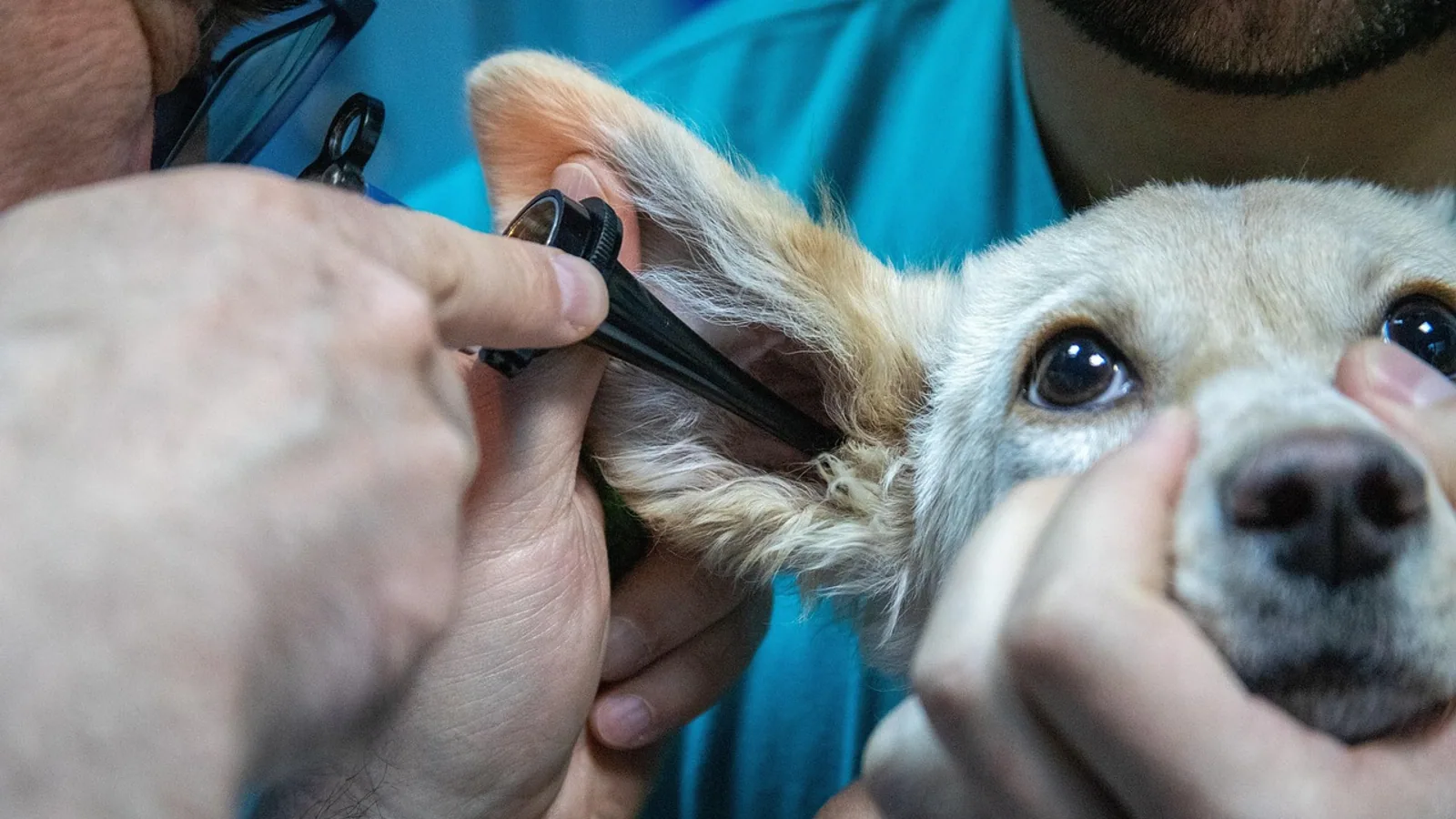
Your veterinarian will perform a physical examination and may recommend diagnostic tests such as abdominal X-rays or ultrasound to rule out obstruction. Treatment for mild gastrointestinal upset typically includes anti-nausea medication (e.g., maropitant), fluid therapy to prevent dehydration, and a temporary bland diet. In cases of obstruction, surgical removal may be necessary.
Prevention and Safe Feeding Practices
How to Safely Offer Strawberries
To enjoy the benefits of strawberries without the risks, follow these guidelines from the Canadian Veterinary Medical Association (CVMA) and the Australian Veterinary Association (AVA):
- Always remove the stem and leaves before offering strawberries to your dog
- Wash the fruit thoroughly to remove pesticides and dirt
- Cut strawberries into small, bite-sized pieces to prevent choking
- Limit portions, one or two small strawberries per day for a medium-sized dog is sufficient
- Introduce new foods gradually to monitor for individual sensitivities
Health Benefits of Strawberries (Fruit Only)
When prepared correctly, strawberries offer several nutritional benefits:
- Vitamin C, supports immune function
- Fiber, aids digestion in small amounts
- Antioxidants, help reduce inflammation
- Low calorie, a healthy treat alternative to processed snacks
What About Other Berry Plants?
Many berry plants have leaves and stems that are similarly problematic. For example, raspberry and blackberry leaves are generally safe in small amounts but can cause digestive upset if eaten in large quantities. Blueberry leaves and stems are also best avoided. Always research specific plants before allowing your dog to forage.
Summary
Strawberry stems and leaves are not toxic to dogs but can cause gastrointestinal upset, including vomiting and diarrhoea. In rare cases, they may lead to obstruction. The safest approach is to remove all green parts before offering strawberries as a treat. If your dog accidentally eats stems or leaves, monitor for signs of distress and contact your veterinarian if symptoms persist or worsen. By following these simple precautions, you can safely share this sweet fruit with your canine companion.